

Cream, sour, cultured
Whole food · Dairy and Egg Products

Photo: Wikipedia
Cultured sour cream is a thick, tangy dairy product made by fermenting regular cream with specific lactic acid bacteria. Its texture is rich, smooth, and velvety, with a distinct, pleasant sourness that cuts through richness. Nutritionally, it's a high-fat, low-carb food, providing a significant source of fat-soluble vitamins like A and K2.
Calorie split: 5% protein · 9% carbs · 86% fat
↓ Full nutrition💚 Why it's loved
People adore sour cream for its transformative ability to add a cool, creamy, and tangy counterpoint to spicy, savory, or rich foods. It's a versatile condiment and ingredient that bridges cuisines, from a dollop on chili to a base for creamy sauces.
⚠️ Watch-outs & how to enjoy it better
Its high fat content (over 80% of calories from fat) makes it calorie-dense, which can be a concern for those monitoring fat intake. It also contains dairy, a common allergen, and lactose, which some individuals may have difficulty digesting. To enjoy it mindfully, practice portion control (a tablespoon or two as a condiment) and consider pairing it with high-fiber foods like beans or vegetables to balance a meal.
Key benefits
- Excellent source of fat-soluble vitamins (A, D, E, K2)
- Contains beneficial probiotics from the culturing process
- Provides conjugated linoleic acid (CLA), a type of healthy fat
- Adds richness and flavor to dishes, enhancing satiety
🍽️ Popular dishes
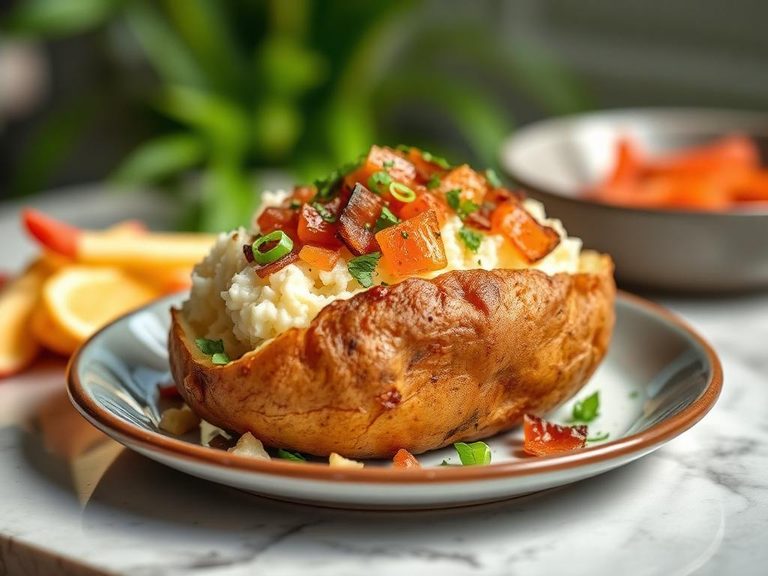
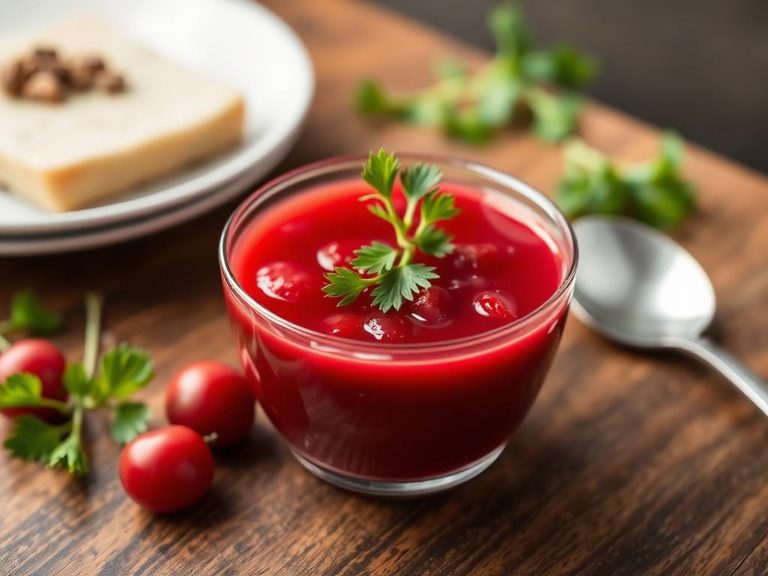
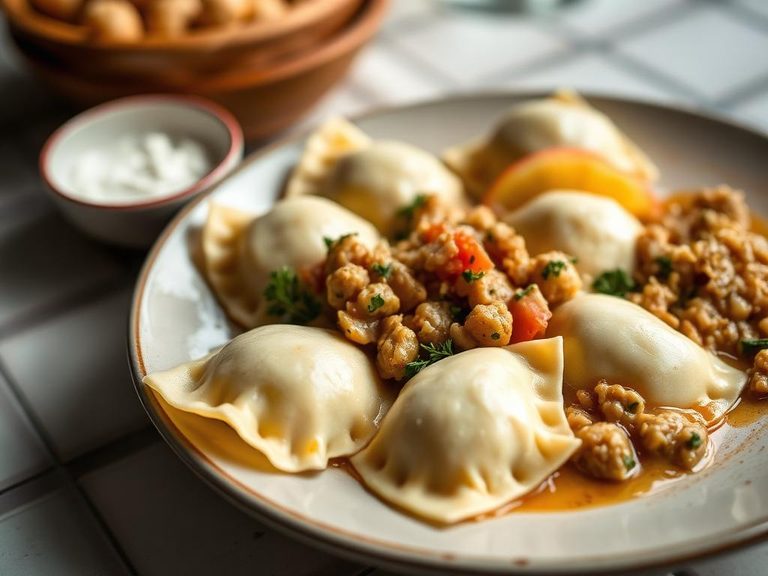
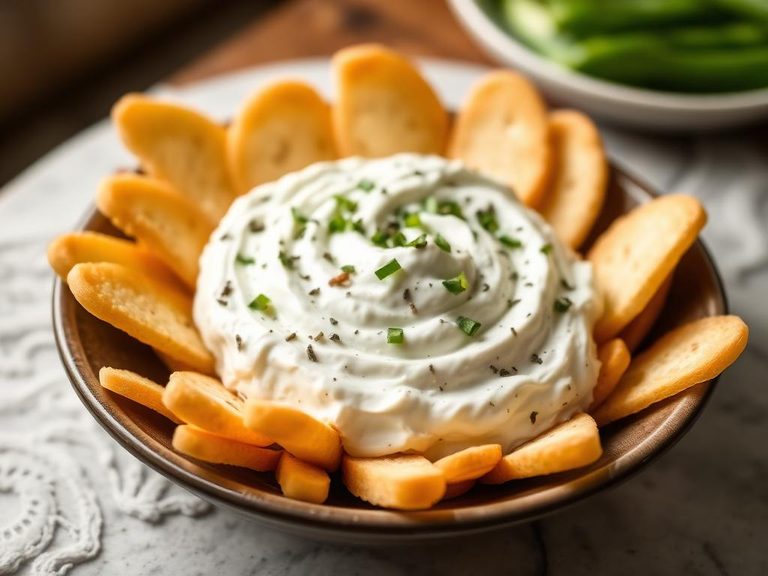
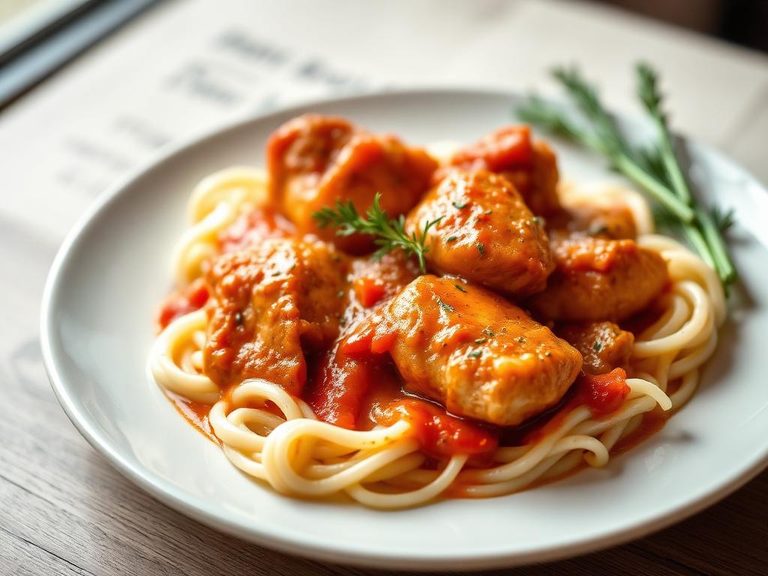
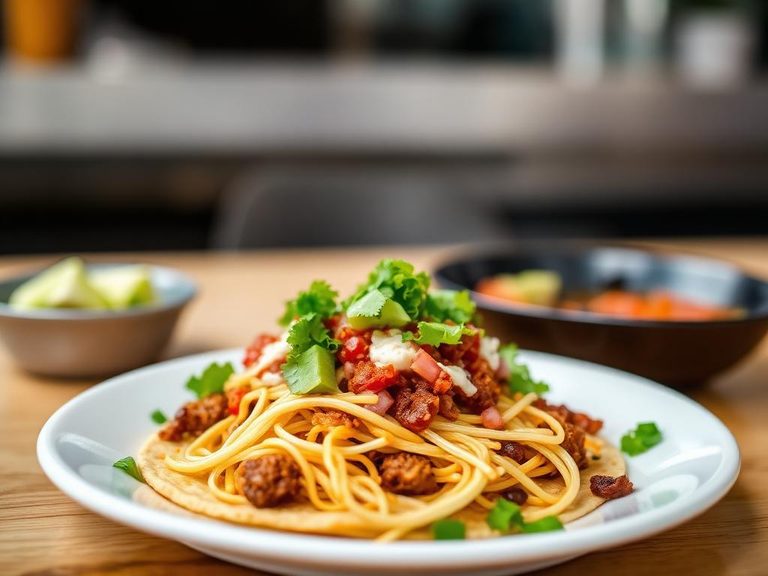
🌍 Where it's eaten
💡 Did you know?
The tangy flavor in sour cream comes from lactic acid bacteria converting lactose (milk sugar) into lactic acid, which also naturally thickens the cream by causing proteins to coagulate.
Full nutrition (USDA data · scales with serving)
| Water | 73.1 g |
| Energy | 198 kcal |
| Energy | 830 kj |
| Protein | 2.4 g |
| Total lipid (fat) | 19.4 g |
| Ash | 0.51 g |
| Carbohydrate, by difference | 4.6 g |
| Fiber, total dietary | 0.00 g |
| Total Sugars | 3.4 g |
| Sucrose | 0.00 g |
| Glucose | 0.00 g |
| Fructose | 0.00 g |
| Lactose | 3.4 g |
| Maltose | 0.00 g |
| Galactose | 0.00 g |
| Starch | 0.00 g |
| Calcium, Ca | 101 mg |
| Iron, Fe | 0.07 mg |
| Magnesium, Mg | 10.0 mg |
| Phosphorus, P | 76.0 mg |
| Potassium, K | 125 mg |
| Sodium, Na | 31.0 mg |
| Zinc, Zn | 0.33 mg |
| Copper, Cu | 0.02 mg |
| Manganese, Mn | 0.01 mg |
| Selenium, Se | 3.7 ug |
| Vitamin C, total ascorbic acid | 0.90 mg |
| Thiamin | 0.02 mg |
| Riboflavin | 0.17 mg |
| Niacin | 0.09 mg |
| Pantothenic acid | 0.47 mg |
| Vitamin B-6 | 0.04 mg |
| Folate, total | 6.0 ug |
| Folic acid | 0.00 ug |
| Folate, food | 6.0 ug |
| Folate, DFE | 6.0 ug |
| Choline, total | 19.2 mg |
| Betaine | 0.60 mg |
| Vitamin B-12 | 0.21 ug |
| Vitamin B-12, added | 0.00 ug |
| Vitamin A, RAE | 124 ug |
| Retinol | 121 ug |
| Carotene, beta | 25.0 ug |
| Carotene, alpha | 0.00 ug |
| Cryptoxanthin, beta | 1.0 ug |
| Vitamin A, IU | 447 iu |
| Lycopene | 0.00 ug |
| Lutein + zeaxanthin | 4.0 ug |
| Vitamin E (alpha-tocopherol) | 0.38 mg |
| Vitamin E, added | 0.00 mg |
| Tocopherol, beta | 0.00 mg |
| Tocopherol, gamma | 0.30 mg |
| Tocopherol, delta | 0.00 mg |
| Tocotrienol, alpha | 0.02 mg |
| Tocotrienol, beta | 0.00 mg |
| Tocotrienol, gamma | 0.00 mg |
| Tocotrienol, delta | 0.00 mg |
| Vitamin D (D2 + D3), International Units | 0.00 iu |
| Vitamin D (D2 + D3) | 0.00 ug |
| Vitamin D2 (ergocalciferol) | 0.00 ug |
| Vitamin D3 (cholecalciferol) | 0.00 ug |
| Vitamin K (phylloquinone) | 1.5 ug |
| Vitamin K (Dihydrophylloquinone) | 0.00 ug |
| Vitamin K (Menaquinone-4) | 6.0 ug |
| Alcohol, ethyl | 0.00 g |
| Caffeine | 0.00 mg |
| Theobromine | 0.00 mg |
Fat & fatty acid profile (per 100g)
| Fatty acids, total saturated | 10.1 g |
| SFA 4:0 | 0.03 g |
| SFA 6:0 | 0.20 g |
| SFA 8:0 | 0.14 g |
| SFA 10:0 | 0.38 g |
| SFA 12:0 | 0.45 g |
| SFA 14:0 | 1.6 g |
| SFA 15:0 | 0.17 g |
| SFA 16:0 | 5.2 g |
| SFA 17:0 | 0.11 g |
| SFA 18:0 | 1.8 g |
| SFA 20:0 | 0.03 g |
| SFA 22:0 | 0.01 g |
| SFA 24:0 | 0.01 g |
| Fatty acids, total monounsaturated | 4.6 g |
| MUFA 14:1 | 0.13 g |
| MUFA 15:1 | 0.00 g |
| MUFA 16:1 | 0.29 g |
| MUFA 16:1 c | 0.29 g |
| MUFA 17:1 | 0.01 g |
| MUFA 18:1 | 4.1 g |
| MUFA 18:1 c | 3.5 g |
| MUFA 18:1-11 t (18:1t n-7) | 0.16 g |
| MUFA 20:1 | 0.03 g |
| MUFA 22:1 | 0.00 g |
| MUFA 24:1 c | 0.00 g |
| Fatty acids, total polyunsaturated | 0.80 g |
| PUFA 18:2 | 0.65 g |
| PUFA 18:2 n-6 c,c | 0.44 g |
| PUFA 18:2 CLAs | 0.08 g |
| PUFA 18:3 | 0.07 g |
| PUFA 18:3 n-3 c,c,c (ALA) | 0.07 g |
| PUFA 18:3 n-6 c,c,c | 0.01 g |
| PUFA 18:4 | 0.00 g |
| PUFA 20:2 n-6 c,c | 0.01 g |
| PUFA 20:3 | 0.02 g |
| PUFA 20:3 n-3 | 0.00 g |
| PUFA 20:3 n-6 | 0.02 g |
| PUFA 20:4 | 0.03 g |
| PUFA 20:5 n-3 (EPA) | 0.01 g |
| PUFA 22:4 | 0.00 g |
| PUFA 22:5 n-3 (DPA) | 0.01 g |
| PUFA 22:6 n-3 (DHA) | 0.00 g |
| Fatty acids, total trans | 0.80 g |
| Fatty acids, total trans-monoenoic | 0.67 g |
| TFA 18:1 t | 0.67 g |
| TFA 18:2 t not further defined | 0.13 g |
| Fatty acids, total trans-polyenoic | 0.13 g |
| Cholesterol | 59.0 mg |
Amino acid profile (per 100g)
| Tryptophan | 0.04 g |
| Threonine | 0.14 g |
| Isoleucine | 0.16 g |
| Leucine | 0.32 g |
| Lysine | 0.28 g |
| Methionine | 0.08 g |
| Cystine | 0.03 g |
| Phenylalanine | 0.16 g |
| Tyrosine | 0.15 g |
| Valine | 0.20 g |
| Arginine | 0.12 g |
| Histidine | 0.09 g |
| Alanine | 0.12 g |
| Aspartic acid | 0.26 g |
| Glutamic acid | 0.67 g |
| Glycine | 0.08 g |
| Proline | 0.31 g |
| Serine | 0.19 g |
FAQ
What's the difference between sour cream and crème fraîche?
Sour cream is cultured to a higher acidity (pH ~4.5), making it tangier and thicker. Crème fraîche is cultured to a lower acidity (pH ~5.5), resulting in a milder flavor, higher fat content, and a less prone-to-splitting texture when heated.
Can I use sour cream in cooking and baking?
Yes, but with care. It adds moisture, fat, and tang to baked goods like cakes and muffins. In hot sauces or soups, it should be tempered or added off-heat to prevent curdling. Using full-fat versions yields the best results.
Is sour cream a good source of probiotics?
It can be, but it depends on the brand. Look for labels that state 'live and active cultures.' Pasteurization after culturing, which some manufacturers do for shelf stability, will kill the beneficial bacteria.
Nutrient density (calculated · NRF9.3)
Nutrient Rich Foods index: beneficial nutrients (protein, fiber, vitamins, minerals) minus saturated fat, added sugar & sodium, per 100 kcal.
NRF9.3 index — Fulgoni, Keast & Drewnowski, 2009. Computed from USDA nutrients.
Weight-loss friendliness (composite index)
Energy density 1.98 kcal/g · 5% calories from protein · 0.0 g fiber · 3.4 g sugar per 100 g.
Composite of energy density (Rolls et al., 1999), protein & fiber satiety, minus sugar. A calculated heuristic — ranks satiety-per-calorie, not a clinical measure.
Dietary load (calculated from USDA values)
Potential renal acid load. Positive = acid-forming, negative = alkaline-forming.
Sodium-to-potassium ratio: 0.25 (lower is better — aim for ≤ 1)
Sodium:potassium per WHO potassium guidance. Computed from USDA nutrients.