

Pierogi filling
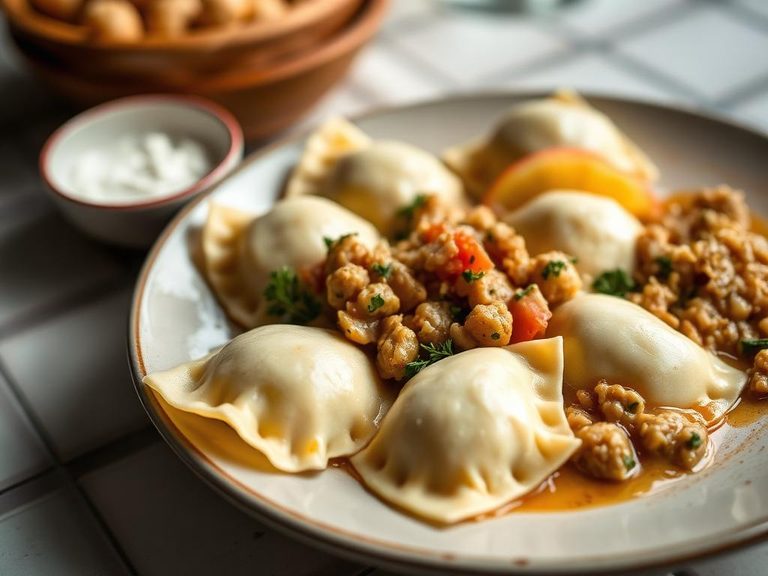
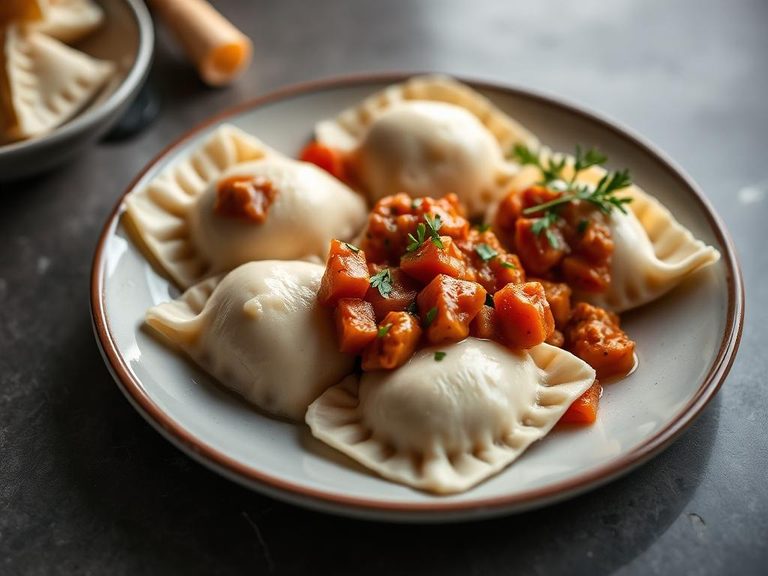
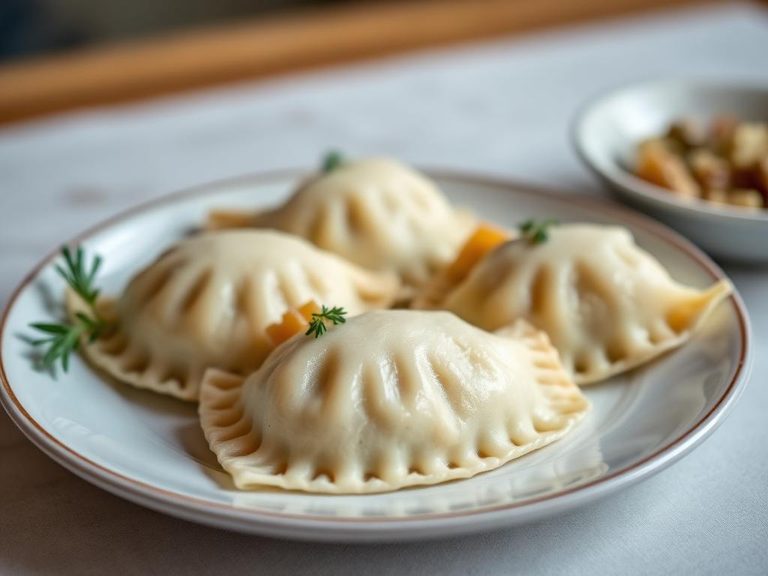
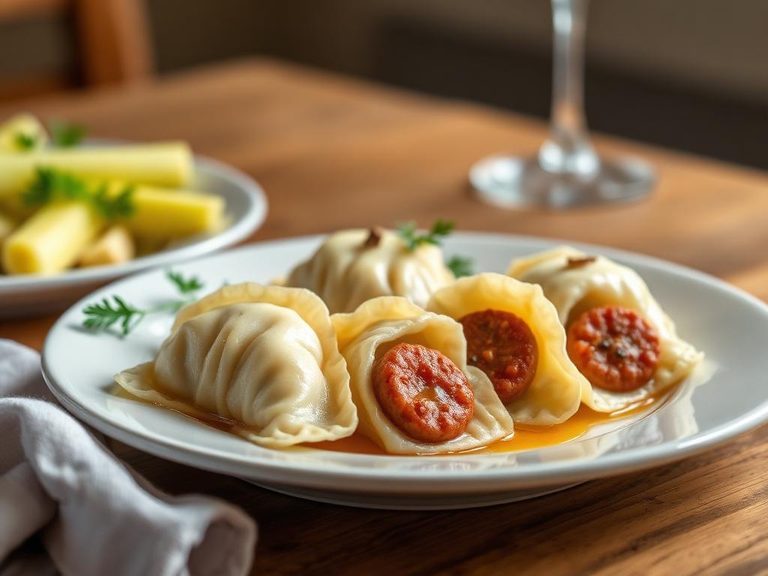
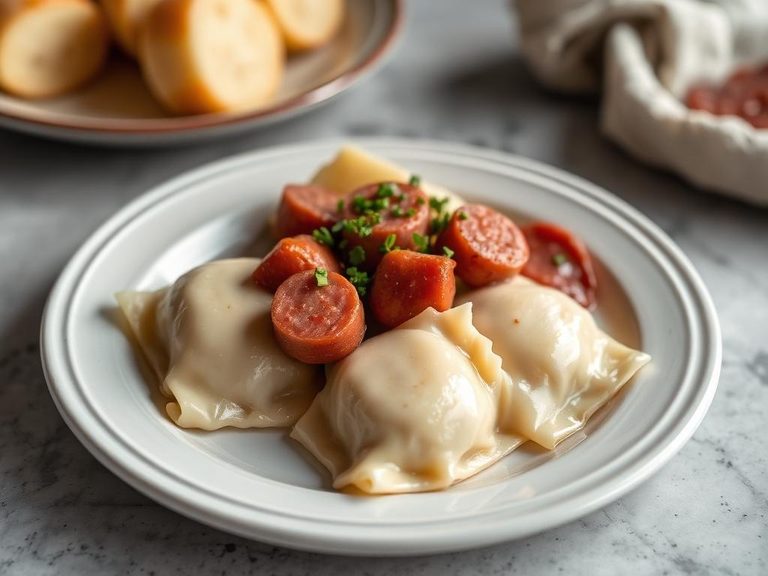
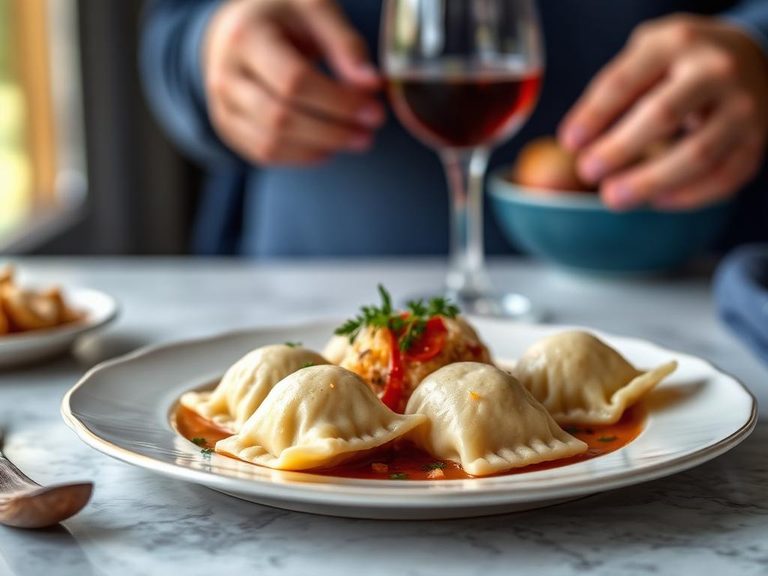
Pierogi filling refers to the savory or sweet mixtures encased in the soft, unleavened dough of pierogi, a beloved Eastern European dumpling. The most traditional fillings are mashed potato with farmer's cheese (ruskie), sautéed onions and cabbage (kapusta), or ground meat, though sweet versions with fruit like blueberry or plum are also popular. This dish is a cornerstone of Polish, Ukrainian, and Slovak cuisine, often served at holidays and family gatherings.
🍳 View the full Pierogi filling recipe →
🍽️ Nutrition at a glance
The nutritional profile varies widely by filling, but potato or cheese-based versions are typically high in carbohydrates and moderate in fat, while meat fillings add more protein. A serving of two to three pierogi generally provides a good source of energy, with key nutrients including potassium from potatoes, calcium from cheese, and B vitamins, and typically ranges from 250 to 400 calories.
Nutrition breakdown
| Calories | 180 kcal |
| Protein | 8 g |
| Carbs | 22 g |
| Fat | 7 g |
| Fiber | 2 g |
| Sugar | 2 g |
| Sodium | 450 mg |
| Potassium | 280 mg |
| Iron | 1.5 mg |
| Calcium | 45 mg |
| Vitamin A | 150 IU |
| Vitamin C | 3 mg |
| Thiamin (B1) | 0.1 mg |
| Niacin (B3) | 1.2 mg |
| Folate | 30 mcg |
Per 1/2 cup (120 g) · estimated, varies by recipe
💡 What's interesting
Culturally, pierogi fillings are a canvas for regional and family identity, with secret recipes passed down through generations. Nutritionally, the combination of a simple dough with a hearty filling made pierogi an efficient, calorie-dense food that historically sustained communities through long, harsh winters.
🍽️ Related dishes
AI estimate may be inaccurate · Terms