

Onions, cooked, boiled, drained, without salt
Whole food · Vegetables and Vegetable Products
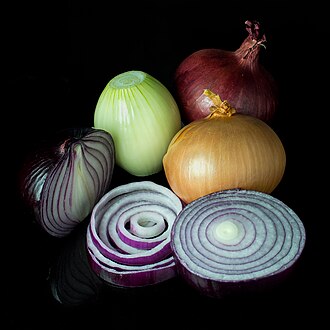
Photo: Wikipedia
Boiled onions are the soft, sweet, and translucent backbone of countless dishes, offering a milder, more delicate flavor than their raw counterparts. With a tender, melt-in-your-mouth texture, they provide a modest 44 calories per 100g, primarily from natural sugars and fiber.
Calorie split: 11% protein · 85% carbs · 4% fat
↓ Full nutrition💚 Why it's loved
People love boiled onions for their ability to provide a deep, savory-sweet foundation without overpowering other ingredients, making them a universal flavor builder in soups, stews, and sauces.
⚠️ Watch-outs & how to enjoy it better
Boiled onions have a high glycemic index, which can cause rapid blood-sugar spikes if eaten alone. To counteract this, pair them with protein (like beans or meat) or healthy fats (like olive oil) to slow digestion and stabilize blood sugar.
Key benefits
- Low in calories and fat
- Good source of dietary fiber
- Contains natural prebiotic compounds
- Provides vitamin C and B vitamins
- Naturally sodium-free
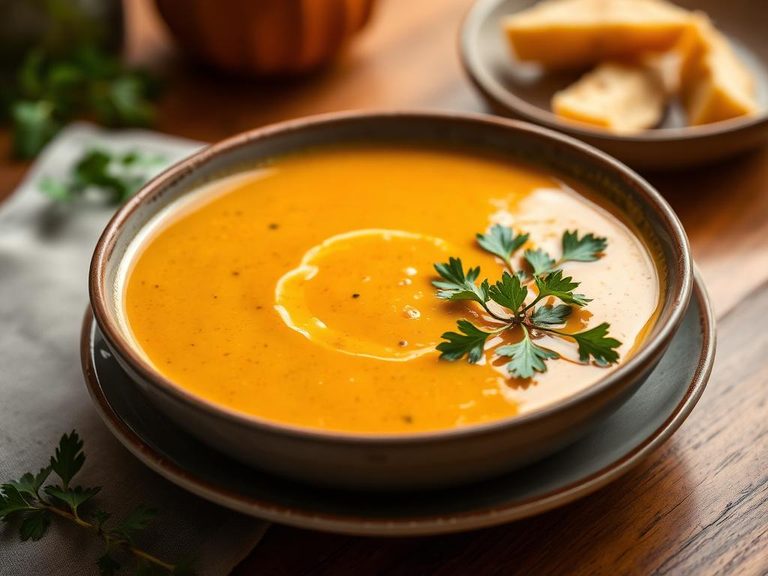
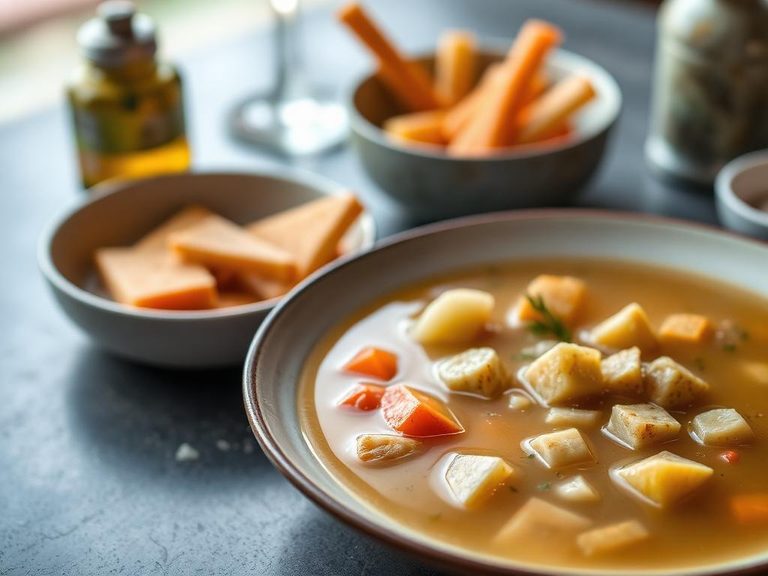
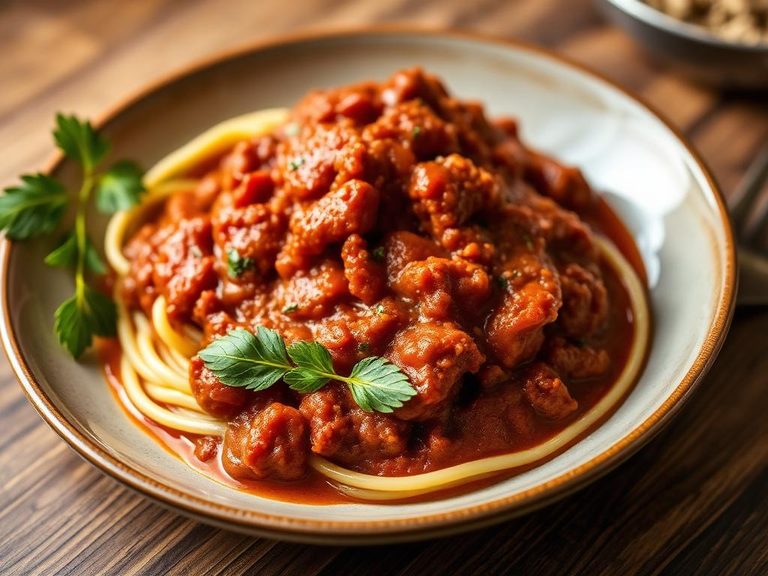
🍽️ Popular dishes
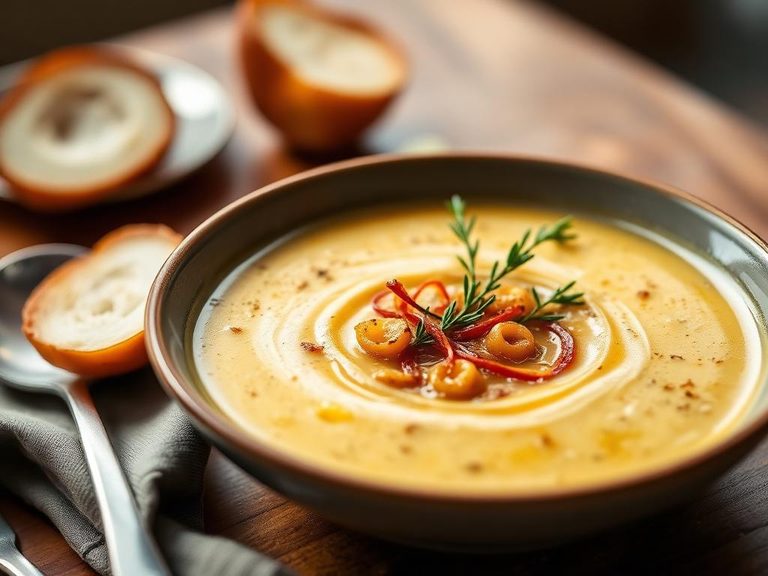
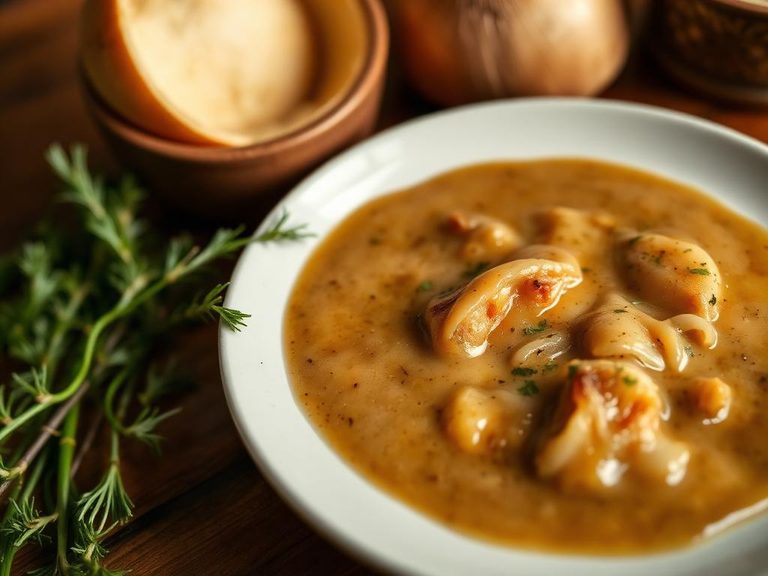
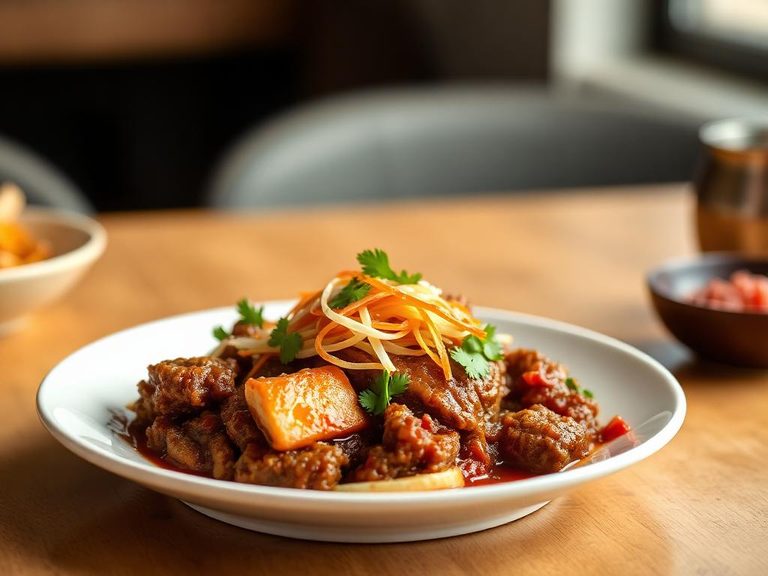
🌍 Where it's eaten
💡 Did you know?
The process of boiling onions breaks down their cell walls and converts some of their pungent sulfur compounds into sweeter-tasting molecules, which is why cooked onions taste so different from raw ones.
Full nutrition (USDA data · scales with serving)
| Water | 87.9 g |
| Energy | 44.0 kcal |
| Energy | 184 kj |
| Protein | 1.4 g |
| Total lipid (fat) | 0.19 g |
| Ash | 0.44 g |
| Carbohydrate, by difference | 10.2 g |
| Fiber, total dietary | 1.4 g |
| Total Sugars | 4.7 g |
| Sucrose | 1.1 g |
| Glucose | 2.2 g |
| Fructose | 1.4 g |
| Lactose | 0.00 g |
| Maltose | 0.00 g |
| Galactose | 0.00 g |
| Calcium, Ca | 22.0 mg |
| Iron, Fe | 0.24 mg |
| Magnesium, Mg | 11.0 mg |
| Phosphorus, P | 35.0 mg |
| Potassium, K | 166 mg |
| Sodium, Na | 3.0 mg |
| Zinc, Zn | 0.21 mg |
| Copper, Cu | 0.07 mg |
| Manganese, Mn | 0.15 mg |
| Selenium, Se | 0.60 ug |
| Vitamin C, total ascorbic acid | 5.2 mg |
| Thiamin | 0.04 mg |
| Riboflavin | 0.02 mg |
| Niacin | 0.17 mg |
| Pantothenic acid | 0.11 mg |
| Vitamin B-6 | 0.13 mg |
| Folate, total | 15.0 ug |
| Folic acid | 0.00 ug |
| Folate, food | 15.0 ug |
| Folate, DFE | 15.0 ug |
| Choline, total | 6.8 mg |
| Vitamin B-12 | 0.00 ug |
| Vitamin B-12, added | 0.00 ug |
| Vitamin A, RAE | 0.00 ug |
| Retinol | 0.00 ug |
| Carotene, beta | 1.0 ug |
| Carotene, alpha | 0.00 ug |
| Cryptoxanthin, beta | 0.00 ug |
| Vitamin A, IU | 2.0 iu |
| Lycopene | 0.00 ug |
| Lutein + zeaxanthin | 4.0 ug |
| Vitamin E (alpha-tocopherol) | 0.02 mg |
| Vitamin E, added | 0.00 mg |
| Tocopherol, beta | 0.00 mg |
| Tocopherol, gamma | 0.00 mg |
| Tocopherol, delta | 0.00 mg |
| Vitamin D (D2 + D3), International Units | 0.00 iu |
| Vitamin D (D2 + D3) | 0.00 ug |
| Vitamin K (phylloquinone) | 0.50 ug |
| Alcohol, ethyl | 0.00 g |
| Caffeine | 0.00 mg |
| Theobromine | 0.00 mg |
Fat & fatty acid profile (per 100g)
| Fatty acids, total saturated | 0.03 g |
| SFA 4:0 | 0.00 g |
| SFA 6:0 | 0.00 g |
| SFA 8:0 | 0.00 g |
| SFA 10:0 | 0.00 g |
| SFA 12:0 | 0.00 g |
| SFA 14:0 | 0.00 g |
| SFA 16:0 | 0.03 g |
| SFA 18:0 | 0.00 g |
| Fatty acids, total monounsaturated | 0.03 g |
| MUFA 16:1 | 0.00 g |
| MUFA 18:1 | 0.03 g |
| MUFA 20:1 | 0.00 g |
| MUFA 22:1 | 0.00 g |
| Fatty acids, total polyunsaturated | 0.07 g |
| PUFA 18:2 | 0.07 g |
| PUFA 18:3 | 0.00 g |
| PUFA 18:4 | 0.00 g |
| PUFA 20:4 | 0.00 g |
| PUFA 20:5 n-3 (EPA) | 0.00 g |
| PUFA 22:5 n-3 (DPA) | 0.00 g |
| PUFA 22:6 n-3 (DHA) | 0.00 g |
| Fatty acids, total trans | 0.00 g |
| Cholesterol | 0.00 mg |
| Phytosterols | 18.0 mg |
Amino acid profile (per 100g)
| Tryptophan | 0.02 g |
| Threonine | 0.03 g |
| Isoleucine | 0.05 g |
| Leucine | 0.05 g |
| Lysine | 0.07 g |
| Methionine | 0.01 g |
| Cystine | 0.02 g |
| Phenylalanine | 0.04 g |
| Tyrosine | 0.03 g |
| Valine | 0.03 g |
| Arginine | 0.18 g |
| Histidine | 0.02 g |
| Alanine | 0.04 g |
| Aspartic acid | 0.07 g |
| Glutamic acid | 0.22 g |
| Glycine | 0.06 g |
| Proline | 0.04 g |
| Serine | 0.04 g |
FAQ
How do I keep boiled onions from turning mushy?
To retain some texture, boil them just until tender when pierced with a fork (usually 5-10 minutes depending on size), then immediately drain. Avoid over-boiling, as their high sugar content makes them soften quickly.
Can I freeze boiled onions?
Yes. Spread the cooled, drained onions on a baking sheet to freeze individually, then transfer to a bag. They'll keep for 10-12 months and are perfect for quick additions to soups or sauces.
What's the best onion variety for boiling?
Yellow onions are the most common and versatile for boiling, offering a balanced sweet-savory flavor. White onions can be used for a slightly sharper taste, while sweet onions (like Vidalia) will yield a very mild, sugary result.
Nutrient density (calculated · NRF9.3)
Nutrient Rich Foods index: beneficial nutrients (protein, fiber, vitamins, minerals) minus saturated fat, added sugar & sodium, per 100 kcal.
NRF9.3 index — Fulgoni, Keast & Drewnowski, 2009. Computed from USDA nutrients.
Weight-loss friendliness (composite index)
Energy density 0.44 kcal/g · 12% calories from protein · 1.4 g fiber · 4.7 g sugar per 100 g.
Composite of energy density (Rolls et al., 1999), protein & fiber satiety, minus sugar. A calculated heuristic — ranks satiety-per-calorie, not a clinical measure.
Dietary load (calculated from USDA values)
Potential renal acid load. Positive = acid-forming, negative = alkaline-forming.
Sodium-to-potassium ratio: 0.02 (lower is better — aim for ≤ 1)
Sodium:potassium per WHO potassium guidance. Computed from USDA nutrients.