

Cucumber, with peel, raw
Whole food · Vegetables and Vegetable Products
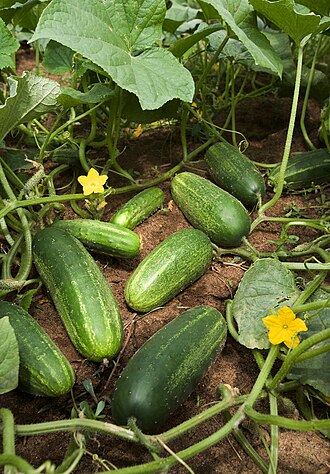
Photo: Wikipedia
The cucumber, eaten raw with its peel, is a crisp, hydrating vegetable with a mild, refreshing flavor and a satisfying crunch. Its high water content (about 95%) makes it exceptionally low in calories, delivering just 15 kcal per 100g. It's a notable source of vitamin K and provides small amounts of other nutrients, all while contributing to daily fluid intake.
Calorie split: 14% protein · 80% carbs · 5% fat
↓ Full nutrition💚 Why it's loved
People love cucumbers for their clean, mild taste and versatile crunch, which adds a refreshing element to salads, sandwiches, and drinks. They are a staple in cuisines worldwide, from Greek tzatziki to Indian raita, valued for their ability to cool and balance spicy or rich flavors.
⚠️ Watch-outs & how to enjoy it better
Some individuals may experience digestive discomfort like bloating or gas due to the compound cucurbitacin. Those with sensitive digestive systems can try peeling the cucumber, as the skin contains higher concentrations of this compound, and start with smaller portions. Additionally, cucumbers are sometimes on lists of produce with higher pesticide residues, so choosing organic or washing thoroughly can be a precaution.
Key benefits
- Excellent source of hydration due to high water content
- Very low in calories, aiding in weight management
- Provides vitamin K, important for bone health
- Contains antioxidants like flavonoids and tannins
- Offers dietary fiber, supporting digestive health
🍽️ Popular dishes
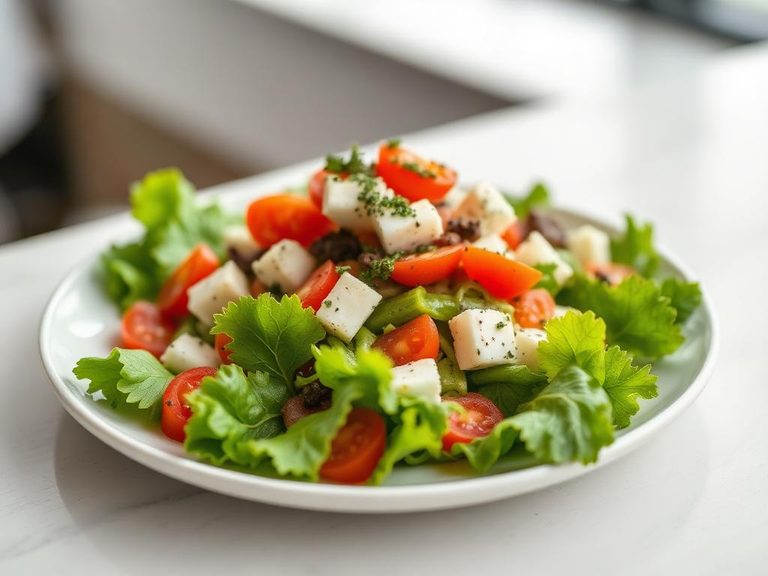
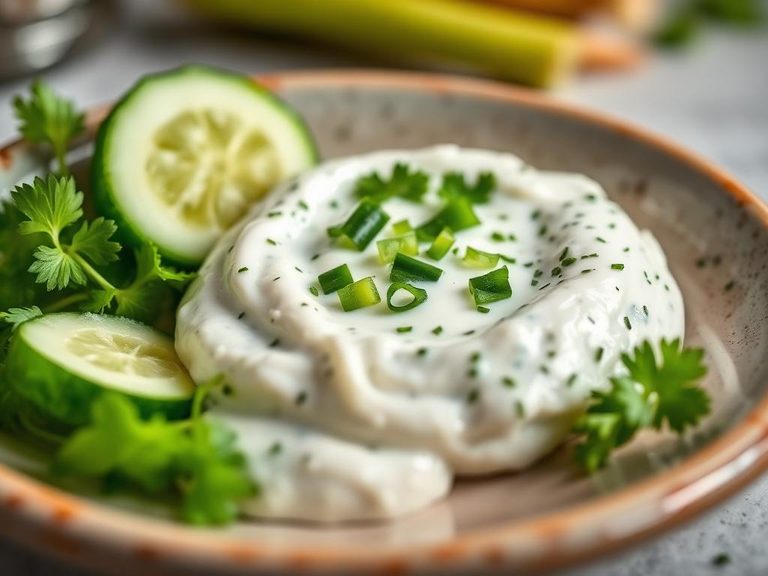
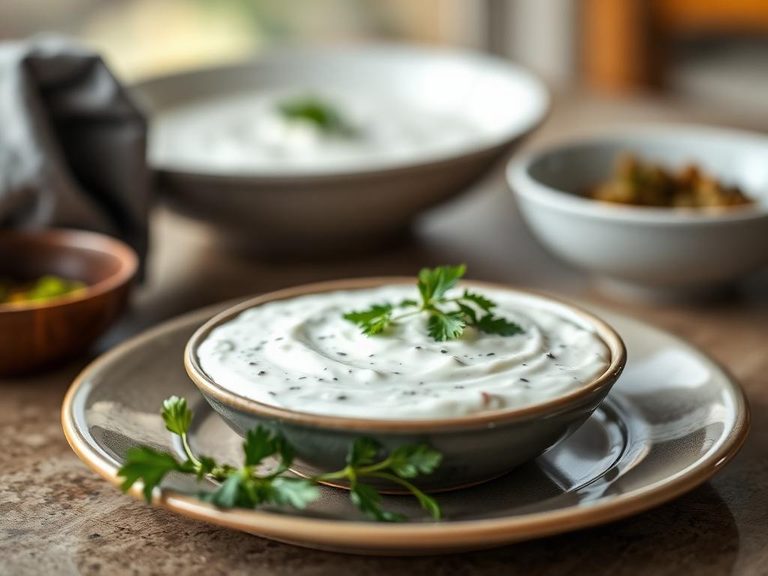
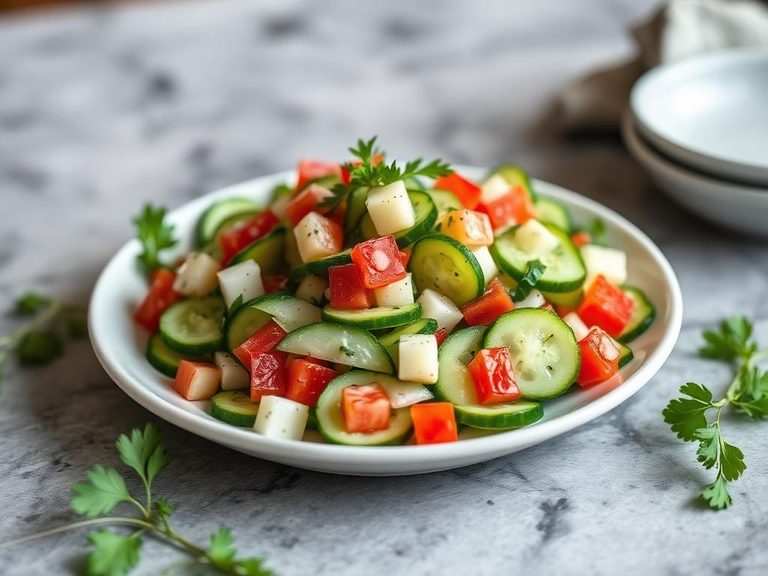
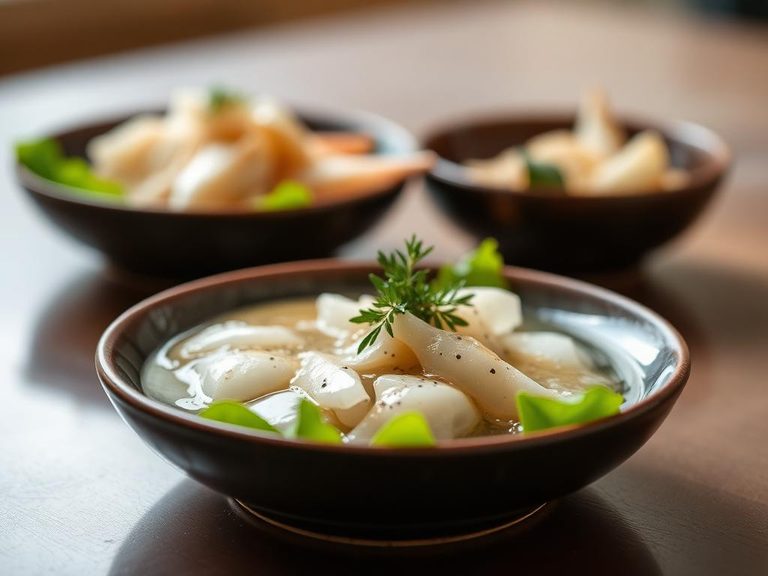
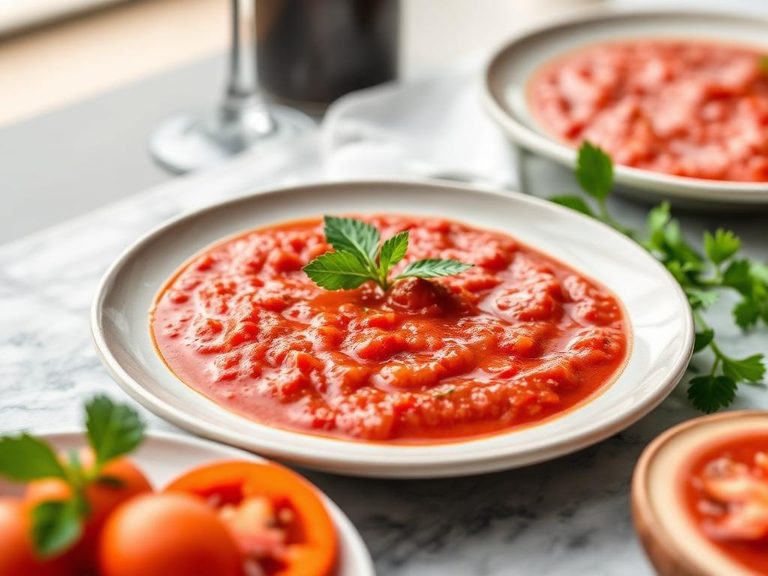
🌍 Where it's eaten
💡 Did you know?
The largest cucumber ever grown was 107 cm (42 inches) long, cultivated by John J. Nolan in 2014.
Full nutrition (USDA data · scales with serving)
| Water | 95.2 g |
| Energy | 15.0 kcal |
| Energy | 65.0 kj |
| Protein | 0.65 g |
| Total lipid (fat) | 0.11 g |
| Ash | 0.38 g |
| Carbohydrate, by difference | 3.6 g |
| Fiber, total dietary | 0.50 g |
| Total Sugars | 1.7 g |
| Sucrose | 0.03 g |
| Glucose | 0.76 g |
| Fructose | 0.87 g |
| Lactose | 0.00 g |
| Maltose | 0.01 g |
| Galactose | 0.00 g |
| Starch | 0.83 g |
| Calcium, Ca | 16.0 mg |
| Iron, Fe | 0.28 mg |
| Magnesium, Mg | 13.0 mg |
| Phosphorus, P | 24.0 mg |
| Potassium, K | 147 mg |
| Sodium, Na | 2.0 mg |
| Zinc, Zn | 0.20 mg |
| Copper, Cu | 0.04 mg |
| Manganese, Mn | 0.08 mg |
| Selenium, Se | 0.30 ug |
| Fluoride, F | 1.3 ug |
| Vitamin C, total ascorbic acid | 2.8 mg |
| Thiamin | 0.03 mg |
| Riboflavin | 0.03 mg |
| Niacin | 0.10 mg |
| Pantothenic acid | 0.26 mg |
| Vitamin B-6 | 0.04 mg |
| Folate, total | 7.0 ug |
| Folic acid | 0.00 ug |
| Folate, food | 7.0 ug |
| Folate, DFE | 7.0 ug |
| Choline, total | 6.0 mg |
| Betaine | 0.10 mg |
| Vitamin B-12 | 0.00 ug |
| Vitamin B-12, added | 0.00 ug |
| Vitamin A, RAE | 5.0 ug |
| Retinol | 0.00 ug |
| Carotene, beta | 45.0 ug |
| Carotene, alpha | 11.0 ug |
| Cryptoxanthin, beta | 26.0 ug |
| Vitamin A, IU | 105 iu |
| Lycopene | 0.00 ug |
| Lutein + zeaxanthin | 23.0 ug |
| Vitamin E (alpha-tocopherol) | 0.03 mg |
| Vitamin E, added | 0.00 mg |
| Tocopherol, beta | 0.01 mg |
| Tocopherol, gamma | 0.03 mg |
| Tocopherol, delta | 0.00 mg |
| Tocotrienol, alpha | 0.04 mg |
| Tocotrienol, beta | 0.00 mg |
| Tocotrienol, gamma | 0.00 mg |
| Tocotrienol, delta | 0.00 mg |
| Vitamin D (D2 + D3), International Units | 0.00 iu |
| Vitamin D (D2 + D3) | 0.00 ug |
| Vitamin K (phylloquinone) | 16.4 ug |
| Vitamin K (Dihydrophylloquinone) | 0.00 ug |
| Alcohol, ethyl | 0.00 g |
| Caffeine | 0.00 mg |
| Theobromine | 0.00 mg |
Fat & fatty acid profile (per 100g)
| Fatty acids, total saturated | 0.04 g |
| SFA 4:0 | 0.00 g |
| SFA 6:0 | 0.00 g |
| SFA 8:0 | 0.00 g |
| SFA 10:0 | 0.00 g |
| SFA 12:0 | 0.00 g |
| SFA 14:0 | 0.01 g |
| SFA 15:0 | 0.00 g |
| SFA 16:0 | 0.03 g |
| SFA 17:0 | 0.00 g |
| SFA 18:0 | 0.01 g |
| SFA 20:0 | 0.00 g |
| SFA 22:0 | 0.00 g |
| SFA 24:0 | 0.00 g |
| Fatty acids, total monounsaturated | 0.01 g |
| MUFA 14:1 | 0.00 g |
| MUFA 15:1 | 0.00 g |
| MUFA 16:1 | 0.00 g |
| MUFA 17:1 | 0.00 g |
| MUFA 18:1 | 0.01 g |
| MUFA 20:1 | 0.00 g |
| MUFA 22:1 | 0.00 g |
| Fatty acids, total polyunsaturated | 0.03 g |
| PUFA 18:2 | 0.03 g |
| PUFA 18:3 | 0.01 g |
| PUFA 18:4 | 0.00 g |
| PUFA 20:2 n-6 c,c | 0.00 g |
| PUFA 20:3 | 0.00 g |
| PUFA 20:4 | 0.00 g |
| PUFA 20:5 n-3 (EPA) | 0.00 g |
| PUFA 22:5 n-3 (DPA) | 0.00 g |
| PUFA 22:6 n-3 (DHA) | 0.00 g |
| Fatty acids, total trans | 0.00 g |
| Cholesterol | 0.00 mg |
| Phytosterols | 14.0 mg |
Amino acid profile (per 100g)
| Tryptophan | 0.01 g |
| Threonine | 0.02 g |
| Isoleucine | 0.02 g |
| Leucine | 0.03 g |
| Lysine | 0.03 g |
| Methionine | 0.01 g |
| Cystine | 0.00 g |
| Phenylalanine | 0.02 g |
| Tyrosine | 0.01 g |
| Valine | 0.02 g |
| Arginine | 0.04 g |
| Histidine | 0.01 g |
| Alanine | 0.02 g |
| Aspartic acid | 0.04 g |
| Glutamic acid | 0.20 g |
| Glycine | 0.02 g |
| Proline | 0.01 g |
| Serine | 0.02 g |
FAQ
Should I peel a cucumber?
Peeling is optional. The peel contains fiber, vitamin K, and antioxidants, but it can be tougher and may hold more pesticide residue. Wash thoroughly if eating unpeeled, or peel if you prefer a milder texture or have digestive sensitivity.
Why do cucumbers sometimes taste bitter?
Bitterness is caused by cucurbitacins, natural compounds concentrated in the skin and stem end. You can reduce bitterness by peeling the cucumber and trimming off the ends.
Are cucumbers a fruit or a vegetable?
Botanically, a cucumber is a fruit because it develops from a flower and contains seeds. In culinary contexts, it is treated and used as a vegetable.
Nutrient density (calculated · NRF9.3)
Nutrient Rich Foods index: beneficial nutrients (protein, fiber, vitamins, minerals) minus saturated fat, added sugar & sodium, per 100 kcal.
NRF9.3 index — Fulgoni, Keast & Drewnowski, 2009. Computed from USDA nutrients.
Weight-loss friendliness (composite index)
Energy density 0.15 kcal/g · 17% calories from protein · 0.5 g fiber · 1.7 g sugar per 100 g.
Composite of energy density (Rolls et al., 1999), protein & fiber satiety, minus sugar. A calculated heuristic — ranks satiety-per-calorie, not a clinical measure.
Dietary load (calculated from USDA values)
Potential renal acid load. Positive = acid-forming, negative = alkaline-forming.
Sodium-to-potassium ratio: 0.01 (lower is better — aim for ≤ 1)
Sodium:potassium per WHO potassium guidance. Computed from USDA nutrients.