

Cabbage, common (danish, domestic, and pointed types), freshly harvest, raw
Whole food · Vegetables and Vegetable Products
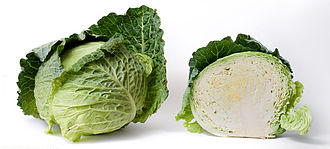
Photo: Wikipedia
Cabbage is a crisp, leafy vegetable with a mild, slightly peppery flavor and a satisfying crunch when raw. Its tightly packed leaves range from pale green to deep purple, and it's remarkably low in calories while being a good source of fiber and vitamin C. This humble vegetable is a global staple, valued for its long shelf life and versatility in both raw and cooked preparations.
Calorie split: 17% protein · 77% carbs · 6% fat
↓ Full nutrition💚 Why it's loved
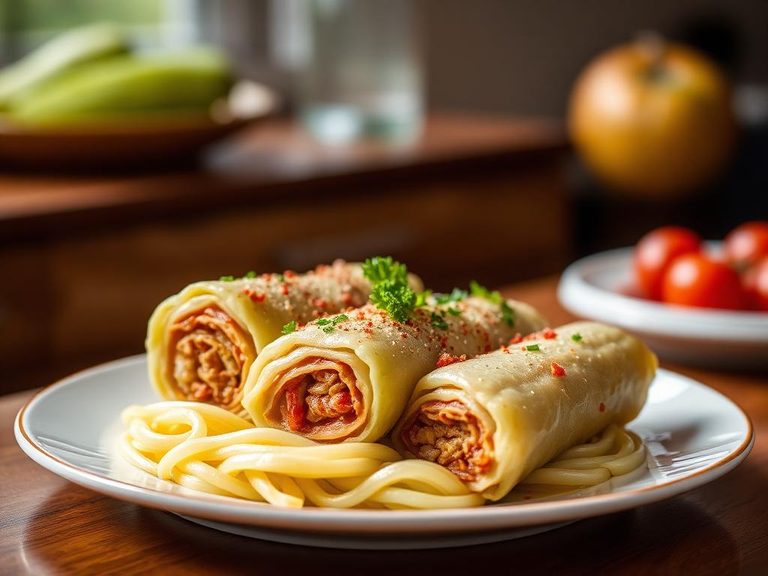
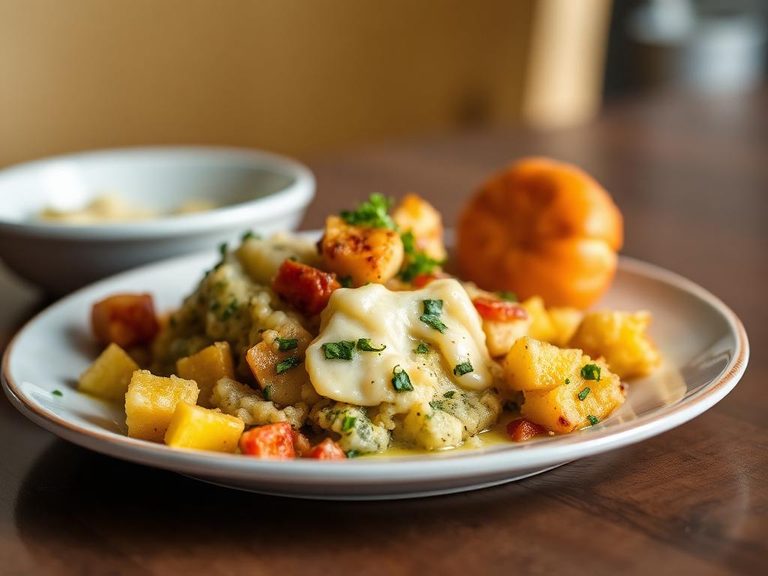
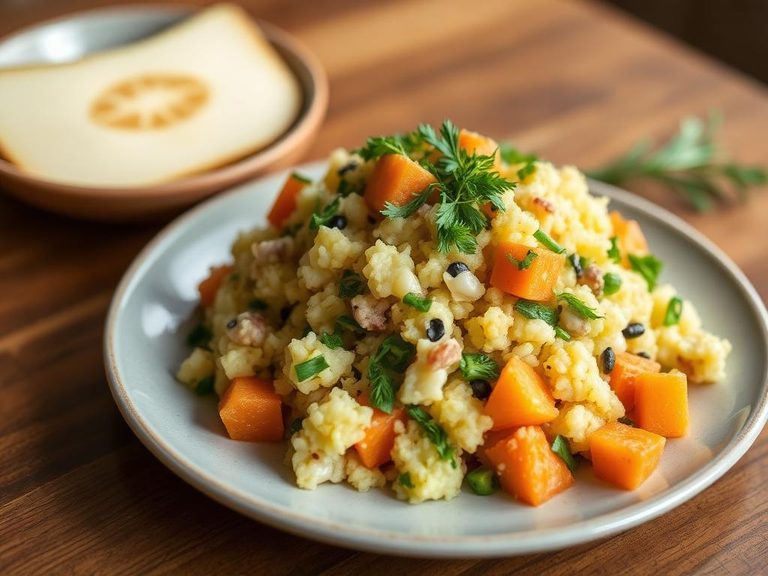
People adore cabbage for its incredible versatility—it can be shredded into a fresh slaw, fermented into tangy sauerkraut, or braised into a comforting, savory dish. Its mild flavor acts as a perfect canvas for bold seasonings and it's a cornerstone of hearty, affordable comfort food across many cultures.
⚠️ Watch-outs & how to enjoy it better
For some, cabbage can cause gas or bloating due to its raffinose content and fiber. Individuals with thyroid conditions may be advised to moderate intake of raw cruciferous vegetables, as they contain goitrogens that can interfere with iodine uptake; cooking cabbage thoroughly can significantly reduce these compounds.
Key benefits
- Excellent source of vitamin C, supporting immune function
- High in fiber, promoting digestive health and satiety
- Contains antioxidants like anthocyanins in red cabbage
- Very low in calories, aiding in weight management
- Provides vitamin K for bone health
🍽️ Popular dishes
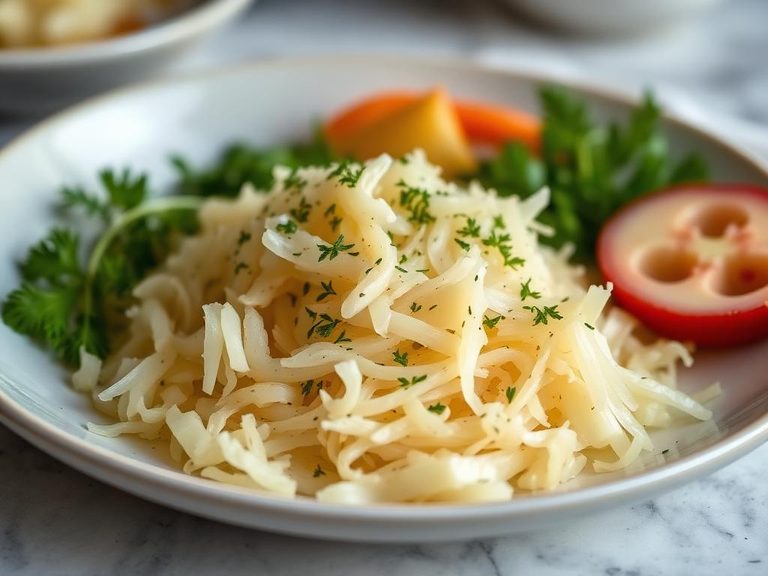
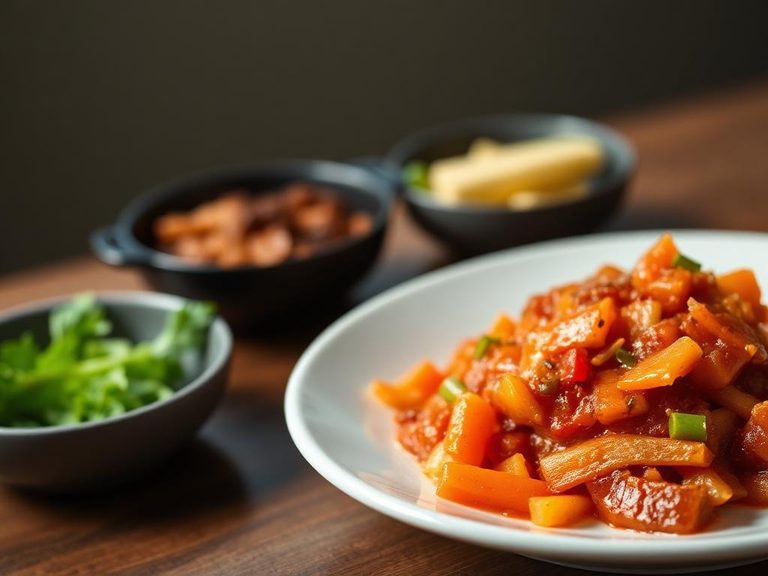
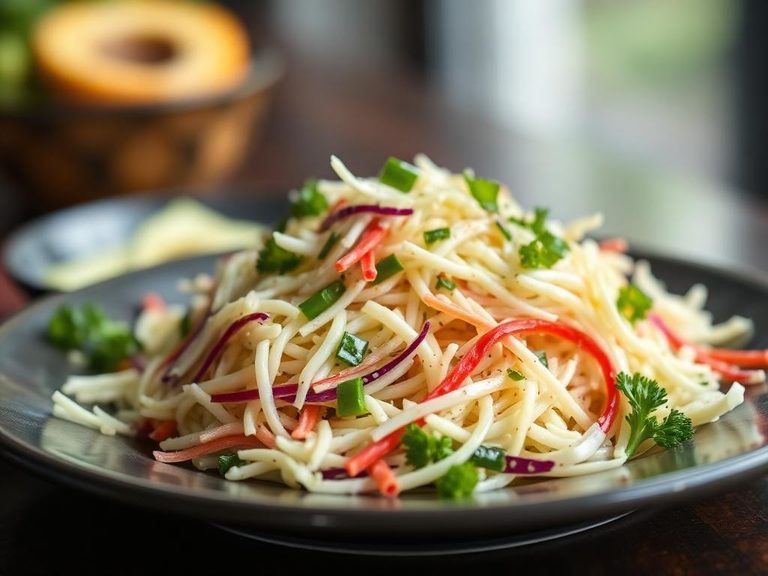
🌍 Where it's eaten
💡 Did you know?
The world's largest cabbage ever grown weighed over 138 pounds (62.71 kg), heavier than most adult humans.
Full nutrition (USDA data · scales with serving)
| Water | 92.5 g |
| Energy | 24.0 kcal |
| Energy | 100 kj |
| Protein | 1.2 g |
| Total lipid (fat) | 0.18 g |
| Ash | 0.72 g |
| Carbohydrate, by difference | 5.4 g |
| Fiber, total dietary | 2.3 g |
| Calcium, Ca | 47.0 mg |
| Iron, Fe | 0.56 mg |
| Magnesium, Mg | 15.0 mg |
| Phosphorus, P | 23.0 mg |
| Potassium, K | 246 mg |
| Sodium, Na | 18.0 mg |
| Zinc, Zn | 0.18 mg |
| Copper, Cu | 0.02 mg |
| Manganese, Mn | 0.16 mg |
| Selenium, Se | 0.90 ug |
| Vitamin C, total ascorbic acid | 51.0 mg |
| Thiamin | 0.05 mg |
| Riboflavin | 0.03 mg |
| Niacin | 0.30 mg |
| Pantothenic acid | 0.14 mg |
| Vitamin B-6 | 0.10 mg |
| Folate, total | 57.0 ug |
| Folic acid | 0.00 ug |
| Folate, food | 57.0 ug |
| Folate, DFE | 57.0 ug |
| Vitamin B-12 | 0.00 ug |
| Vitamin A, RAE | 6.0 ug |
| Retinol | 0.00 ug |
| Vitamin A, IU | 126 iu |
| Vitamin D (D2 + D3), International Units | 0.00 iu |
| Vitamin D (D2 + D3) | 0.00 ug |
Fat & fatty acid profile (per 100g)
| Fatty acids, total saturated | 0.02 g |
| SFA 8:0 | 0.00 g |
| SFA 10:0 | 0.00 g |
| SFA 12:0 | 0.00 g |
| SFA 14:0 | 0.00 g |
| SFA 16:0 | 0.02 g |
| SFA 18:0 | 0.00 g |
| Fatty acids, total monounsaturated | 0.01 g |
| MUFA 16:1 | 0.00 g |
| MUFA 18:1 | 0.01 g |
| Fatty acids, total polyunsaturated | 0.09 g |
| PUFA 18:2 | 0.04 g |
| PUFA 18:3 | 0.05 g |
| PUFA 20:4 | 0.00 g |
| Fatty acids, total trans | 0.00 g |
| Cholesterol | 0.00 mg |
| Phytosterols | 11.0 mg |
Amino acid profile (per 100g)
| Tryptophan | 0.01 g |
| Threonine | 0.04 g |
| Isoleucine | 0.06 g |
| Leucine | 0.06 g |
| Lysine | 0.06 g |
| Methionine | 0.01 g |
| Cystine | 0.01 g |
| Phenylalanine | 0.04 g |
| Tyrosine | 0.02 g |
| Valine | 0.05 g |
| Arginine | 0.07 g |
| Histidine | 0.03 g |
| Alanine | 0.04 g |
| Aspartic acid | 0.12 g |
| Glutamic acid | 0.27 g |
| Glycine | 0.03 g |
| Proline | 0.24 g |
| Serine | 0.07 g |
FAQ
What's the difference between green, red, and savoy cabbage?
Green cabbage is the most common with a dense, smooth head and mild flavor. Red cabbage is slightly peppery, gets its color from antioxidants, and is often used raw for crunch. Savoy cabbage has crinkled, tender leaves and a milder, more delicate taste, making it great for wraps.
How do I store cabbage to keep it fresh?
Keep it unwashed in the crisper drawer of your refrigerator, either in a perforated plastic bag or wrapped loosely in a damp paper towel. A whole head can last for weeks; once cut, wrap the remainder tightly and use within a few days.
Is cooked cabbage as nutritious as raw?
Cooking cabbage can make some nutrients like vitamin C more available for absorption, but it also reduces heat-sensitive vitamins. Different cooking methods have varying effects—steaming preserves more nutrients than boiling, while fermentation (as in sauerkraut) creates beneficial probiotics.
Nutrient density (calculated · NRF9.3)
Nutrient Rich Foods index: beneficial nutrients (protein, fiber, vitamins, minerals) minus saturated fat, added sugar & sodium, per 100 kcal.
NRF9.3 index — Fulgoni, Keast & Drewnowski, 2009. Computed from USDA nutrients.
Weight-loss friendliness (composite index)
Energy density 0.24 kcal/g · 20% calories from protein · 2.3 g fiber · 0.0 g sugar per 100 g.
Composite of energy density (Rolls et al., 1999), protein & fiber satiety, minus sugar. A calculated heuristic — ranks satiety-per-calorie, not a clinical measure.
Dietary load (calculated from USDA values)
Potential renal acid load. Positive = acid-forming, negative = alkaline-forming.
Sodium-to-potassium ratio: 0.07 (lower is better — aim for ≤ 1)
Sodium:potassium per WHO potassium guidance. Computed from USDA nutrients.