

Beverages, almond milk, unsweetened, shelf stable
Whole food · Beverages

Photo: Wikipedia
Unsweetened shelf-stable almond milk is a smooth, creamy, plant-based beverage with a mild, nutty flavor and a light, slightly watery texture. Nutritionally, it's a very low-calorie option, providing just 15 calories per 100ml, with minimal protein and carbohydrates. It's often fortified with calcium and vitamins, making it a popular dairy alternative.
Calorie split: 10% protein · 34% carbs · 56% fat
↓ Full nutrition💚 Why it's loved
People love it for its mild, versatile flavor that blends seamlessly into coffee, smoothies, and cereals without overpowering other ingredients. It's a convenient, dairy-free staple that fits into a wide range of dietary lifestyles and culinary applications.
⚠️ Watch-outs & how to enjoy it better
As a common tree nut allergen, it's unsafe for those with almond allergies. Its low protein and fat content mean it doesn't provide the same satiety or nutritional profile as dairy milk. To counteract this, pair it with a protein source (like in a smoothie with protein powder) or use it in cooking where its texture is an asset, not a nutritional gap.
Key benefits
- Very low in calories (15 kcal/100g)
- Naturally lactose-free and cholesterol-free
- Often fortified with calcium and vitamin D
- Suitable for vegan and plant-based diets
- Shelf-stable for long-term pantry storage
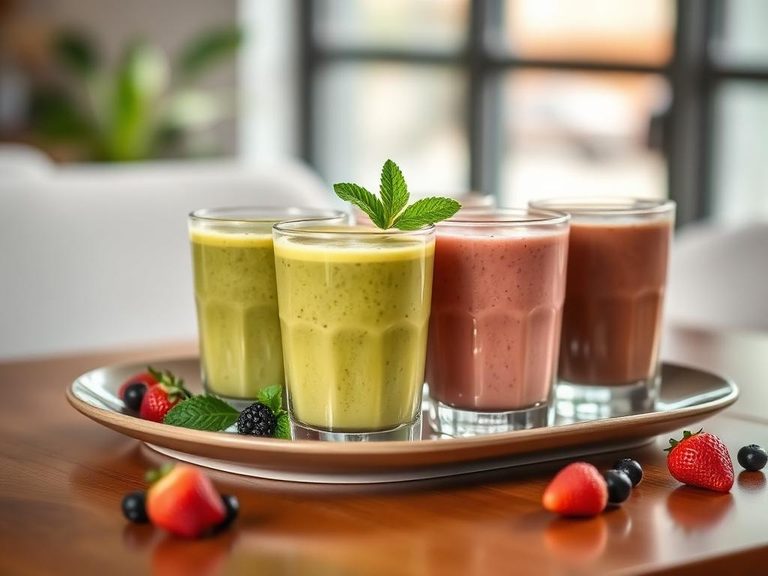
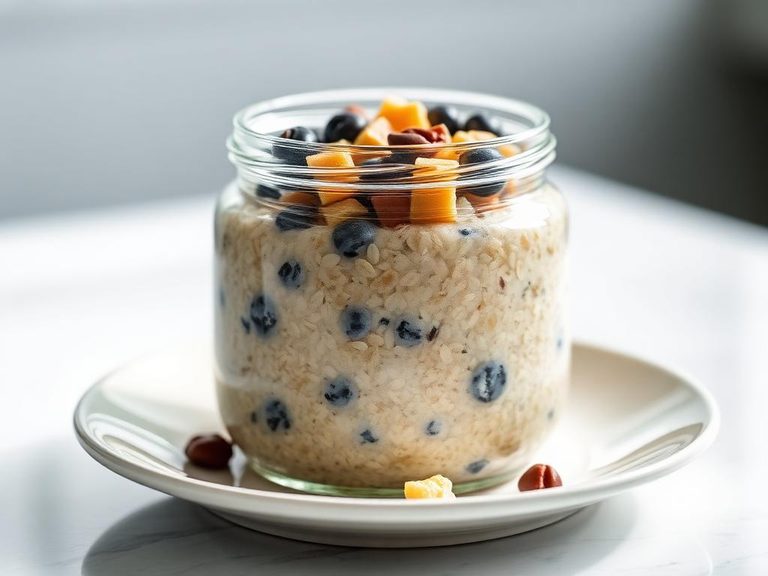
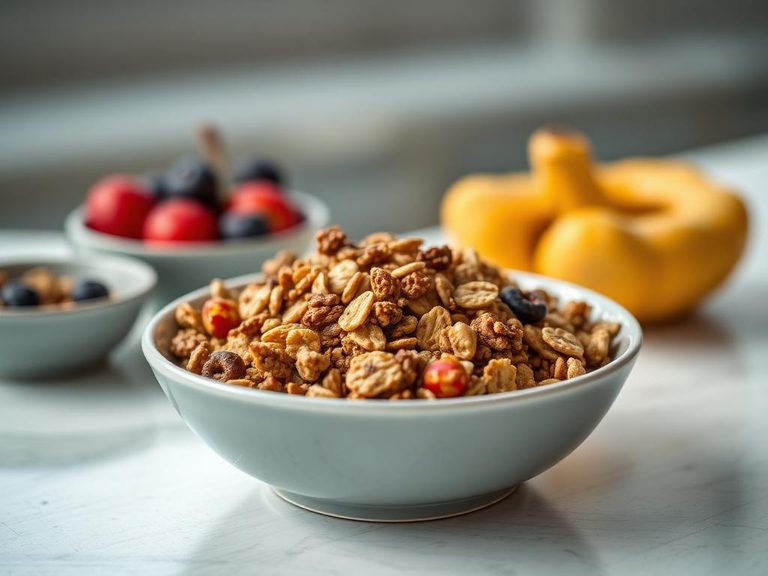
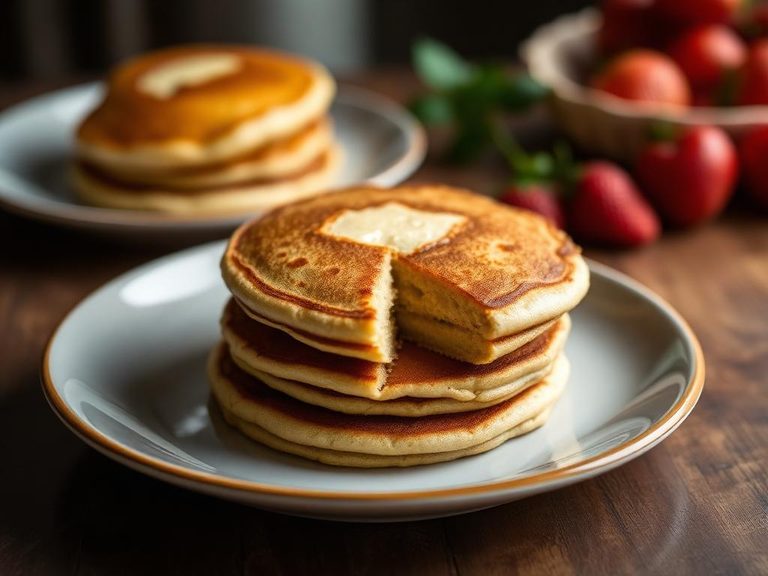
🍽️ Popular dishes

🌍 Where it's eaten
💡 Did you know?
Shelf-stable almond milk is pasteurized and packaged in aseptic cartons, allowing it to be stored unopened at room temperature for months, similar to canned goods.
Full nutrition (USDA data · scales with serving)
| Water | 96.5 g |
| Energy | 15.0 kcal |
| Energy | 65.0 kj |
| Protein | 0.40 g |
| Total lipid (fat) | 0.96 g |
| Ash | 0.79 g |
| Carbohydrate, by difference | 1.3 g |
| Fiber, total dietary | 0.20 g |
| Total Sugars | 0.81 g |
| Sucrose | 0.81 g |
| Glucose | 0.00 g |
| Fructose | 0.00 g |
| Lactose | 0.00 g |
| Maltose | 0.00 g |
| Galactose | 0.00 g |
| Starch | 0.07 g |
| Calcium, Ca | 184 mg |
| Iron, Fe | 0.28 mg |
| Magnesium, Mg | 6.0 mg |
| Phosphorus, P | 9.0 mg |
| Potassium, K | 67.0 mg |
| Sodium, Na | 72.0 mg |
| Zinc, Zn | 0.06 mg |
| Copper, Cu | 0.02 mg |
| Manganese, Mn | 0.04 mg |
| Selenium, Se | 0.10 ug |
| Vitamin C, total ascorbic acid | 0.00 mg |
| Thiamin | 0.00 mg |
| Riboflavin | 0.01 mg |
| Niacin | 0.07 mg |
| Pantothenic acid | 0.01 mg |
| Vitamin B-6 | 0.00 mg |
| Folate, total | 1.0 ug |
| Folic acid | 0.00 ug |
| Folate, food | 1.0 ug |
| Folate, DFE | 1.0 ug |
| Choline, total | 3.1 mg |
| Betaine | 0.00 mg |
| Vitamin B-12 | 0.00 ug |
| Vitamin B-12, added | 0.00 ug |
| Vitamin A, RAE | 0.00 ug |
| Retinol | 0.00 ug |
| Carotene, beta | 0.00 ug |
| Carotene, alpha | 0.00 ug |
| Cryptoxanthin, beta | 0.00 ug |
| Vitamin A, IU | 0.00 iu |
| Lycopene | 0.00 ug |
| Lutein + zeaxanthin | 0.00 ug |
| Vitamin E (alpha-tocopherol) | 6.3 mg |
| Vitamin E, added | 6.3 mg |
| Tocopherol, beta | 0.12 mg |
| Tocopherol, gamma | 0.32 mg |
| Tocopherol, delta | 0.13 mg |
| Tocotrienol, alpha | 0.00 mg |
| Tocotrienol, beta | 0.00 mg |
| Tocotrienol, gamma | 0.00 mg |
| Tocotrienol, delta | 0.00 mg |
| Vitamin D (D2 + D3), International Units | 41.0 iu |
| Vitamin D (D2 + D3) | 1.0 ug |
| Vitamin D2 (ergocalciferol) | 0.00 ug |
| Vitamin D3 (cholecalciferol) | 1.0 ug |
| Vitamin K (phylloquinone) | 0.00 ug |
| Vitamin K (Dihydrophylloquinone) | 0.10 ug |
| Vitamin K (Menaquinone-4) | 0.00 ug |
| Alcohol, ethyl | 0.00 g |
| Caffeine | 0.00 mg |
| Theobromine | 0.00 mg |
Fat & fatty acid profile (per 100g)
| Fatty acids, total saturated | 0.08 g |
| SFA 4:0 | 0.00 g |
| SFA 6:0 | 0.00 g |
| SFA 8:0 | 0.00 g |
| SFA 10:0 | 0.00 g |
| SFA 12:0 | 0.00 g |
| SFA 14:0 | 0.00 g |
| SFA 15:0 | 0.00 g |
| SFA 16:0 | 0.07 g |
| SFA 17:0 | 0.00 g |
| SFA 18:0 | 0.02 g |
| SFA 20:0 | 0.00 g |
| SFA 22:0 | 0.00 g |
| SFA 24:0 | 0.00 g |
| Fatty acids, total monounsaturated | 0.59 g |
| MUFA 14:1 | 0.00 g |
| MUFA 15:1 | 0.00 g |
| MUFA 16:1 | 0.01 g |
| MUFA 16:1 c | 0.01 g |
| MUFA 17:1 | 0.00 g |
| MUFA 18:1 | 0.56 g |
| MUFA 18:1 c | 0.56 g |
| MUFA 20:1 | 0.00 g |
| MUFA 22:1 | 0.00 g |
| MUFA 22:1 c | 0.00 g |
| MUFA 24:1 c | 0.00 g |
| Fatty acids, total polyunsaturated | 0.24 g |
| PUFA 18:2 | 0.25 g |
| PUFA 18:2 n-6 c,c | 0.25 g |
| PUFA 18:2 CLAs | 0.00 g |
| PUFA 18:3 | 0.00 g |
| PUFA 18:3 n-3 c,c,c (ALA) | 0.00 g |
| PUFA 18:3 n-6 c,c,c | 0.00 g |
| PUFA 18:3i | 0.00 g |
| PUFA 18:4 | 0.00 g |
| PUFA 20:2 n-6 c,c | 0.00 g |
| PUFA 20:3 | 0.00 g |
| PUFA 20:3 n-3 | 0.00 g |
| PUFA 20:3 n-6 | 0.00 g |
| PUFA 20:4 | 0.00 g |
| PUFA 20:5 n-3 (EPA) | 0.00 g |
| PUFA 22:4 | 0.00 g |
| PUFA 22:5 n-3 (DPA) | 0.00 g |
| PUFA 22:6 n-3 (DHA) | 0.00 g |
| Fatty acids, total trans | 0.00 g |
| Fatty acids, total trans-monoenoic | 0.00 g |
| TFA 16:1 t | 0.00 g |
| TFA 18:1 t | 0.00 g |
| TFA 22:1 t | 0.00 g |
| TFA 18:2 t not further defined | 0.00 g |
| Fatty acids, total trans-polyenoic | 0.00 g |
| Cholesterol | 0.00 mg |
Amino acid profile (per 100g)
Estimated from Beverages, carbonated, tonic water — USDA does not publish this profile for Beverages.
| Tryptophan | 0.00 g |
| Threonine | 0.00 g |
| Isoleucine | 0.00 g |
| Leucine | 0.00 g |
| Lysine | 0.00 g |
| Methionine | 0.00 g |
| Cystine | 0.00 g |
| Phenylalanine | 0.00 g |
| Tyrosine | 0.00 g |
| Valine | 0.00 g |
| Arginine | 0.00 g |
| Histidine | 0.00 g |
| Alanine | 0.00 g |
| Aspartic acid | 0.00 g |
| Glutamic acid | 0.00 g |
| Glycine | 0.00 g |
| Proline | 0.00 g |
| Serine | 0.00 g |
FAQ
Why is shelf-stable almond milk different from refrigerated?
Shelf-stable versions undergo ultra-pasteurization (UHT) and are packaged in aseptic cartons, killing all bacteria and sealing out contaminants. This allows them to be stored unopened at room temperature until opened.
Is unsweetened almond milk a good source of protein?
No, it is very low in protein (about 0.4g per 100g). It is not a substitute for dairy or soy milk if you're looking for a high-protein beverage.
Can I use it for cooking and baking?
Yes, it's excellent for adding moisture and a subtle nutty flavor to baked goods, soups, and sauces. However, its low fat and protein content means it won't thicken or brown the same way dairy milk does.
Nutrient density (calculated · NRF9.3)
Nutrient Rich Foods index: beneficial nutrients (protein, fiber, vitamins, minerals) minus saturated fat, added sugar & sodium, per 100 kcal.
NRF9.3 index — Fulgoni, Keast & Drewnowski, 2009. Computed from USDA nutrients.
Weight-loss friendliness (composite index)
Energy density 0.15 kcal/g · 11% calories from protein · 0.2 g fiber · 0.8 g sugar per 100 g.
Composite of energy density (Rolls et al., 1999), protein & fiber satiety, minus sugar. A calculated heuristic — ranks satiety-per-calorie, not a clinical measure.
Dietary load (calculated from USDA values)
Potential renal acid load. Positive = acid-forming, negative = alkaline-forming.
Sodium-to-potassium ratio: 1.07 (lower is better — aim for ≤ 1)
Sodium:potassium per WHO potassium guidance. Computed from USDA nutrients.