

Beverages, carbonated, cola, regular
Whole food · Beverages
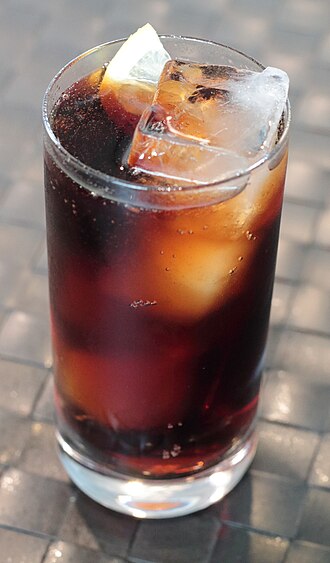
Photo: Wikipedia
This is the classic, effervescent cola soda, a deep caramel-colored carbonated beverage with a sweet, complex flavor profile blending vanilla, cinnamon, and citrus notes. Its signature fizz provides a sharp, tingling mouthfeel that cleanses the palate. Nutritionally, it is a concentrated source of simple sugars, delivering about 10 grams per 100ml, with virtually no protein, fat, or fiber.
Calorie split: 0% protein · 95% carbs · 5% fat
↓ Full nutrition💚 Why it's loved
People love it for its iconic, refreshing sweetness and the satisfying tingle of carbonation that cuts through heat or rich foods. It's deeply embedded in pop culture as a casual, nostalgic drink for meals, movie nights, and social gatherings.
⚠️ Watch-outs & how to enjoy it better
The high sugar content can lead to rapid blood-sugar spikes and is a primary concern for those monitoring caloric or sugar intake. To mitigate, pair it with a meal containing protein and fiber to slow absorption, or opt for a smaller portion. The caffeine may also disrupt sleep or cause jitters in sensitive individuals; consider decaffeinated versions or consumption earlier in the day.
Key benefits
- Provides a quick source of energy from carbohydrates.
- The caffeine content can offer a temporary mental alertness boost.
- Serves as a popular mixer in cocktails and mocktails.
- Its carbonation can aid in relieving mild indigestion for some.
- A widely available, consistent-tasting comfort beverage.
🍽️ Popular dishes
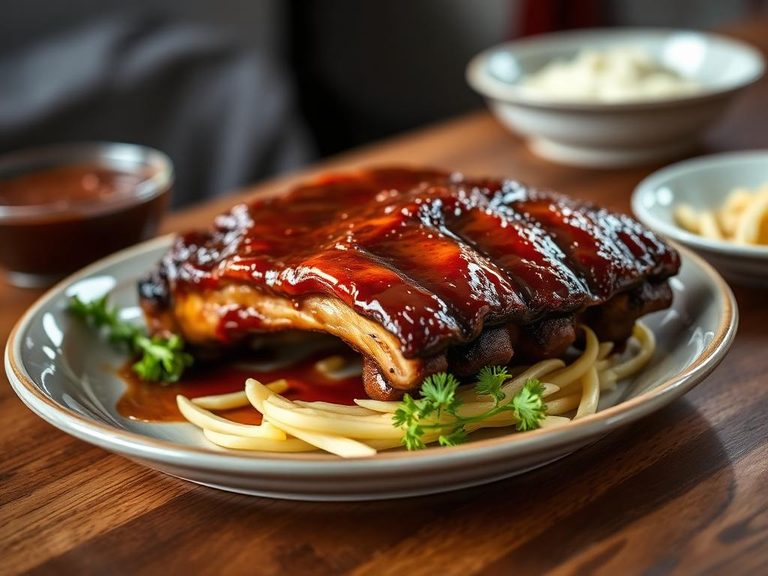

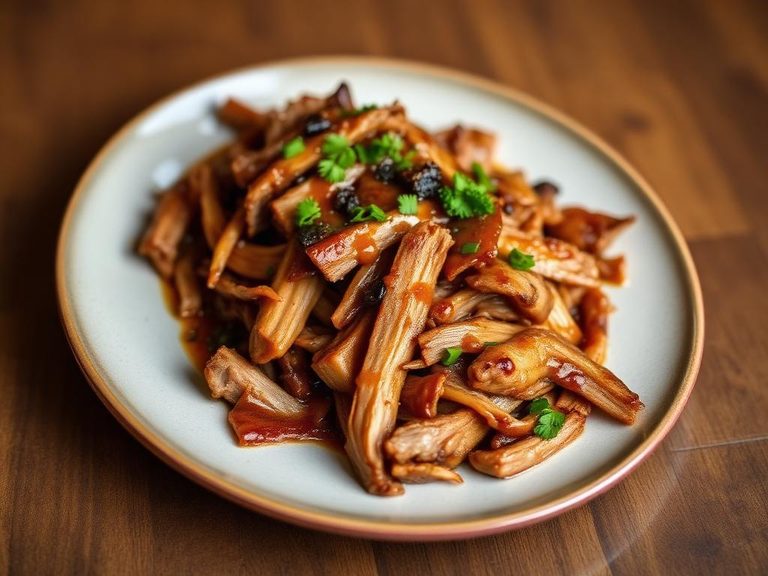
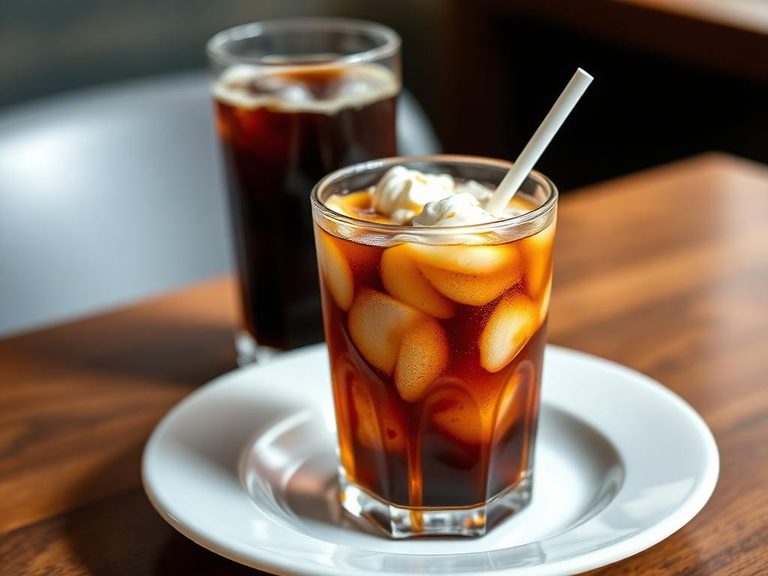
🌍 Where it's eaten
💡 Did you know?
The original 19th-century cola recipes were marketed as patent medicines and contained trace amounts of cocaine from coca leaf extract, which was removed by the early 1900s.
Full nutrition (USDA data · scales with serving)
| Water | 89.4 g |
| Energy | 42.0 kcal |
| Energy | 176 kj |
| Protein | 0.00 g |
| Total lipid (fat) | 0.25 g |
| Ash | 0.04 g |
| Carbohydrate, by difference | 10.4 g |
| Fiber, total dietary | 0.00 g |
| Total Sugars | 9.9 g |
| Sucrose | 0.00 g |
| Glucose | 4.1 g |
| Fructose | 5.8 g |
| Lactose | 0.00 g |
| Maltose | 0.00 g |
| Galactose | 0.00 g |
| Calcium, Ca | 1.0 mg |
| Iron, Fe | 0.02 mg |
| Magnesium, Mg | 0.00 mg |
| Phosphorus, P | 9.0 mg |
| Potassium, K | 5.0 mg |
| Sodium, Na | 3.0 mg |
| Zinc, Zn | 0.09 mg |
| Copper, Cu | 0.01 mg |
| Manganese, Mn | 0.00 mg |
| Selenium, Se | 0.10 ug |
| Vitamin C, total ascorbic acid | 0.00 mg |
| Thiamin | 0.00 mg |
| Riboflavin | 0.00 mg |
| Niacin | 0.00 mg |
| Pantothenic acid | 0.00 mg |
| Vitamin B-6 | 0.00 mg |
| Folate, total | 0.00 ug |
| Folic acid | 0.00 ug |
| Folate, food | 0.00 ug |
| Folate, DFE | 0.00 ug |
| Choline, total | 0.30 mg |
| Vitamin B-12 | 0.00 ug |
| Vitamin B-12, added | 0.00 ug |
| Vitamin A, RAE | 0.00 ug |
| Retinol | 0.00 ug |
| Carotene, beta | 0.00 ug |
| Carotene, alpha | 0.00 ug |
| Cryptoxanthin, beta | 0.00 ug |
| Vitamin A, IU | 0.00 iu |
| Lycopene | 0.00 ug |
| Lutein + zeaxanthin | 0.00 ug |
| Vitamin E (alpha-tocopherol) | 0.00 mg |
| Vitamin E, added | 0.00 mg |
| Vitamin D (D2 + D3), International Units | 0.00 iu |
| Vitamin D (D2 + D3) | 0.00 ug |
| Vitamin K (phylloquinone) | 0.00 ug |
| Alcohol, ethyl | 0.00 g |
| Caffeine | 9.0 mg |
| Theobromine | 0.00 mg |
Fat & fatty acid profile (per 100g)
| Fatty acids, total saturated | 0.00 g |
| SFA 4:0 | 0.00 g |
| SFA 6:0 | 0.00 g |
| SFA 8:0 | 0.00 g |
| SFA 10:0 | 0.00 g |
| SFA 12:0 | 0.00 g |
| SFA 14:0 | 0.00 g |
| SFA 16:0 | 0.00 g |
| SFA 18:0 | 0.00 g |
| Fatty acids, total monounsaturated | 0.00 g |
| MUFA 16:1 | 0.00 g |
| MUFA 18:1 | 0.00 g |
| MUFA 20:1 | 0.00 g |
| MUFA 22:1 | 0.00 g |
| Fatty acids, total polyunsaturated | 0.00 g |
| PUFA 18:2 | 0.00 g |
| PUFA 18:3 | 0.00 g |
| PUFA 18:4 | 0.00 g |
| PUFA 20:4 | 0.00 g |
| PUFA 20:5 n-3 (EPA) | 0.00 g |
| PUFA 22:5 n-3 (DPA) | 0.00 g |
| PUFA 22:6 n-3 (DHA) | 0.00 g |
| Fatty acids, total trans | 0.00 g |
| Cholesterol | 0.00 mg |
Amino acid profile (per 100g)
Estimated from Beverages, carbonated, tonic water — USDA does not publish this profile for Beverages.
| Tryptophan | 0.00 g |
| Threonine | 0.00 g |
| Isoleucine | 0.00 g |
| Leucine | 0.00 g |
| Lysine | 0.00 g |
| Methionine | 0.00 g |
| Cystine | 0.00 g |
| Phenylalanine | 0.00 g |
| Tyrosine | 0.00 g |
| Valine | 0.00 g |
| Arginine | 0.00 g |
| Histidine | 0.00 g |
| Alanine | 0.00 g |
| Aspartic acid | 0.00 g |
| Glutamic acid | 0.00 g |
| Glycine | 0.00 g |
| Proline | 0.00 g |
| Serine | 0.00 g |
FAQ
What gives cola its distinctive flavor?
The exact recipe is a trade secret, but the flavor is a blend of essential oils (like orange, lemon, and lime), spices (cinnamon, nutmeg), and vanilla, mixed with caramel color and phosphoric acid for tartness.
Is the caffeine in cola natural?
The caffeine is typically added as a purified, synthetic ingredient during manufacturing, not naturally occurring from the kola nut in modern mass-produced colas.
Why does cola sometimes taste different from a glass bottle vs. a can?
Perceived taste differences can be due to the container material. Glass is inert and doesn't interact with the drink, while aluminum cans have a polymer lining. Some believe the shape of the bottle also affects the aroma and drinking experience.
Nutrient density (calculated · NRF9.3)
Nutrient Rich Foods index: beneficial nutrients (protein, fiber, vitamins, minerals) minus saturated fat, added sugar & sodium, per 100 kcal.
NRF9.3 index — Fulgoni, Keast & Drewnowski, 2009. Computed from USDA nutrients.
Weight-loss friendliness (composite index)
Energy density 0.42 kcal/g · 0% calories from protein · 0.0 g fiber · 9.9 g sugar per 100 g.
Composite of energy density (Rolls et al., 1999), protein & fiber satiety, minus sugar. A calculated heuristic — ranks satiety-per-calorie, not a clinical measure.
Dietary load (calculated from USDA values)
Potential renal acid load. Positive = acid-forming, negative = alkaline-forming.
Sodium-to-potassium ratio: 0.60 (lower is better — aim for ≤ 1)
Sodium:potassium per WHO potassium guidance. Computed from USDA nutrients.