

Alcoholic beverage, distilled, all (gin, rum, vodka, whiskey) 86 proof
Whole food · Beverages
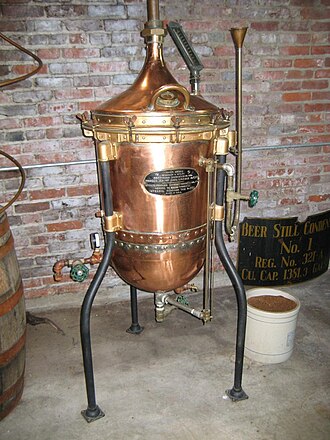
Photo: Wikipedia
This is the potent, clear-to-amber spirit at the heart of countless cocktails, from a crisp Martini to a smoky Old Fashioned. It delivers a clean, fiery burn with nuanced flavors ranging from juniper and citrus to caramel and vanilla, depending on the base grain or botanicals. Nutritionally, it's a source of pure 'empty' calories, providing energy (250 kcal per 100g) with zero protein, fat, or carbohydrates.
Calorie split: 0% protein · 100% carbs · 0% fat
↓ Full nutrition💚 Why it's loved
People love it for its incredible versatility and the way it acts as a canvas for complex flavors, whether sipped neat or mixed into a bespoke cocktail. Its deep cultural roots in social gatherings, celebrations, and culinary traditions worldwide make it a symbol of conviviality and craft.
⚠️ Watch-outs & how to enjoy it better
The primary downside is its high caloric density from alcohol (7 kcal per gram) and its potential to impair judgment and health with excessive consumption. For those watching blood sugar, it can cause spikes when mixed with sugary syrups or sodas. A concrete tip is to choose 'up' drinks (shaken/strained, no ice dilution) with fresh citrus or soda water, and to alternate alcoholic drinks with a glass of water.
Key benefits
- Zero carbohydrates, sugar, and fat
- Contains no gluten if distilled from gluten-free sources like potatoes or corn
- A key ingredient in a vast array of classic and modern cocktails
- Can be part of moderate social rituals in many cultures
🍽️ Popular dishes
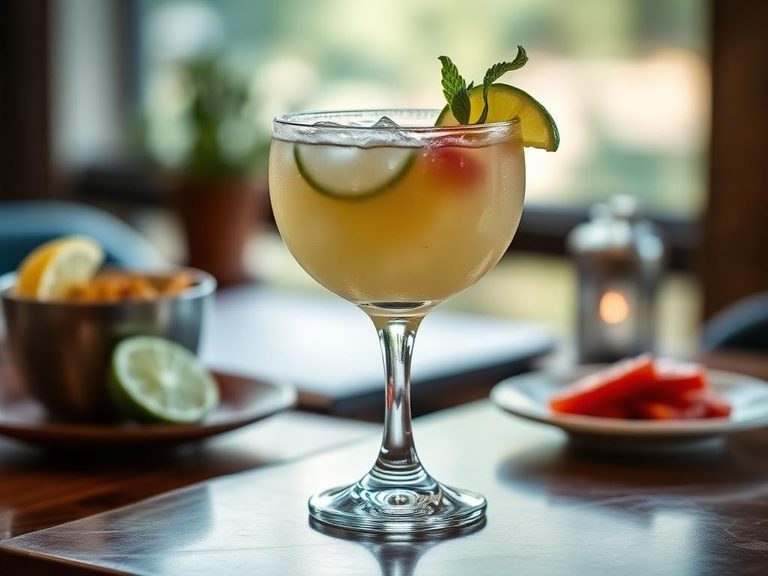
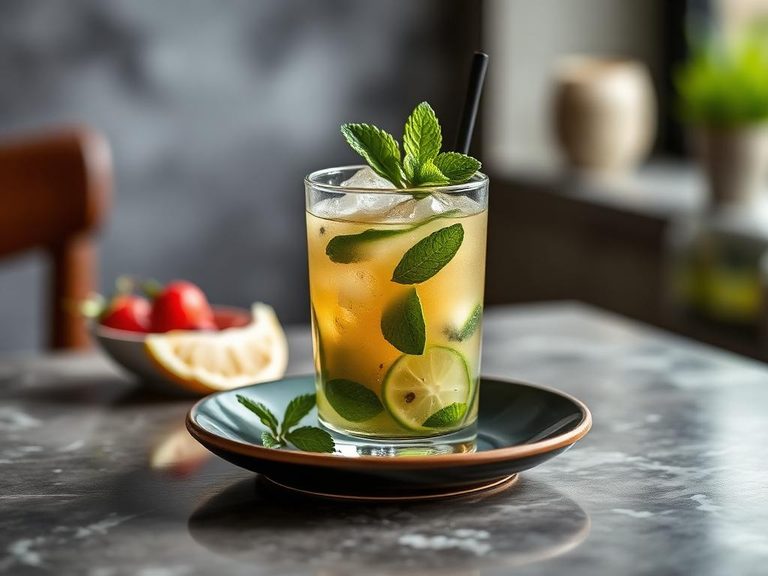
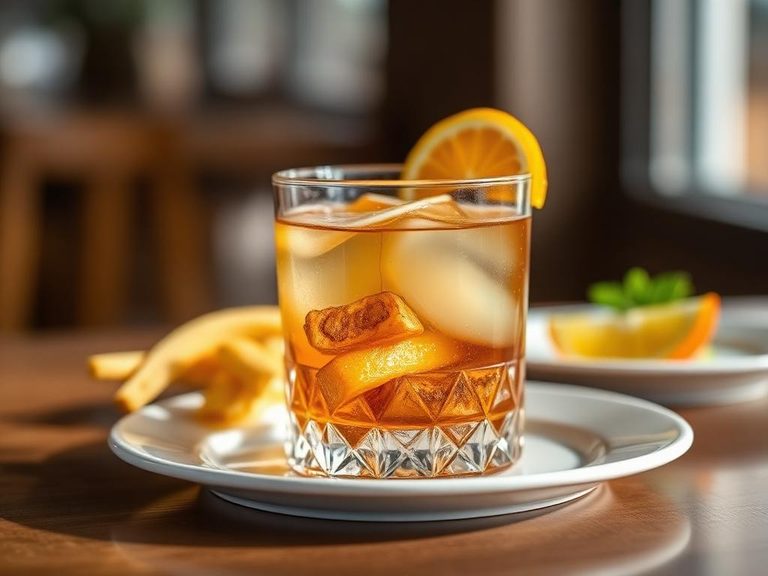
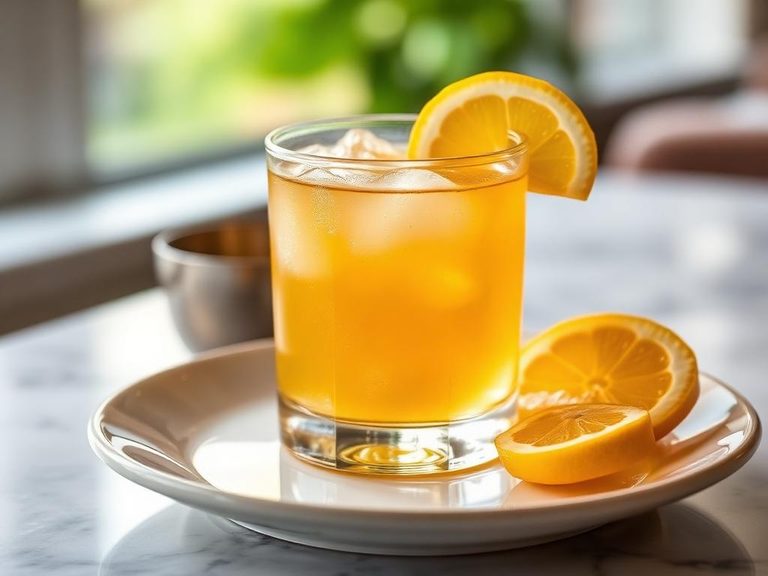
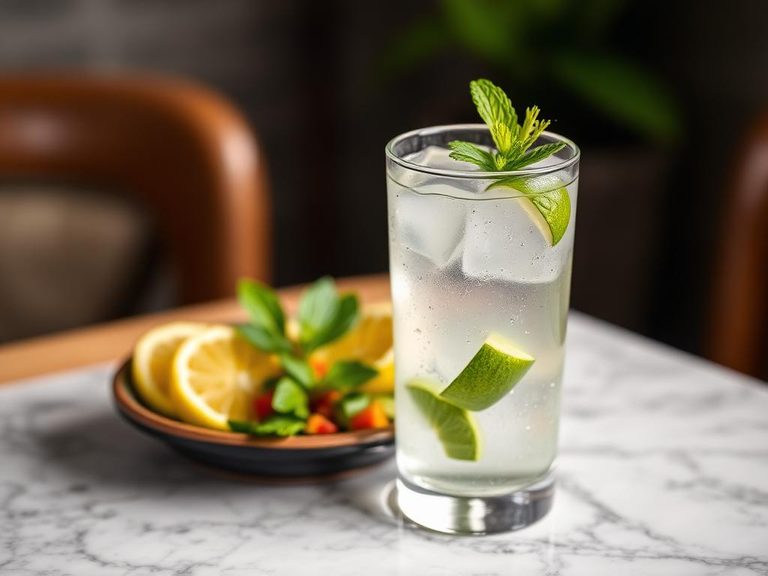
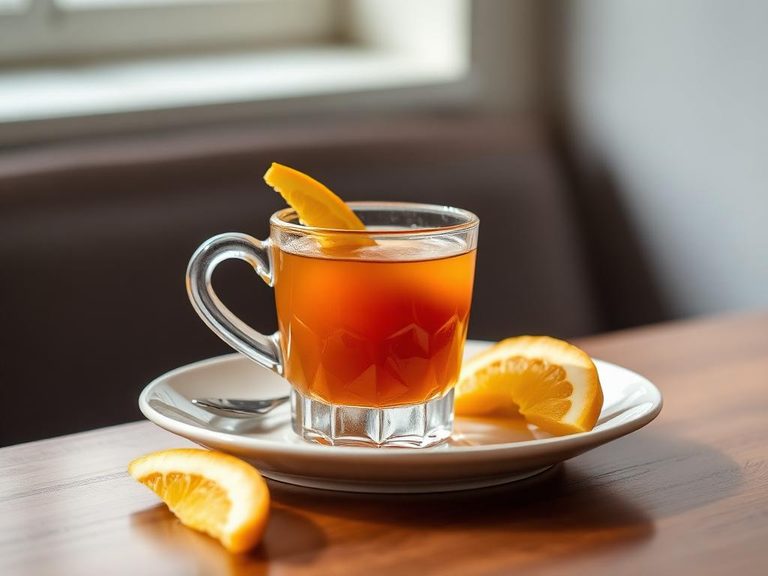
🌍 Where it's eaten
💡 Did you know?
The term 'proof' originated in 16th-century England, where sailors would test the strength of rum by soaking a gunpowder pellet in it; if the gunpowder still ignited, the rum was 'proven' to be over 57% alcohol by volume.
Full nutrition (USDA data · scales with serving)
| Water | 63.9 g |
| Energy | 250 kcal |
| Energy | 1046 kj |
| Protein | 0.00 g |
| Total lipid (fat) | 0.00 g |
| Ash | 0.01 g |
| Carbohydrate, by difference | 0.10 g |
| Fiber, total dietary | 0.00 g |
| Total Sugars | 0.00 g |
| Calcium, Ca | 0.00 mg |
| Iron, Fe | 0.04 mg |
| Magnesium, Mg | 0.00 mg |
| Phosphorus, P | 4.0 mg |
| Potassium, K | 2.0 mg |
| Sodium, Na | 1.0 mg |
| Zinc, Zn | 0.04 mg |
| Copper, Cu | 0.02 mg |
| Manganese, Mn | 0.02 mg |
| Selenium, Se | 0.00 ug |
| Vitamin C, total ascorbic acid | 0.00 mg |
| Thiamin | 0.01 mg |
| Riboflavin | 0.00 mg |
| Niacin | 0.01 mg |
| Pantothenic acid | 0.00 mg |
| Vitamin B-6 | 0.00 mg |
| Folate, total | 0.00 ug |
| Folic acid | 0.00 ug |
| Folate, food | 0.00 ug |
| Folate, DFE | 0.00 ug |
| Choline, total | 0.00 mg |
| Vitamin B-12 | 0.00 ug |
| Vitamin B-12, added | 0.00 ug |
| Vitamin A, RAE | 0.00 ug |
| Retinol | 0.00 ug |
| Carotene, beta | 0.00 ug |
| Carotene, alpha | 0.00 ug |
| Cryptoxanthin, beta | 0.00 ug |
| Vitamin A, IU | 0.00 iu |
| Lycopene | 0.00 ug |
| Lutein + zeaxanthin | 0.00 ug |
| Vitamin E (alpha-tocopherol) | 0.00 mg |
| Vitamin E, added | 0.00 mg |
| Vitamin D (D2 + D3), International Units | 0.00 iu |
| Vitamin D (D2 + D3) | 0.00 ug |
| Vitamin K (phylloquinone) | 0.00 ug |
| Alcohol, ethyl | 36.0 g |
| Caffeine | 0.00 mg |
| Theobromine | 0.00 mg |
Fat & fatty acid profile (per 100g)
| Fatty acids, total saturated | 0.00 g |
| SFA 4:0 | 0.00 g |
| SFA 6:0 | 0.00 g |
| SFA 8:0 | 0.00 g |
| SFA 10:0 | 0.00 g |
| SFA 12:0 | 0.00 g |
| SFA 14:0 | 0.00 g |
| SFA 16:0 | 0.00 g |
| SFA 18:0 | 0.00 g |
| Fatty acids, total monounsaturated | 0.00 g |
| MUFA 16:1 | 0.00 g |
| MUFA 18:1 | 0.00 g |
| MUFA 20:1 | 0.00 g |
| MUFA 22:1 | 0.00 g |
| Fatty acids, total polyunsaturated | 0.00 g |
| PUFA 18:2 | 0.00 g |
| PUFA 18:3 | 0.00 g |
| PUFA 18:4 | 0.00 g |
| PUFA 20:4 | 0.00 g |
| PUFA 20:5 n-3 (EPA) | 0.00 g |
| PUFA 22:5 n-3 (DPA) | 0.00 g |
| PUFA 22:6 n-3 (DHA) | 0.00 g |
| Fatty acids, total trans | 0.00 g |
| Cholesterol | 0.00 mg |
Amino acid profile (per 100g)
| Tryptophan | 0.00 g |
| Threonine | 0.00 g |
| Isoleucine | 0.00 g |
| Leucine | 0.00 g |
| Lysine | 0.00 g |
| Methionine | 0.00 g |
| Cystine | 0.00 g |
| Phenylalanine | 0.00 g |
| Tyrosine | 0.00 g |
| Valine | 0.00 g |
| Arginine | 0.00 g |
| Histidine | 0.00 g |
| Alanine | 0.00 g |
| Aspartic acid | 0.00 g |
| Glutamic acid | 0.00 g |
| Glycine | 0.00 g |
| Proline | 0.00 g |
| Serine | 0.00 g |
FAQ
What does '86 proof' mean?
Proof is a measure of alcohol content that is double the percentage of alcohol by volume (ABV). So, 86 proof equals 43% ABV, which is a standard strength for many spirits.
Does distilled alcohol contain carbohydrates?
No. The distillation process removes virtually all carbohydrates, proteins, and fats, leaving behind nearly pure ethanol and water, along with flavor compounds.
Is this type of alcohol gluten-free?
Spirals distilled from gluten-containing grains (like wheat for vodka or barley for whiskey) are generally considered gluten-free due to the distillation process. However, those with severe celiac disease may opt for spirits distilled from gluten-free sources like potatoes, corn, or sugarcane for absolute certainty.
Nutrient density (calculated · NRF9.3)
Nutrient Rich Foods index: beneficial nutrients (protein, fiber, vitamins, minerals) minus saturated fat, added sugar & sodium, per 100 kcal.
NRF9.3 index — Fulgoni, Keast & Drewnowski, 2009. Computed from USDA nutrients.
Weight-loss friendliness (composite index)
Energy density 2.50 kcal/g · 0% calories from protein · 0.0 g fiber · 0.0 g sugar per 100 g.
Composite of energy density (Rolls et al., 1999), protein & fiber satiety, minus sugar. A calculated heuristic — ranks satiety-per-calorie, not a clinical measure.
Dietary load (calculated from USDA values)
Potential renal acid load. Positive = acid-forming, negative = alkaline-forming.
Sodium-to-potassium ratio: 0.50 (lower is better — aim for ≤ 1)
Sodium:potassium per WHO potassium guidance. Computed from USDA nutrients.