

Lemon juice from concentrate, canned or bottled
Whole food · Fruits and Fruit Juices

Photo: Wikipedia
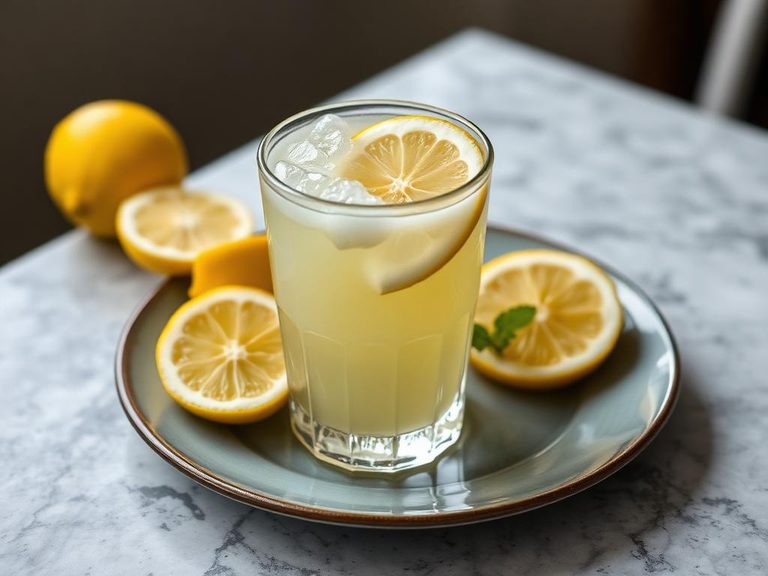
This is lemon juice that has been concentrated by removing water, then reconstituted and sealed in a can or bottle for shelf stability. It delivers a sharp, tangy, and intensely sour punch with a thin, watery texture, and is nutritionally notable for being a very low-calorie source of vitamin C.
Calorie split: 7% protein · 90% carbs · 3% fat
↓ Full nutrition💚 Why it's loved
People love it for delivering a consistent, powerful burst of bright acidity that can instantly brighten a dish or drink, all without the hassle of squeezing fresh fruit. Its versatility as a flavor enhancer, preservative, and cleaning agent makes it a kitchen staple.
⚠️ Watch-outs & how to enjoy it better
Its high acidity can erode tooth enamel or aggravate acid reflux in sensitive individuals. To counteract this, always dilute it with water or other liquids, drink it through a straw, and rinse your mouth with plain water afterward; avoid brushing teeth immediately.
Key benefits
- Excellent source of vitamin C for immune support
- Adds potent flavor with negligible calories and fat
- Contains citric acid which may aid mineral absorption
- Convenient and shelf-stable for consistent use
- Can act as a natural preservative or acidulant in cooking
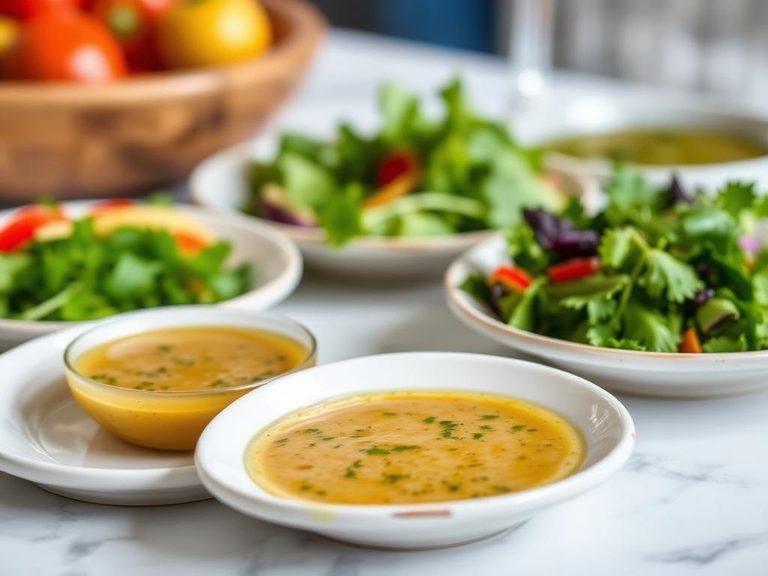
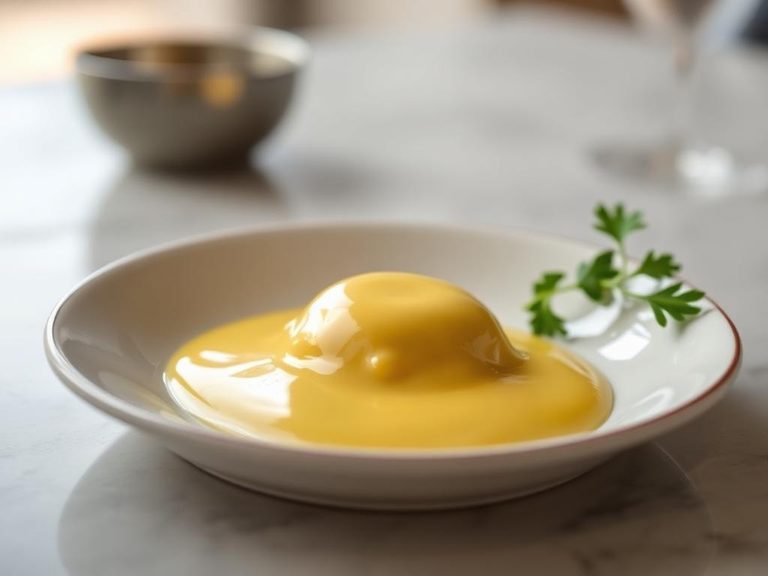
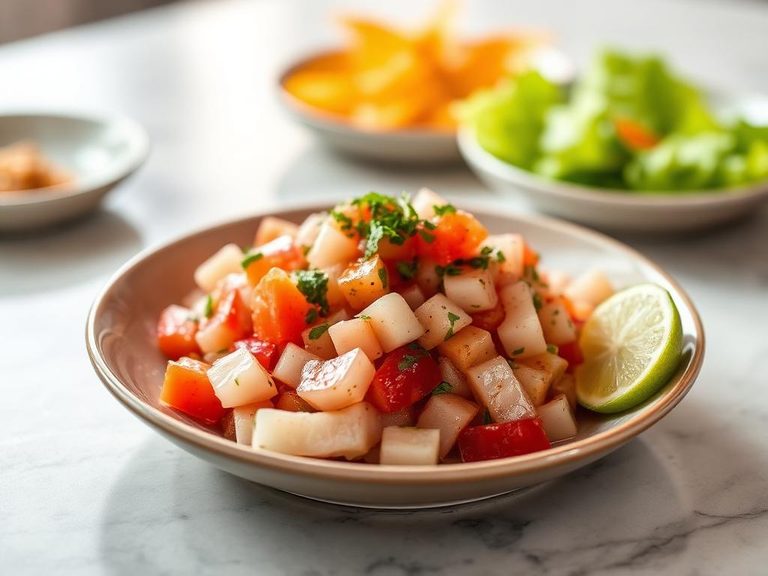
🍽️ Popular dishes
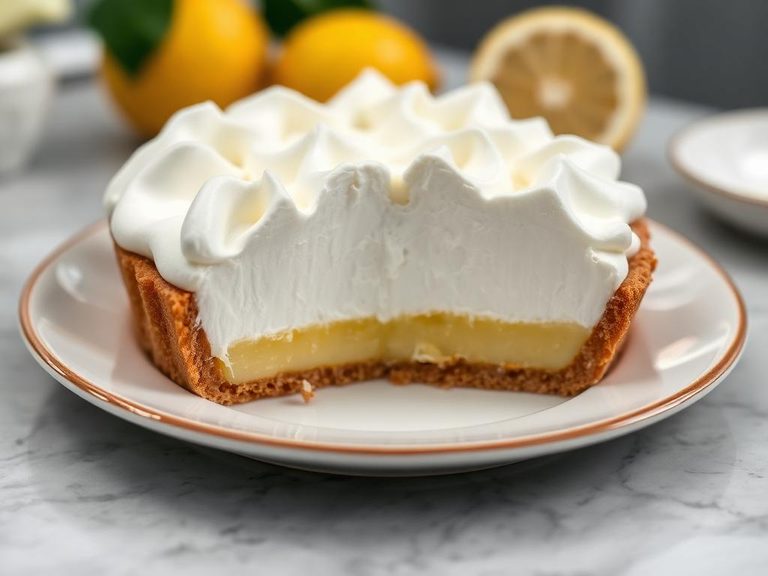
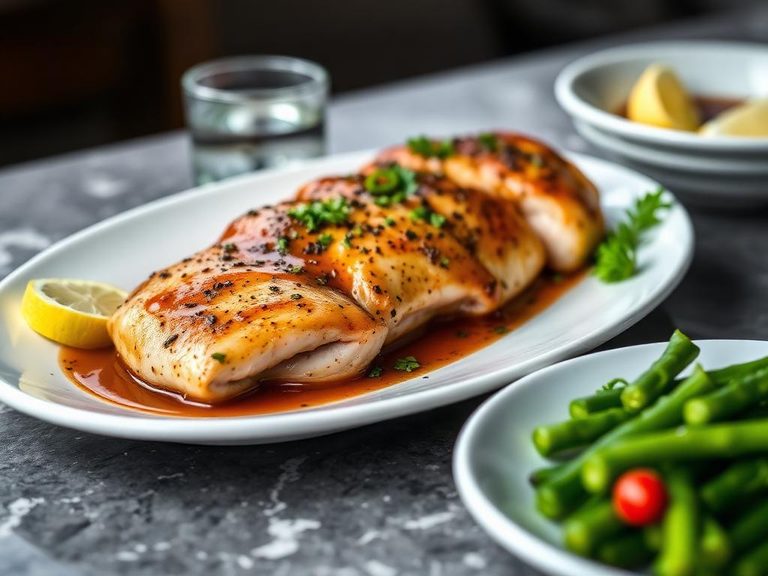
🌍 Where it's eaten
💡 Did you know?
The distinctive 'bottled lemon' taste many people recognize comes from a compound called limonene, which is so stable it survives the concentration process, but can also be extracted to make a common household cleaner.
Full nutrition (USDA data · scales with serving)
| Water | 93.6 g |
| Energy | 17.0 kcal |
| Energy | 72.0 kj |
| Protein | 0.45 g |
| Total lipid (fat) | 0.07 g |
| Ash | 0.22 g |
| Carbohydrate, by difference | 5.6 g |
| Fiber, total dietary | 0.70 g |
| Total Sugars | 1.5 g |
| Sucrose | 0.00 g |
| Glucose | 0.84 g |
| Fructose | 0.70 g |
| Lactose | 0.00 g |
| Maltose | 0.00 g |
| Galactose | 0.00 g |
| Calcium, Ca | 10.0 mg |
| Iron, Fe | 0.06 mg |
| Magnesium, Mg | 7.0 mg |
| Phosphorus, P | 9.0 mg |
| Potassium, K | 109 mg |
| Sodium, Na | 24.0 mg |
| Zinc, Zn | 0.19 mg |
| Copper, Cu | 0.02 mg |
| Manganese, Mn | 0.02 mg |
| Selenium, Se | 0.10 ug |
| Vitamin C, total ascorbic acid | 14.3 mg |
| Thiamin | 0.02 mg |
| Riboflavin | 0.02 mg |
| Niacin | 0.18 mg |
| Pantothenic acid | 0.08 mg |
| Vitamin B-6 | 0.04 mg |
| Folate, total | 9.0 ug |
| Folic acid | 0.00 ug |
| Folate, food | 9.0 ug |
| Folate, DFE | 9.0 ug |
| Choline, total | 5.1 mg |
| Vitamin B-12 | 0.00 ug |
| Vitamin B-12, added | 0.00 ug |
| Vitamin A, RAE | 2.0 ug |
| Retinol | 0.00 ug |
| Carotene, beta | 0.00 ug |
| Carotene, alpha | 0.00 ug |
| Cryptoxanthin, beta | 40.0 ug |
| Vitamin A, IU | 33.0 iu |
| Lycopene | 0.00 ug |
| Lutein + zeaxanthin | 11.0 ug |
| Vitamin E (alpha-tocopherol) | 0.23 mg |
| Vitamin E, added | 0.00 mg |
| Tocopherol, beta | 0.00 mg |
| Tocopherol, gamma | 0.00 mg |
| Tocopherol, delta | 0.00 mg |
| Tocotrienol, alpha | 0.00 mg |
| Tocotrienol, beta | 0.00 mg |
| Tocotrienol, gamma | 0.00 mg |
| Tocotrienol, delta | 0.00 mg |
| Vitamin D (D2 + D3), International Units | 0.00 iu |
| Vitamin D (D2 + D3) | 0.00 ug |
| Vitamin K (phylloquinone) | 0.10 ug |
| Vitamin K (Dihydrophylloquinone) | 0.00 ug |
| Vitamin K (Menaquinone-4) | 0.00 ug |
| Alcohol, ethyl | 0.00 g |
| Caffeine | 0.00 mg |
| Theobromine | 0.00 mg |
Fat & fatty acid profile (per 100g)
| Fatty acids, total saturated | 0.03 g |
| SFA 4:0 | 0.00 g |
| SFA 6:0 | 0.00 g |
| SFA 8:0 | 0.00 g |
| SFA 10:0 | 0.00 g |
| SFA 12:0 | 0.00 g |
| SFA 14:0 | 0.00 g |
| SFA 15:0 | 0.00 g |
| SFA 16:0 | 0.01 g |
| SFA 17:0 | 0.00 g |
| SFA 18:0 | 0.01 g |
| SFA 20:0 | 0.00 g |
| SFA 22:0 | 0.00 g |
| SFA 24:0 | 0.00 g |
| Fatty acids, total monounsaturated | 0.01 g |
| MUFA 14:1 | 0.00 g |
| MUFA 15:1 | 0.00 g |
| MUFA 16:1 | 0.00 g |
| MUFA 16:1 c | 0.00 g |
| MUFA 17:1 | 0.00 g |
| MUFA 18:1 | 0.01 g |
| MUFA 18:1 c | 0.01 g |
| MUFA 20:1 | 0.00 g |
| MUFA 22:1 | 0.00 g |
| MUFA 22:1 c | 0.00 g |
| MUFA 24:1 c | 0.00 g |
| Fatty acids, total polyunsaturated | 0.02 g |
| PUFA 18:2 | 0.01 g |
| PUFA 18:2 n-6 c,c | 0.01 g |
| PUFA 18:2 CLAs | 0.00 g |
| PUFA 18:3 | 0.01 g |
| PUFA 18:3 n-6 c,c,c | 0.00 g |
| PUFA 18:3i | 0.00 g |
| PUFA 18:4 | 0.00 g |
| PUFA 20:2 n-6 c,c | 0.00 g |
| PUFA 20:3 | 0.00 g |
| PUFA 20:3 n-3 | 0.00 g |
| PUFA 20:3 n-6 | 0.00 g |
| PUFA 20:4 | 0.00 g |
| PUFA 20:5 n-3 (EPA) | 0.00 g |
| PUFA 22:4 | 0.00 g |
| PUFA 22:5 n-3 (DPA) | 0.00 g |
| PUFA 22:6 n-3 (DHA) | 0.00 g |
| Fatty acids, total trans | 0.00 g |
| Fatty acids, total trans-monoenoic | 0.00 g |
| TFA 16:1 t | 0.00 g |
| TFA 18:1 t | 0.00 g |
| TFA 22:1 t | 0.00 g |
| TFA 18:2 t not further defined | 0.00 g |
| Fatty acids, total trans-polyenoic | 0.00 g |
| Cholesterol | 0.00 mg |
Amino acid profile (per 100g)
Estimated from Cookies, ladyfingers, without lemon juice and rind — USDA does not publish this profile for Lemon juice from concentrate.
| Tryptophan | 0.13 g |
| Threonine | 0.47 g |
| Isoleucine | 0.52 g |
| Leucine | 0.86 g |
| Lysine | 0.68 g |
| Methionine | 0.27 g |
| Cystine | 0.22 g |
| Phenylalanine | 0.51 g |
| Tyrosine | 0.41 g |
| Valine | 0.58 g |
| Arginine | 0.61 g |
| Histidine | 0.25 g |
| Alanine | 0.50 g |
| Aspartic acid | 0.89 g |
| Glutamic acid | 1.9 g |
| Glycine | 0.35 g |
| Proline | 0.63 g |
| Serine | 0.76 g |
FAQ
Is lemon juice from concentrate as healthy as fresh-squeezed?
Nutritionally, it's very similar, especially for vitamin C. The main difference is in the volatile aromatic compounds, which give fresh juice a brighter, more complex flavor. Concentrate is processed for shelf stability, which can slightly alter the taste profile.
Why does my bottled lemon juice sometimes taste 'off' or metallic?
This can be due to oxidation of the juice over time, or a reaction with the container material if not properly lined. Storing it in a cool, dark place and using it within a few months of opening helps maintain its fresh taste.
Can I substitute it 1:1 for fresh lemon juice in recipes?
For most cooking and baking, yes. For drinks or delicate sauces where the fresh, floral notes of lemon are key, you might notice a slight difference. It's best used where a strong, straightforward sour note is required.
Nutrient density (calculated · NRF9.3)
Nutrient Rich Foods index: beneficial nutrients (protein, fiber, vitamins, minerals) minus saturated fat, added sugar & sodium, per 100 kcal.
NRF9.3 index — Fulgoni, Keast & Drewnowski, 2009. Computed from USDA nutrients.
Weight-loss friendliness (composite index)
Energy density 0.17 kcal/g · 11% calories from protein · 0.7 g fiber · 1.5 g sugar per 100 g.
Composite of energy density (Rolls et al., 1999), protein & fiber satiety, minus sugar. A calculated heuristic — ranks satiety-per-calorie, not a clinical measure.
Dietary load (calculated from USDA values)
Potential renal acid load. Positive = acid-forming, negative = alkaline-forming.
Sodium-to-potassium ratio: 0.22 (lower is better — aim for ≤ 1)
Sodium:potassium per WHO potassium guidance. Computed from USDA nutrients.