

Bananas, raw
Whole food · Fruits and Fruit Juices
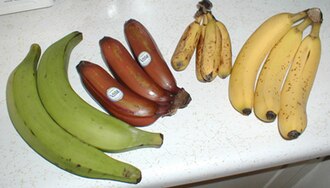
Photo: Wikipedia
The raw banana is a curved, starchy fruit with a smooth, creamy flesh that ranges from pale yellow to ivory. Its flavor is a sweet, mellow blend of honey and vanilla, with a soft, dense texture that becomes even creamier as it ripens. Nutritionally, it's a standout source of quick-release carbohydrates and dietary fiber, making it a natural energy booster.
Calorie split: 4% protein · 93% carbs · 3% fat
↓ Full nutrition💚 Why it's loved
People adore bananas for their perfect balance of natural sweetness and creamy texture, making them a satisfying snack on their own. Their incredible versatility shines in everything from breakfast smoothies to baked goods, and they hold deep cultural significance as a staple food in tropical regions worldwide.
⚠️ Watch-outs & how to enjoy it better
Bananas have a high glycemic index when fully ripe, which can cause rapid blood sugar spikes, especially for individuals with insulin sensitivity. To counteract this, pair a banana with a source of protein or healthy fat, like a handful of nuts or a spoonful of peanut butter, to slow sugar absorption. Also, those with latex allergies may experience cross-reactivity.
Key benefits
- Provides a quick, sustained energy boost from natural sugars and fiber.
- Rich in potassium, an essential mineral for heart and muscle function.
- Contains resistant starch in less-ripe bananas, which feeds healthy gut bacteria.
- Offers a convenient, portable source of vitamins B6 and C.
🍽️ Popular dishes
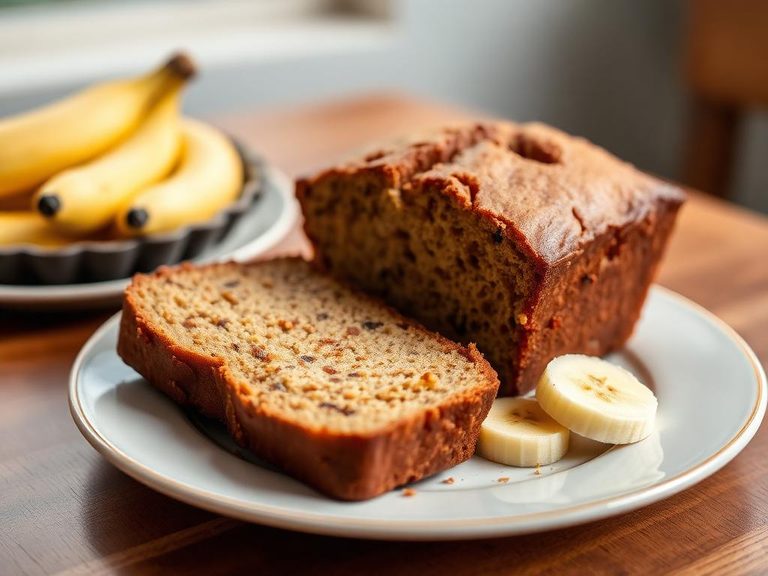
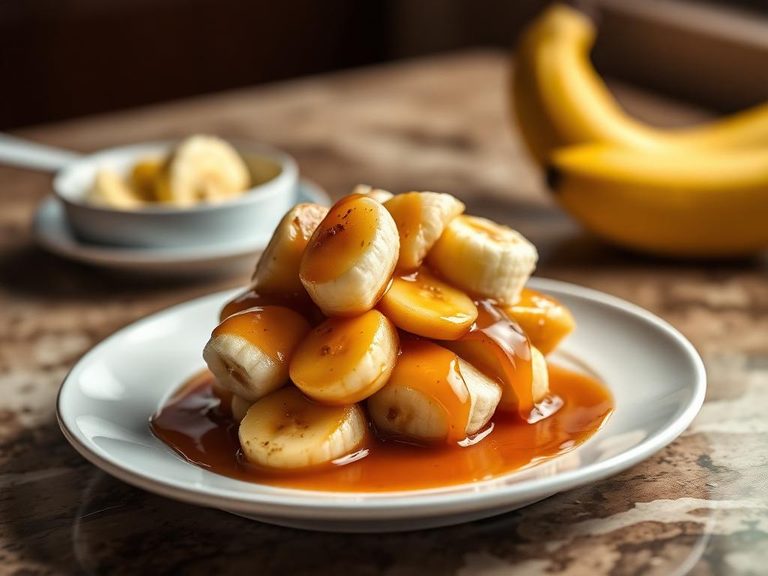

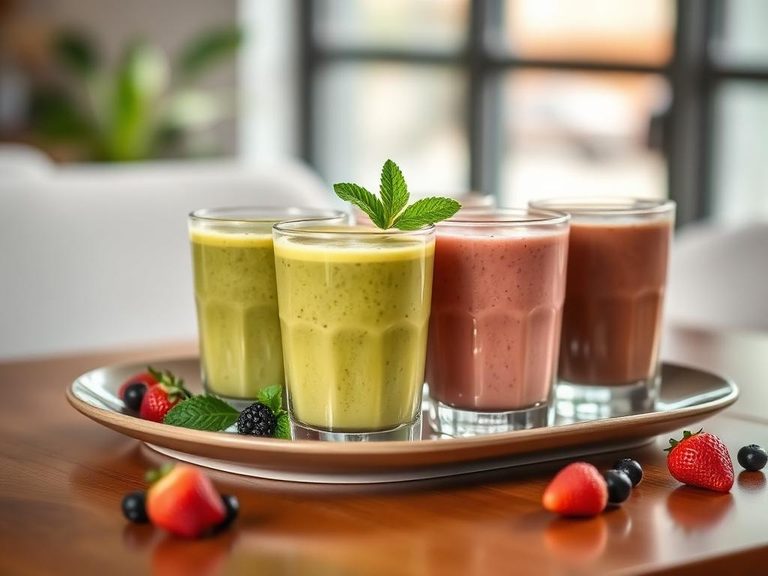
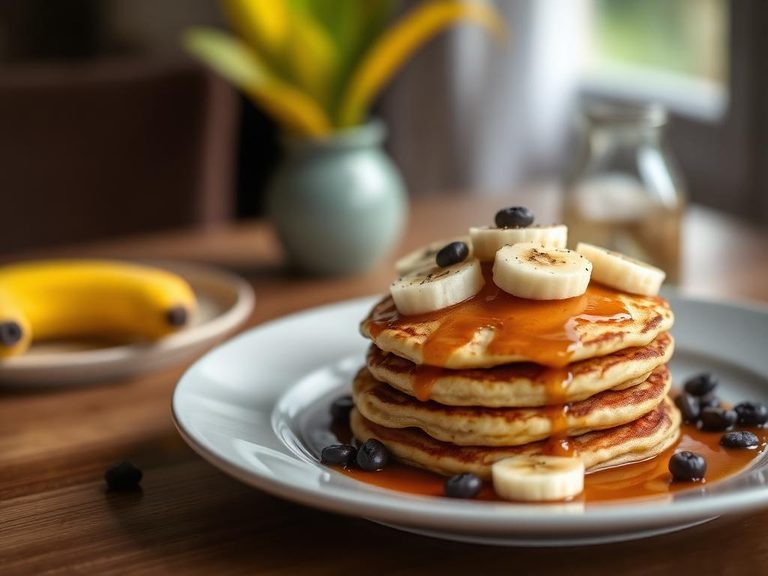
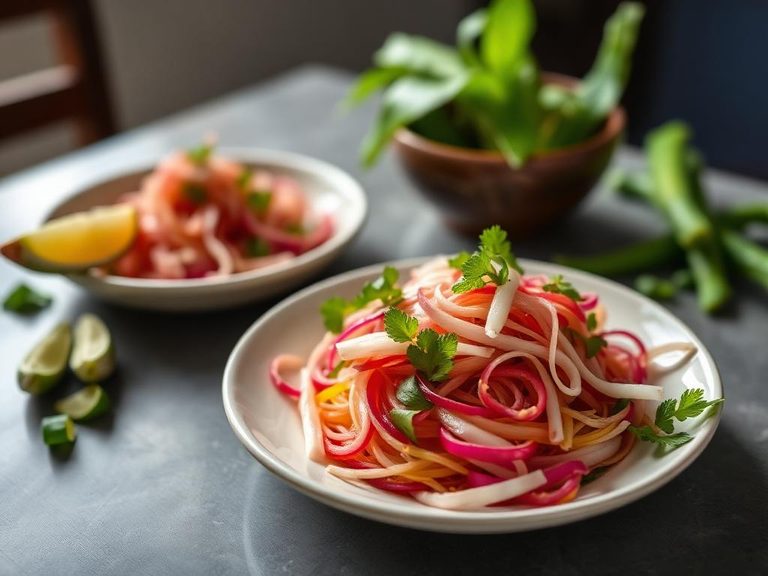
🌍 Where it's eaten
💡 Did you know?
Botanically, a banana is a berry, and the tiny black specks inside are the remnants of seeds that were bred out through centuries of cultivation.
Full nutrition (USDA data · scales with serving)
| Water | 74.9 g |
| Energy | 89.0 kcal |
| Energy | 371 kj |
| Protein | 1.1 g |
| Total lipid (fat) | 0.33 g |
| Ash | 0.82 g |
| Carbohydrate, by difference | 22.8 g |
| Fiber, total dietary | 2.6 g |
| Total Sugars | 12.2 g |
| Sucrose | 2.4 g |
| Glucose | 5.0 g |
| Fructose | 4.8 g |
| Lactose | 0.00 g |
| Maltose | 0.01 g |
| Galactose | 0.00 g |
| Starch | 5.4 g |
| Calcium, Ca | 5.0 mg |
| Iron, Fe | 0.26 mg |
| Magnesium, Mg | 27.0 mg |
| Phosphorus, P | 22.0 mg |
| Potassium, K | 358 mg |
| Sodium, Na | 1.0 mg |
| Zinc, Zn | 0.15 mg |
| Copper, Cu | 0.08 mg |
| Manganese, Mn | 0.27 mg |
| Selenium, Se | 1.0 ug |
| Fluoride, F | 2.2 ug |
| Vitamin C, total ascorbic acid | 8.7 mg |
| Thiamin | 0.03 mg |
| Riboflavin | 0.07 mg |
| Niacin | 0.67 mg |
| Pantothenic acid | 0.33 mg |
| Vitamin B-6 | 0.37 mg |
| Folate, total | 20.0 ug |
| Folic acid | 0.00 ug |
| Folate, food | 20.0 ug |
| Folate, DFE | 20.0 ug |
| Choline, total | 9.8 mg |
| Betaine | 0.10 mg |
| Vitamin B-12 | 0.00 ug |
| Vitamin B-12, added | 0.00 ug |
| Vitamin A, RAE | 3.0 ug |
| Retinol | 0.00 ug |
| Carotene, beta | 26.0 ug |
| Carotene, alpha | 25.0 ug |
| Cryptoxanthin, beta | 0.00 ug |
| Vitamin A, IU | 64.0 iu |
| Lycopene | 0.00 ug |
| Lutein + zeaxanthin | 22.0 ug |
| Vitamin E (alpha-tocopherol) | 0.10 mg |
| Vitamin E, added | 0.00 mg |
| Tocopherol, beta | 0.00 mg |
| Tocopherol, gamma | 0.02 mg |
| Tocopherol, delta | 0.01 mg |
| Tocotrienol, alpha | 0.06 mg |
| Tocotrienol, beta | 0.00 mg |
| Tocotrienol, gamma | 0.00 mg |
| Tocotrienol, delta | 0.00 mg |
| Vitamin D (D2 + D3), International Units | 0.00 iu |
| Vitamin D (D2 + D3) | 0.00 ug |
| Vitamin K (phylloquinone) | 0.50 ug |
| Vitamin K (Dihydrophylloquinone) | 0.00 ug |
| Alcohol, ethyl | 0.00 g |
| Caffeine | 0.00 mg |
| Theobromine | 0.00 mg |
Fat & fatty acid profile (per 100g)
| Fatty acids, total saturated | 0.11 g |
| SFA 4:0 | 0.00 g |
| SFA 6:0 | 0.00 g |
| SFA 8:0 | 0.00 g |
| SFA 10:0 | 0.00 g |
| SFA 12:0 | 0.00 g |
| SFA 14:0 | 0.00 g |
| SFA 16:0 | 0.10 g |
| SFA 18:0 | 0.01 g |
| Fatty acids, total monounsaturated | 0.03 g |
| MUFA 16:1 | 0.01 g |
| MUFA 18:1 | 0.02 g |
| MUFA 20:1 | 0.00 g |
| MUFA 22:1 | 0.00 g |
| Fatty acids, total polyunsaturated | 0.07 g |
| PUFA 18:2 | 0.05 g |
| PUFA 18:3 | 0.03 g |
| PUFA 18:4 | 0.00 g |
| PUFA 20:4 | 0.00 g |
| PUFA 20:5 n-3 (EPA) | 0.00 g |
| PUFA 22:5 n-3 (DPA) | 0.00 g |
| PUFA 22:6 n-3 (DHA) | 0.00 g |
| Fatty acids, total trans | 0.00 g |
| Cholesterol | 0.00 mg |
| Phytosterols | 16.0 mg |
Amino acid profile (per 100g)
| Tryptophan | 0.01 g |
| Threonine | 0.03 g |
| Isoleucine | 0.03 g |
| Leucine | 0.07 g |
| Lysine | 0.05 g |
| Methionine | 0.01 g |
| Cystine | 0.01 g |
| Phenylalanine | 0.05 g |
| Tyrosine | 0.01 g |
| Valine | 0.05 g |
| Arginine | 0.05 g |
| Histidine | 0.08 g |
| Alanine | 0.04 g |
| Aspartic acid | 0.12 g |
| Glutamic acid | 0.15 g |
| Glycine | 0.04 g |
| Proline | 0.03 g |
| Serine | 0.04 g |
FAQ
Why do bananas turn brown?
The enzyme polyphenol oxidase reacts with oxygen in the air, a process called enzymatic browning. This accelerates as the fruit ripens and its cell walls break down.
Are green bananas edible?
Yes, they are edible but very starchy, firm, and not sweet. They are often cooked (boiled or fried) in many cuisines and are a good source of resistant starch.
How can I ripen bananas faster?
Place them in a brown paper bag with an apple or tomato. These fruits release ethylene gas, which accelerates the ripening process.
Nutrient density (calculated · NRF9.3)
Nutrient Rich Foods index: beneficial nutrients (protein, fiber, vitamins, minerals) minus saturated fat, added sugar & sodium, per 100 kcal.
NRF9.3 index — Fulgoni, Keast & Drewnowski, 2009. Computed from USDA nutrients.
Weight-loss friendliness (composite index)
Energy density 0.89 kcal/g · 5% calories from protein · 2.6 g fiber · 12.2 g sugar per 100 g.
Composite of energy density (Rolls et al., 1999), protein & fiber satiety, minus sugar. A calculated heuristic — ranks satiety-per-calorie, not a clinical measure.
Dietary load (calculated from USDA values)
Potential renal acid load. Positive = acid-forming, negative = alkaline-forming.
Sodium-to-potassium ratio: 0.00 (lower is better — aim for ≤ 1)
Sodium:potassium per WHO potassium guidance. Computed from USDA nutrients.