Marinades for chicken or fish
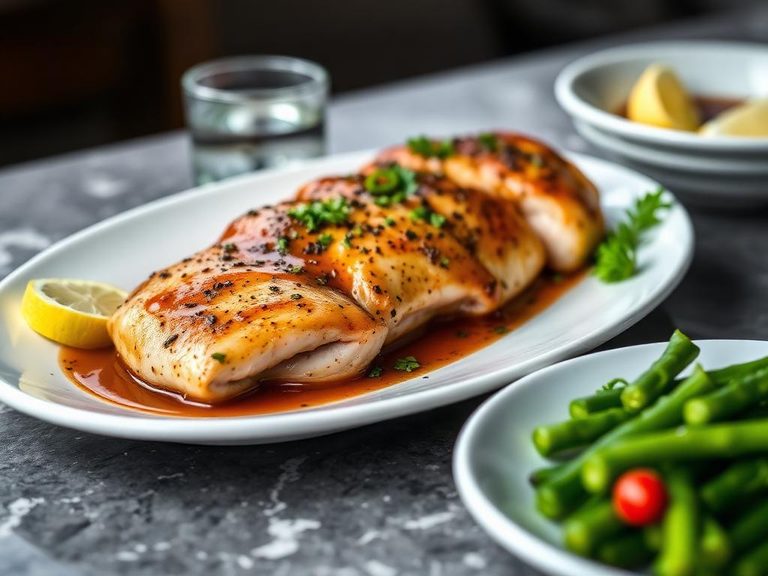
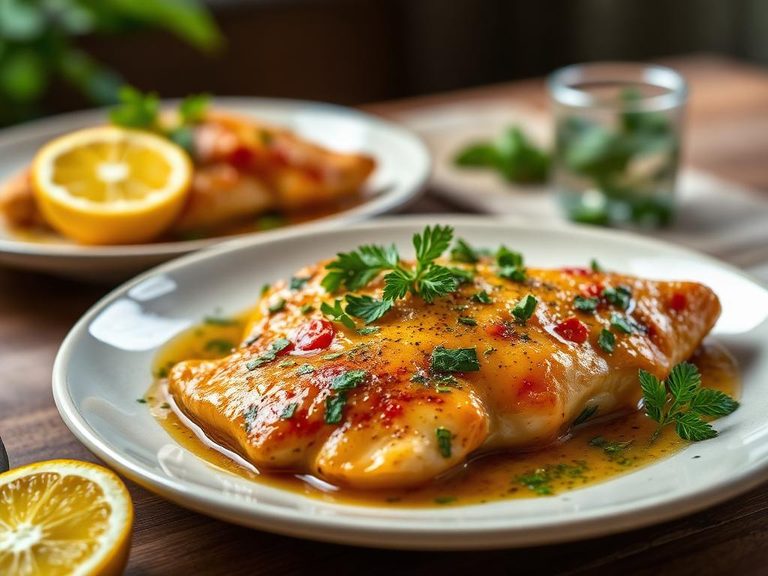
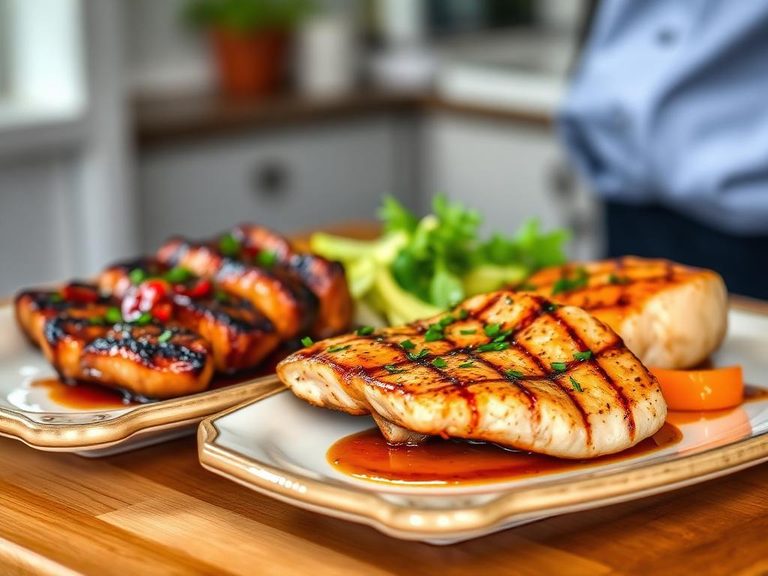
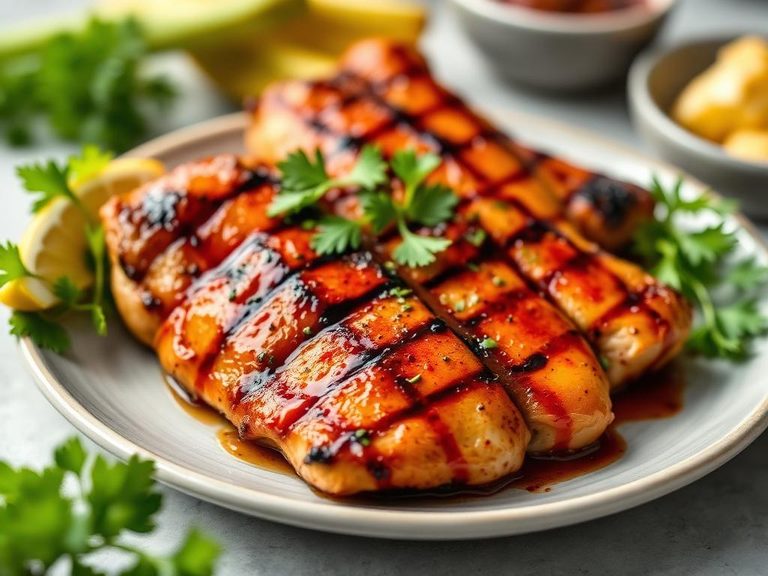
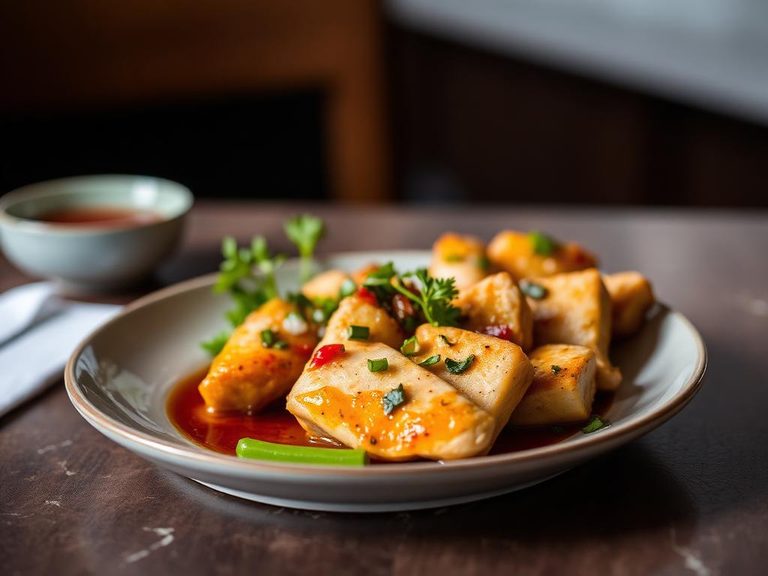
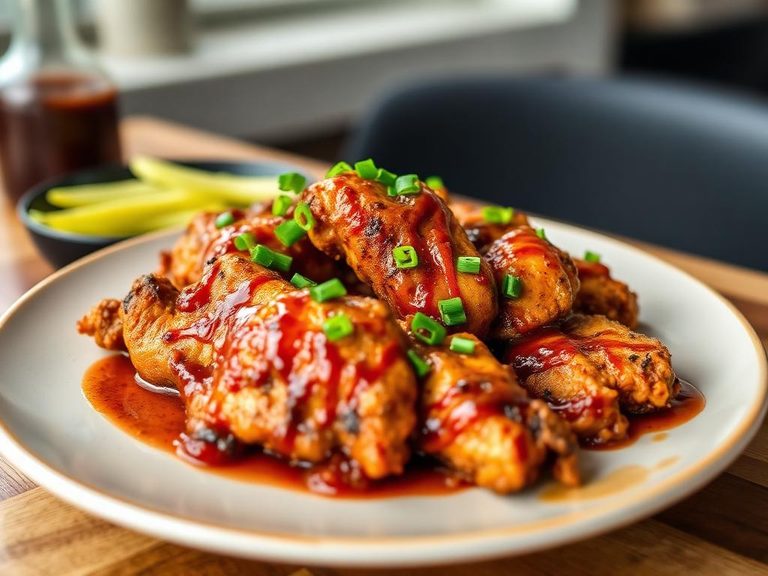
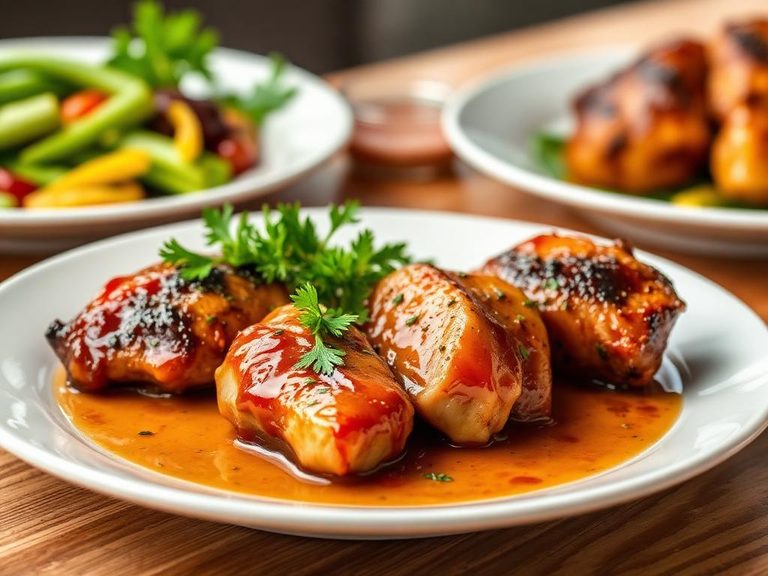
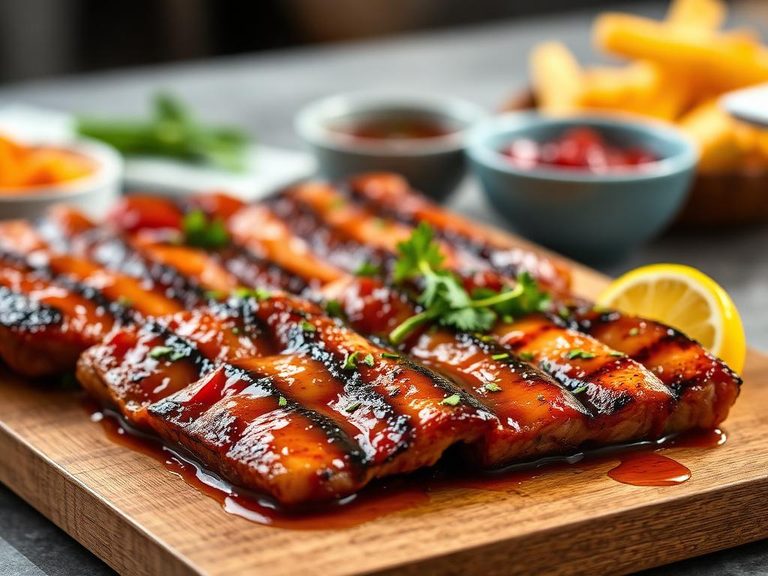
Marinades for chicken or fish are flavorful liquid mixtures used to tenderize and infuse proteins with taste before cooking. They typically combine an acidic component like lemon juice or vinegar with oils, herbs, spices, and aromatics such as garlic. This technique is found in cuisines worldwide, from Mediterranean lemon-herb blends to Asian soy-ginger mixtures.
🍽️ Nutrition at a glance
The nutritional profile varies greatly based on the specific marinade, but it generally adds minimal calories from fats and carbohydrates while enhancing the protein-rich base of chicken or fish. Key nutrients can include healthy fats from olive oil, antioxidants from herbs, and sodium from ingredients like soy sauce or salt.
Nutrition breakdown
| Calories | 45 kcal |
| Protein | 1.5 g |
| Carbs | 6 g |
| Fat | 2 g |
| Fiber | 0.5 g |
| Sugar | 4 g |
| Sodium | 480 mg |
| Sodium | 480 mg |
| Potassium | 90 mg |
| Vitamin C | 3 mg |
| Iron | 0.4 mg |
| Vitamin B6 | 0.1 mg |
| Manganese | 0.2 mg |
| Selenium | 1.5 mcg |
| Vitamin E | 0.3 mg |
Per 1/4 cup (60 g) · estimated, varies by recipe
💡 What's interesting
Marinating is a fascinating culinary technique that not only adds flavor but can also help form a protective layer on delicate fish, potentially reducing the formation of certain compounds during high-heat cooking. Culturally, the choice of marinade ingredients often reflects local agriculture and history, like the use of citrus in coastal regions or fermented pastes in East Asian cooking.