

Chicken, breast, meat and skin, raw
Whole food · Poultry Products

Photo: Wikipedia
Raw chicken breast with skin is a lean, high-protein cut prized for its mild, slightly sweet flavor and firm, tender texture when cooked. The skin adds a layer of rich, savory fat that bastes the meat during cooking, enhancing juiciness and mouthfeel. With over 21 grams of protein per 100g and minimal carbohydrates, it's a powerhouse for muscle maintenance and satiety.
Calorie split: 67% protein · 0% carbs · 33% fat
↓ Full nutrition💚 Why it's loved
People love it for its incredible versatility—it's a blank canvas that absorbs marinades, spices, and sauces beautifully. Its mild flavor and satisfying texture make it a staple in countless global cuisines, from comforting home cooking to elegant restaurant dishes.
⚠️ Watch-outs & how to enjoy it better
The skin adds extra fat and calories, which some may wish to limit for specific dietary goals. To counteract this, simply remove the skin before cooking or choose a cooking method like grilling or baking that allows excess fat to render off. Always ensure it's cooked to a safe internal temperature of 165°F (74°C) to prevent foodborne illness.
Key benefits
- Excellent source of complete protein for muscle repair and growth.
- Very low in carbohydrates, making it suitable for low-carb and ketogenic diets.
- Rich in B vitamins (especially niacin and B6) essential for energy metabolism.
- Contains minerals like selenium and phosphorus for immune and bone health.
- The skin provides a source of healthy monounsaturated fats when rendered.
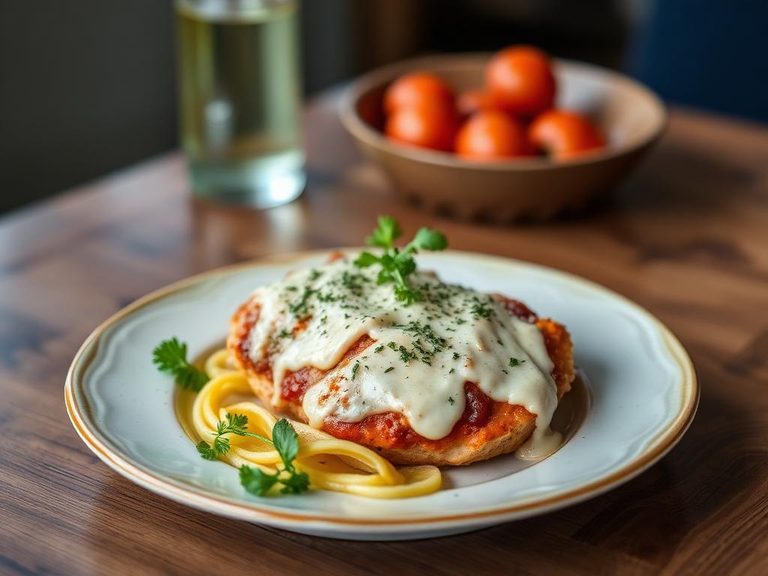
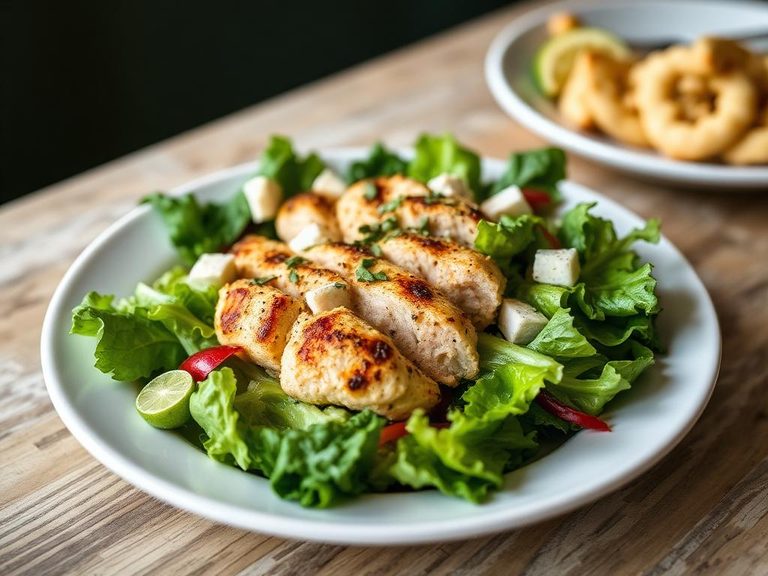
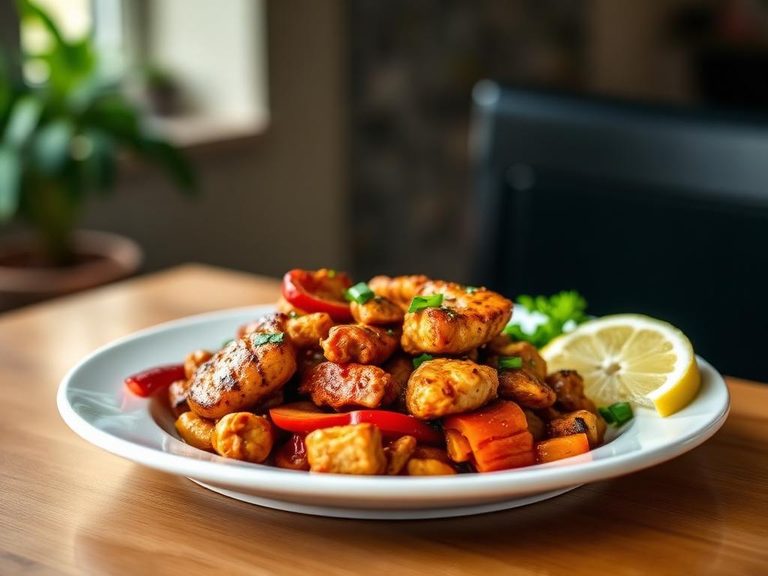
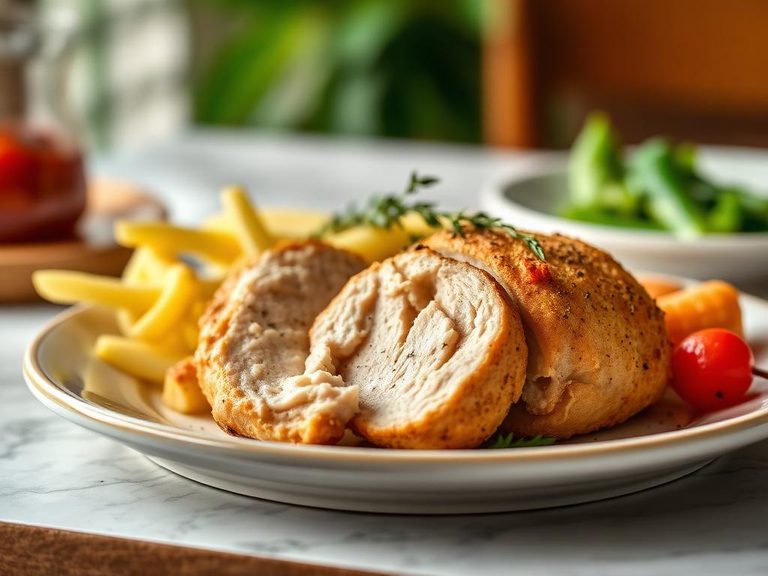
🍽️ Popular dishes

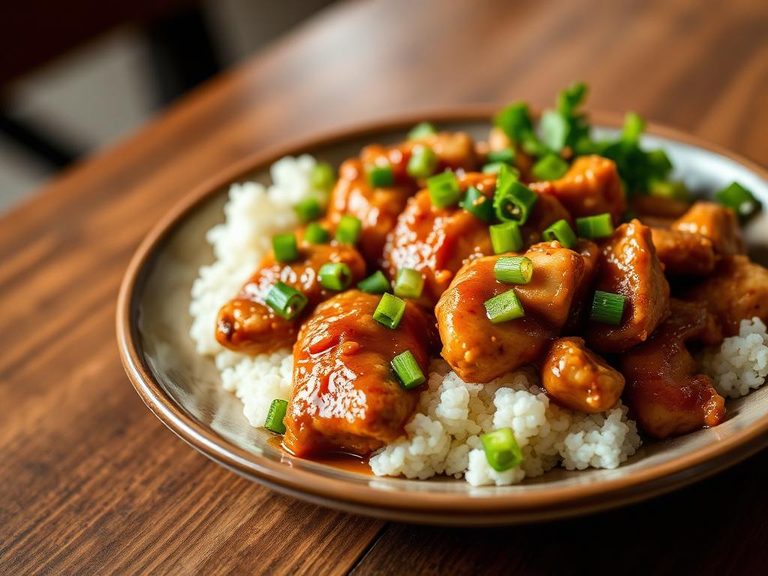
🌍 Where it's eaten
💡 Did you know?
The phrase 'chicken soup for the soul' isn't just a metaphor; studies suggest chicken broth contains compounds like cysteine, which may have mild anti-inflammatory effects and help clear nasal congestion.
Full nutrition (USDA data · scales with serving)
| Water | 73.2 g |
| Energy (Atwater General Factors) | 127 kcal |
| Energy (Atwater Specific Factors) | 133 kcal |
| Nitrogen | 3.4 g |
| Protein | 21.4 g |
| Total lipid (fat) | 4.8 g |
| Ash | 1.0 g |
| Carbohydrate, by difference | -0.43 g |
| Calcium, Ca | 6.9 mg |
| Iron, Fe | 0.35 mg |
| Magnesium, Mg | 25.4 mg |
| Phosphorus, P | 204 mg |
| Potassium, K | 333 mg |
| Sodium, Na | 48.1 mg |
| Zinc, Zn | 0.62 mg |
| Copper, Cu | 0.00 mg |
| Manganese, Mn | 0.00 mg |
Fat & fatty acid profile (per 100g)
| Cholesterol | 75.4 mg |
Amino acid profile (per 100g)
Estimated from Chicken, broilers or fryers, meat and skin and giblets and neck, raw — USDA does not publish this profile for Chicken.
| Tryptophan | 0.20 g |
| Threonine | 0.76 g |
| Isoleucine | 0.91 g |
| Leucine | 1.3 g |
| Lysine | 1.5 g |
| Methionine | 0.48 g |
| Cystine | 0.25 g |
| Phenylalanine | 0.72 g |
| Tyrosine | 0.59 g |
| Valine | 0.89 g |
| Arginine | 1.2 g |
| Histidine | 0.53 g |
| Alanine | 1.1 g |
| Aspartic acid | 1.6 g |
| Glutamic acid | 2.7 g |
| Glycine | 1.2 g |
| Proline | 0.91 g |
| Serine | 0.66 g |
FAQ
How do I keep chicken breast moist when cooking?
Brining (soaking in a saltwater solution) or marinating with an acidic component like lemon juice or yogurt helps retain moisture. Cooking to an internal temperature of 165°F (74°C) without overcooking is key.
Is the skin healthy to eat?
The skin is high in fat and calories, but it also contains healthy monounsaturated fats and adds flavor. It's best enjoyed in moderation; you can remove it before eating if you prefer a leaner option.
What's the best way to store raw chicken?
Store in the coldest part of your refrigerator (below 40°F/4°C) for up to 2 days, or freeze it at 0°F (-18°C) for up to 9 months. Always keep it in a sealed container to prevent cross-contamination.
Nutrient density (calculated · NRF9.3)
Nutrient Rich Foods index: beneficial nutrients (protein, fiber, vitamins, minerals) minus saturated fat, added sugar & sodium, per 100 kcal.
NRF9.3 index — Fulgoni, Keast & Drewnowski, 2009. Computed from USDA nutrients.
Weight-loss friendliness (composite index)
Energy density 1.27 kcal/g · 67% calories from protein · 0.0 g fiber · 0.0 g sugar per 100 g.
Composite of energy density (Rolls et al., 1999), protein & fiber satiety, minus sugar. A calculated heuristic — ranks satiety-per-calorie, not a clinical measure.
Dietary load (calculated from USDA values)
Potential renal acid load. Positive = acid-forming, negative = alkaline-forming.
Sodium-to-potassium ratio: 0.14 (lower is better — aim for ≤ 1)
Sodium:potassium per WHO potassium guidance. Computed from USDA nutrients.