Chicken, broilers or fryers, meat and skin and giblets and neck, raw
Whole food · Poultry Products

Photo: Wikipedia
This is the whole, raw bird—meat, skin, giblets, and neck—of a young broiler or fryer chicken, prized for its mild, savory flavor and tender, juicy texture when cooked. It's a nutritional powerhouse, delivering a high concentration of protein and healthy fats, making it a staple for building muscle and providing sustained energy.
💚 Why it's loved
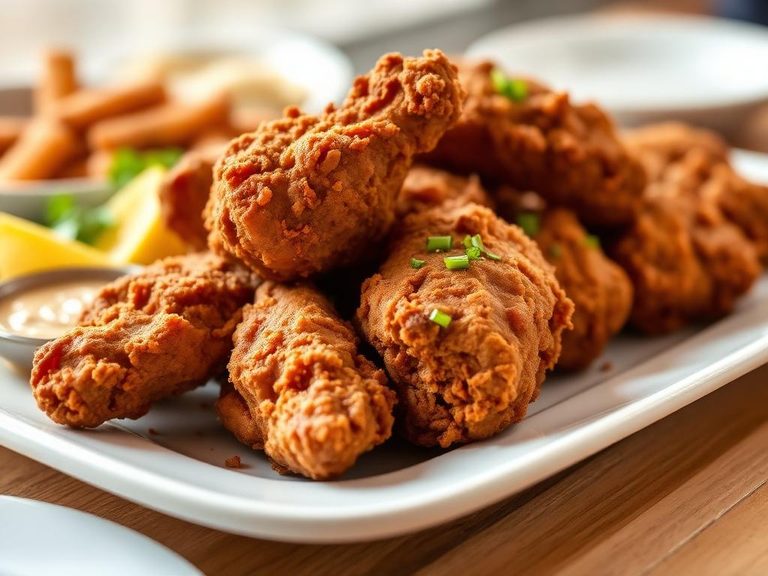
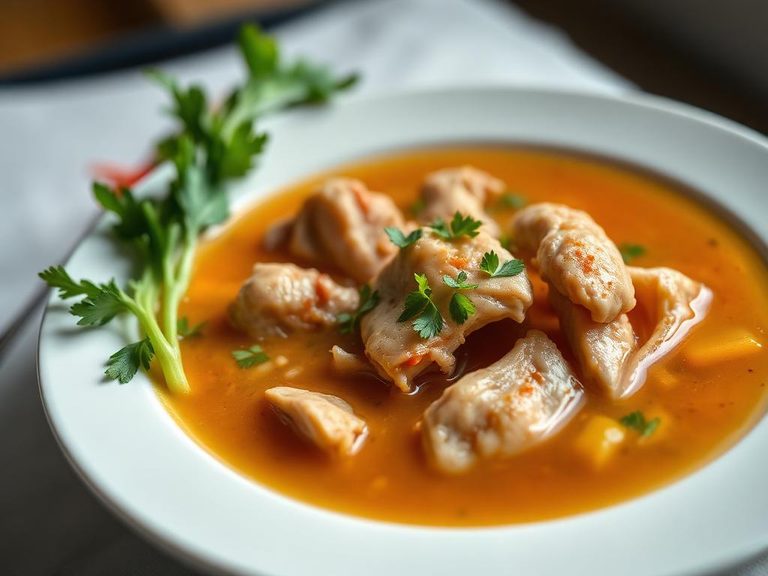
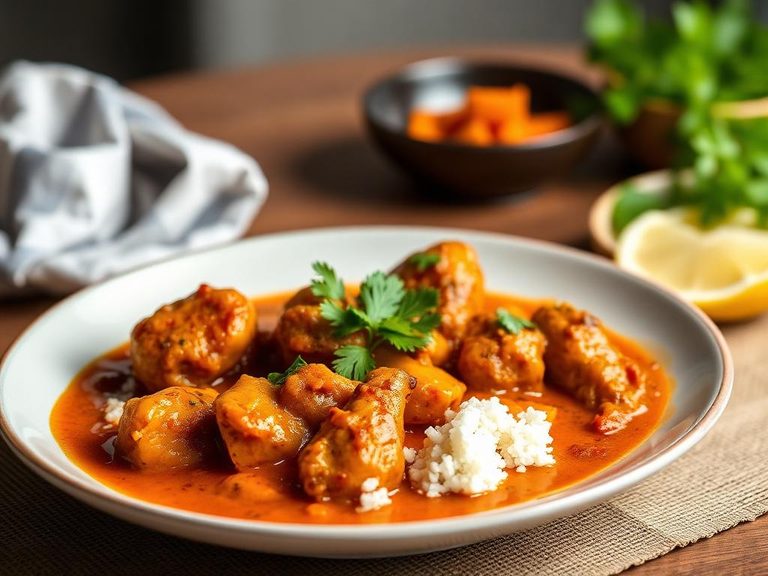
People adore it for its incredibly versatile, mild flavor that acts as a perfect canvas for countless seasonings and cooking methods, from crispy fried chicken to comforting soups. It's a cultural cornerstone in cuisines worldwide, symbolizing comfort, family gatherings, and home cooking.
⚠️ Watch-outs & how to enjoy it better
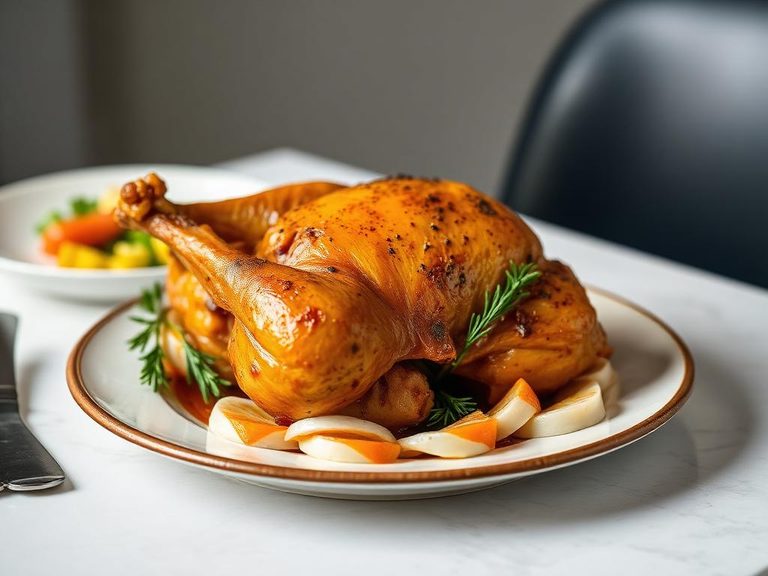
The skin and dark meat can be high in saturated fat and cholesterol, which may be a concern for those managing heart health. To mitigate this, you can opt for skinless cuts, trim excess fat, or use cooking methods like roasting or grilling that allow fat to render off, and pair it with fiber-rich vegetables to balance the meal.
Key benefits
- Excellent source of complete, high-quality protein for muscle repair and growth.
- Rich in B vitamins (especially B12 and niacin) for energy metabolism and nerve function.
- Provides essential minerals like selenium and phosphorus for immune health and bone strength.
- Contains healthy monounsaturated and polyunsaturated fats, particularly in the skin.
🍽️ Popular dishes

🌍 Where it's eaten
💡 Did you know?
The term 'broiler' specifically refers to a young chicken (usually under 6 weeks old) bred for its meat, not its eggs, and the global chicken industry produces over 70 billion birds annually.
Full nutrition (scales with serving)
| Water | 66.3 g |
| Energy | 213 kcal |
| Energy | 891 kj |
| Protein | 18.3 g |
| Total lipid (fat) | 14.8 g |
| Ash | 0.80 g |
| Carbohydrate, by difference | 0.13 g |
| Fiber, total dietary | 0.00 g |
| Calcium, Ca | 11.0 mg |
| Iron, Fe | 1.3 mg |
| Magnesium, Mg | 20.0 mg |
| Phosphorus, P | 149 mg |
| Potassium, K | 189 mg |
| Sodium, Na | 70.0 mg |
| Zinc, Zn | 1.5 mg |
| Copper, Cu | 0.06 mg |
| Manganese, Mn | 0.03 mg |
| Selenium, Se | 11.8 ug |
| Vitamin C, total ascorbic acid | 2.6 mg |
| Thiamin | 0.06 mg |
| Riboflavin | 0.19 mg |
| Niacin | 6.6 mg |
| Pantothenic acid | 1.1 mg |
| Vitamin B-6 | 0.34 mg |
| Folate, total | 30.0 ug |
| Folic acid | 0.00 ug |
| Folate, food | 30.0 ug |
| Folate, DFE | 30.0 ug |
| Vitamin B-12 | 1.1 ug |
| Vitamin A, RAE | 232 ug |
| Retinol | 232 ug |
| Vitamin A, IU | 771 iu |
| Alcohol, ethyl | 0.00 g |
Fat & fatty acid profile (per 100g)
| Fatty acids, total saturated | 4.2 g |
| SFA 4:0 | 0.00 g |
| SFA 6:0 | 0.00 g |
| SFA 8:0 | 0.00 g |
| SFA 10:0 | 0.00 g |
| SFA 12:0 | 0.02 g |
| SFA 14:0 | 0.12 g |
| SFA 16:0 | 3.1 g |
| SFA 18:0 | 0.87 g |
| Fatty acids, total monounsaturated | 6.1 g |
| MUFA 16:1 | 0.82 g |
| MUFA 18:1 | 5.0 g |
| MUFA 20:1 | 0.15 g |
| MUFA 22:1 | 0.00 g |
| Fatty acids, total polyunsaturated | 3.2 g |
| PUFA 18:2 | 2.8 g |
| PUFA 18:3 | 0.13 g |
| PUFA 18:4 | 0.00 g |
| PUFA 20:4 | 0.10 g |
| PUFA 20:5 n-3 (EPA) | 0.01 g |
| PUFA 22:5 n-3 (DPA) | 0.01 g |
| PUFA 22:6 n-3 (DHA) | 0.03 g |
| Cholesterol | 90.0 mg |
Amino acid profile (per 100g)
| Tryptophan | 0.20 g |
| Threonine | 0.76 g |
| Isoleucine | 0.91 g |
| Leucine | 1.3 g |
| Lysine | 1.5 g |
| Methionine | 0.48 g |
| Cystine | 0.25 g |
| Phenylalanine | 0.72 g |
| Tyrosine | 0.59 g |
| Valine | 0.89 g |
| Arginine | 1.2 g |
| Histidine | 0.53 g |
| Alanine | 1.1 g |
| Aspartic acid | 1.6 g |
| Glutamic acid | 2.7 g |
| Glycine | 1.2 g |
| Proline | 0.91 g |
| Serine | 0.66 g |
FAQ
What is the difference between broilers and fryers?
The terms are often used interchangeably, but 'broiler' typically refers to a young chicken (under 6 weeks) raised for meat, while 'fryer' is a slightly older bird (6-8 weeks) with a bit more fat, ideal for frying.
Are giblets and neck included in the nutritional values?
Yes, the nutritional data for 'meat and skin and giblets and neck' includes the entire edible bird, including the liver, heart, gizzard, and neck, which contribute additional iron, B vitamins, and minerals.
How does the skin affect the nutrition?
The skin adds significant fat and calories (about 14.83g fat per 100g), but also provides flavor and texture. Removing it reduces fat content by roughly 50%.