Marinades for Chicken or Tofu
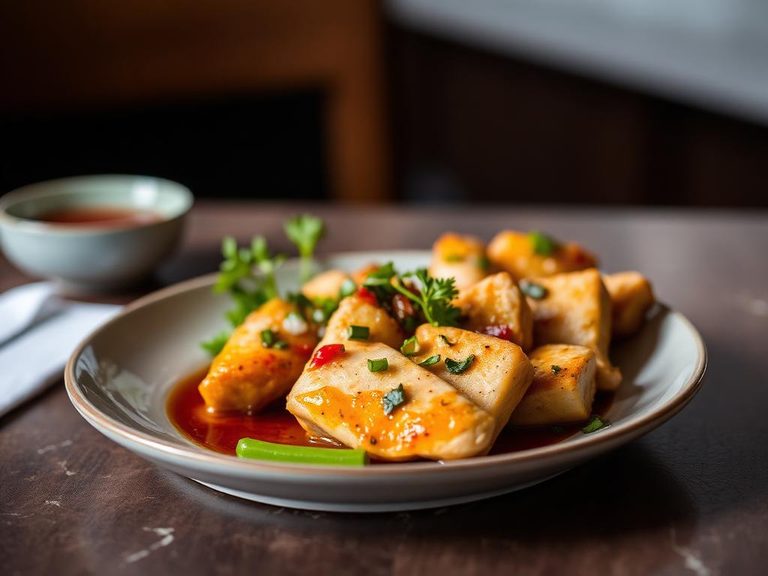
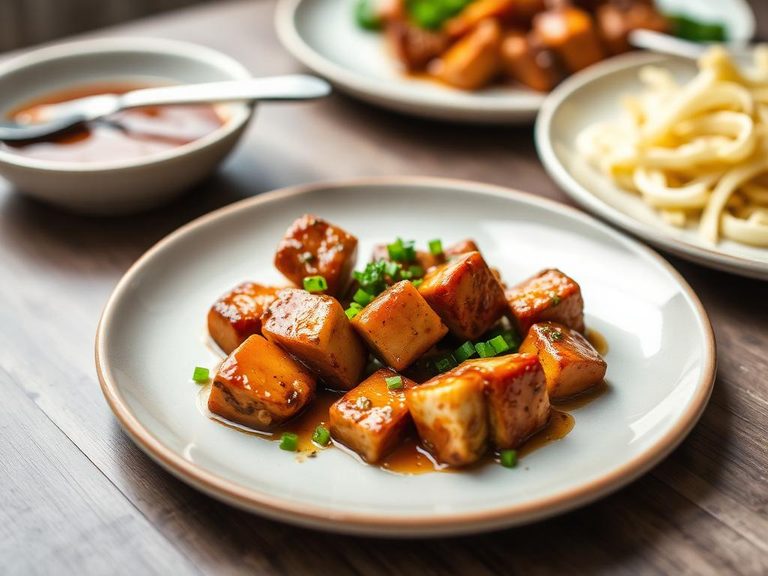
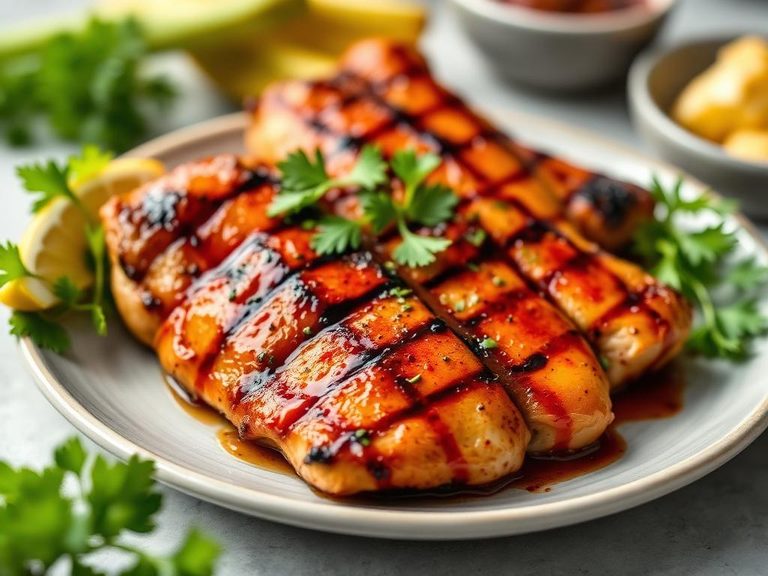
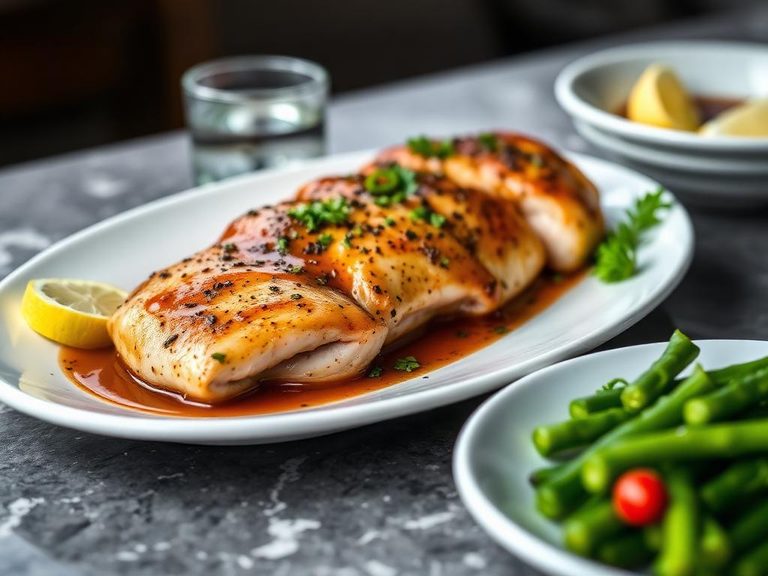
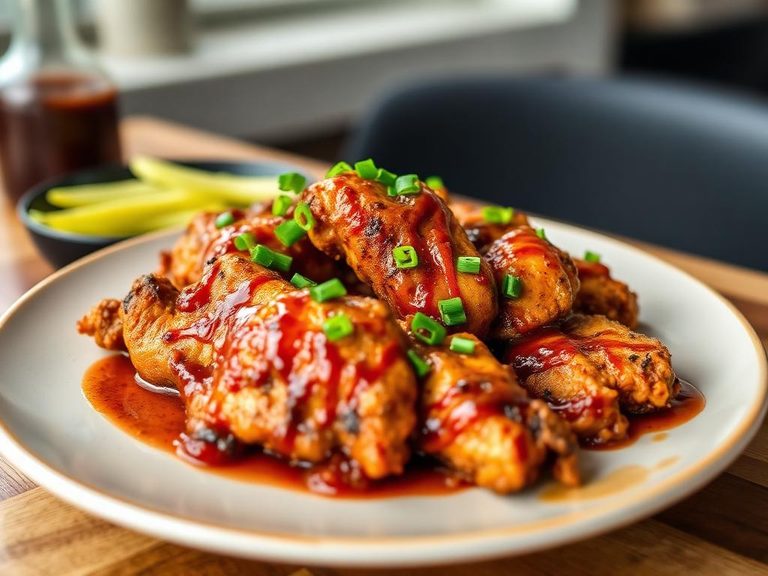
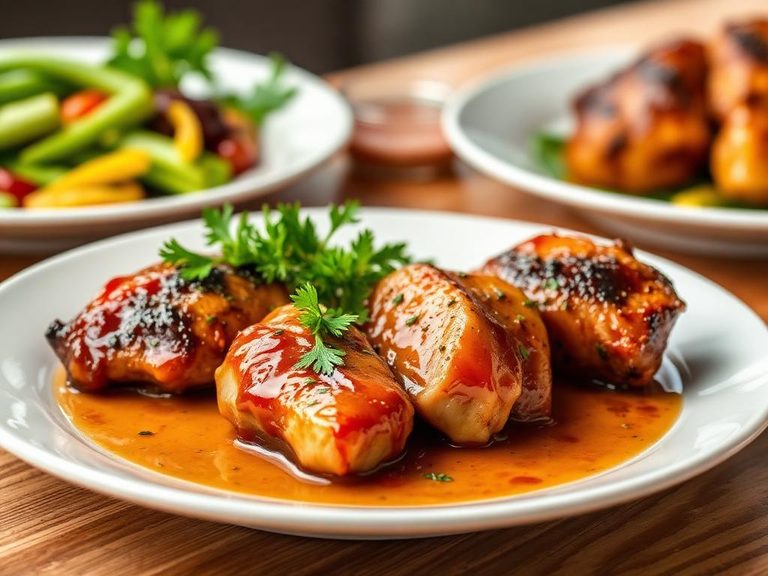
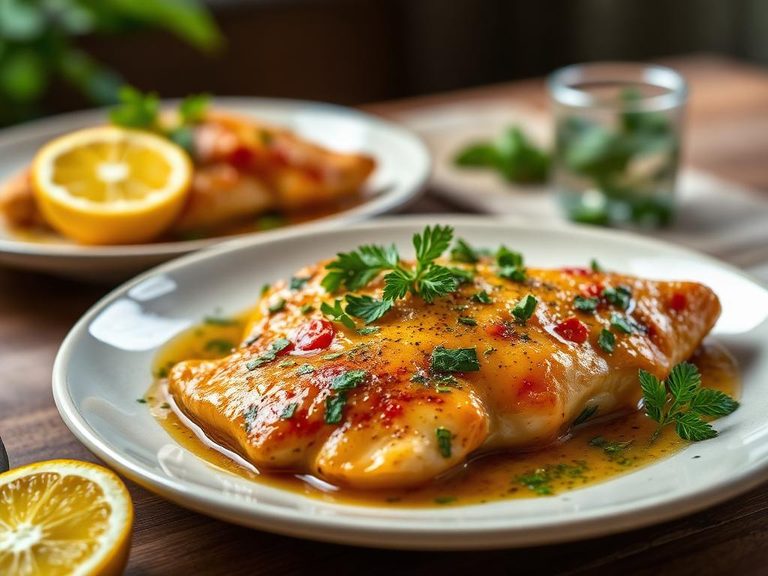
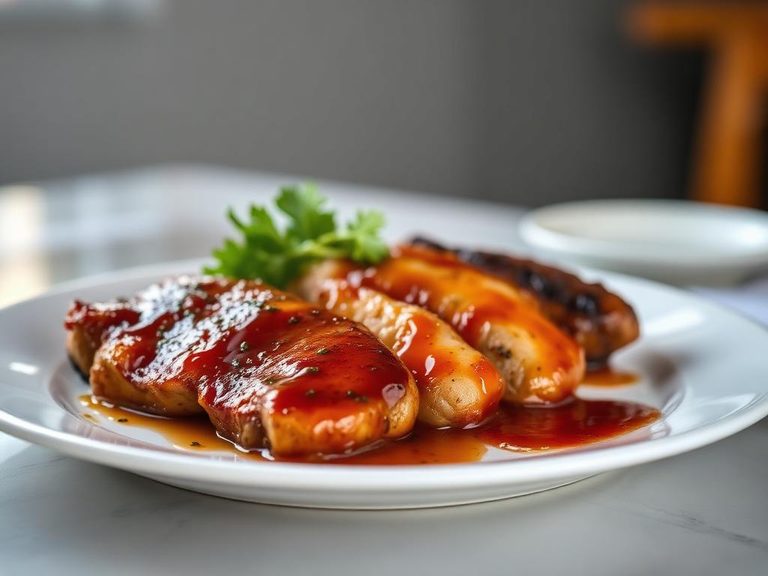
Marinades for chicken or tofu are flavorful liquid mixtures used to tenderize and infuse protein with taste before cooking. They typically combine an acid (like citrus juice or vinegar), oil, and a blend of herbs, spices, and aromatics. This technique is a cornerstone of cooking across countless global cuisines, from Mediterranean to Asian.
🍽️ Nutrition at a glance
A marinade itself is not a significant source of macronutrients, as the protein absorbs only a fraction of the liquid. Its primary nutritional contribution comes from the herbs, spices, and oils used, adding antioxidants, healthy fats, and flavor without substantial calories.
Nutrition breakdown
| Calories | 45 kcal |
| Protein | 0.5 g |
| Carbs | 2 g |
| Fat | 3.5 g |
| Fiber | 0.5 g |
| Sugar | 1 g |
| Sodium | 350 mg |
| Vitamin C | 8 mg |
| Vitamin K | 15 µg |
| Iron | 0.4 mg |
| Manganese | 0.2 mg |
| Potassium | 90 mg |
| Magnesium | 10 mg |
Per Typical marinade amount absorbed by 100g of protein (approx. 2-3 tbsp liquid) · estimated, varies by recipe
💡 What's interesting
The science of marination involves acid or enzymes breaking down muscle fibers to tenderize, while salt helps the protein retain moisture during cooking. Culturally, the specific combination of ingredients in a marinade often acts as a culinary signature for a region's cuisine.