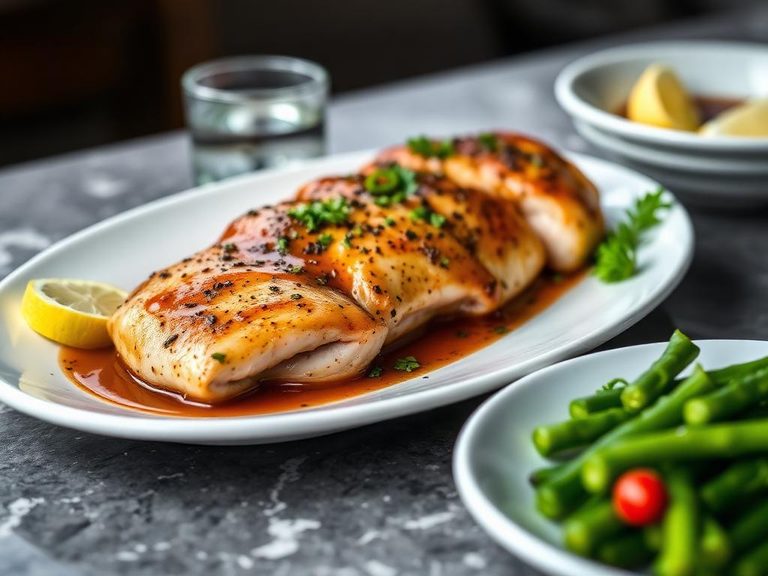
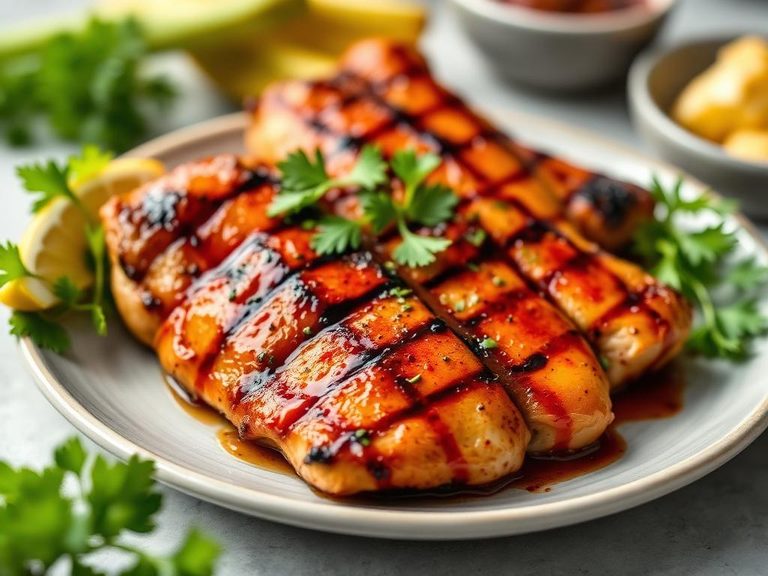
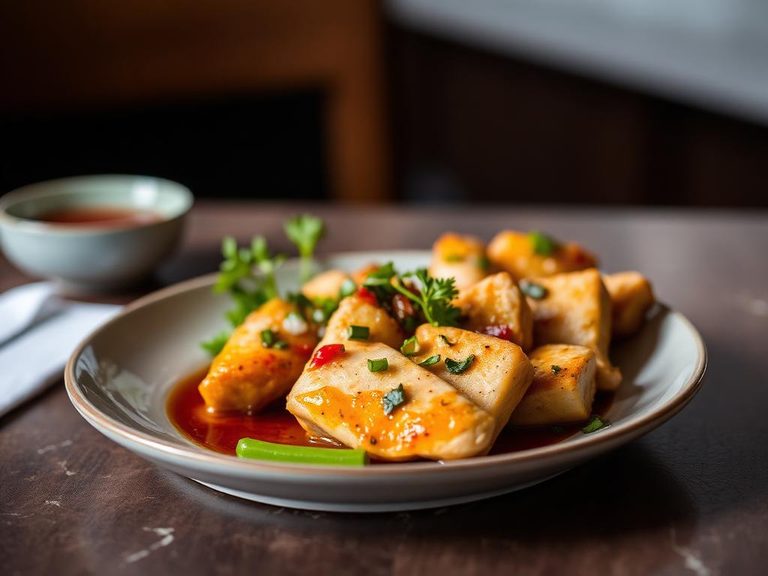
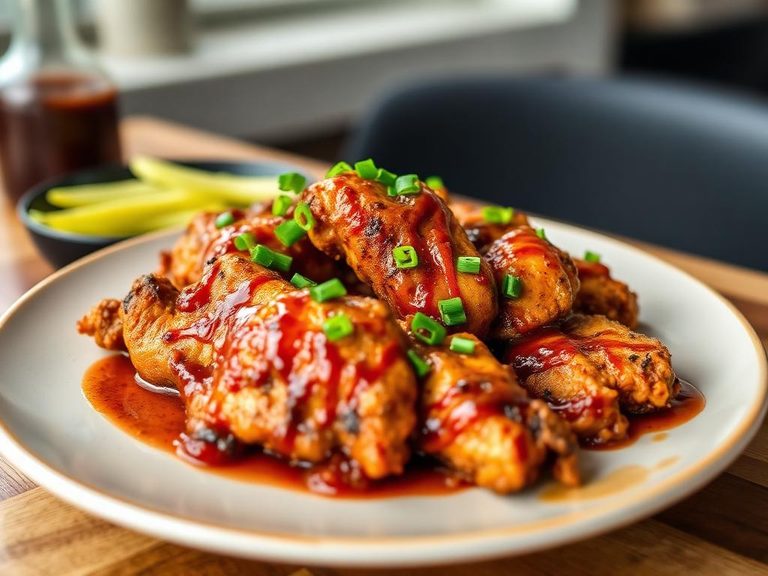
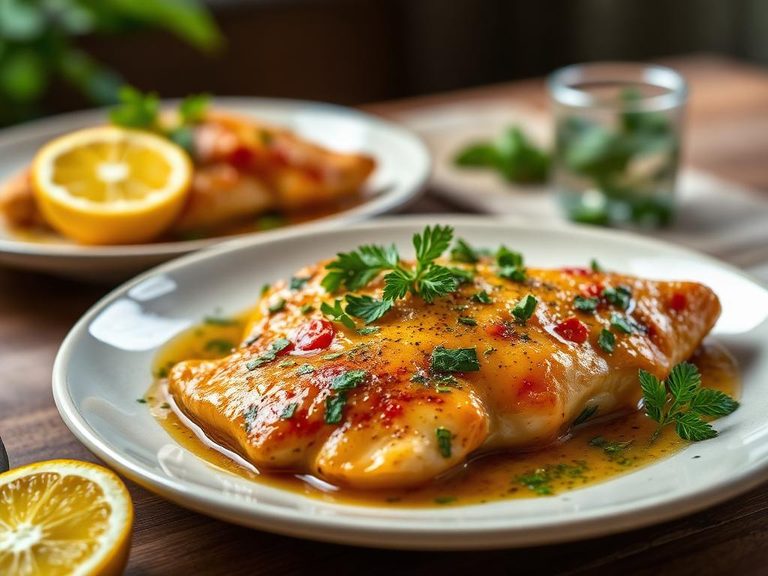
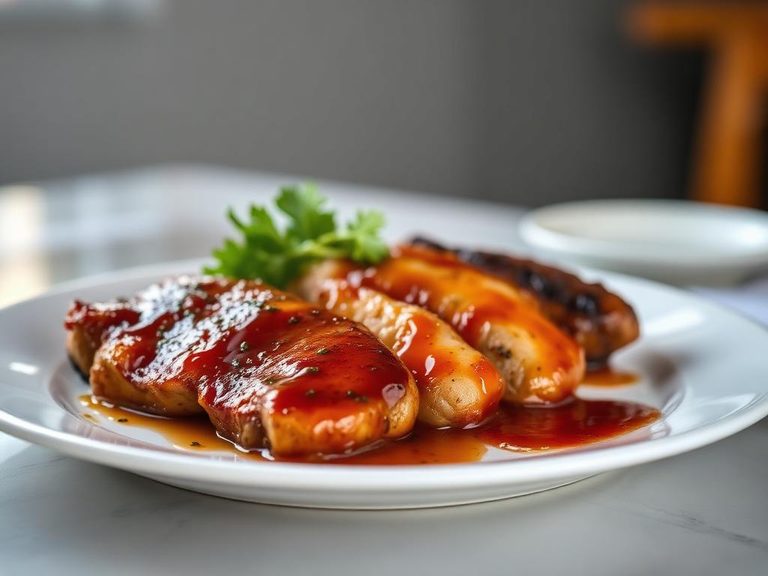
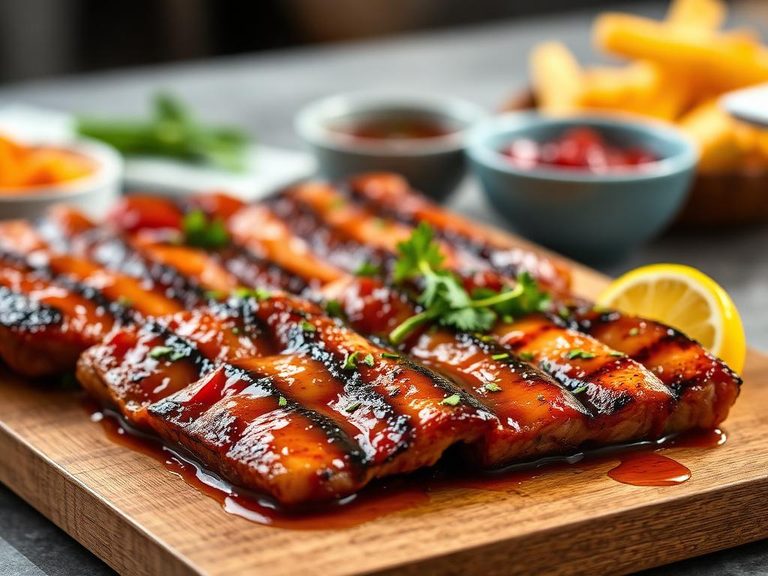
Marinades for chicken or lamb
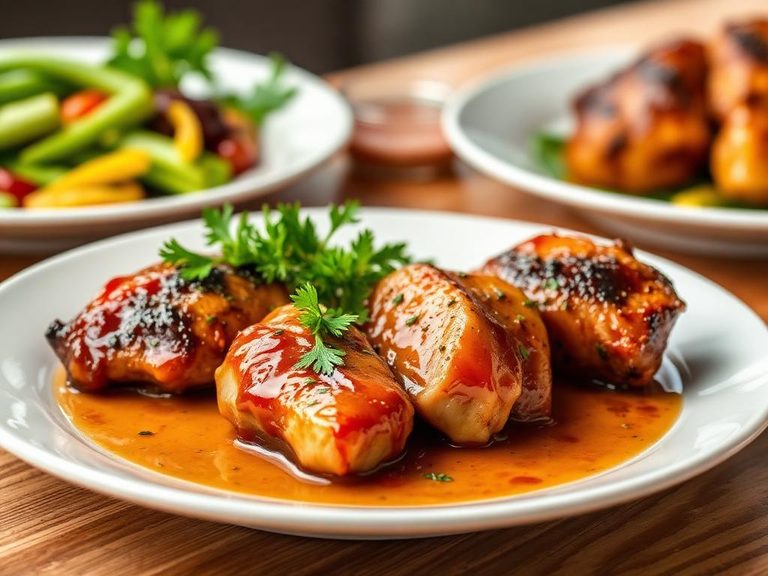
Marinades for chicken or lamb are flavorful liquid mixtures used to tenderize and infuse meat with herbs, spices, and acidic components before cooking. Common ingredients include olive oil, lemon juice or vinegar, garlic, herbs like rosemary or oregano, and warm spices such as cumin or paprika. This technique is central to many cuisines, from Mediterranean and Middle Eastern to South Asian and Latin American cooking traditions.
🍽️ Nutrition at a glance
Marinades are generally low in carbohydrates and high in healthy fats from oils, contributing to the overall fat content of the dish. They provide key nutrients like vitamin C from citrus, antioxidants from herbs, and small amounts of minerals, with a typical serving adding roughly 50-100 calories depending on the oil content.
Nutrition breakdown
| Calories | 75 kcal |
| Protein | 0.5 g |
| Carbs | 2 g |
| Fat | 7 g |
| Fiber | 0.5 g |
| Sugar | 0.8 g |
| Sodium | 320 mg |
| Vitamin C | 8 mg |
| Vitamin E | 1.5 mg |
| Vitamin K | 10 mcg |
| Potassium | 85 mg |
| Iron | 0.5 mg |
| Magnesium | 10 mg |
| Manganese | 0.2 mg |
| Sodium | 320 mg |
Per 1/4 cup (60 g) · estimated, varies by recipe
💡 What's interesting
Culturally, marinades represent a universal culinary practice that transforms tougher cuts into tender, flavorful meals, often passed down through generations. Nutritionally, the acidic components can help break down proteins, potentially aiding in the digestibility of the meat.