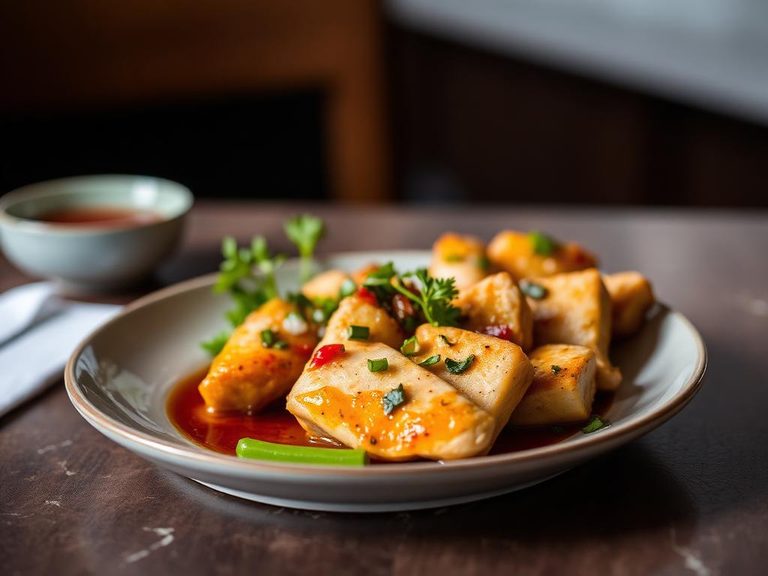
Citrus marinades for chicken or fish
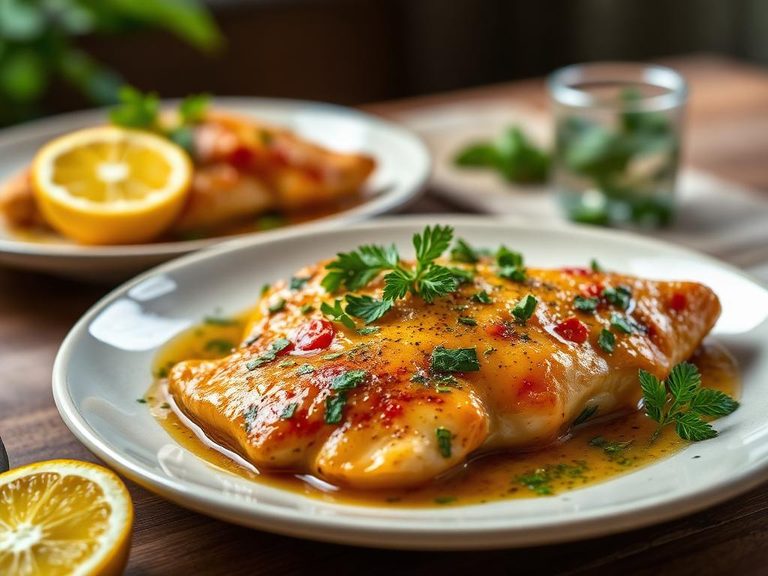
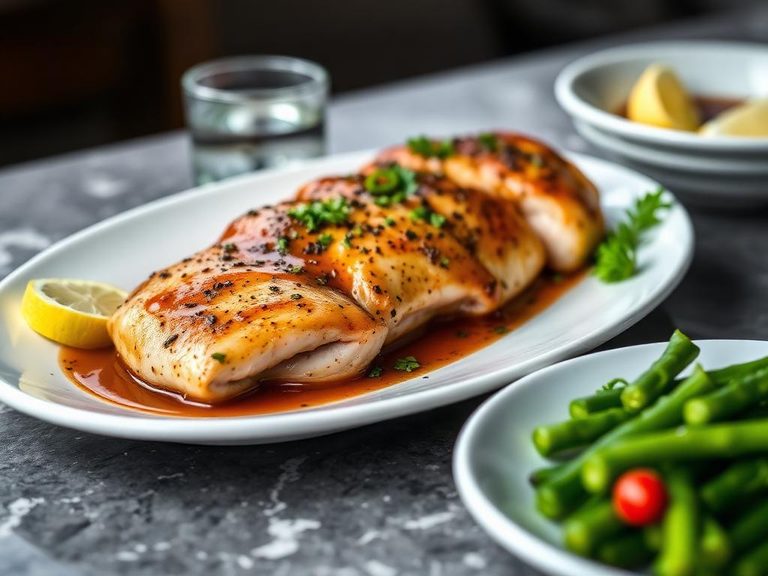
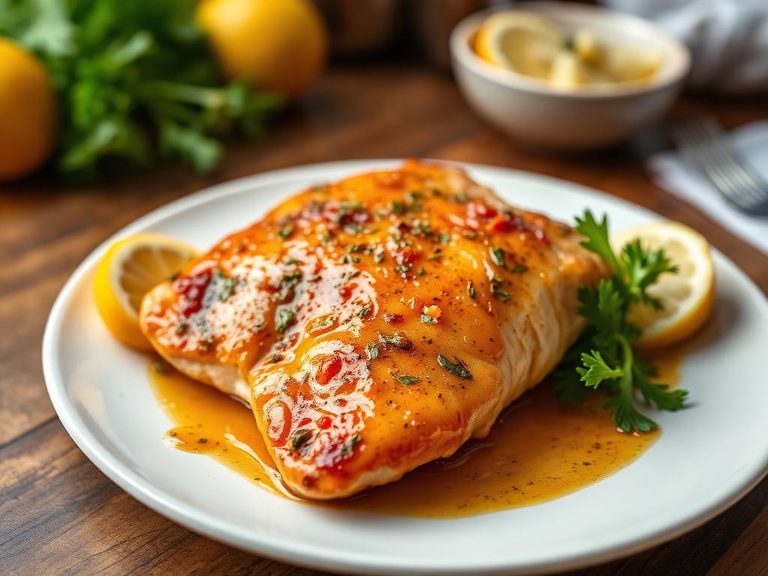
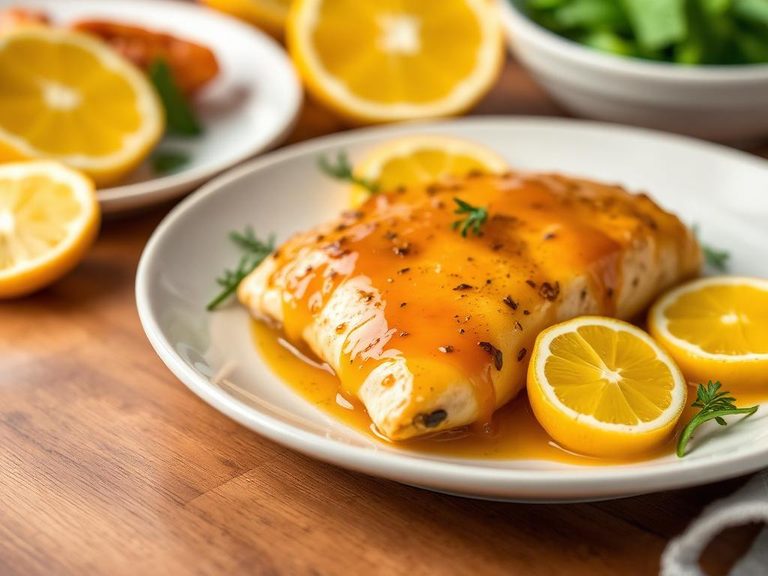
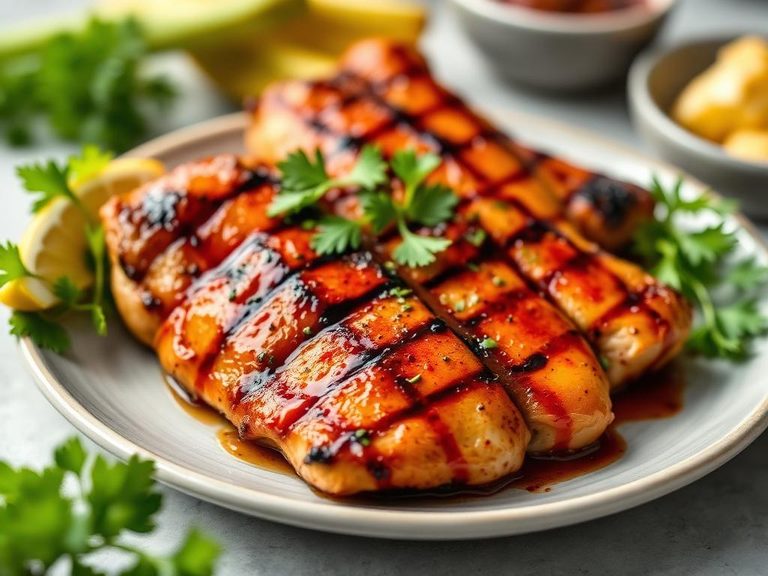
Citrus marinades for chicken or fish are bright, acidic preparations that tenderize and flavor proteins using juices from lemons, limes, or oranges, often combined with herbs, garlic, and oil. This technique is a cornerstone of Mediterranean, Latin American, and Southeast Asian cuisines, where the marinade's acidity gently 'cooks' the surface of the protein, enhancing moisture and flavor. It's a versatile method that can be used for grilling, baking, or pan-searing.
🍽️ Nutrition at a glance
This dish is typically high in protein from the chicken or fish, with moderate fat if oil is used in the marinade, and very low in carbohydrates. Key nutrients include vitamin C from the citrus, along with minerals like potassium and selenium from the protein. A typical serving of marinated and cooked chicken breast or fish fillet with a light marinade generally ranges from 200 to 300 calories.
Nutrition breakdown
| Calories | 220 kcal |
| Protein | 35 g |
| Carbs | 2 g |
| Fat | 7 g |
| Fiber | 0.5 g |
| Sugar | 1 g |
| Sodium | 350 mg |
| Vitamin C | 8 mg |
| Potassium | 320 mg |
| Selenium | 25 mcg |
| Niacin (B3) | 12 mg |
| Vitamin B6 | 0.6 mg |
| Phosphorus | 250 mg |
Per 1 fillet (150 g) of marinated and cooked chicken breast · estimated, varies by recipe
💡 What's interesting
The acidic 'cooking' process in citrus marinades is a form of denaturation, similar to ceviche, which can make the protein more tender and juicy. Nutritionally, the vitamin C in the citrus can help enhance the absorption of iron from plant-based side dishes served with the meal.