

Lemon, raw
Common food
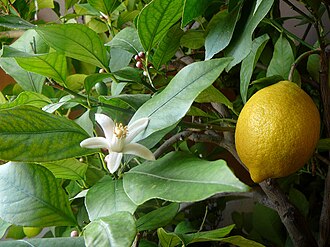
Photo: Wikipedia
The raw lemon is a bright, acidic citrus fruit with a thin, textured rind and juicy, segmented flesh. Its intense sourness is balanced by subtle floral notes, making it a cornerstone of global flavor profiles. Nutritionally, it is remarkably low in calories (29 kcal per 100g) and a potent source of vitamin C and fiber.
Calorie split: 10% protein · 84% carbs · 6% fat
↓ Full nutrition💚 Why it's loved
People love lemons for their unparalleled ability to brighten and balance flavors, cutting through richness and adding a clean, zesty finish. Its versatility is legendary, used in everything from drinks and dressings to marinades and desserts across countless cultures.
⚠️ Watch-outs & how to enjoy it better
The high acidity can erode tooth enamel and irritate sensitive stomachs or acid reflux conditions. To mitigate this, rinse your mouth with water after consumption, use a straw for lemonade, and consider pairing lemon juice with foods containing fat or protein to buffer the acid. Those with citrus allergies should avoid it entirely.
Key benefits
- Excellent source of vitamin C (over 50% of daily value per 100g).
- Contains soluble fiber (pectin) that supports digestive health.
- Rich in flavonoids with antioxidant properties.
- Very low in calories and fat, aiding weight management.
- May enhance iron absorption from plant-based foods when consumed together.
🍽️ Popular dishes
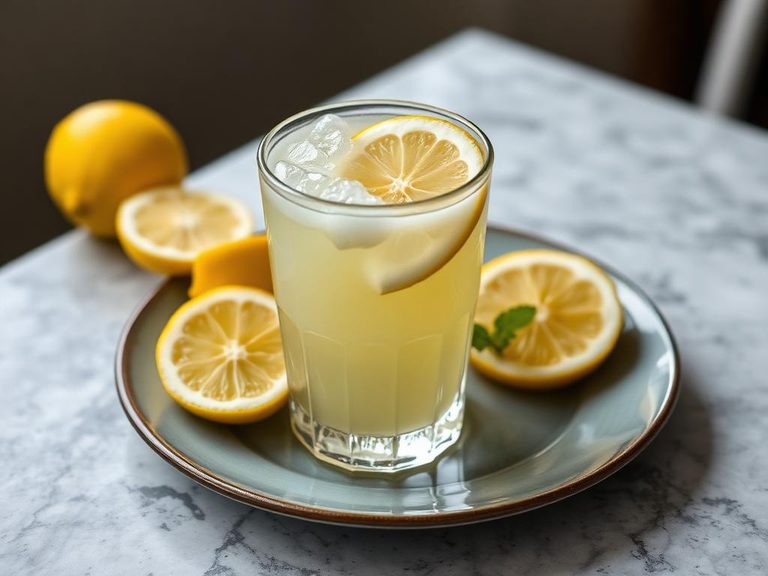

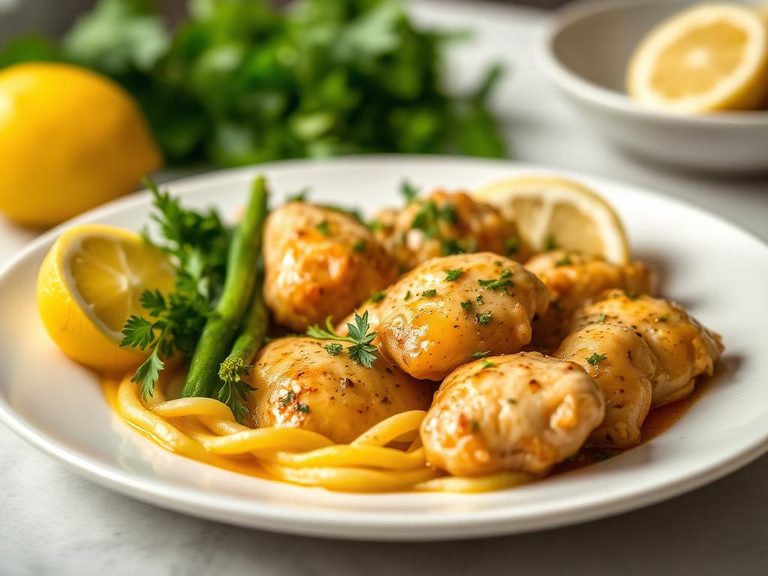
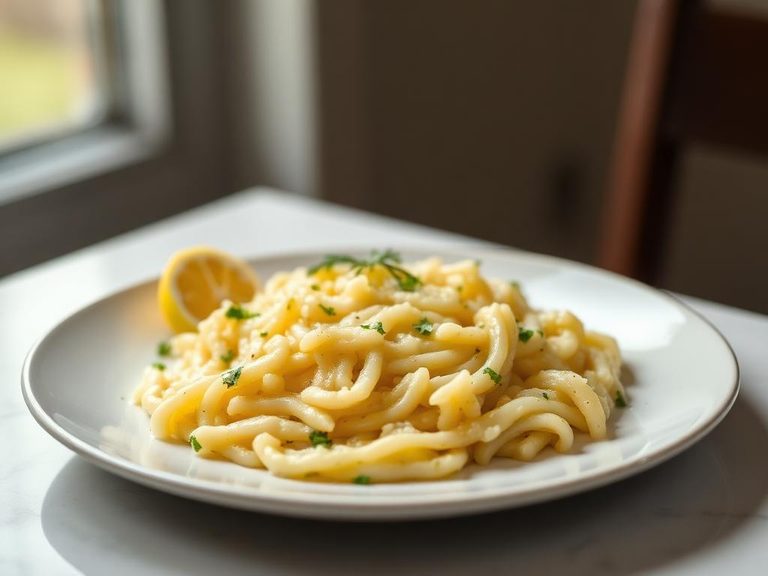
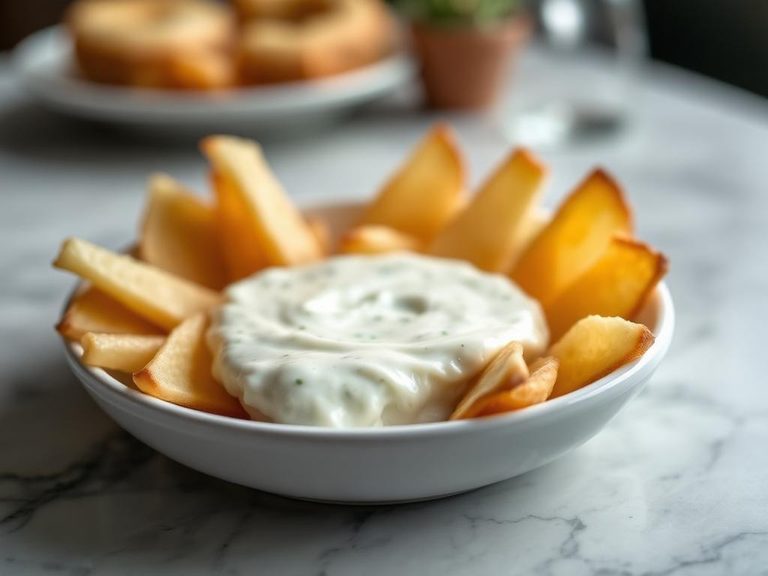

🌍 Where it's eaten
💡 Did you know?
A lemon's juice is about 5-6% citric acid, giving it a pH of around 2.2, which is more acidic than most soft drinks.
Full nutrition (USDA data · scales with serving)
| Water | 89.0 g |
| Energy | 29.0 kcal |
| Protein | 1.1 g |
| Total lipid (fat) | 0.30 g |
| Carbohydrate, by difference | 9.3 g |
| Fiber, total dietary | 2.8 g |
| Total Sugars | 2.5 g |
| Calcium, Ca | 26.0 mg |
| Iron, Fe | 0.60 mg |
| Magnesium, Mg | 8.0 mg |
| Phosphorus, P | 16.0 mg |
| Potassium, K | 138 mg |
| Sodium, Na | 2.0 mg |
| Zinc, Zn | 0.06 mg |
| Copper, Cu | 0.04 mg |
| Selenium, Se | 0.40 ug |
| Vitamin C, total ascorbic acid | 53.0 mg |
| Thiamin | 0.04 mg |
| Riboflavin | 0.02 mg |
| Niacin | 0.10 mg |
| Vitamin B-6 | 0.08 mg |
| Folate, total | 11.0 ug |
| Folic acid | 0.00 ug |
| Folate, food | 11.0 ug |
| Folate, DFE | 11.0 ug |
| Choline, total | 5.1 mg |
| Vitamin B-12 | 0.00 ug |
| Vitamin B-12, added | 0.00 ug |
| Vitamin A, RAE | 1.0 ug |
| Retinol | 0.00 ug |
| Carotene, beta | 3.0 ug |
| Carotene, alpha | 1.0 ug |
| Cryptoxanthin, beta | 20.0 ug |
| Lycopene | 0.00 ug |
| Lutein + zeaxanthin | 11.0 ug |
| Vitamin E (alpha-tocopherol) | 0.15 mg |
| Vitamin E, added | 0.00 mg |
| Vitamin D (D2 + D3) | 0.00 ug |
| Vitamin K (phylloquinone) | 0.00 ug |
| Alcohol, ethyl | 0.00 g |
| Caffeine | 0.00 mg |
| Theobromine | 0.00 mg |
Fat & fatty acid profile (per 100g)
| Fatty acids, total saturated | 0.04 g |
| SFA 4:0 | 0.00 g |
| SFA 6:0 | 0.00 g |
| SFA 8:0 | 0.00 g |
| SFA 10:0 | 0.00 g |
| SFA 12:0 | 0.00 g |
| SFA 14:0 | 0.00 g |
| SFA 16:0 | 0.04 g |
| SFA 18:0 | 0.00 g |
| Fatty acids, total monounsaturated | 0.01 g |
| MUFA 16:1 | 0.00 g |
| MUFA 18:1 | 0.01 g |
| MUFA 20:1 | 0.00 g |
| MUFA 22:1 | 0.00 g |
| Fatty acids, total polyunsaturated | 0.09 g |
| PUFA 18:2 | 0.06 g |
| PUFA 18:3 | 0.03 g |
| PUFA 18:4 | 0.00 g |
| PUFA 20:4 | 0.00 g |
| PUFA 20:5 n-3 (EPA) | 0.00 g |
| PUFA 22:5 n-3 (DPA) | 0.00 g |
| PUFA 22:6 n-3 (DHA) | 0.00 g |
| Cholesterol | 0.00 mg |
Amino acid profile (per 100g)
Estimated from Restaurant, Chinese, lemon chicken — USDA does not publish this profile for Lemon.
| Tryptophan | 0.14 g |
| Threonine | 0.51 g |
| Isoleucine | 0.54 g |
| Leucine | 0.98 g |
| Lysine | 0.96 g |
| Methionine | 0.33 g |
| Cystine | 0.14 g |
| Phenylalanine | 0.48 g |
| Tyrosine | 0.37 g |
| Valine | 0.57 g |
| Arginine | 0.52 g |
| Histidine | 0.36 g |
| Alanine | 0.67 g |
| Aspartic acid | 1.1 g |
| Glutamic acid | 2.3 g |
| Glycine | 0.51 g |
| Proline | 0.52 g |
| Serine | 0.51 g |
FAQ
Is lemon juice as nutritious as the whole fruit?
No. While juice provides vitamin C and some flavor, it lacks the beneficial fiber found in the pulp and pith, which is a key nutritional component of the whole fruit.
Can I use lemon juice instead of vinegar in recipes?
Yes, lemon juice can substitute for vinegar in many recipes, especially dressings and marinades, but it will impart a distinct citrus flavor and is generally milder in acidity.
How should I store fresh lemons?
For short-term use (a week), keep them at room temperature. For longer storage (up to a month), refrigerate them in a plastic bag or drawer to retain moisture and prevent drying out.
Nutrient density (calculated · NRF9.3)
Nutrient Rich Foods index: beneficial nutrients (protein, fiber, vitamins, minerals) minus saturated fat, added sugar & sodium, per 100 kcal.
NRF9.3 index — Fulgoni, Keast & Drewnowski, 2009. Computed from USDA nutrients.
Weight-loss friendliness (composite index)
Energy density 0.29 kcal/g · 15% calories from protein · 2.8 g fiber · 2.5 g sugar per 100 g.
Composite of energy density (Rolls et al., 1999), protein & fiber satiety, minus sugar. A calculated heuristic — ranks satiety-per-calorie, not a clinical measure.
Dietary load (calculated from USDA values)
Potential renal acid load. Positive = acid-forming, negative = alkaline-forming.
Sodium-to-potassium ratio: 0.01 (lower is better — aim for ≤ 1)
Sodium:potassium per WHO potassium guidance. Computed from USDA nutrients.