

Lemon juice from concentrate, bottled, REAL LEMON
Whole food · Fruits and Fruit Juices

Photo: Wikipedia
This is the tangy, potent essence of lemon, captured in a shelf-stable bottle. It delivers a sharp, acidic punch with a clean, bright flavor and a thin, watery texture. Nutritionally, it's a very low-calorie way to add a powerful flavor boost to food and drinks.
Calorie split: 7% protein · 90% carbs · 3% fat
↓ Full nutrition💚 Why it's loved
People love it for its instant, reliable tartness that can brighten a dish or drink in seconds. Its long shelf life and consistency make it a pantry staple for everything from salad dressings to marinades.
⚠️ Watch-outs & how to enjoy it better
The high acidity can erode tooth enamel over time, so it's wise to rinse your mouth with water after consuming it straight. For those with acid reflux or sensitive stomachs, it may trigger discomfort; diluting it in water or food helps mitigate this.
Key benefits
- Excellent source of vitamin C
- Adds flavor without significant calories or fat
- Contains flavonoids with antioxidant properties
- Aids in iron absorption from plant-based foods
- Provides a quick, fresh flavor base for cooking
🍽️ Popular dishes
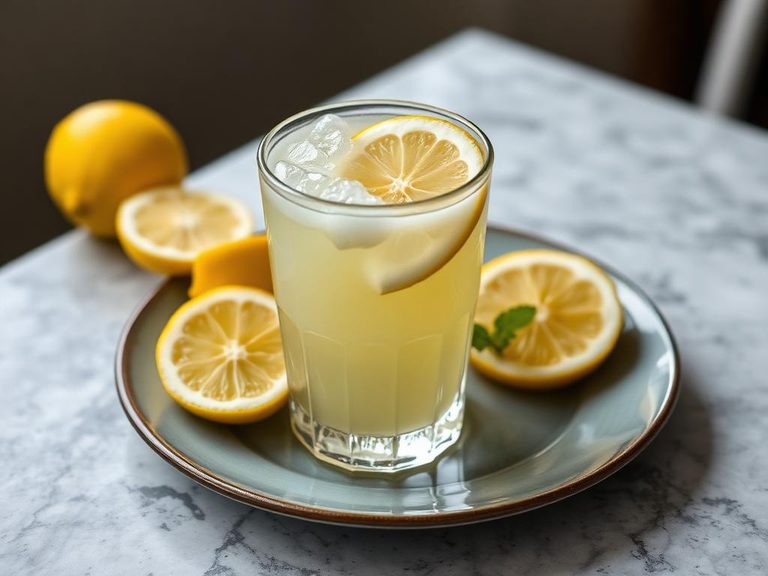

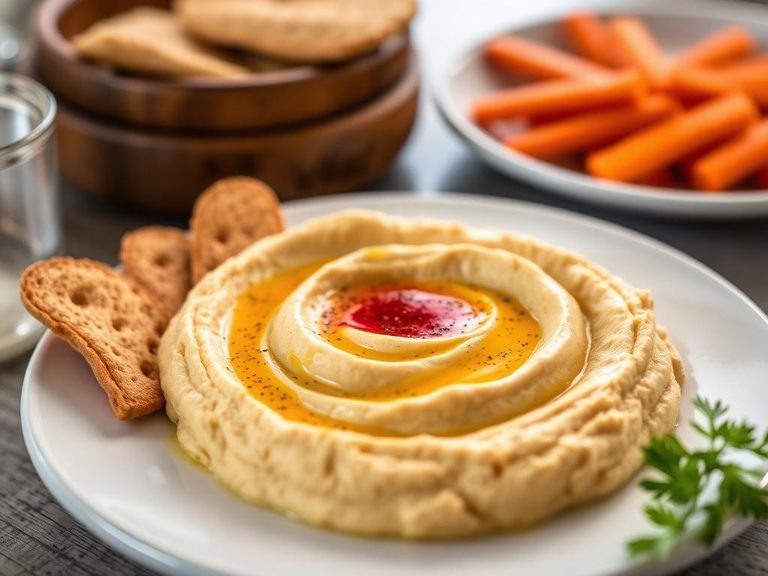
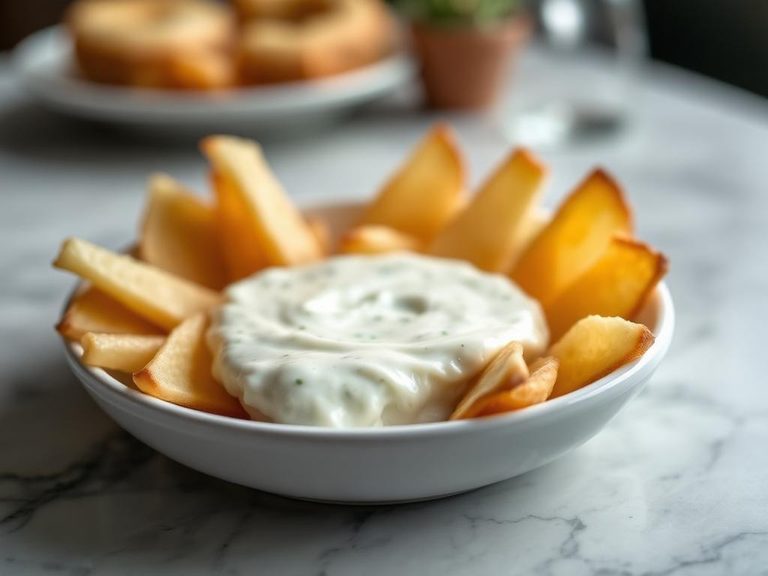
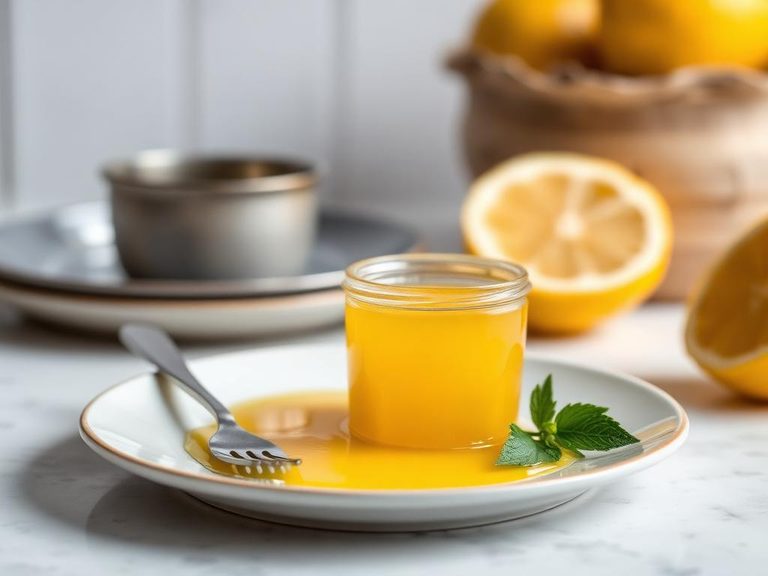
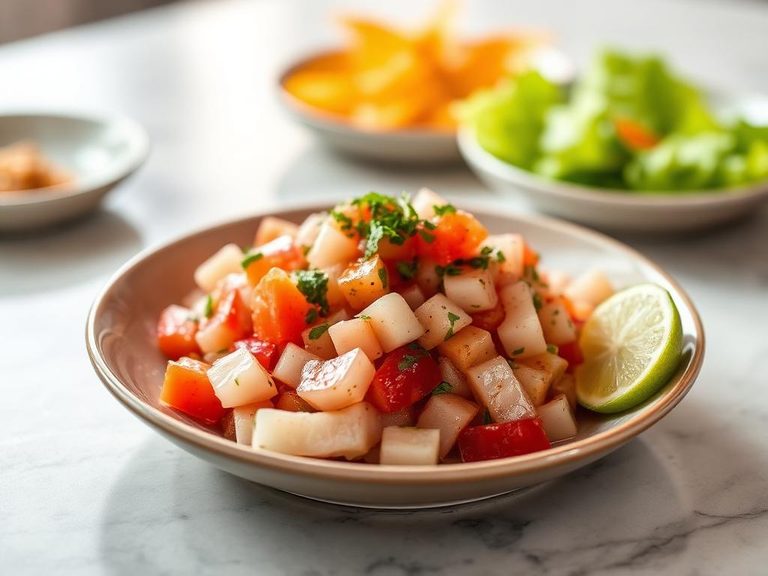
🌍 Where it's eaten
💡 Did you know?
The 'from concentrate' process involves evaporating the water from fresh juice for efficient shipping, then adding water back in at the bottling plant—this is why it's often more affordable and consistent in flavor than fresh-squeezed.
Full nutrition (USDA data · scales with serving)
| Water | 93.6 g |
| Energy | 17.0 kcal |
| Energy | 73.0 kj |
| Protein | 0.47 g |
| Total lipid (fat) | 0.07 g |
| Ash | 0.23 g |
| Carbohydrate, by difference | 5.7 g |
| Fiber, total dietary | 0.70 g |
| Total Sugars | 1.6 g |
| Sucrose | 0.00 g |
| Glucose | 0.88 g |
| Fructose | 0.71 g |
| Lactose | 0.00 g |
| Maltose | 0.00 g |
| Galactose | 0.00 g |
| Calcium, Ca | 9.0 mg |
| Iron, Fe | 0.06 mg |
| Magnesium, Mg | 6.0 mg |
| Phosphorus, P | 9.0 mg |
| Potassium, K | 109 mg |
| Sodium, Na | 26.0 mg |
| Zinc, Zn | 0.23 mg |
| Copper, Cu | 0.02 mg |
| Manganese, Mn | 0.02 mg |
| Vitamin C, total ascorbic acid | 16.6 mg |
| Thiamin | 0.02 mg |
| Riboflavin | 0.02 mg |
| Niacin | 0.18 mg |
| Pantothenic acid | 0.09 mg |
| Vitamin B-6 | 0.04 mg |
| Folate, total | 11.0 ug |
| Folate, food | 11.0 ug |
| Vitamin A, RAE | 2.0 ug |
| Carotene, beta | 0.00 ug |
| Carotene, alpha | 0.00 ug |
| Cryptoxanthin, beta | 40.0 ug |
| Vitamin A, IU | 33.0 iu |
| Lycopene | 0.00 ug |
| Lutein + zeaxanthin | 11.0 ug |
| Vitamin E (alpha-tocopherol) | 0.23 mg |
| Tocopherol, beta | 0.00 mg |
| Tocopherol, gamma | 0.00 mg |
| Tocopherol, delta | 0.00 mg |
| Tocotrienol, alpha | 0.00 mg |
| Tocotrienol, beta | 0.00 mg |
| Tocotrienol, gamma | 0.00 mg |
| Tocotrienol, delta | 0.00 mg |
| Vitamin K (phylloquinone) | 0.10 ug |
| Vitamin K (Dihydrophylloquinone) | 0.00 ug |
| Vitamin K (Menaquinone-4) | 0.00 ug |
Fat & fatty acid profile (per 100g)
| Fatty acids, total saturated | 0.03 g |
| SFA 4:0 | 0.00 g |
| SFA 6:0 | 0.00 g |
| SFA 8:0 | 0.00 g |
| SFA 10:0 | 0.00 g |
| SFA 12:0 | 0.00 g |
| SFA 14:0 | 0.00 g |
| SFA 15:0 | 0.00 g |
| SFA 16:0 | 0.01 g |
| SFA 17:0 | 0.00 g |
| SFA 18:0 | 0.01 g |
| SFA 20:0 | 0.00 g |
| SFA 22:0 | 0.00 g |
| SFA 24:0 | 0.00 g |
| Fatty acids, total monounsaturated | 0.01 g |
| MUFA 14:1 | 0.00 g |
| MUFA 15:1 | 0.00 g |
| MUFA 16:1 | 0.00 g |
| MUFA 16:1 c | 0.00 g |
| MUFA 17:1 | 0.00 g |
| MUFA 18:1 | 0.01 g |
| MUFA 18:1 c | 0.01 g |
| MUFA 20:1 | 0.00 g |
| MUFA 22:1 | 0.00 g |
| MUFA 22:1 c | 0.00 g |
| MUFA 24:1 c | 0.00 g |
| Fatty acids, total polyunsaturated | 0.02 g |
| PUFA 18:2 | 0.01 g |
| PUFA 18:2 n-6 c,c | 0.01 g |
| PUFA 18:2 CLAs | 0.00 g |
| PUFA 18:3 | 0.01 g |
| PUFA 18:3 n-3 c,c,c (ALA) | 0.01 g |
| PUFA 18:3 n-6 c,c,c | 0.00 g |
| PUFA 18:3i | 0.00 g |
| PUFA 18:4 | 0.00 g |
| PUFA 20:2 n-6 c,c | 0.00 g |
| PUFA 20:3 | 0.00 g |
| PUFA 20:3 n-3 | 0.00 g |
| PUFA 20:3 n-6 | 0.00 g |
| PUFA 20:4 | 0.00 g |
| PUFA 20:5 n-3 (EPA) | 0.00 g |
| PUFA 22:4 | 0.00 g |
| PUFA 22:5 n-3 (DPA) | 0.00 g |
| PUFA 22:6 n-3 (DHA) | 0.00 g |
| Fatty acids, total trans | 0.00 g |
| Fatty acids, total trans-monoenoic | 0.00 g |
| TFA 16:1 t | 0.00 g |
| TFA 18:1 t | 0.00 g |
| TFA 22:1 t | 0.00 g |
| TFA 18:2 t not further defined | 0.00 g |
| Fatty acids, total trans-polyenoic | 0.00 g |
Amino acid profile (per 100g)
Estimated from Cookies, ladyfingers, without lemon juice and rind — USDA does not publish this profile for Lemon juice from concentrate.
| Tryptophan | 0.13 g |
| Threonine | 0.47 g |
| Isoleucine | 0.52 g |
| Leucine | 0.86 g |
| Lysine | 0.68 g |
| Methionine | 0.27 g |
| Cystine | 0.22 g |
| Phenylalanine | 0.51 g |
| Tyrosine | 0.41 g |
| Valine | 0.58 g |
| Arginine | 0.61 g |
| Histidine | 0.25 g |
| Alanine | 0.50 g |
| Aspartic acid | 0.89 g |
| Glutamic acid | 1.9 g |
| Glycine | 0.35 g |
| Proline | 0.63 g |
| Serine | 0.76 g |
FAQ
How does bottled lemon juice compare to fresh-squeezed?
Bottled juice from concentrate is pasteurized for safety, which can slightly alter the fresh, floral notes. It's more consistent in acidity and cheaper, but fresh juice often has a brighter, more complex flavor.
Can I use it in baking instead of fresh lemon juice?
Yes, it's a perfect 1:1 substitute in most recipes like cakes, cookies, or marinades. Its consistent acidity makes it reliable for chemical reactions with baking soda.
Why is it sometimes called 'Real Lemon'?
'Real Lemon' is a popular brand name that has become a generic term for bottled lemon juice, much like 'Kleenex' for tissues. It signifies it's made from actual lemons, not artificial flavoring.
Nutrient density (calculated · NRF9.3)
Nutrient Rich Foods index: beneficial nutrients (protein, fiber, vitamins, minerals) minus saturated fat, added sugar & sodium, per 100 kcal.
NRF9.3 index — Fulgoni, Keast & Drewnowski, 2009. Computed from USDA nutrients.
Weight-loss friendliness (composite index)
Energy density 0.17 kcal/g · 11% calories from protein · 0.7 g fiber · 1.6 g sugar per 100 g.
Composite of energy density (Rolls et al., 1999), protein & fiber satiety, minus sugar. A calculated heuristic — ranks satiety-per-calorie, not a clinical measure.
Dietary load (calculated from USDA values)
Potential renal acid load. Positive = acid-forming, negative = alkaline-forming.
Sodium-to-potassium ratio: 0.24 (lower is better — aim for ≤ 1)
Sodium:potassium per WHO potassium guidance. Computed from USDA nutrients.