

Fish, tuna, canned
Common food
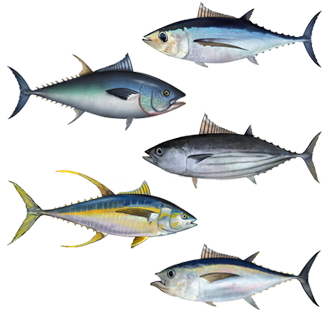
Photo: Wikipedia
Canned tuna is a shelf-stable, pre-cooked staple made from loins or chunks of tuna fish, typically packed in water or oil. Its texture is flaky and firm, with a mild, savory flavor that readily absorbs dressings and seasonings. Nutritionally, it's a powerhouse of lean protein with virtually no carbohydrates.
Calorie split: 90% protein · 0% carbs · 10% fat
↓ Full nutrition💚 Why it's loved
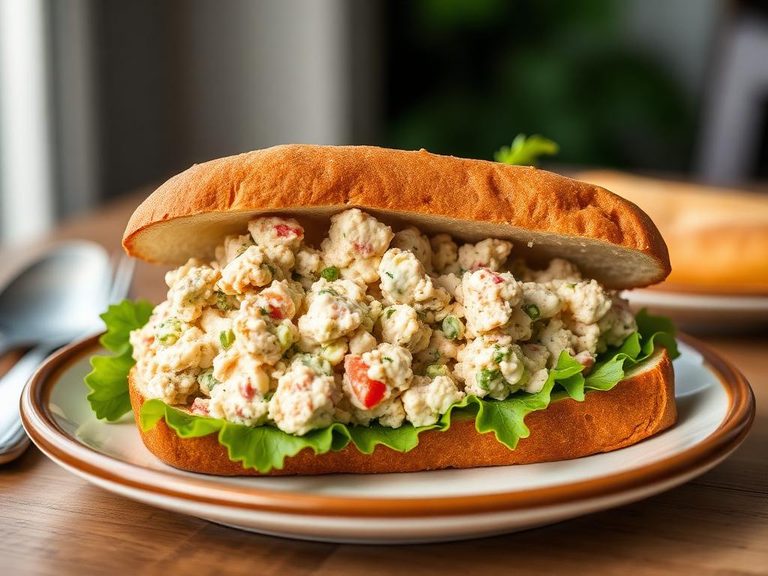
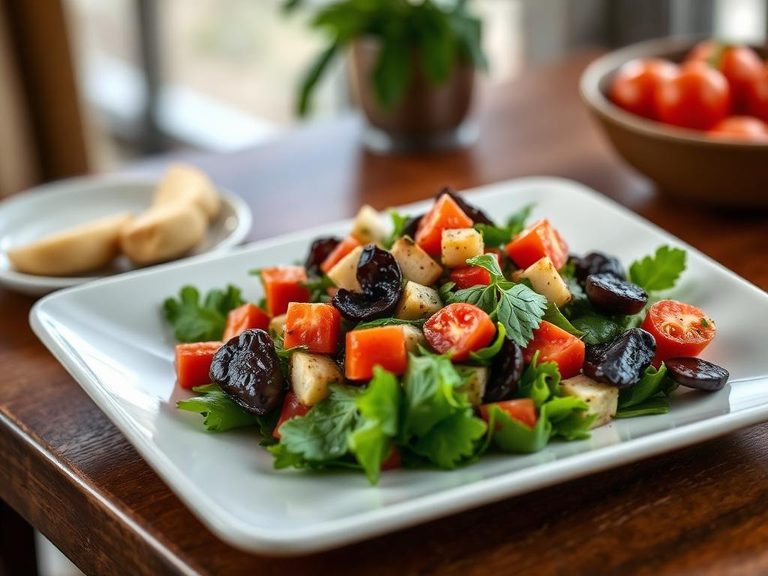
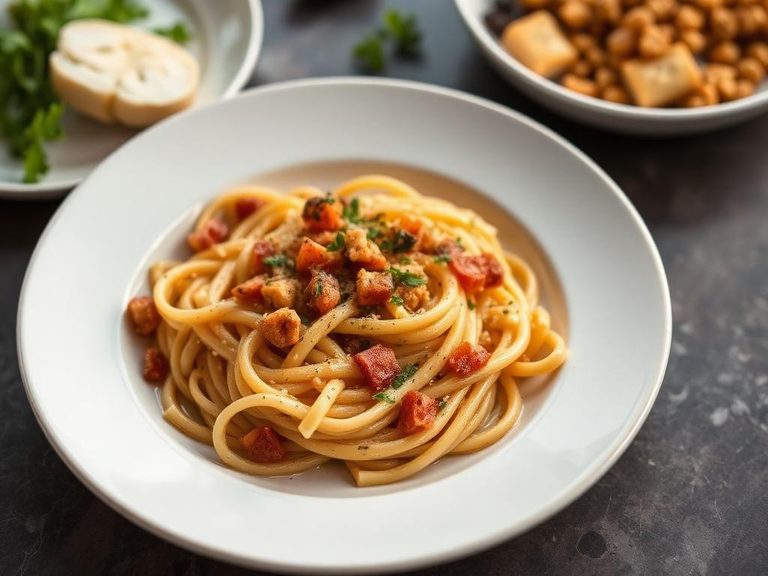
People love it for its incredible convenience and versatility—it's ready to eat straight from the can for a quick, protein-packed meal. Its mild flavor makes it a blank canvas for everything from classic salads to spicy pasta dishes.
⚠️ Watch-outs & how to enjoy it better
Some varieties can be high in sodium, and certain tuna species (like albacore) can contain higher levels of mercury. To counteract sodium, look for 'no salt added' versions or rinse the tuna briefly under water. To minimize mercury exposure, vary your seafood choices and opt for smaller species like skipjack (often labeled 'light' tuna).
Key benefits
- Excellent source of high-quality, complete protein
- Very low in carbohydrates and sugars
- Rich in omega-3 fatty acids (EPA and DHA)
- Convenient, long-lasting pantry staple
- Contains selenium and B vitamins like niacin
🍽️ Popular dishes
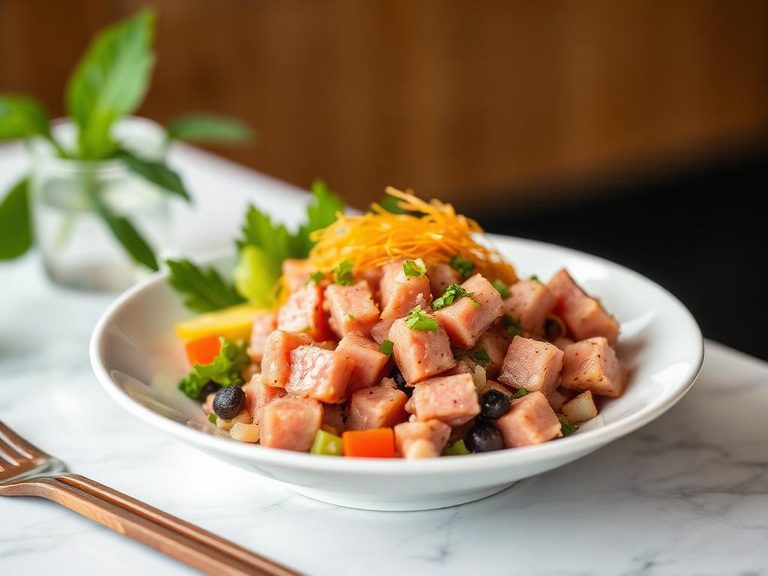
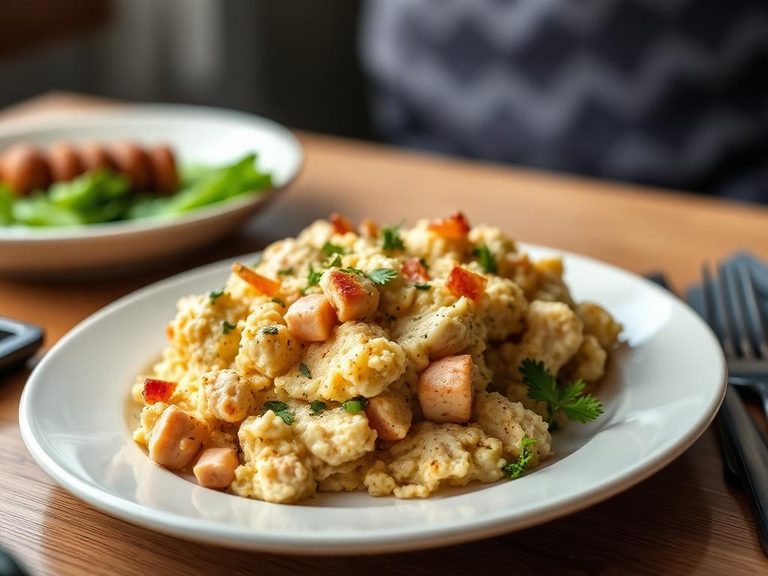
🌍 Where it's eaten
💡 Did you know?
The process of canning tuna was developed in the early 1900s specifically for long-distance sea voyages, turning a perishable catch into a durable, global commodity.
Full nutrition (USDA data · scales with serving)
| Water | 79.0 g |
| Energy | 85.0 kcal |
| Protein | 19.0 g |
| Total lipid (fat) | 0.94 g |
| Carbohydrate, by difference | 0.08 g |
| Fiber, total dietary | 0.00 g |
| Total Sugars | 0.00 g |
| Calcium, Ca | 18.0 mg |
| Iron, Fe | 1.7 mg |
| Magnesium, Mg | 23.0 mg |
| Phosphorus, P | 137 mg |
| Potassium, K | 176 mg |
| Sodium, Na | 219 mg |
| Zinc, Zn | 0.66 mg |
| Copper, Cu | 0.05 mg |
| Selenium, Se | 67.8 ug |
| Vitamin C, total ascorbic acid | 0.00 mg |
| Thiamin | 0.03 mg |
| Riboflavin | 0.08 mg |
| Niacin | 9.9 mg |
| Vitamin B-6 | 0.32 mg |
| Folate, total | 4.0 ug |
| Folic acid | 0.00 ug |
| Folate, food | 4.0 ug |
| Folate, DFE | 4.0 ug |
| Choline, total | 29.3 mg |
| Vitamin B-12 | 2.6 ug |
| Vitamin B-12, added | 0.00 ug |
| Vitamin A, RAE | 17.0 ug |
| Retinol | 17.0 ug |
| Carotene, beta | 0.00 ug |
| Carotene, alpha | 0.00 ug |
| Cryptoxanthin, beta | 0.00 ug |
| Lycopene | 0.00 ug |
| Lutein + zeaxanthin | 0.00 ug |
| Vitamin E (alpha-tocopherol) | 0.33 mg |
| Vitamin E, added | 0.00 mg |
| Vitamin D (D2 + D3) | 1.2 ug |
| Vitamin K (phylloquinone) | 0.20 ug |
| Alcohol, ethyl | 0.00 g |
| Caffeine | 0.00 mg |
| Theobromine | 0.00 mg |
Fat & fatty acid profile (per 100g)
| Fatty acids, total saturated | 0.22 g |
| SFA 4:0 | 0.00 g |
| SFA 6:0 | 0.00 g |
| SFA 8:0 | 0.00 g |
| SFA 10:0 | 0.00 g |
| SFA 12:0 | 0.00 g |
| SFA 14:0 | 0.01 g |
| SFA 16:0 | 0.13 g |
| SFA 18:0 | 0.05 g |
| Fatty acids, total monounsaturated | 0.11 g |
| MUFA 16:1 | 0.02 g |
| MUFA 18:1 | 0.09 g |
| MUFA 20:1 | 0.00 g |
| MUFA 22:1 | 0.00 g |
| Fatty acids, total polyunsaturated | 0.26 g |
| PUFA 18:2 | 0.01 g |
| PUFA 18:3 | 0.00 g |
| PUFA 18:4 | 0.00 g |
| PUFA 20:4 | 0.02 g |
| PUFA 20:5 n-3 (EPA) | 0.03 g |
| PUFA 22:5 n-3 (DPA) | 0.00 g |
| PUFA 22:6 n-3 (DHA) | 0.20 g |
| Cholesterol | 36.0 mg |
Amino acid profile (per 100g)
Estimated from Fish, fish sticks, frozen, prepared — USDA does not publish this profile for Fish.
| Tryptophan | 0.12 g |
| Threonine | 0.37 g |
| Isoleucine | 0.43 g |
| Leucine | 0.85 g |
| Lysine | 0.80 g |
| Methionine | 0.30 g |
| Phenylalanine | 0.47 g |
| Tyrosine | 0.29 g |
| Valine | 0.50 g |
| Arginine | 0.59 g |
| Histidine | 0.23 g |
| Alanine | 0.55 g |
| Aspartic acid | 0.82 g |
| Glutamic acid | 2.3 g |
| Glycine | 0.47 g |
| Proline | 0.78 g |
| Serine | 0.49 g |
| Hydroxyproline | 0.00 g |
FAQ
What's the difference between tuna packed in water vs. oil?
Tuna in water has fewer calories and less fat, making it leaner. Tuna in oil (often olive or vegetable) is higher in calories and fat but can be more moist and flavorful, with the oil adding its own taste.
Is canned tuna cooked?
Yes, the tuna is fully cooked during the canning process, which involves sealing the fish in the can and heating it to a high temperature to kill bacteria and make it shelf-stable.
How long does canned tuna last after opening?
Once opened, transfer any unused tuna to a sealed container and refrigerate. It should be consumed within 2-3 days for best quality and safety.
Nutrient density (calculated · NRF9.3)
Nutrient Rich Foods index: beneficial nutrients (protein, fiber, vitamins, minerals) minus saturated fat, added sugar & sodium, per 100 kcal.
NRF9.3 index — Fulgoni, Keast & Drewnowski, 2009. Computed from USDA nutrients.
Weight-loss friendliness (composite index)
Energy density 0.85 kcal/g · 89% calories from protein · 0.0 g fiber · 0.0 g sugar per 100 g.
Composite of energy density (Rolls et al., 1999), protein & fiber satiety, minus sugar. A calculated heuristic — ranks satiety-per-calorie, not a clinical measure.
Dietary load (calculated from USDA values)
Potential renal acid load. Positive = acid-forming, negative = alkaline-forming.
Sodium-to-potassium ratio: 1.24 (lower is better — aim for ≤ 1)
Sodium:potassium per WHO potassium guidance. Computed from USDA nutrients.