

Fish, tuna, light, canned in oil, without salt, drained solids
Whole food · Finfish and Shellfish Products
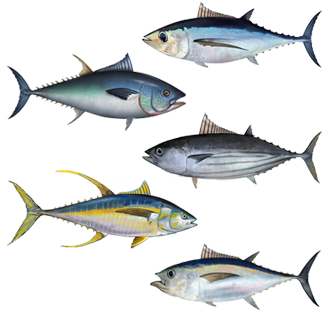
Photo: Wikipedia
This is light tuna, a lean and mild-flavored fish, typically made from skipjack or yellowfin, that's been canned in oil and drained. The texture is flaky and tender, with a subtle, savory taste that's less 'fishy' than its albacore cousin. Nutritionally, it's a powerhouse of high-quality protein with virtually no carbs or sugar.
Calorie split: 61% protein · 0% carbs · 39% fat
↓ Full nutrition💚 Why it's loved
People adore its incredible versatility and mild flavor, which acts as a blank canvas for everything from classic sandwiches to spicy salads. It's a cultural staple for quick, affordable, and nutritious meals worldwide, especially in Mediterranean and Asian cuisines.
⚠️ Watch-outs & how to enjoy it better
The primary concern is potential mercury content, so pregnant women and young children should moderate intake. The canning oil adds calories and fat, and some brands may have higher sodium. To counteract this, choose brands packed in water or olive oil, rinse the tuna to reduce sodium, and pair it with fiber-rich vegetables to balance the meal.
Key benefits
- Excellent source of lean protein (29g per 100g)
- Rich in omega-3 fatty acids for heart health
- Provides key nutrients like selenium and niacin
- Convenient, shelf-stable, and ready-to-eat
- Zero carbohydrates, making it keto-friendly
🍽️ Popular dishes
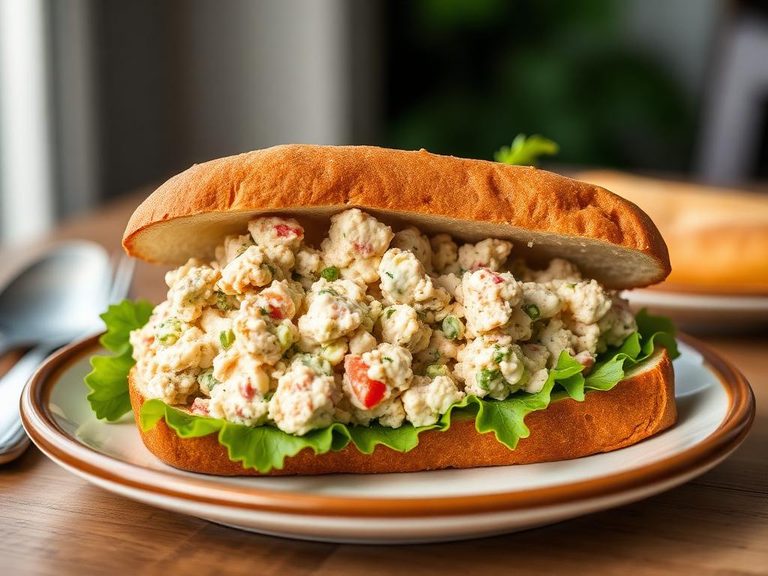
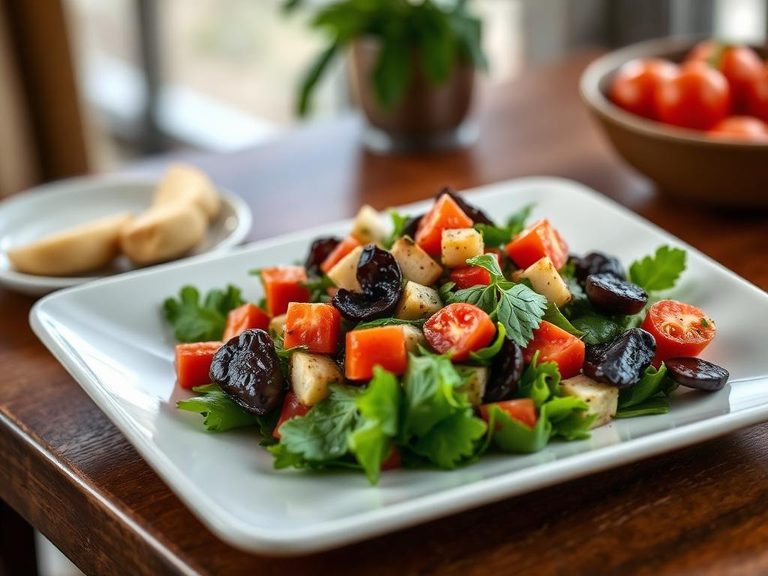
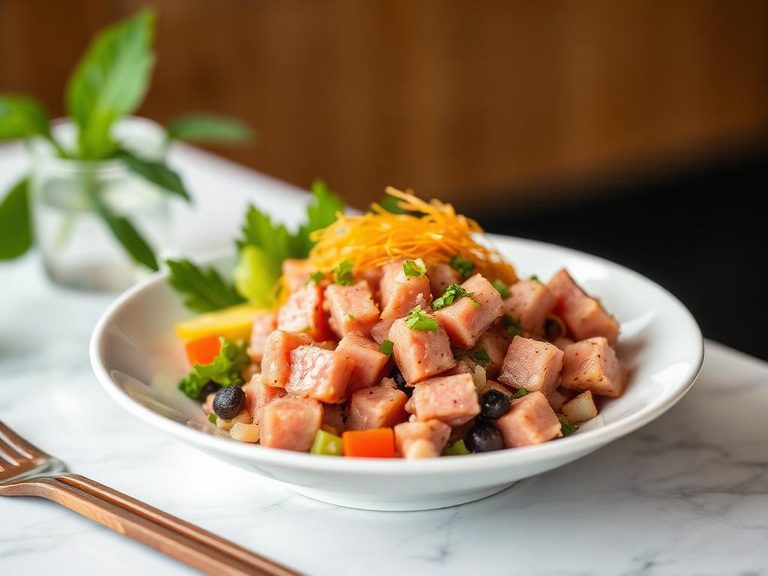
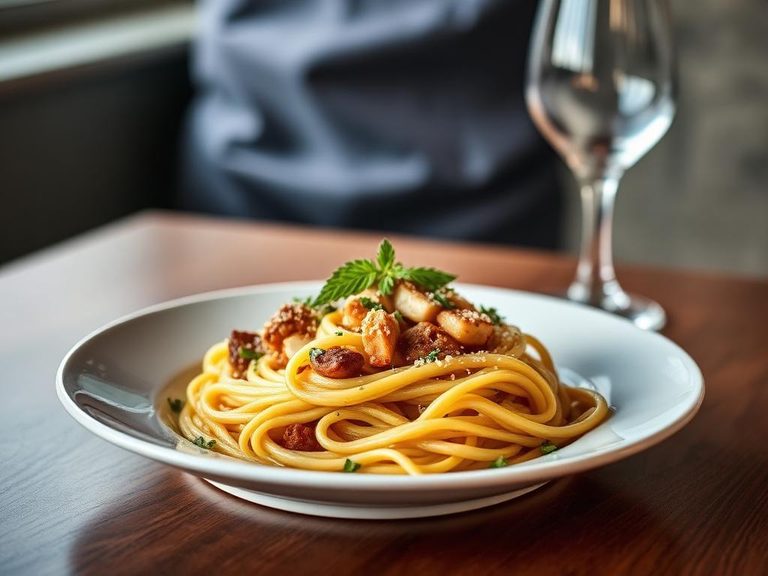
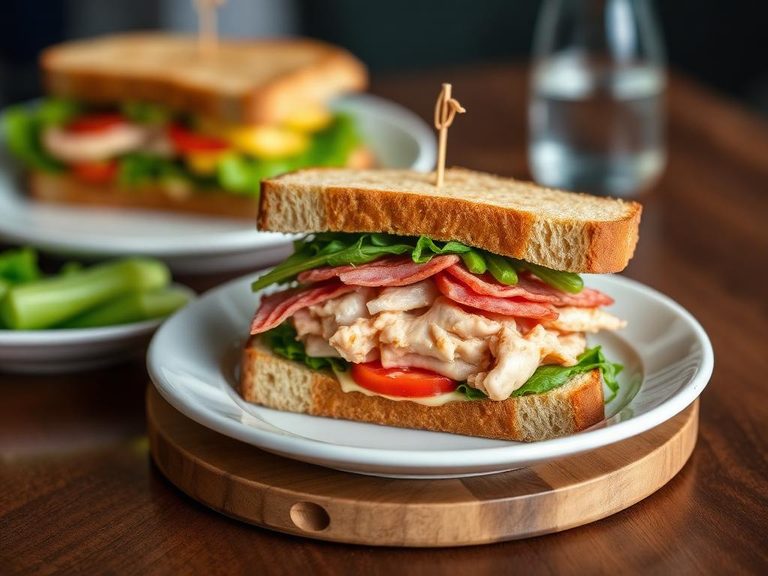
🌍 Where it's eaten
💡 Did you know?
The 'light' in light tuna primarily refers to the species (like skipjack) and its darker, stronger-flavored meat, not necessarily a lower calorie count compared to white (albacore) tuna.
Full nutrition (USDA data · scales with serving)
| Water | 59.8 g |
| Energy | 198 kcal |
| Energy | 830 kj |
| Protein | 29.1 g |
| Total lipid (fat) | 8.2 g |
| Ash | 2.8 g |
| Carbohydrate, by difference | 0.00 g |
| Fiber, total dietary | 0.00 g |
| Calcium, Ca | 13.0 mg |
| Iron, Fe | 1.4 mg |
| Magnesium, Mg | 31.0 mg |
| Phosphorus, P | 311 mg |
| Potassium, K | 207 mg |
| Sodium, Na | 50.0 mg |
| Zinc, Zn | 0.90 mg |
| Copper, Cu | 0.07 mg |
| Manganese, Mn | 0.01 mg |
| Selenium, Se | 76.0 ug |
| Fluoride, F | 31.0 ug |
| Vitamin C, total ascorbic acid | 0.00 mg |
| Thiamin | 0.04 mg |
| Riboflavin | 0.12 mg |
| Niacin | 12.4 mg |
| Pantothenic acid | 0.37 mg |
| Vitamin B-6 | 0.11 mg |
| Folate, total | 5.0 ug |
| Folic acid | 0.00 ug |
| Folate, food | 5.0 ug |
| Folate, DFE | 5.0 ug |
| Vitamin B-12 | 2.2 ug |
| Vitamin A, IU | 78.0 iu |
Fat & fatty acid profile (per 100g)
| Fatty acids, total saturated | 1.5 g |
| SFA 14:0 | 0.03 g |
| SFA 16:0 | 1.4 g |
| SFA 18:0 | 0.09 g |
| Fatty acids, total monounsaturated | 2.9 g |
| MUFA 16:1 | 0.08 g |
| MUFA 18:1 | 2.8 g |
| MUFA 20:1 | 0.03 g |
| Fatty acids, total polyunsaturated | 2.9 g |
| PUFA 18:2 | 2.7 g |
| PUFA 18:3 | 0.07 g |
| PUFA 20:5 n-3 (EPA) | 0.03 g |
| PUFA 22:6 n-3 (DHA) | 0.10 g |
| Cholesterol | 18.0 mg |
Amino acid profile (per 100g)
| Tryptophan | 0.33 g |
| Threonine | 1.3 g |
| Isoleucine | 1.3 g |
| Leucine | 2.4 g |
| Lysine | 2.7 g |
| Methionine | 0.86 g |
| Cystine | 0.31 g |
| Phenylalanine | 1.1 g |
| Tyrosine | 0.98 g |
| Valine | 1.5 g |
| Arginine | 1.7 g |
| Histidine | 0.86 g |
| Alanine | 1.8 g |
| Aspartic acid | 3.0 g |
| Glutamic acid | 4.3 g |
| Glycine | 1.4 g |
| Proline | 1.0 g |
| Serine | 1.2 g |
FAQ
What's the difference between light and white tuna?
Light tuna is usually made from smaller, more abundant species like skipjack, has a darker color, stronger flavor, and is generally lower in mercury and price. White tuna is typically albacore, with a milder taste and lighter color.
Is canned tuna in oil healthier than in water?
It depends on your goals. Oil adds calories and fat, but can also add flavor and help absorb fat-soluble vitamins. If you're watching calories, water-packed is leaner. If you want heart-healthy fats, choose tuna packed in olive oil and drain well.
How can I use canned tuna in cooking?
Beyond sandwiches and salads, you can mix it into pasta sauces, stuff it into bell peppers or tomatoes, make tuna patties or croquettes, or fold it into omelets and frittatas for a protein boost.
Nutrient density (calculated · NRF9.3)
Nutrient Rich Foods index: beneficial nutrients (protein, fiber, vitamins, minerals) minus saturated fat, added sugar & sodium, per 100 kcal.
NRF9.3 index — Fulgoni, Keast & Drewnowski, 2009. Computed from USDA nutrients.
Weight-loss friendliness (composite index)
Energy density 1.98 kcal/g · 59% calories from protein · 0.0 g fiber · 0.0 g sugar per 100 g.
Composite of energy density (Rolls et al., 1999), protein & fiber satiety, minus sugar. A calculated heuristic — ranks satiety-per-calorie, not a clinical measure.
Dietary load (calculated from USDA values)
Potential renal acid load. Positive = acid-forming, negative = alkaline-forming.
Sodium-to-potassium ratio: 0.24 (lower is better — aim for ≤ 1)
Sodium:potassium per WHO potassium guidance. Computed from USDA nutrients.