

Limes, raw
Whole food · Fruits and Fruit Juices
The raw lime is a small, glossy citrus fruit with a thin, aromatic rind and a sharply acidic, tangy pulp that awakens the palate. Its vibrant green skin and segmented interior are packed with juice, offering a burst of refreshing flavor with virtually no fat. Nutritionally, it's a standout for its high vitamin C content and significant dietary fiber relative to its low calorie count.
Calorie split: 6% protein · 90% carbs · 4% fat
↓ Full nutrition💚 Why it's loved
People adore limes for their electrifying, sour punch that can brighten and balance countless dishes, from savory curries to sweet desserts. Their incredible versatility and aromatic zest make them a foundational ingredient in cuisines worldwide, symbolizing freshness and zest.
⚠️ Watch-outs & how to enjoy it better
The high acidity can be harsh on tooth enamel and may aggravate acid reflux or mouth sores for some individuals. To mitigate, rinse your mouth with water after consuming, avoid brushing teeth immediately, and consider diluting lime juice in water or pairing it with other foods to buffer the acidity.
Key benefits
- Excellent source of immune-supporting vitamin C
- Provides digestive-supporting dietary fiber
- Contains flavonoid antioxidants like hesperidin
- Adds intense flavor with negligible calories and fat
- May enhance non-heme iron absorption from plant foods
🍽️ Popular dishes
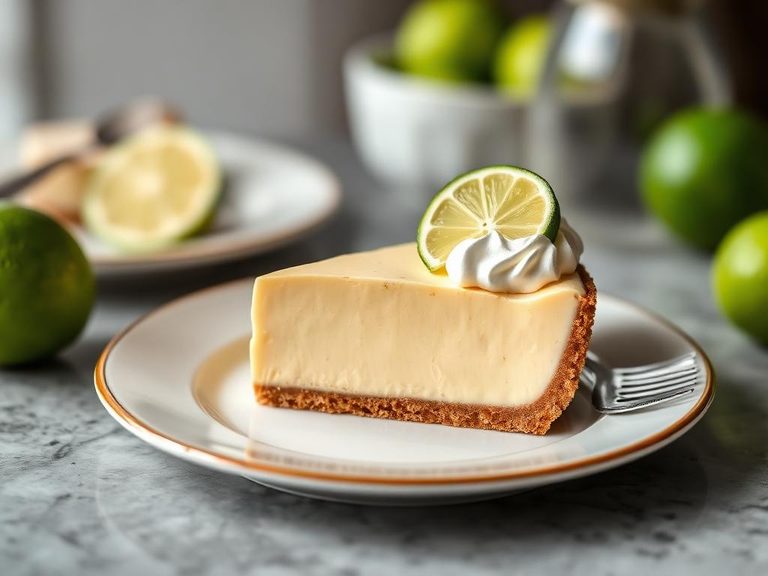
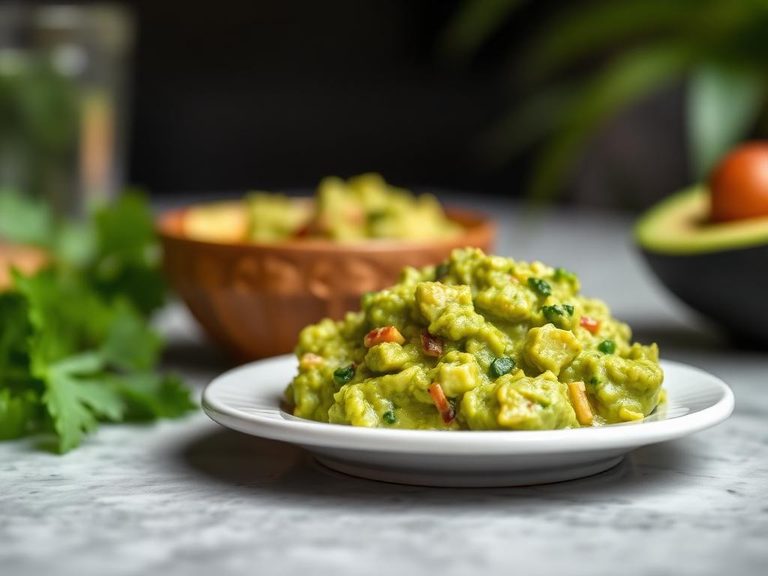
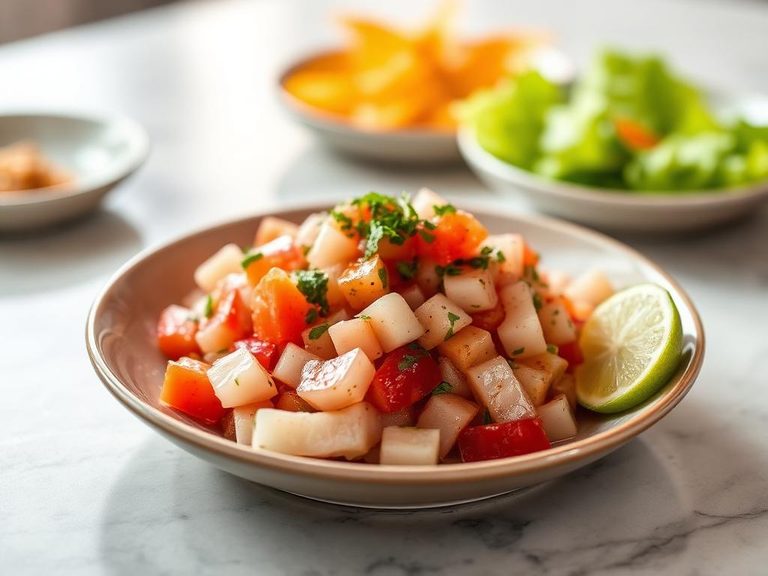
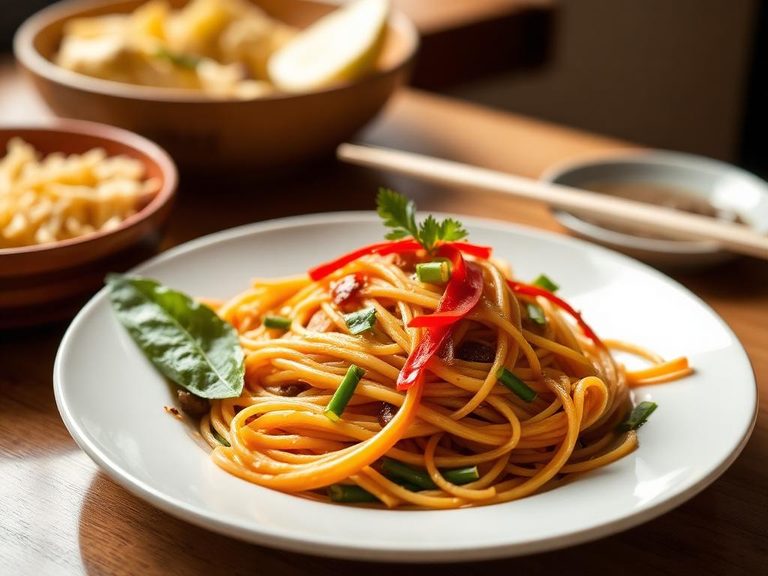

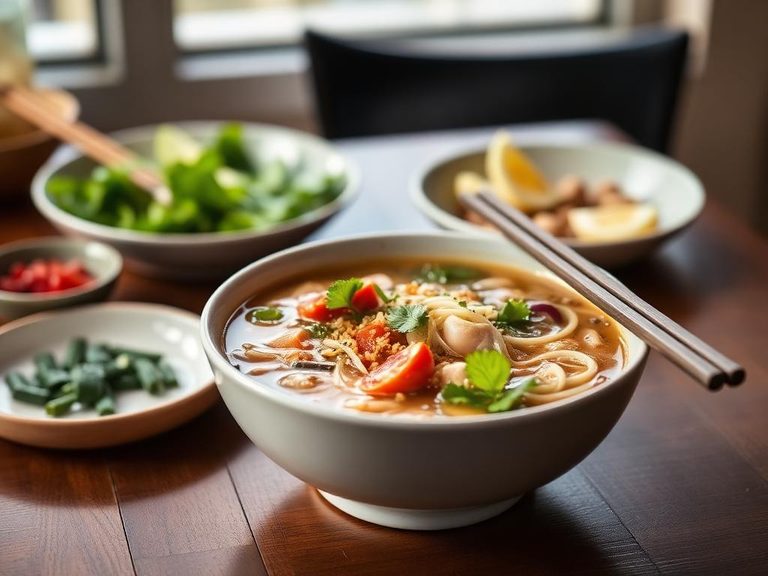
🌍 Where it's eaten
💡 Did you know?
The name 'lime' is believed to derive from the Arabic 'līma,' but the fruit's journey to the Americas was driven by the British Royal Navy's 19th-century mandate to prevent scurvy, leading to the nickname 'limey' for British sailors.
Full nutrition (USDA data · scales with serving)
| Water | 88.3 g |
| Energy | 30.0 kcal |
| Energy | 126 kj |
| Protein | 0.70 g |
| Total lipid (fat) | 0.20 g |
| Ash | 0.30 g |
| Carbohydrate, by difference | 10.5 g |
| Fiber, total dietary | 2.8 g |
| Total Sugars | 1.7 g |
| Calcium, Ca | 33.0 mg |
| Iron, Fe | 0.60 mg |
| Magnesium, Mg | 6.0 mg |
| Phosphorus, P | 18.0 mg |
| Potassium, K | 102 mg |
| Sodium, Na | 2.0 mg |
| Zinc, Zn | 0.11 mg |
| Copper, Cu | 0.07 mg |
| Manganese, Mn | 0.01 mg |
| Selenium, Se | 0.40 ug |
| Vitamin C, total ascorbic acid | 29.1 mg |
| Thiamin | 0.03 mg |
| Riboflavin | 0.02 mg |
| Niacin | 0.20 mg |
| Pantothenic acid | 0.22 mg |
| Vitamin B-6 | 0.04 mg |
| Folate, total | 8.0 ug |
| Folic acid | 0.00 ug |
| Folate, food | 8.0 ug |
| Folate, DFE | 8.0 ug |
| Choline, total | 5.1 mg |
| Vitamin B-12 | 0.00 ug |
| Vitamin B-12, added | 0.00 ug |
| Vitamin A, RAE | 2.0 ug |
| Retinol | 0.00 ug |
| Carotene, beta | 30.0 ug |
| Carotene, alpha | 0.00 ug |
| Cryptoxanthin, beta | 0.00 ug |
| Vitamin A, IU | 50.0 iu |
| Lycopene | 0.00 ug |
| Lutein + zeaxanthin | 0.00 ug |
| Vitamin E (alpha-tocopherol) | 0.22 mg |
| Vitamin E, added | 0.00 mg |
| Vitamin D (D2 + D3), International Units | 0.00 iu |
| Vitamin D (D2 + D3) | 0.00 ug |
| Vitamin K (phylloquinone) | 0.60 ug |
| Alcohol, ethyl | 0.00 g |
| Caffeine | 0.00 mg |
| Theobromine | 0.00 mg |
Fat & fatty acid profile (per 100g)
| Fatty acids, total saturated | 0.02 g |
| SFA 4:0 | 0.00 g |
| SFA 6:0 | 0.00 g |
| SFA 8:0 | 0.00 g |
| SFA 10:0 | 0.00 g |
| SFA 12:0 | 0.00 g |
| SFA 14:0 | 0.00 g |
| SFA 16:0 | 0.02 g |
| SFA 18:0 | 0.00 g |
| Fatty acids, total monounsaturated | 0.02 g |
| MUFA 16:1 | 0.00 g |
| MUFA 18:1 | 0.02 g |
| MUFA 20:1 | 0.00 g |
| MUFA 22:1 | 0.00 g |
| Fatty acids, total polyunsaturated | 0.06 g |
| PUFA 18:2 | 0.04 g |
| PUFA 18:3 | 0.02 g |
| PUFA 18:4 | 0.00 g |
| PUFA 20:4 | 0.00 g |
| PUFA 20:5 n-3 (EPA) | 0.00 g |
| PUFA 22:5 n-3 (DPA) | 0.00 g |
| PUFA 22:6 n-3 (DHA) | 0.00 g |
| Fatty acids, total trans | 0.00 g |
| Cholesterol | 0.00 mg |
Amino acid profile (per 100g)
| Tryptophan | 0.00 g |
| Lysine | 0.01 g |
| Methionine | 0.00 g |
FAQ
What's the difference between a lime and a lemon?
Limes are typically smaller, rounder, and green when ripe, with a more bitter and intensely acidic flavor. Lemons are larger, oval, yellow, and have a slightly less sharp, more floral acidity. Nutritionally, they are very similar, with lemons often having slightly more vitamin C.
How do I get the most juice from a lime?
Roll the lime firmly on a countertop with your palm before cutting to break down the internal membranes. You can also microwave it for 10-15 seconds or soak it in warm water. Use a citrus reamer or fork to extract the juice efficiently.
Can I eat the lime peel or zest?
Yes, the zest (the outer colored layer) is packed with aromatic oils and is excellent in baking, marinades, and dressings. Avoid the white pith beneath it, as it is very bitter. Always wash limes thoroughly if using the zest, especially if not organic.
Nutrient density (calculated · NRF9.3)
Nutrient Rich Foods index: beneficial nutrients (protein, fiber, vitamins, minerals) minus saturated fat, added sugar & sodium, per 100 kcal.
NRF9.3 index — Fulgoni, Keast & Drewnowski, 2009. Computed from USDA nutrients.
Weight-loss friendliness (composite index)
Energy density 0.30 kcal/g · 9% calories from protein · 2.8 g fiber · 1.7 g sugar per 100 g.
Composite of energy density (Rolls et al., 1999), protein & fiber satiety, minus sugar. A calculated heuristic — ranks satiety-per-calorie, not a clinical measure.
Dietary load (calculated from USDA values)
Potential renal acid load. Positive = acid-forming, negative = alkaline-forming.
Sodium-to-potassium ratio: 0.02 (lower is better — aim for ≤ 1)
Sodium:potassium per WHO potassium guidance. Computed from USDA nutrients.