

Lemon juice, raw
Whole food · Fruits and Fruit Juices

Photo: Wikipedia
Lemon juice, raw is the bright, tangy liquid extracted from fresh lemons, prized for its sharp, acidic punch and refreshing aroma. Nutritionally, it is a low-calorie powerhouse, delivering a significant dose of vitamin C (ascorbic acid) with minimal calories, carbs, or fat. Its primary culinary role is as a flavor enhancer, cutting through richness and brightening dishes.
Calorie split: 4% protein · 89% carbs · 7% fat
↓ Full nutrition💚 Why it's loved
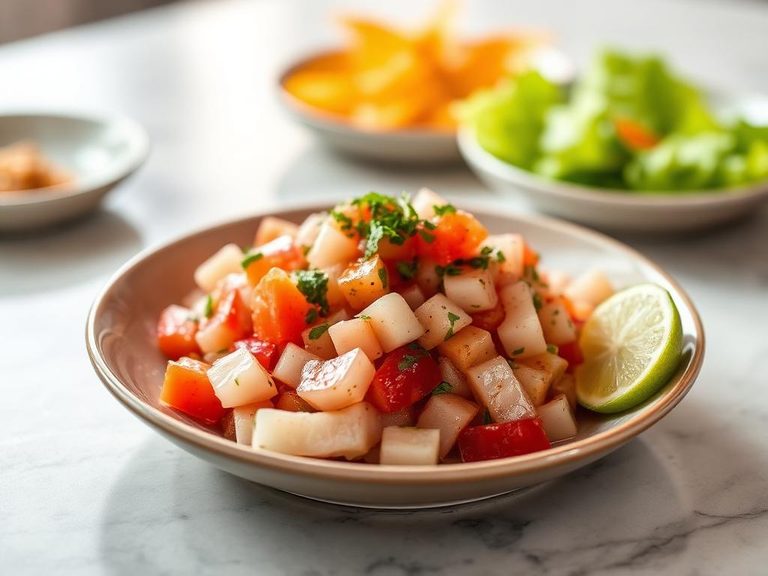
People love lemon juice for its unparalleled ability to instantly brighten and balance flavors, from savory sauces to sweet desserts. Its clean, zesty aroma is deeply associated with freshness, and it's a cultural staple in cuisines worldwide, from Mediterranean to Mexican, often served with a wedge on the side.
⚠️ Watch-outs & how to enjoy it better
The high acidity can be harsh on tooth enamel and may trigger heartburn or acid reflux in sensitive individuals. To mitigate this, always dilute it with water, use a straw, and rinse your mouth with plain water afterward. For those with acid reflux, consuming it with a meal rather than on an empty stomach can help buffer the acid.
Key benefits
- Excellent source of vitamin C, supporting immune function and skin health.
- Contains flavonoids like hesperidin, which may support heart health.
- Low in calories and sugar, making it a healthy flavor alternative to salt or sugar.
- The citric acid may aid in mineral absorption, such as iron from plant foods.
- Acts as a natural preservative and prevents enzymatic browning in fruits and vegetables.
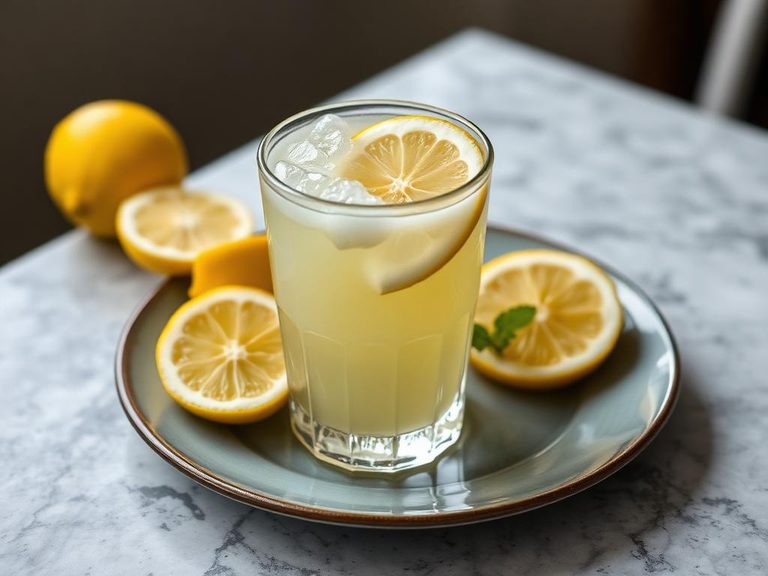
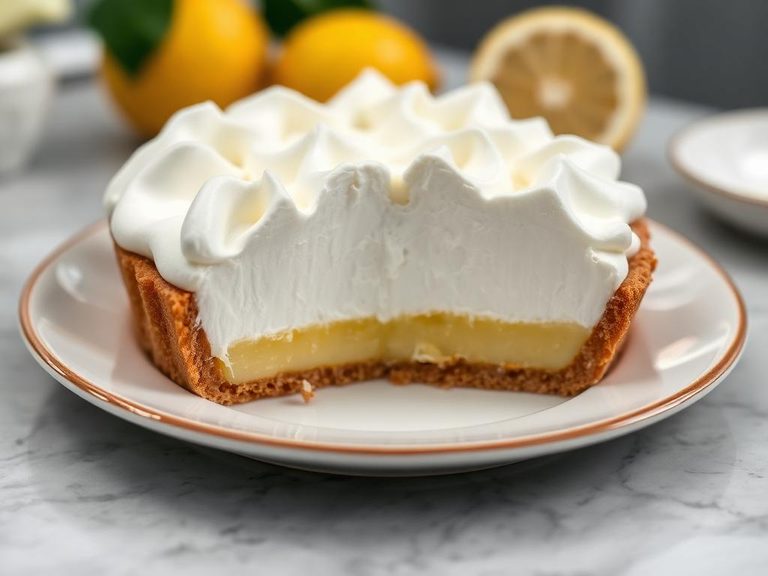
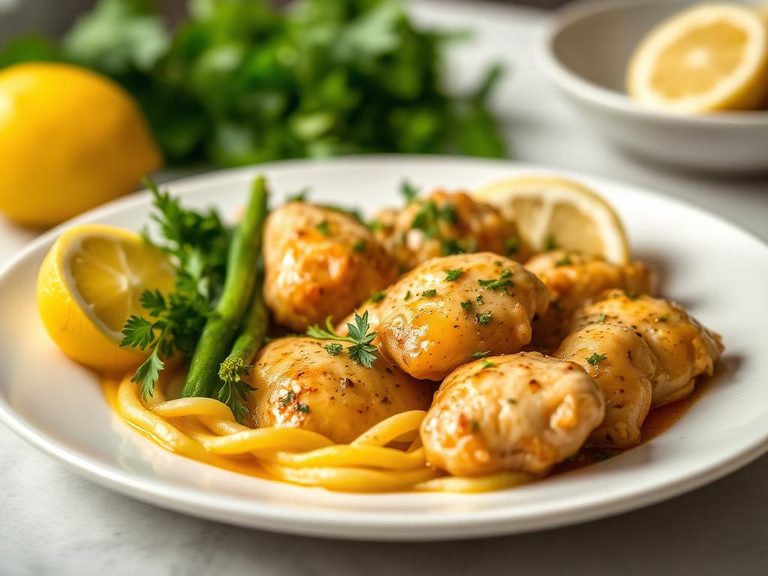
🍽️ Popular dishes

🌍 Where it's eaten
💡 Did you know?
The lemon's high citric acid content (about 5-6% of its juice) is so effective at dissolving calcium carbonate that it can be used to clean tarnished brass and even remove some types of stains from concrete.
Full nutrition (USDA data · scales with serving)
| Water | 92.3 g |
| Energy | 22.0 kcal |
| Energy | 91.0 kj |
| Protein | 0.35 g |
| Total lipid (fat) | 0.24 g |
| Ash | 0.21 g |
| Carbohydrate, by difference | 6.9 g |
| Fiber, total dietary | 0.30 g |
| Total Sugars | 2.5 g |
| Sucrose | 0.43 g |
| Glucose | 0.99 g |
| Fructose | 1.1 g |
| Lactose | 0.00 g |
| Maltose | 0.00 g |
| Galactose | 0.00 g |
| Starch | 0.00 g |
| Calcium, Ca | 6.0 mg |
| Iron, Fe | 0.08 mg |
| Magnesium, Mg | 6.0 mg |
| Phosphorus, P | 8.0 mg |
| Potassium, K | 103 mg |
| Sodium, Na | 1.0 mg |
| Zinc, Zn | 0.05 mg |
| Copper, Cu | 0.02 mg |
| Manganese, Mn | 0.01 mg |
| Selenium, Se | 0.10 ug |
| Vitamin C, total ascorbic acid | 38.7 mg |
| Thiamin | 0.02 mg |
| Riboflavin | 0.01 mg |
| Niacin | 0.09 mg |
| Pantothenic acid | 0.13 mg |
| Vitamin B-6 | 0.05 mg |
| Folate, total | 20.0 ug |
| Folic acid | 0.00 ug |
| Folate, food | 20.0 ug |
| Folate, DFE | 20.0 ug |
| Choline, total | 5.1 mg |
| Vitamin B-12 | 0.00 ug |
| Vitamin B-12, added | 0.00 ug |
| Vitamin A, RAE | 0.00 ug |
| Retinol | 0.00 ug |
| Carotene, beta | 1.0 ug |
| Carotene, alpha | 0.00 ug |
| Cryptoxanthin, beta | 4.0 ug |
| Vitamin A, IU | 6.0 iu |
| Lycopene | 0.00 ug |
| Lutein + zeaxanthin | 15.0 ug |
| Vitamin E (alpha-tocopherol) | 0.15 mg |
| Vitamin E, added | 0.00 mg |
| Vitamin D (D2 + D3), International Units | 0.00 iu |
| Vitamin D (D2 + D3) | 0.00 ug |
| Vitamin K (phylloquinone) | 0.00 ug |
| Alcohol, ethyl | 0.00 g |
| Caffeine | 0.00 mg |
| Theobromine | 0.00 mg |
Fat & fatty acid profile (per 100g)
| Fatty acids, total saturated | 0.04 g |
| SFA 4:0 | 0.00 g |
| SFA 6:0 | 0.00 g |
| SFA 8:0 | 0.00 g |
| SFA 10:0 | 0.02 g |
| SFA 12:0 | 0.00 g |
| SFA 14:0 | 0.00 g |
| SFA 15:0 | 0.00 g |
| SFA 16:0 | 0.01 g |
| SFA 17:0 | 0.00 g |
| SFA 18:0 | 0.00 g |
| SFA 20:0 | 0.00 g |
| SFA 22:0 | 0.00 g |
| SFA 24:0 | 0.00 g |
| Fatty acids, total monounsaturated | 0.01 g |
| MUFA 14:1 | 0.00 g |
| MUFA 15:1 | 0.00 g |
| MUFA 16:1 | 0.00 g |
| MUFA 16:1 c | 0.00 g |
| MUFA 17:1 | 0.00 g |
| MUFA 18:1 | 0.00 g |
| MUFA 18:1 c | 0.00 g |
| MUFA 20:1 | 0.00 g |
| MUFA 22:1 | 0.00 g |
| MUFA 22:1 c | 0.00 g |
| MUFA 24:1 c | 0.00 g |
| Fatty acids, total polyunsaturated | 0.02 g |
| PUFA 18:2 | 0.01 g |
| PUFA 18:2 n-6 c,c | 0.01 g |
| PUFA 18:2 CLAs | 0.00 g |
| PUFA 18:3 | 0.01 g |
| PUFA 18:3 n-3 c,c,c (ALA) | 0.01 g |
| PUFA 18:3 n-6 c,c,c | 0.00 g |
| PUFA 18:4 | 0.00 g |
| PUFA 20:2 n-6 c,c | 0.00 g |
| PUFA 20:3 | 0.00 g |
| PUFA 20:3 n-3 | 0.00 g |
| PUFA 20:3 n-6 | 0.00 g |
| PUFA 20:4 | 0.00 g |
| PUFA 20:5 n-3 (EPA) | 0.00 g |
| PUFA 22:4 | 0.00 g |
| PUFA 22:5 n-3 (DPA) | 0.00 g |
| PUFA 22:6 n-3 (DHA) | 0.00 g |
| Fatty acids, total trans | 0.00 g |
| Fatty acids, total trans-monoenoic | 0.00 g |
| TFA 16:1 t | 0.00 g |
| TFA 18:1 t | 0.00 g |
| TFA 22:1 t | 0.00 g |
| TFA 18:2 t not further defined | 0.00 g |
| Fatty acids, total trans-polyenoic | 0.00 g |
| Cholesterol | 0.00 mg |
Amino acid profile (per 100g)
Estimated from Cookies, ladyfingers, without lemon juice and rind — USDA does not publish this profile for Lemon juice.
| Tryptophan | 0.13 g |
| Threonine | 0.47 g |
| Isoleucine | 0.52 g |
| Leucine | 0.86 g |
| Lysine | 0.68 g |
| Methionine | 0.27 g |
| Cystine | 0.22 g |
| Phenylalanine | 0.51 g |
| Tyrosine | 0.41 g |
| Valine | 0.58 g |
| Arginine | 0.61 g |
| Histidine | 0.25 g |
| Alanine | 0.50 g |
| Aspartic acid | 0.89 g |
| Glutamic acid | 1.9 g |
| Glycine | 0.35 g |
| Proline | 0.63 g |
| Serine | 0.76 g |
FAQ
Is lemon juice the same as lemon concentrate?
No. Raw lemon juice is freshly squeezed, while concentrate is a processed, reduced form often with added preservatives and a much stronger, less nuanced flavor. Fresh juice is generally preferred for cooking and drinking.
Can I use bottled lemon juice instead of fresh?
While bottled juice is convenient, it often lacks the bright, fresh aroma and flavor of raw juice and may contain additives. For best results in recipes where lemon is a key flavor, use fresh lemons.
How should I store fresh lemon juice?
Freshly squeezed lemon juice should be stored in an airtight container in the refrigerator, where it will keep for about 2-3 days. For longer storage, freeze it in ice cube trays for convenient portioning.
Nutrient density (calculated · NRF9.3)
Nutrient Rich Foods index: beneficial nutrients (protein, fiber, vitamins, minerals) minus saturated fat, added sugar & sodium, per 100 kcal.
NRF9.3 index — Fulgoni, Keast & Drewnowski, 2009. Computed from USDA nutrients.
Weight-loss friendliness (composite index)
Energy density 0.22 kcal/g · 6% calories from protein · 0.3 g fiber · 2.5 g sugar per 100 g.
Composite of energy density (Rolls et al., 1999), protein & fiber satiety, minus sugar. A calculated heuristic — ranks satiety-per-calorie, not a clinical measure.
Dietary load (calculated from USDA values)
Potential renal acid load. Positive = acid-forming, negative = alkaline-forming.
Sodium-to-potassium ratio: 0.01 (lower is better — aim for ≤ 1)
Sodium:potassium per WHO potassium guidance. Computed from USDA nutrients.