

Garlic, raw
Whole food · Vegetables and Vegetable Products
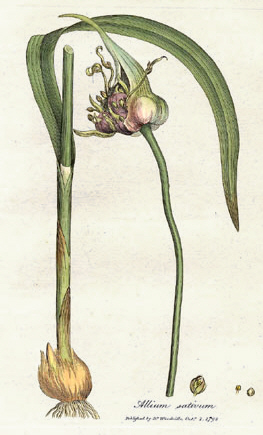
Photo: Wikipedia
Raw garlic is a pungent, crisp bulb whose sharp, almost fiery bite mellows into a deep, savory warmth when crushed or aged. Nutritionally, it's a powerhouse of manganese and vitamin B6, delivering a potent punch of flavor with minimal calories and virtually no fat. Its intense aroma and flavor are the result of sulfur compounds like allicin, which are activated only when the cloves are chopped, crushed, or chewed.
Calorie split: 16% protein · 82% carbs · 3% fat
↓ Full nutrition💚 Why it's loved
People adore raw garlic for its irreplaceable, transformative flavor that can elevate a simple dish into something complex and deeply savory. It's a cornerstone of global cuisines, offering a versatile punch that can be subtle or bold, depending on how it's prepared.
⚠️ Watch-outs & how to enjoy it better
Raw garlic's intense pungency can be overwhelming, causing digestive discomfort like heartburn or gas in some individuals, and its strong odor can linger on breath and skin. To mitigate this, consume it with other foods (like in a sauce or with bread) rather than on an empty stomach, and consider using less or opting for cooked garlic, which is milder. If you're sensitive, start with a small amount or try aged garlic extract.
Key benefits
- Rich in manganese, vitamin B6, and vitamin C.
- Contains potent sulfur compounds like allicin.
- May support immune system function.
- Provides prebiotic fiber for gut health.
- Adds intense flavor without added fat or sugar.
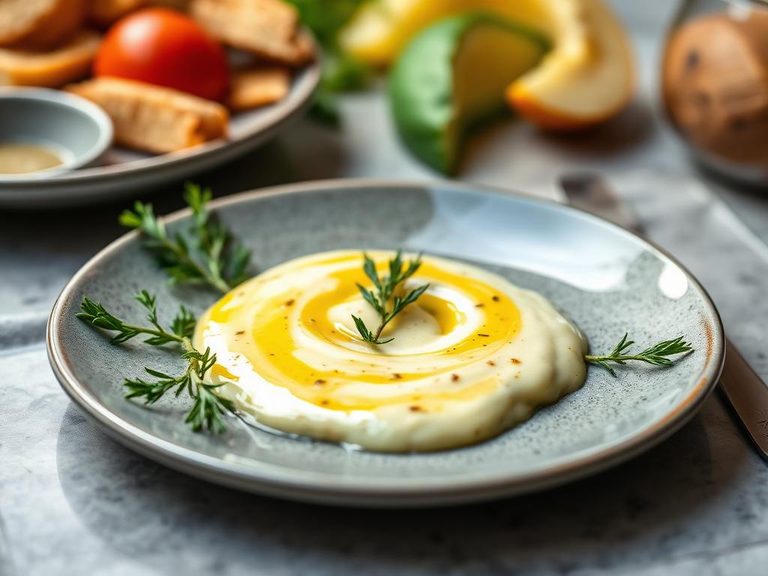
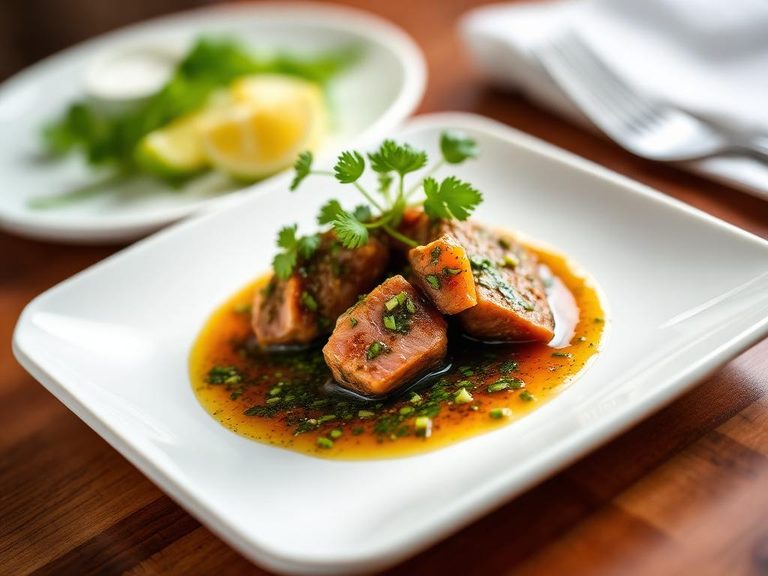
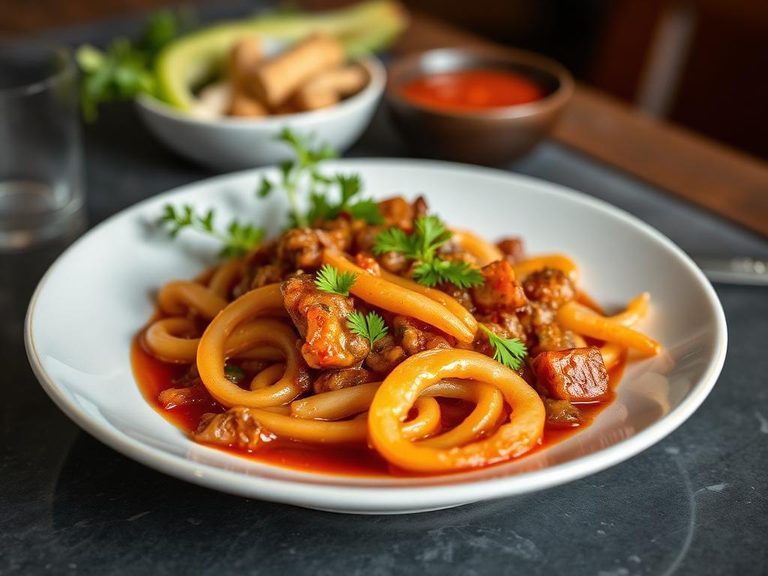
🍽️ Popular dishes
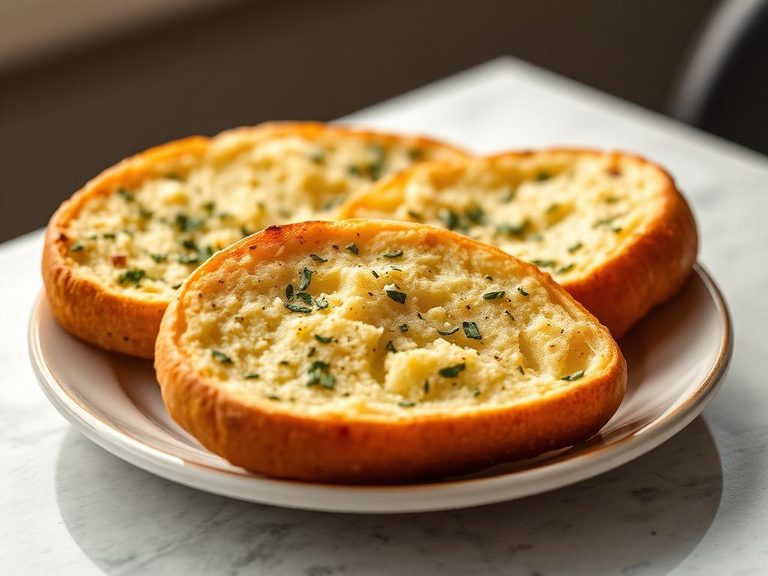
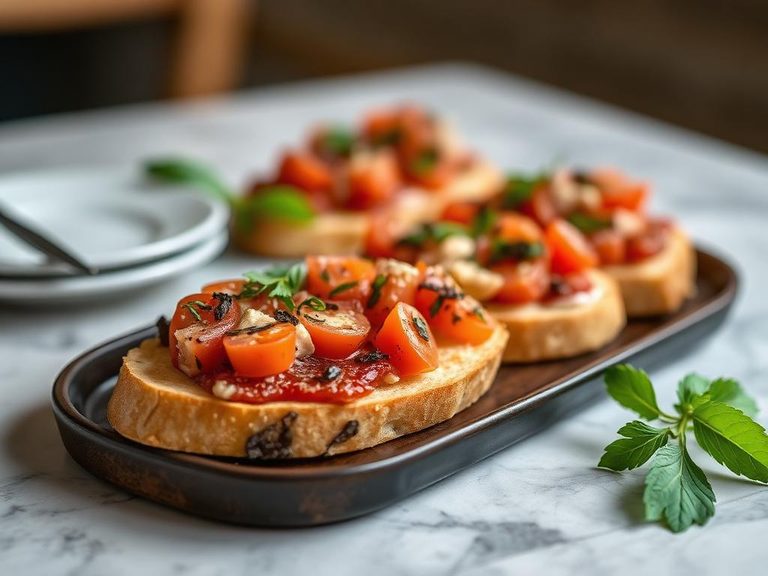
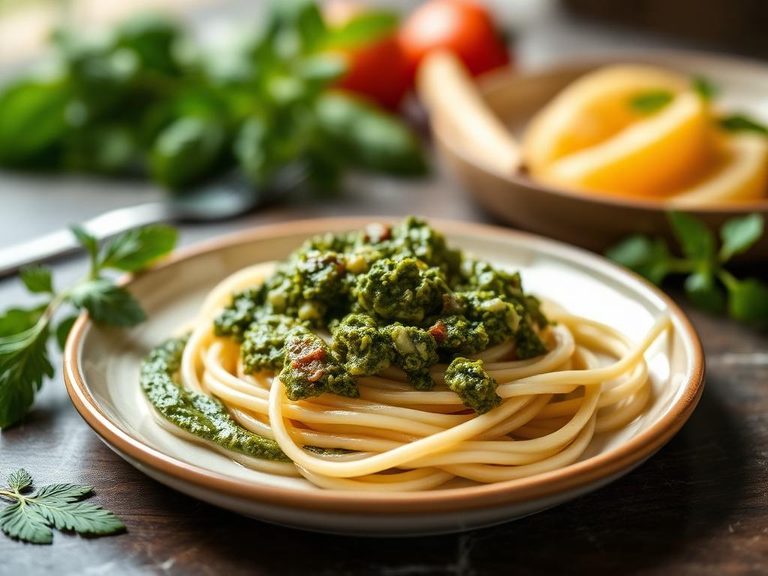
🌍 Where it's eaten
💡 Did you know?
Ancient Egyptian laborers who built the pyramids were given garlic to boost their strength and endurance, and it was even used as a form of currency.
Full nutrition (USDA data · scales with serving)
| Water | 58.6 g |
| Energy | 149 kcal |
| Energy | 623 kj |
| Protein | 6.4 g |
| Total lipid (fat) | 0.50 g |
| Ash | 1.5 g |
| Carbohydrate, by difference | 33.1 g |
| Fiber, total dietary | 2.1 g |
| Total Sugars | 1.0 g |
| Calcium, Ca | 181 mg |
| Iron, Fe | 1.7 mg |
| Magnesium, Mg | 25.0 mg |
| Phosphorus, P | 153 mg |
| Potassium, K | 401 mg |
| Sodium, Na | 17.0 mg |
| Zinc, Zn | 1.2 mg |
| Copper, Cu | 0.30 mg |
| Manganese, Mn | 1.7 mg |
| Selenium, Se | 14.2 ug |
| Vitamin C, total ascorbic acid | 31.2 mg |
| Thiamin | 0.20 mg |
| Riboflavin | 0.11 mg |
| Niacin | 0.70 mg |
| Pantothenic acid | 0.60 mg |
| Vitamin B-6 | 1.2 mg |
| Folate, total | 3.0 ug |
| Folic acid | 0.00 ug |
| Folate, food | 3.0 ug |
| Folate, DFE | 3.0 ug |
| Choline, total | 23.2 mg |
| Vitamin B-12 | 0.00 ug |
| Vitamin B-12, added | 0.00 ug |
| Vitamin A, RAE | 0.00 ug |
| Retinol | 0.00 ug |
| Carotene, beta | 5.0 ug |
| Carotene, alpha | 0.00 ug |
| Cryptoxanthin, beta | 0.00 ug |
| Vitamin A, IU | 9.0 iu |
| Lycopene | 0.00 ug |
| Lutein + zeaxanthin | 16.0 ug |
| Vitamin E (alpha-tocopherol) | 0.08 mg |
| Vitamin E, added | 0.00 mg |
| Vitamin D (D2 + D3), International Units | 0.00 iu |
| Vitamin D (D2 + D3) | 0.00 ug |
| Vitamin K (phylloquinone) | 1.7 ug |
| Alcohol, ethyl | 0.00 g |
| Caffeine | 0.00 mg |
| Theobromine | 0.00 mg |
Fat & fatty acid profile (per 100g)
| Fatty acids, total saturated | 0.09 g |
| SFA 4:0 | 0.00 g |
| SFA 6:0 | 0.00 g |
| SFA 8:0 | 0.00 g |
| SFA 10:0 | 0.00 g |
| SFA 12:0 | 0.00 g |
| SFA 14:0 | 0.00 g |
| SFA 16:0 | 0.09 g |
| SFA 18:0 | 0.00 g |
| Fatty acids, total monounsaturated | 0.01 g |
| MUFA 16:1 | 0.00 g |
| MUFA 18:1 | 0.01 g |
| MUFA 20:1 | 0.00 g |
| MUFA 22:1 | 0.00 g |
| Fatty acids, total polyunsaturated | 0.25 g |
| PUFA 18:2 | 0.23 g |
| PUFA 18:3 | 0.02 g |
| PUFA 18:4 | 0.00 g |
| PUFA 20:4 | 0.00 g |
| PUFA 20:5 n-3 (EPA) | 0.00 g |
| PUFA 22:5 n-3 (DPA) | 0.00 g |
| PUFA 22:6 n-3 (DHA) | 0.00 g |
| Fatty acids, total trans | 0.00 g |
| Cholesterol | 0.00 mg |
Amino acid profile (per 100g)
| Tryptophan | 0.07 g |
| Threonine | 0.16 g |
| Isoleucine | 0.22 g |
| Leucine | 0.31 g |
| Lysine | 0.27 g |
| Methionine | 0.08 g |
| Cystine | 0.07 g |
| Phenylalanine | 0.18 g |
| Tyrosine | 0.08 g |
| Valine | 0.29 g |
| Arginine | 0.63 g |
| Histidine | 0.11 g |
| Alanine | 0.13 g |
| Aspartic acid | 0.49 g |
| Glutamic acid | 0.81 g |
| Glycine | 0.20 g |
| Proline | 0.10 g |
| Serine | 0.19 g |
FAQ
Is raw garlic healthier than cooked garlic?
Raw garlic contains higher levels of allicin, a beneficial compound, but cooking can make other nutrients more bioavailable and is easier on the digestive system.
How do I get rid of garlic breath?
Chewing fresh parsley, mint, or a small amount of lemon juice can help neutralize the sulfur compounds that cause bad breath.
Can I eat raw garlic every day?
For most people, a clove or two daily is safe, but excessive consumption may cause digestive issues. It's best to start with small amounts.
Nutrient density (calculated · NRF9.3)
Nutrient Rich Foods index: beneficial nutrients (protein, fiber, vitamins, minerals) minus saturated fat, added sugar & sodium, per 100 kcal.
NRF9.3 index — Fulgoni, Keast & Drewnowski, 2009. Computed from USDA nutrients.
Weight-loss friendliness (composite index)
Energy density 1.49 kcal/g · 17% calories from protein · 2.1 g fiber · 1.0 g sugar per 100 g.
Composite of energy density (Rolls et al., 1999), protein & fiber satiety, minus sugar. A calculated heuristic — ranks satiety-per-calorie, not a clinical measure.
Dietary load (calculated from USDA values)
Potential renal acid load. Positive = acid-forming, negative = alkaline-forming.
Sodium-to-potassium ratio: 0.04 (lower is better — aim for ≤ 1)
Sodium:potassium per WHO potassium guidance. Computed from USDA nutrients.