Pesto
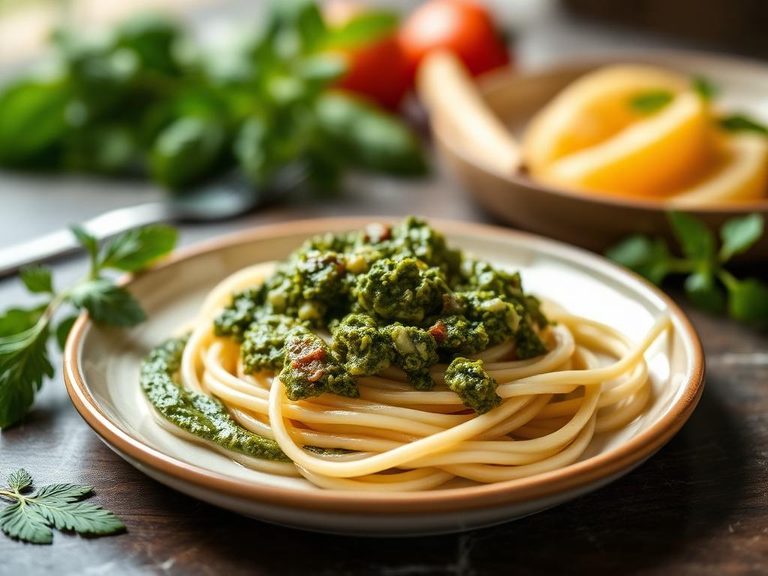
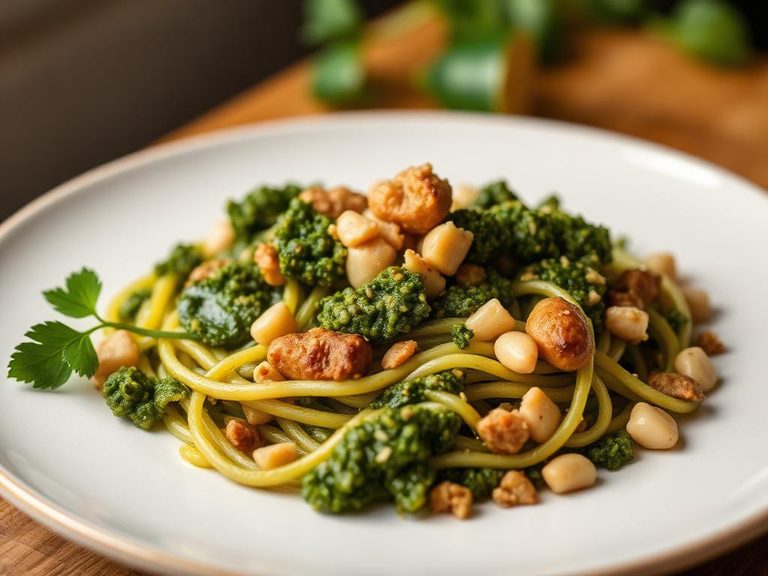
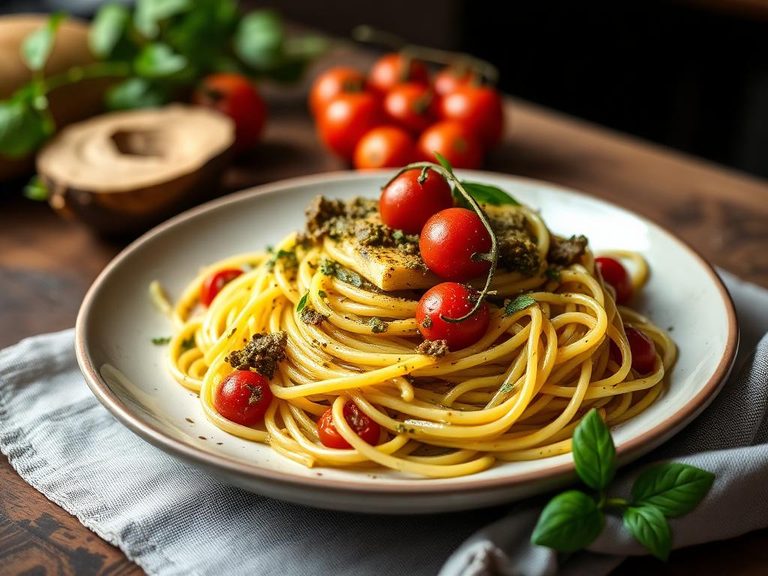
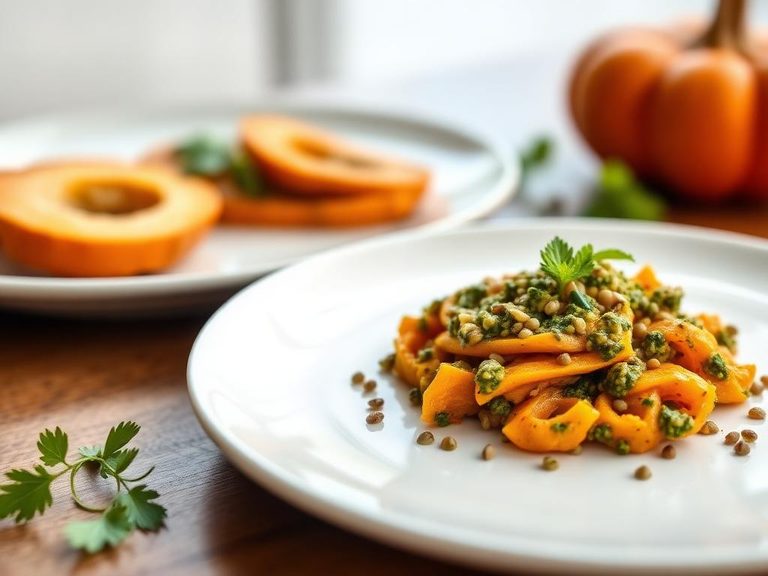
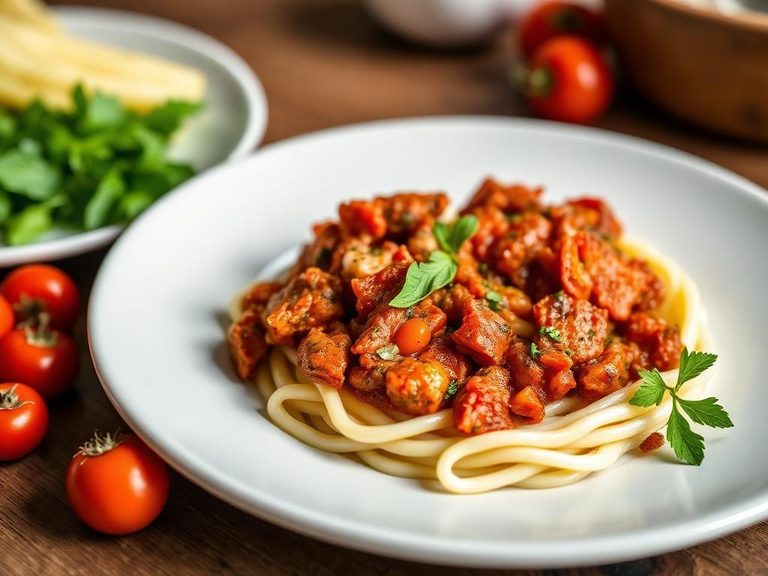
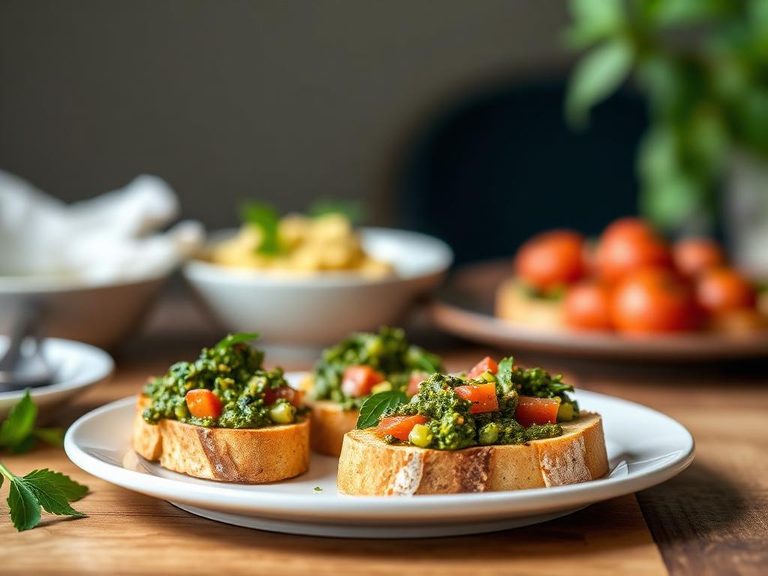
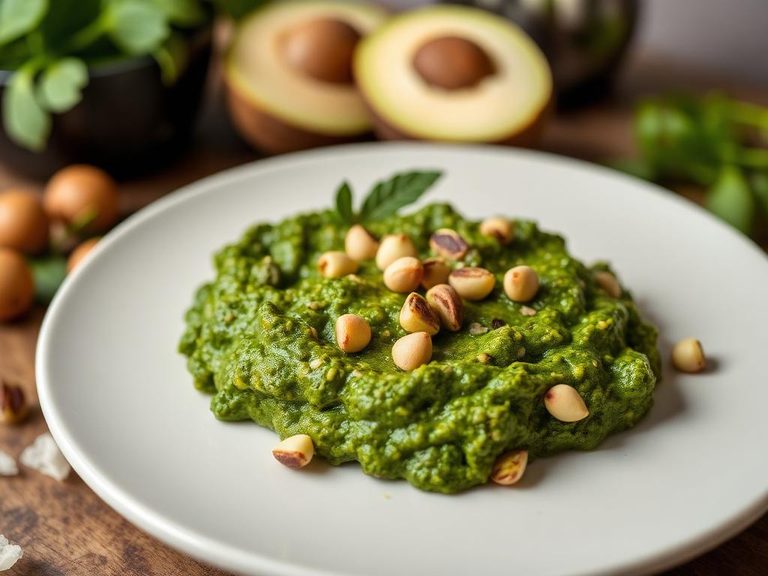
Pesto is a vibrant Italian sauce, traditionally from Genoa, made by blending fresh basil, pine nuts, garlic, Parmesan cheese, and olive oil into a thick, aromatic paste. While it's most famous when made with fresh basil, it's often prepared as a backup or preserved version using ingredients like sun-dried tomatoes or frozen herbs to extend its shelf life and availability.
🍳 View the full Pesto recipe →
🍽️ Nutrition at a glance
Pesto is high in healthy fats from olive oil and nuts, with moderate protein from cheese and nuts, and relatively low in carbohydrates. A typical serving (about 2 tablespoons) provides around 150-200 calories, along with beneficial nutrients like vitamin K, antioxidants, and healthy monounsaturated fats.
Nutrition breakdown
| Calories | 160 kcal |
| Protein | 2 g |
| Carbs | 2 g |
| Fat | 16 g |
| Fiber | 1 g |
| Sugar | 0 g |
| Sodium | 300 mg |
| Vitamin K | 120 mcg |
| Vitamin E | 2 mg |
| Vitamin A | 100 mcg RAE |
| Iron | 1.5 mg |
| Magnesium | 20 mg |
| Calcium | 50 mg |
| Manganese | 0.5 mg |
| Copper | 0.2 mg |
Per 2 tablespoons (30 g) · estimated, varies by recipe
💡 What's interesting
Culturally, pesto represents the Italian philosophy of simple, high-quality ingredients, but its adaptability makes it a global favorite, with variations like sun-dried tomato pesto or vegan versions. Nutritionally, it's unique because it combines plant-based fats and proteins in a way that supports heart health and satiety, making it a flavorful yet nutritious addition to meals.