

Basil, raw
Common food

Photo: Wikipedia
Basil is a fragrant, leafy herb with a tender, slightly crisp texture and a complex flavor profile that blends sweet, peppery, and subtly clove-like notes. Its vibrant green leaves are a nutritional powerhouse for their size, packed with vitamin K and antioxidants. This herb is celebrated for its ability to transform simple dishes with its fresh, aromatic punch.
Calorie split: 44% protein · 37% carbs · 20% fat
↓ Full nutrition💚 Why it's loved
People adore basil for its unmistakable, fresh aroma and its incredible versatility—it's the soul of pesto, the crown of a Margherita pizza, and a essential in countless curries and salads. It carries deep cultural significance, symbolizing love and good luck in Italy and purity in Hinduism.
⚠️ Watch-outs & how to enjoy it better
Basil contains vitamin K, which can interfere with blood-thinning medications like warfarin; individuals on such therapy should maintain consistent intake. Its volatile oils can cause contact dermatitis in sensitive individuals. To counteract this, always wash leaves thoroughly and use in moderation if you have a known sensitivity.
Key benefits
- Exceptionally high in vitamin K, crucial for blood clotting and bone health.
- Rich in antioxidants like flavonoids and volatile oils that combat cellular stress.
- Contains anti-inflammatory compounds such as eugenol.
- Provides small amounts of essential minerals like iron and calcium.
- Low in calories and carbohydrates, adding flavor without significant energy density.
🍽️ Popular dishes
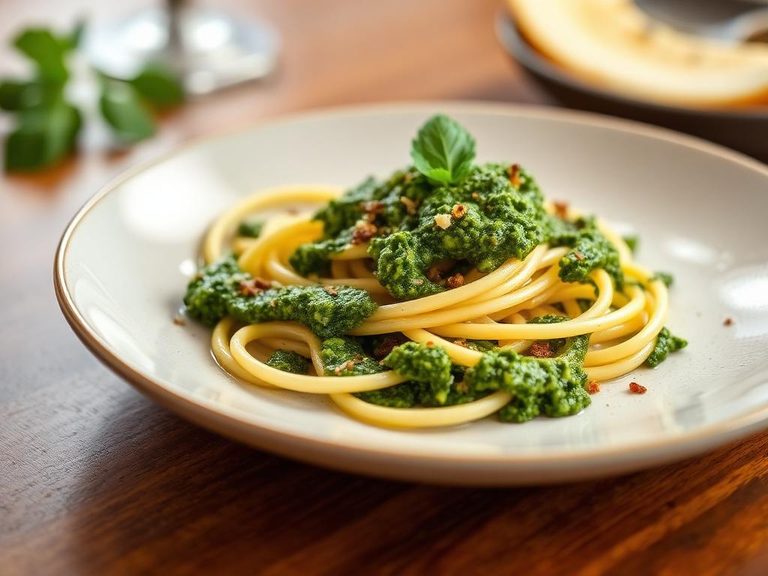
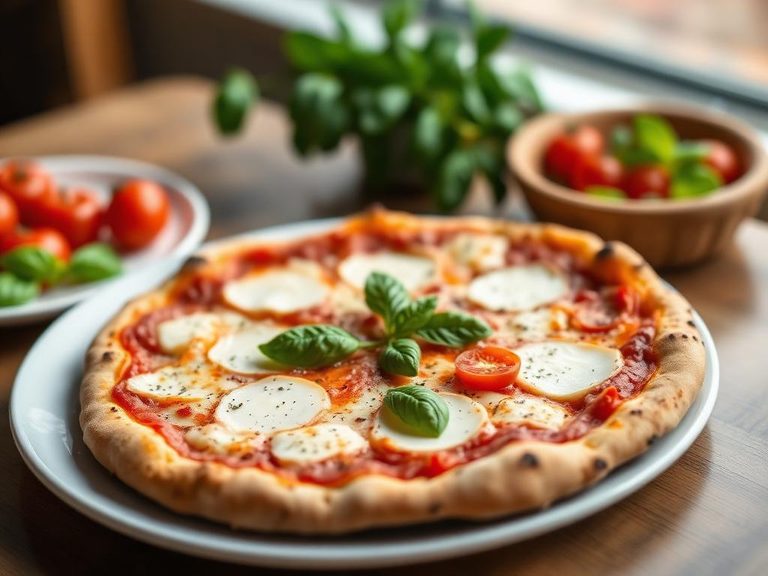
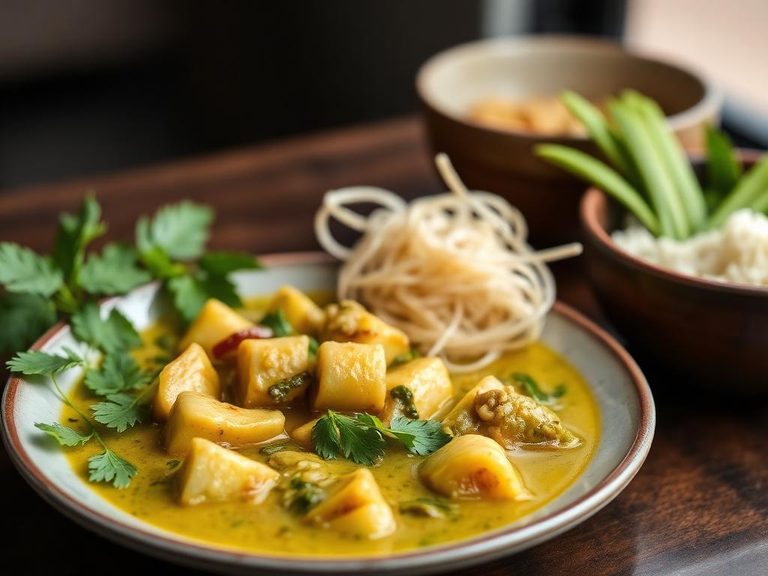
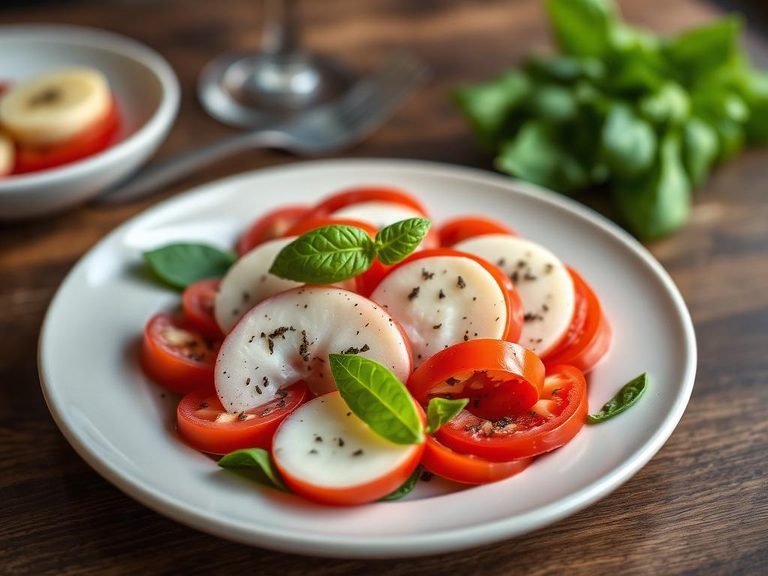
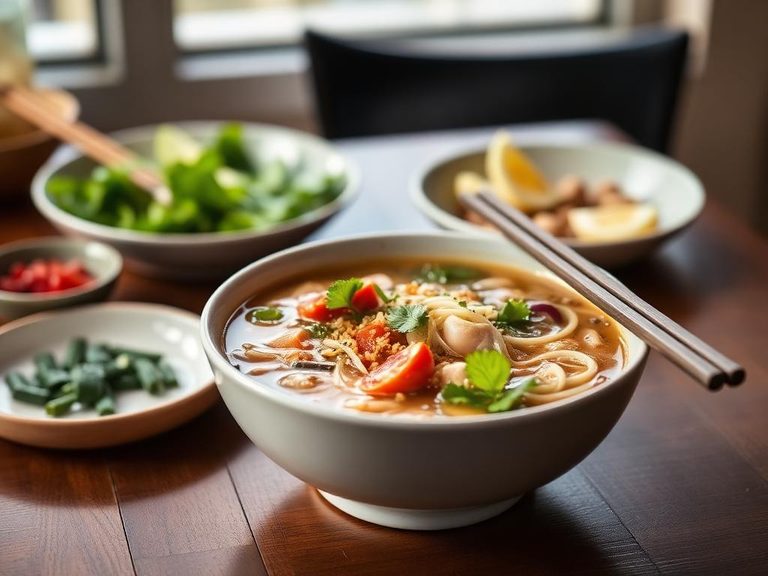
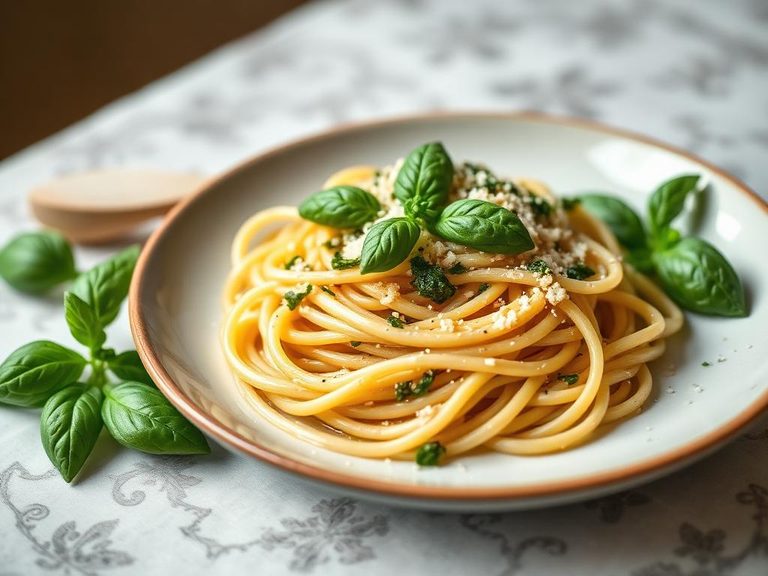
🌍 Where it's eaten
💡 Did you know?
Basil is a member of the mint family, and its name comes from the Greek word 'basilikon,' meaning 'royal or kingly herb.'
Full nutrition (USDA data · scales with serving)
| Water | 92.1 g |
| Energy | 23.0 kcal |
| Protein | 3.1 g |
| Total lipid (fat) | 0.64 g |
| Carbohydrate, by difference | 2.6 g |
| Fiber, total dietary | 1.6 g |
| Total Sugars | 0.30 g |
| Calcium, Ca | 177 mg |
| Iron, Fe | 3.2 mg |
| Magnesium, Mg | 64.0 mg |
| Phosphorus, P | 56.0 mg |
| Potassium, K | 295 mg |
| Sodium, Na | 4.0 mg |
| Zinc, Zn | 0.81 mg |
| Copper, Cu | 0.39 mg |
| Selenium, Se | 0.30 ug |
| Vitamin C, total ascorbic acid | 18.0 mg |
| Thiamin | 0.03 mg |
| Riboflavin | 0.08 mg |
| Niacin | 0.90 mg |
| Vitamin B-6 | 0.15 mg |
| Folate, total | 68.0 ug |
| Folic acid | 0.00 ug |
| Folate, food | 68.0 ug |
| Folate, DFE | 68.0 ug |
| Choline, total | 11.4 mg |
| Vitamin B-12 | 0.00 ug |
| Vitamin B-12, added | 0.00 ug |
| Vitamin A, RAE | 264 ug |
| Retinol | 0.00 ug |
| Carotene, beta | 3142 ug |
| Carotene, alpha | 0.00 ug |
| Cryptoxanthin, beta | 46.0 ug |
| Lycopene | 0.00 ug |
| Lutein + zeaxanthin | 5650 ug |
| Vitamin E (alpha-tocopherol) | 0.80 mg |
| Vitamin E, added | 0.00 mg |
| Vitamin D (D2 + D3) | 0.00 ug |
| Vitamin K (phylloquinone) | 415 ug |
| Alcohol, ethyl | 0.00 g |
| Caffeine | 0.00 mg |
| Theobromine | 0.00 mg |
Fat & fatty acid profile (per 100g)
| Fatty acids, total saturated | 0.04 g |
| SFA 4:0 | 0.00 g |
| SFA 6:0 | 0.00 g |
| SFA 8:0 | 0.00 g |
| SFA 10:0 | 0.00 g |
| SFA 12:0 | 0.00 g |
| SFA 14:0 | 0.00 g |
| SFA 16:0 | 0.04 g |
| SFA 18:0 | 0.01 g |
| Fatty acids, total monounsaturated | 0.09 g |
| MUFA 16:1 | 0.00 g |
| MUFA 18:1 | 0.09 g |
| MUFA 20:1 | 0.00 g |
| MUFA 22:1 | 0.00 g |
| Fatty acids, total polyunsaturated | 0.39 g |
| PUFA 18:2 | 0.07 g |
| PUFA 18:3 | 0.32 g |
| PUFA 18:4 | 0.00 g |
| PUFA 20:4 | 0.00 g |
| PUFA 20:5 n-3 (EPA) | 0.00 g |
| PUFA 22:5 n-3 (DPA) | 0.00 g |
| PUFA 22:6 n-3 (DHA) | 0.00 g |
| Cholesterol | 0.00 mg |
Amino acid profile (per 100g)
Estimated from Spices, basil, dried — USDA does not publish this profile for Basil.
| Tryptophan | 0.26 g |
| Threonine | 0.76 g |
| Isoleucine | 1.1 g |
| Leucine | 1.9 g |
| Lysine | 1.1 g |
| Methionine | 0.32 g |
| Cystine | 0.19 g |
| Phenylalanine | 1.3 g |
| Tyrosine | 0.75 g |
| Valine | 1.4 g |
| Arginine | 1.2 g |
| Histidine | 0.45 g |
| Alanine | 1.2 g |
| Aspartic acid | 3.0 g |
| Glutamic acid | 2.6 g |
| Glycine | 1.3 g |
| Proline | 2.7 g |
| Serine | 0.53 g |
| Hydroxyproline | 0.00 g |
FAQ
What's the difference between sweet basil and Thai basil?
Sweet basil (like Genovese) has large, tender leaves with a clove-like, sweet flavor. Thai basil has smaller, sturdier leaves, purple stems, and a distinct anise or licorice note, holding up better in cooked dishes like curries.
How should I store fresh basil to make it last?
Treat it like a bouquet of flowers: trim the stems and place the bunch in a jar with an inch of water on the counter, away from direct sunlight. Cover loosely with a plastic bag. Avoid refrigerating, as the cold causes the leaves to blacken.
Can I freeze basil?
Yes. The best method is to blanch leaves for 2 seconds, ice bath, dry thoroughly, then freeze on a tray before bagging. Alternatively, blend with a little olive oil and freeze in ice cube trays for easy cooking portions.
Nutrient density (calculated · NRF9.3)
Nutrient Rich Foods index: beneficial nutrients (protein, fiber, vitamins, minerals) minus saturated fat, added sugar & sodium, per 100 kcal.
NRF9.3 index — Fulgoni, Keast & Drewnowski, 2009. Computed from USDA nutrients.
Weight-loss friendliness (composite index)
Energy density 0.23 kcal/g · 55% calories from protein · 1.6 g fiber · 0.3 g sugar per 100 g.
Composite of energy density (Rolls et al., 1999), protein & fiber satiety, minus sugar. A calculated heuristic — ranks satiety-per-calorie, not a clinical measure.
Dietary load (calculated from USDA values)
Potential renal acid load. Positive = acid-forming, negative = alkaline-forming.
Sodium-to-potassium ratio: 0.01 (lower is better — aim for ≤ 1)
Sodium:potassium per WHO potassium guidance. Computed from USDA nutrients.