Marinades for meats
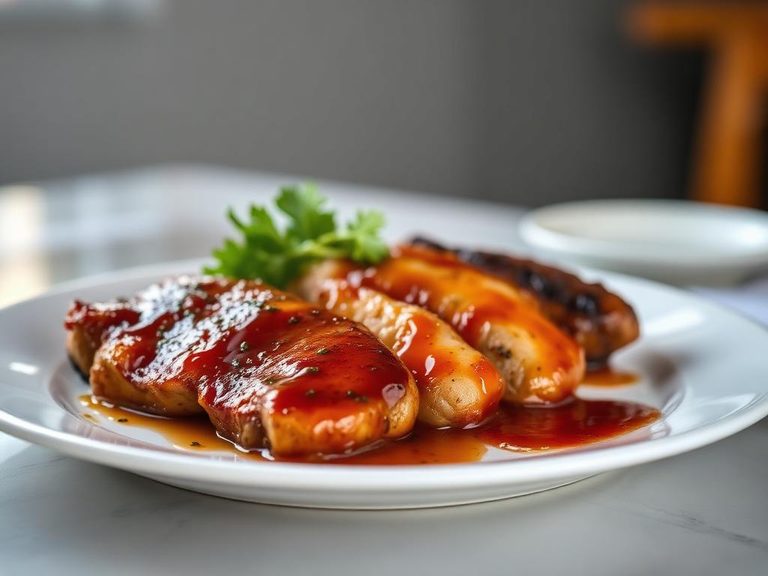
AI-generated illustration
A marinade is a seasoned liquid mixture used to flavor and tenderize meats before cooking, typically combining an acidic component like citrus juice or vinegar with oils, herbs, and spices. This technique is a cornerstone of culinary traditions worldwide, from Mediterranean herb-infused olive oil blends to Asian soy and ginger mixtures. The process allows flavors to penetrate the meat while often helping to break down tougher fibers.
🍽️ Nutrition at a glance
Marinades themselves are generally low in calories, with most of the nutritional impact coming from the meat they are applied to. They primarily contribute sodium and small amounts of antioxidants from herbs and spices, while the oil component adds healthy fats. A typical marinade adds roughly 20-50 calories per serving, depending on the oil content.
💡 What's interesting
Marinating is a fascinating example of food science in the kitchen, where acid and enzymes work to denature proteins, creating more tender and flavorful results. Culturally, marinades often represent a region's signature flavor profiles, acting as a culinary fingerprint that tells a story of local ingredients and historical trade routes.