

Fish, catfish, channel, farmed, raw
Whole food · Finfish and Shellfish Products

Photo: Wikipedia
Channel catfish is a mild, freshwater fish with a slightly sweet flavor and a firm, flaky texture that holds up well to various cooking methods. Its flesh is typically white to pinkish, offering a clean taste that's less 'fishy' than many saltwater species. Nutritionally, it's a lean protein powerhouse, delivering over 15 grams of protein per 100 grams with virtually no carbohydrates.
Calorie split: 53% protein · 0% carbs · 47% fat
↓ Full nutrition💚 Why it's loved
People love channel catfish for its mild, non-fishy taste and satisfying, meaty texture that absorbs seasonings and sauces beautifully. It's a cultural staple in the American South, where it's celebrated in communal fish fries and home cooking, symbolizing comfort and tradition.
⚠️ Watch-outs & how to enjoy it better
Some find its texture can become mushy if overcooked, and farmed varieties may have a milder, less complex flavor than wild-caught. As a freshwater fish, it can absorb contaminants from its environment, so sourcing from reputable farms or testing is advised. To counteract potential issues, use moist-heat cooking methods like poaching or steaming, or pair it with acidic marinades (lemon, vinegar) to enhance flavor and firm up the flesh.
Key benefits
- High-quality, complete protein source for muscle maintenance and satiety.
- Very low in carbohydrates, making it suitable for low-carb and ketogenic diets.
- Good source of essential minerals like phosphorus and selenium.
- Contains omega-3 fatty acids, though in moderate amounts compared to fatty fish.
- Versatile and mild-flavored, appealing to a wide range of palates.
🍽️ Popular dishes
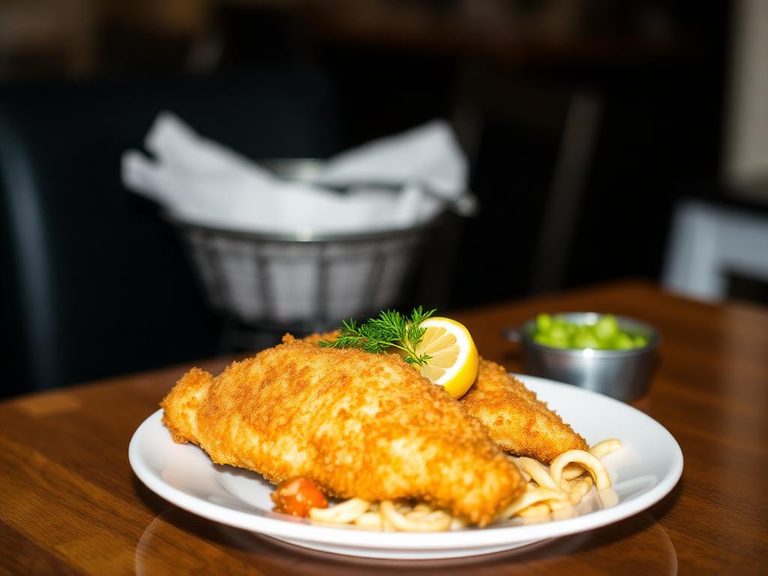
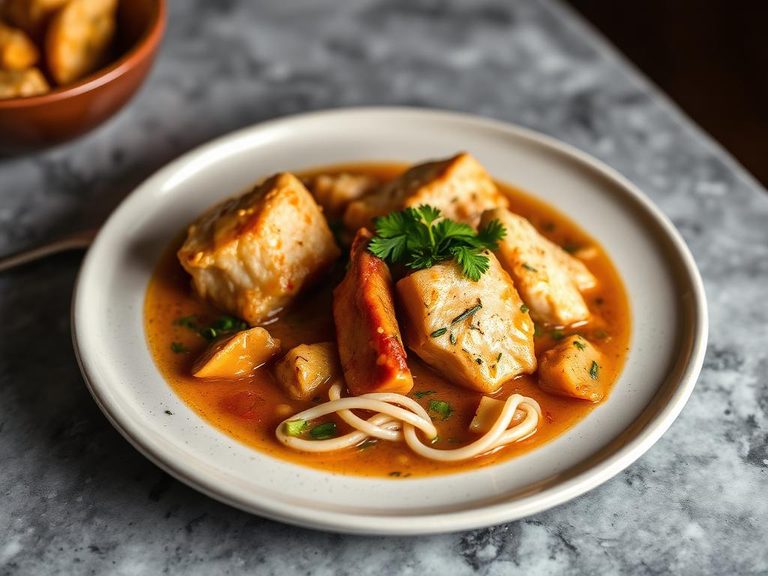
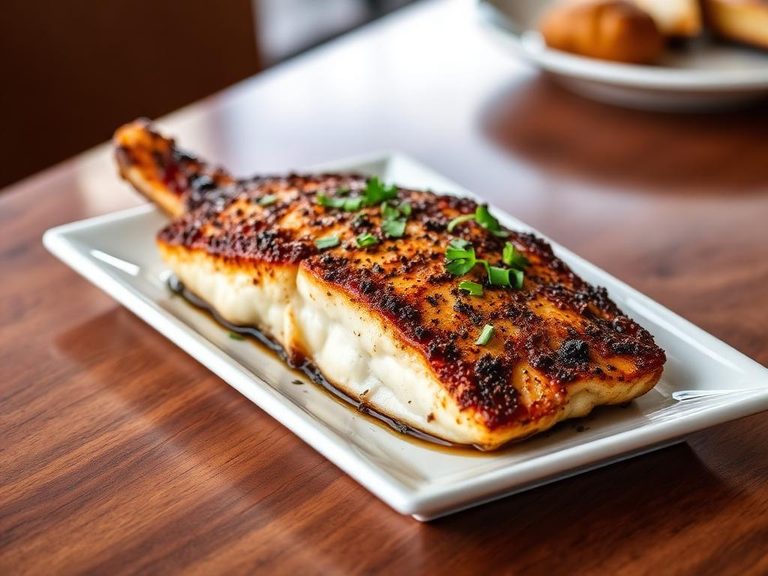

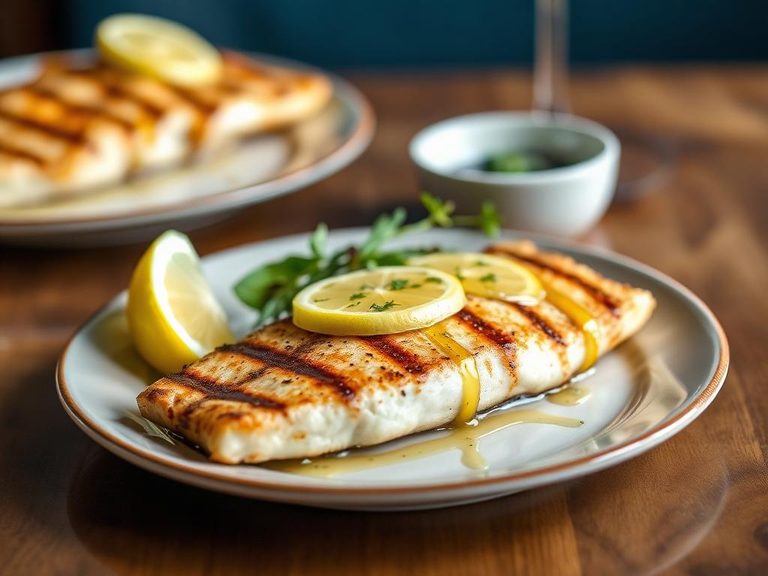
🌍 Where it's eaten
💡 Did you know?
Channel catfish are one of the few fish that can 'walk' on land using their pectoral fins, a behavior they use to move between water bodies during floods.
Full nutrition (USDA data · scales with serving)
| Water | 79.1 g |
| Energy | 119 kcal |
| Energy | 496 kj |
| Protein | 15.2 g |
| Total lipid (fat) | 5.9 g |
| Ash | 1.1 g |
| Carbohydrate, by difference | 0.00 g |
| Fiber, total dietary | 0.00 g |
| Total Sugars | 0.00 g |
| Glucose | 0.00 g |
| Fructose | 0.00 g |
| Lactose | 0.00 g |
| Maltose | 0.00 g |
| Galactose | 0.00 g |
| Starch | 0.00 g |
| Calcium, Ca | 8.0 mg |
| Iron, Fe | 0.23 mg |
| Magnesium, Mg | 19.0 mg |
| Phosphorus, P | 204 mg |
| Potassium, K | 302 mg |
| Sodium, Na | 98.0 mg |
| Zinc, Zn | 0.48 mg |
| Copper, Cu | 0.03 mg |
| Manganese, Mn | 0.01 mg |
| Selenium, Se | 8.2 ug |
| Vitamin C, total ascorbic acid | 0.00 mg |
| Thiamin | 0.02 mg |
| Riboflavin | 0.08 mg |
| Niacin | 2.1 mg |
| Pantothenic acid | 0.67 mg |
| Vitamin B-6 | 0.15 mg |
| Folate, total | 10.0 ug |
| Folic acid | 0.00 ug |
| Folate, food | 10.0 ug |
| Folate, DFE | 10.0 ug |
| Choline, total | 65.0 mg |
| Vitamin B-12 | 2.9 ug |
| Vitamin B-12, added | 0.00 ug |
| Vitamin A, RAE | 0.00 ug |
| Retinol | 0.00 ug |
| Carotene, beta | 0.00 ug |
| Carotene, alpha | 0.00 ug |
| Cryptoxanthin, beta | 0.00 ug |
| Vitamin A, IU | 1.0 iu |
| Lycopene | 0.00 ug |
| Lutein + zeaxanthin | 0.00 ug |
| Vitamin E (alpha-tocopherol) | 0.81 mg |
| Vitamin E, added | 0.00 mg |
| Tocopherol, beta | 0.01 mg |
| Tocopherol, gamma | 0.22 mg |
| Tocopherol, delta | 0.00 mg |
| Tocotrienol, alpha | 0.04 mg |
| Tocotrienol, beta | 0.00 mg |
| Tocotrienol, gamma | 0.02 mg |
| Tocotrienol, delta | 0.00 mg |
| Vitamin D (D2 + D3), International Units | 9.0 iu |
| Vitamin D (D2 + D3) | 0.20 ug |
| Vitamin D3 (cholecalciferol) | 0.20 ug |
| Vitamin K (phylloquinone) | 2.1 ug |
| Vitamin K (Dihydrophylloquinone) | 0.00 ug |
| Vitamin K (Menaquinone-4) | 0.60 ug |
| Alcohol, ethyl | 0.00 g |
| Caffeine | 0.00 mg |
| Theobromine | 0.00 mg |
Fat & fatty acid profile (per 100g)
| Fatty acids, total saturated | 1.3 g |
| SFA 4:0 | 0.00 g |
| SFA 6:0 | 0.00 g |
| SFA 8:0 | 0.00 g |
| SFA 10:0 | 0.00 g |
| SFA 12:0 | 0.00 g |
| SFA 14:0 | 0.06 g |
| SFA 15:0 | 0.01 g |
| SFA 16:0 | 0.94 g |
| SFA 17:0 | 0.01 g |
| SFA 18:0 | 0.28 g |
| SFA 20:0 | 0.01 g |
| SFA 22:0 | 0.00 g |
| SFA 24:0 | 0.00 g |
| Fatty acids, total monounsaturated | 2.6 g |
| MUFA 14:1 | 0.00 g |
| MUFA 15:1 | 0.00 g |
| MUFA 16:1 | 0.14 g |
| MUFA 16:1 c | 0.13 g |
| MUFA 17:1 | 0.03 g |
| MUFA 18:1 | 2.3 g |
| MUFA 18:1 c | 2.3 g |
| MUFA 20:1 | 0.07 g |
| MUFA 22:1 | 0.00 g |
| MUFA 22:1 c | 0.00 g |
| MUFA 24:1 c | 0.00 g |
| Fatty acids, total polyunsaturated | 1.1 g |
| PUFA 18:2 | 0.80 g |
| PUFA 18:2 n-6 c,c | 0.76 g |
| PUFA 18:2 CLAs | 0.02 g |
| PUFA 18:3 | 0.07 g |
| PUFA 18:3 n-3 c,c,c (ALA) | 0.05 g |
| PUFA 18:3 n-6 c,c,c | 0.02 g |
| PUFA 18:4 | 0.00 g |
| PUFA 20:2 n-6 c,c | 0.04 g |
| PUFA 20:3 | 0.06 g |
| PUFA 20:3 n-3 | 0.00 g |
| PUFA 20:3 n-6 | 0.06 g |
| PUFA 20:4 | 0.04 g |
| PUFA 20:5 n-3 (EPA) | 0.02 g |
| PUFA 22:4 | 0.01 g |
| PUFA 22:5 n-3 (DPA) | 0.01 g |
| PUFA 22:6 n-3 (DHA) | 0.06 g |
| Fatty acids, total trans | 0.05 g |
| Fatty acids, total trans-monoenoic | 0.03 g |
| TFA 16:1 t | 0.01 g |
| TFA 18:1 t | 0.02 g |
| TFA 22:1 t | 0.00 g |
| TFA 18:2 t not further defined | 0.02 g |
| Fatty acids, total trans-polyenoic | 0.02 g |
| Cholesterol | 55.0 mg |
Amino acid profile (per 100g)
| Tryptophan | 0.18 g |
| Threonine | 0.69 g |
| Isoleucine | 0.68 g |
| Leucine | 1.2 g |
| Lysine | 1.4 g |
| Methionine | 0.45 g |
| Cystine | 0.16 g |
| Phenylalanine | 0.61 g |
| Tyrosine | 0.51 g |
| Valine | 0.74 g |
| Arginine | 0.95 g |
| Histidine | 0.33 g |
| Alanine | 0.86 g |
| Aspartic acid | 1.5 g |
| Glutamic acid | 2.2 g |
| Glycine | 0.77 g |
| Proline | 0.57 g |
| Serine | 0.58 g |
FAQ
Is channel catfish safe to eat raw?
No, it is not recommended to eat raw catfish due to the risk of parasites and bacteria. It should be cooked to an internal temperature of 145°F (63°C).
How does farmed catfish differ from wild-caught?
Farmed catfish is typically milder in flavor and more consistent in texture, while wild-caught may have a more robust, earthy taste. Farming practices can affect fat content and potential contaminants.
What's the best way to cook catfish to keep it from falling apart?
Use firm, moist-heat methods like baking, poaching, or grilling with a basket. Avoid over-handling and ensure the pan or grill is hot before adding the fish to prevent sticking.
Nutrient density (calculated · NRF9.3)
Nutrient Rich Foods index: beneficial nutrients (protein, fiber, vitamins, minerals) minus saturated fat, added sugar & sodium, per 100 kcal.
NRF9.3 index — Fulgoni, Keast & Drewnowski, 2009. Computed from USDA nutrients.
Weight-loss friendliness (composite index)
Energy density 1.19 kcal/g · 51% calories from protein · 0.0 g fiber · 0.0 g sugar per 100 g.
Composite of energy density (Rolls et al., 1999), protein & fiber satiety, minus sugar. A calculated heuristic — ranks satiety-per-calorie, not a clinical measure.
Dietary load (calculated from USDA values)
Potential renal acid load. Positive = acid-forming, negative = alkaline-forming.
Sodium-to-potassium ratio: 0.32 (lower is better — aim for ≤ 1)
Sodium:potassium per WHO potassium guidance. Computed from USDA nutrients.