

Crustaceans, crab, blue, cooked, moist heat
Whole food · Finfish and Shellfish Products
Blue crab, cooked by moist heat, offers sweet, delicate white meat with a tender, flaky texture and a subtle briny finish. It's a lean protein powerhouse, delivering nearly 18 grams of protein per 100 grams with virtually no fat or carbohydrates.
Calorie split: 91% protein · 0% carbs · 9% fat
↓ Full nutrition💚 Why it's loved
People adore blue crab for its uniquely sweet, clean flavor and satisfying, tender texture that feels both luxurious and comforting. It's a centerpiece of coastal culinary traditions, from Chesapeake Bay feasts to elegant seafood towers.
⚠️ Watch-outs & how to enjoy it better
As a common shellfish allergen, it must be avoided by those with crustacean allergies. The cooking process, especially in seasoned boils, can add significant sodium. To manage sodium, choose steamed or plain preparations and rinse lightly if needed, or balance with potassium-rich vegetables like steamed asparagus.
Key benefits
- Excellent source of high-quality, complete protein
- Very low in fat and calories
- Contains important minerals like zinc and selenium
- Naturally free of carbohydrates and sugar
🍽️ Popular dishes
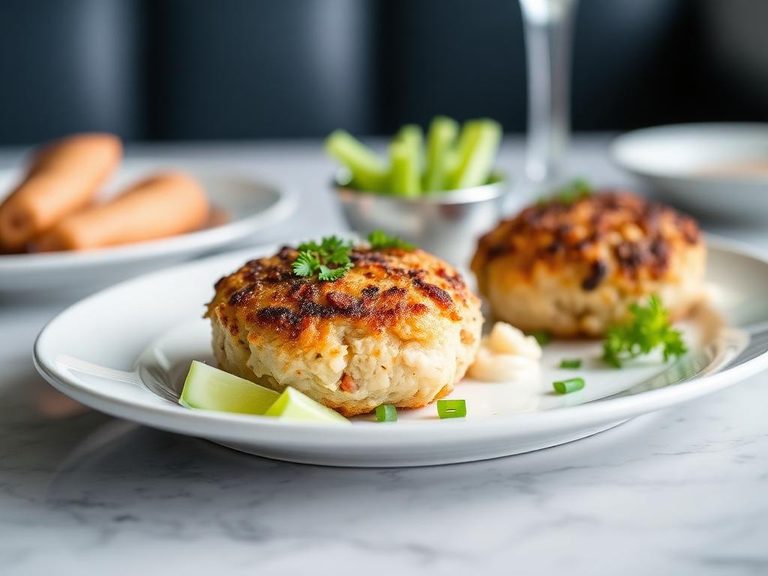
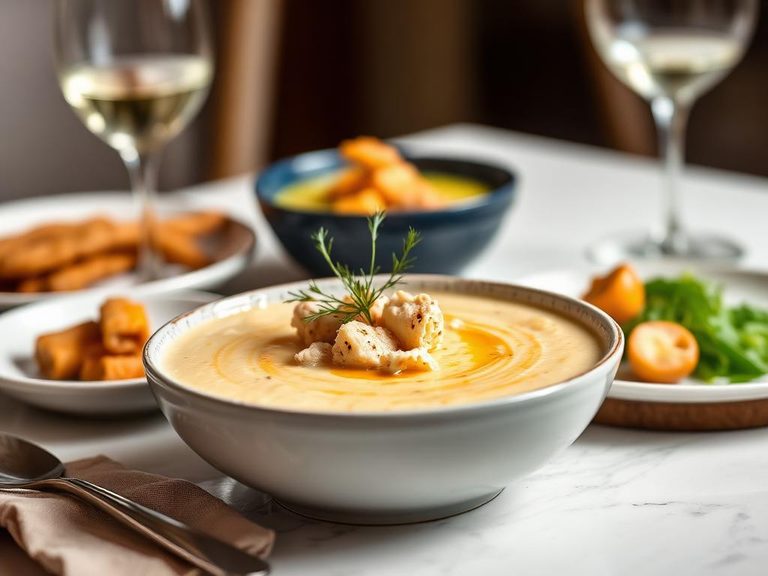
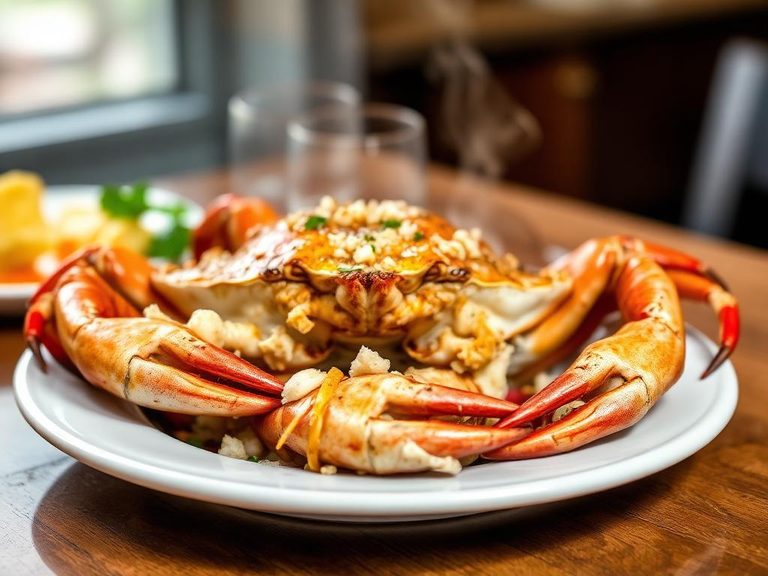
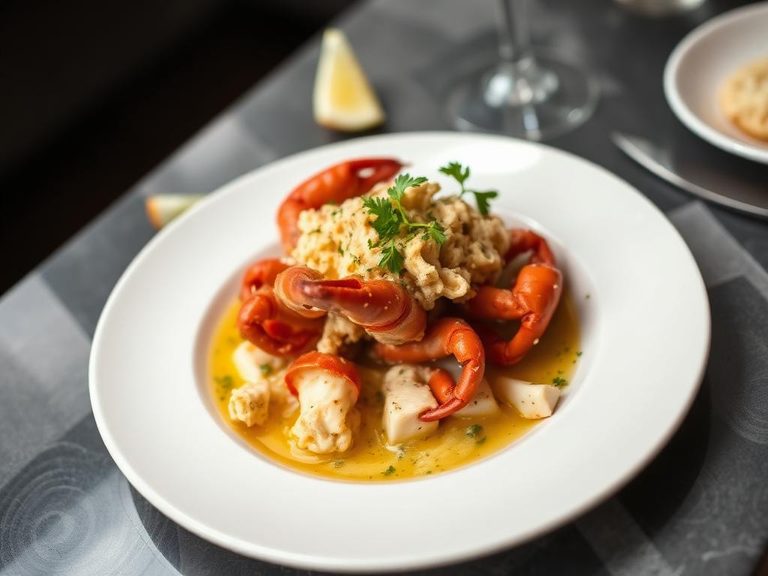
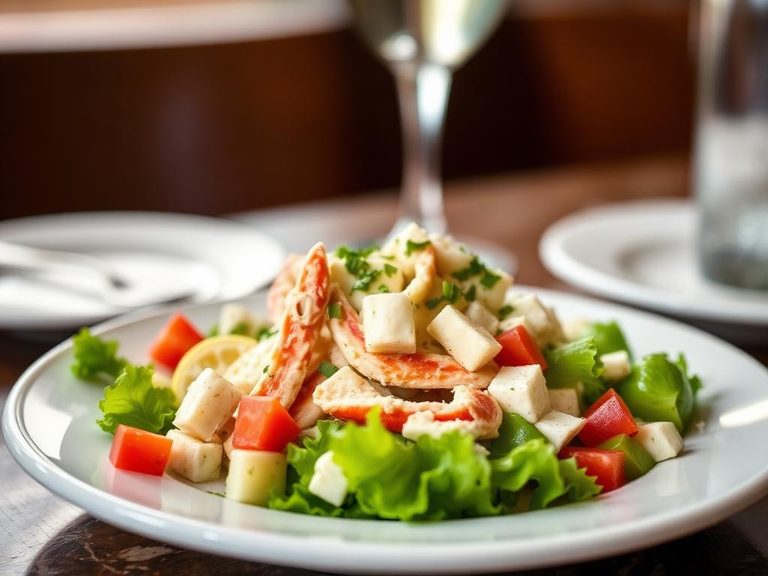
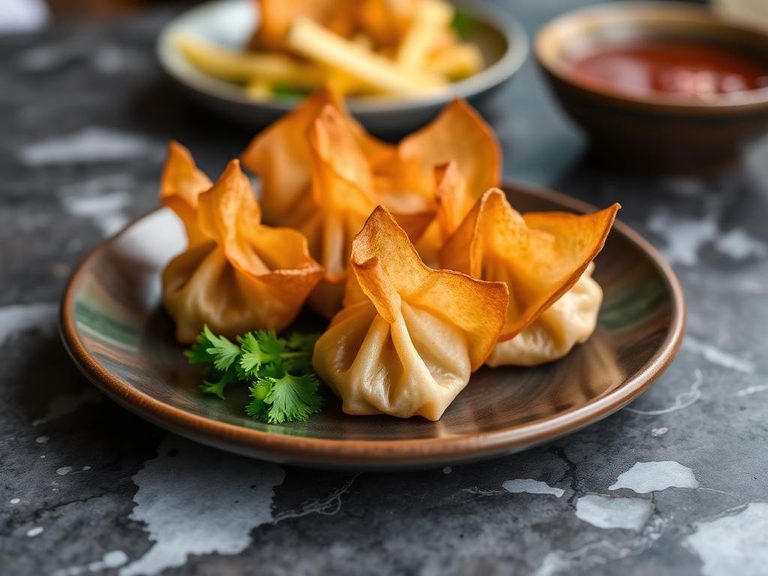
🌍 Where it's eaten
💡 Did you know?
A single blue crab can have up to 10 appendages, and the female's apron (the flap on its underside) is shaped like the U.S. Capitol dome, while the male's is shaped like the Washington Monument.
Full nutrition (USDA data · scales with serving)
| Water | 79.7 g |
| Energy | 83.0 kcal |
| Energy | 347 kj |
| Protein | 17.9 g |
| Total lipid (fat) | 0.74 g |
| Ash | 2.0 g |
| Carbohydrate, by difference | 0.00 g |
| Fiber, total dietary | 0.00 g |
| Total Sugars | 0.00 g |
| Sucrose | 0.00 g |
| Glucose | 0.00 g |
| Fructose | 0.00 g |
| Lactose | 0.00 g |
| Maltose | 0.00 g |
| Galactose | 0.00 g |
| Starch | 0.00 g |
| Calcium, Ca | 91.0 mg |
| Iron, Fe | 0.50 mg |
| Magnesium, Mg | 36.0 mg |
| Phosphorus, P | 234 mg |
| Potassium, K | 259 mg |
| Sodium, Na | 395 mg |
| Zinc, Zn | 3.8 mg |
| Copper, Cu | 0.81 mg |
| Manganese, Mn | 0.07 mg |
| Selenium, Se | 42.9 ug |
| Vitamin C, total ascorbic acid | 3.3 mg |
| Thiamin | 0.02 mg |
| Riboflavin | 0.09 mg |
| Niacin | 2.7 mg |
| Pantothenic acid | 1.00 mg |
| Vitamin B-6 | 0.16 mg |
| Folate, total | 51.0 ug |
| Folic acid | 0.00 ug |
| Folate, food | 51.0 ug |
| Folate, DFE | 51.0 ug |
| Choline, total | 80.9 mg |
| Vitamin B-12 | 3.3 ug |
| Vitamin B-12, added | 0.00 ug |
| Vitamin A, RAE | 1.0 ug |
| Retinol | 1.0 ug |
| Carotene, beta | 0.00 ug |
| Carotene, alpha | 0.00 ug |
| Cryptoxanthin, beta | 0.00 ug |
| Vitamin A, IU | 2.0 iu |
| Lycopene | 0.00 ug |
| Lutein + zeaxanthin | 0.00 ug |
| Vitamin E (alpha-tocopherol) | 1.8 mg |
| Vitamin E, added | 0.00 mg |
| Tocopherol, beta | 0.00 mg |
| Tocopherol, gamma | 0.00 mg |
| Tocopherol, delta | 0.00 mg |
| Tocotrienol, alpha | 0.00 mg |
| Tocotrienol, beta | 0.00 mg |
| Tocotrienol, gamma | 0.00 mg |
| Tocotrienol, delta | 0.00 mg |
| Vitamin D (D2 + D3), International Units | 0.00 iu |
| Vitamin D (D2 + D3) | 0.00 ug |
| Vitamin D3 (cholecalciferol) | 0.00 ug |
| Vitamin K (phylloquinone) | 0.30 ug |
| Vitamin K (Dihydrophylloquinone) | 0.00 ug |
| Vitamin K (Menaquinone-4) | 0.00 ug |
| Alcohol, ethyl | 0.00 g |
| Caffeine | 0.00 mg |
| Theobromine | 0.00 mg |
Fat & fatty acid profile (per 100g)
| Fatty acids, total saturated | 0.20 g |
| SFA 4:0 | 0.00 g |
| SFA 6:0 | 0.00 g |
| SFA 8:0 | 0.00 g |
| SFA 10:0 | 0.00 g |
| SFA 12:0 | 0.00 g |
| SFA 14:0 | 0.01 g |
| SFA 15:0 | 0.00 g |
| SFA 16:0 | 0.10 g |
| SFA 17:0 | 0.01 g |
| SFA 18:0 | 0.07 g |
| SFA 20:0 | 0.00 g |
| SFA 22:0 | 0.00 g |
| SFA 24:0 | 0.00 g |
| Fatty acids, total monounsaturated | 0.13 g |
| MUFA 14:1 | 0.00 g |
| MUFA 15:1 | 0.00 g |
| MUFA 16:1 | 0.03 g |
| MUFA 16:1 c | 0.02 g |
| MUFA 17:1 | 0.00 g |
| MUFA 18:1 | 0.09 g |
| MUFA 18:1 c | 0.09 g |
| MUFA 20:1 | 0.01 g |
| MUFA 22:1 | 0.00 g |
| MUFA 22:1 c | 0.00 g |
| MUFA 24:1 c | 0.00 g |
| Fatty acids, total polyunsaturated | 0.26 g |
| PUFA 18:2 | 0.02 g |
| PUFA 18:2 n-6 c,c | 0.02 g |
| PUFA 18:2 CLAs | 0.00 g |
| PUFA 18:3 | 0.01 g |
| PUFA 18:3 n-3 c,c,c (ALA) | 0.01 g |
| PUFA 18:3 n-6 c,c,c | 0.00 g |
| PUFA 18:4 | 0.00 g |
| PUFA 20:2 n-6 c,c | 0.01 g |
| PUFA 20:3 | 0.01 g |
| PUFA 20:3 n-3 | 0.00 g |
| PUFA 20:3 n-6 | 0.00 g |
| PUFA 20:4 | 0.04 g |
| PUFA 20:5 n-3 (EPA) | 0.10 g |
| PUFA 22:4 | 0.00 g |
| PUFA 22:5 n-3 (DPA) | 0.01 g |
| PUFA 22:6 n-3 (DHA) | 0.07 g |
| Fatty acids, total trans | 0.01 g |
| Fatty acids, total trans-monoenoic | 0.01 g |
| TFA 16:1 t | 0.00 g |
| TFA 18:1 t | 0.01 g |
| TFA 22:1 t | 0.00 g |
| TFA 18:2 t not further defined | 0.00 g |
| Fatty acids, total trans-polyenoic | 0.00 g |
| Cholesterol | 97.0 mg |
Amino acid profile (per 100g)
| Tryptophan | 0.23 g |
| Threonine | 0.73 g |
| Isoleucine | 0.78 g |
| Leucine | 1.3 g |
| Lysine | 1.4 g |
| Methionine | 0.45 g |
| Cystine | 0.19 g |
| Phenylalanine | 0.71 g |
| Tyrosine | 0.66 g |
| Valine | 0.81 g |
| Arginine | 1.8 g |
| Histidine | 0.39 g |
| Alanine | 0.89 g |
| Aspartic acid | 1.7 g |
| Glutamic acid | 2.6 g |
| Glycine | 1.1 g |
| Proline | 0.68 g |
| Serine | 0.68 g |
FAQ
Is cooked blue crab a good food for weight management?
Yes, it's an excellent choice. It's very high in protein to promote satiety, low in calories, and contains virtually no fat or carbohydrates.
How is the nutrition different from imitation crab?
Real blue crab meat is pure protein with minimal fat and zero carbs. Imitation crab (surimi) is a processed fish paste with added starch, sugar, and sodium, making it higher in carbs and lower in protein per calorie.
What's the best way to cook it to preserve its delicate flavor?
Steaming or boiling in lightly salted water is ideal. It cooks the meat quickly, retains moisture, and allows the crab's natural sweetness to shine without added fats.
Nutrient density (calculated · NRF9.3)
Nutrient Rich Foods index: beneficial nutrients (protein, fiber, vitamins, minerals) minus saturated fat, added sugar & sodium, per 100 kcal.
NRF9.3 index — Fulgoni, Keast & Drewnowski, 2009. Computed from USDA nutrients.
Weight-loss friendliness (composite index)
Energy density 0.83 kcal/g · 86% calories from protein · 0.0 g fiber · 0.0 g sugar per 100 g.
Composite of energy density (Rolls et al., 1999), protein & fiber satiety, minus sugar. A calculated heuristic — ranks satiety-per-calorie, not a clinical measure.
Dietary load (calculated from USDA values)
Potential renal acid load. Positive = acid-forming, negative = alkaline-forming.
Sodium-to-potassium ratio: 1.53 (lower is better — aim for ≤ 1)
Sodium:potassium per WHO potassium guidance. Computed from USDA nutrients.