

Salami, dry or hard, pork, beef
Whole food · Sausages and Luncheon Meats

Photo: Wikipedia
A cured, air-dried sausage with a firm, slightly chewy texture and a deep, savory, often garlicky flavor. Nutritionally, it's a dense source of protein and fat, with virtually no carbohydrates, making it a staple for low-carb and keto diets.
Calorie split: 23% protein · 1% carbs · 77% fat
↓ Full nutrition💚 Why it's loved
People adore its intense, umami-rich flavor and satisfying, hearty texture that requires no cooking. It's a cultural icon, representing centuries of European charcuterie tradition and the art of preservation.
⚠️ Watch-outs & how to enjoy it better
Its high sodium and saturated fat content can be a concern for heart health and blood pressure. To counteract this, practice strict portion control (stick to 1-2 oz) and pair it with high-fiber, low-sodium foods like fresh vegetables or whole-grain crackers to balance the meal.
Key benefits
- High in protein for muscle maintenance
- Rich in B vitamins like B12 and niacin
- Contains minerals like zinc and selenium
- Long shelf life due to curing process
- Zero carbohydrates, suitable for keto diets
🍽️ Popular dishes
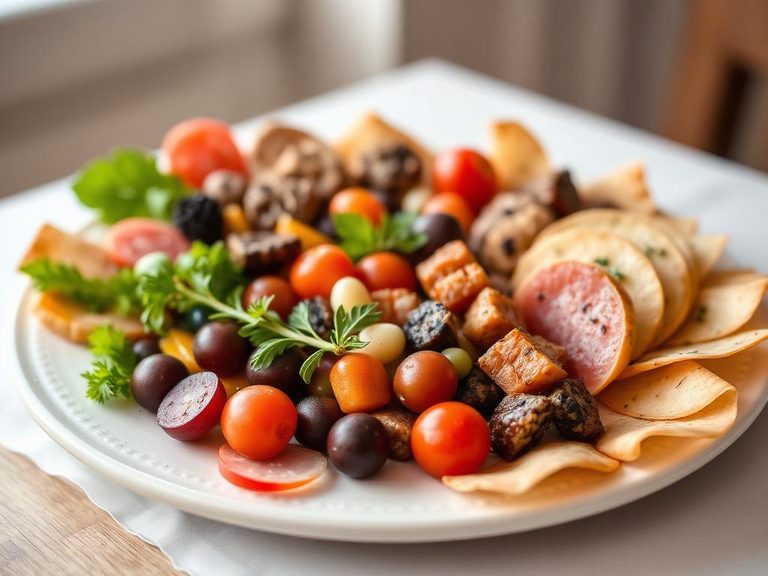
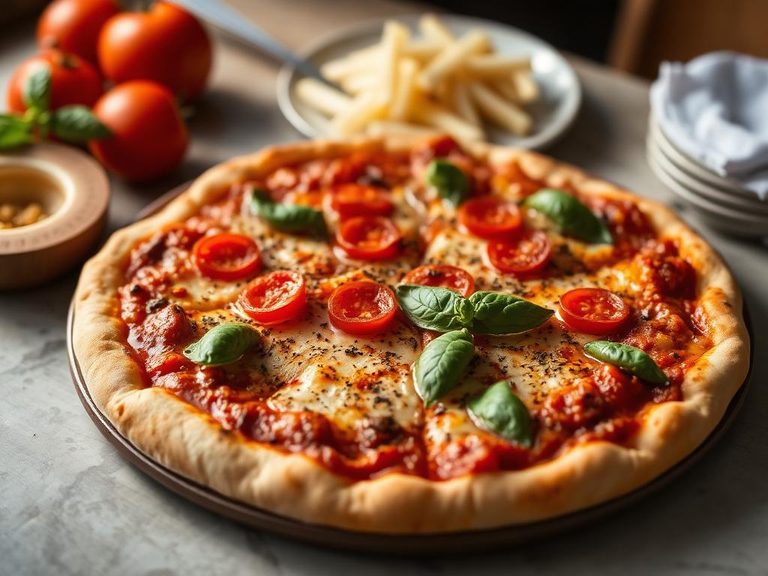
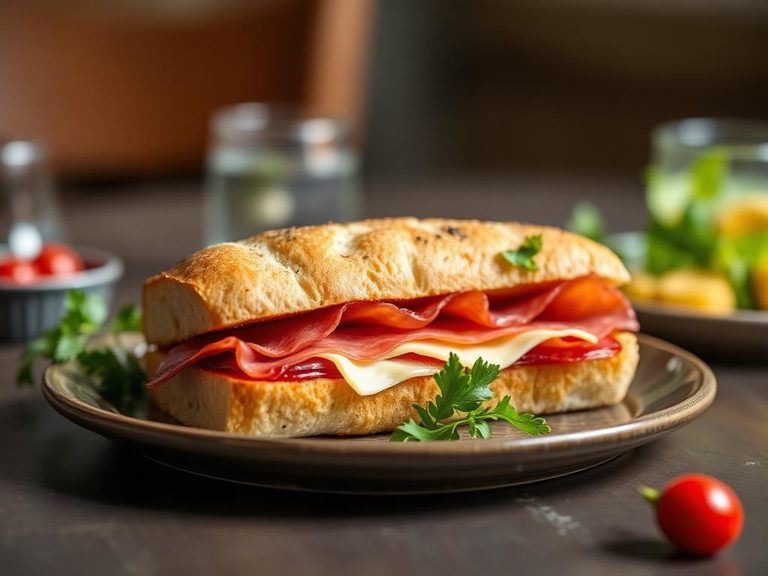
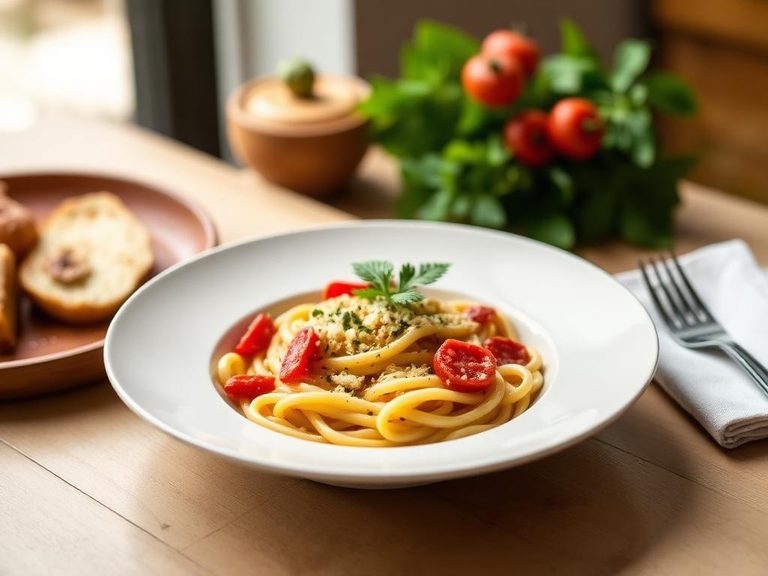
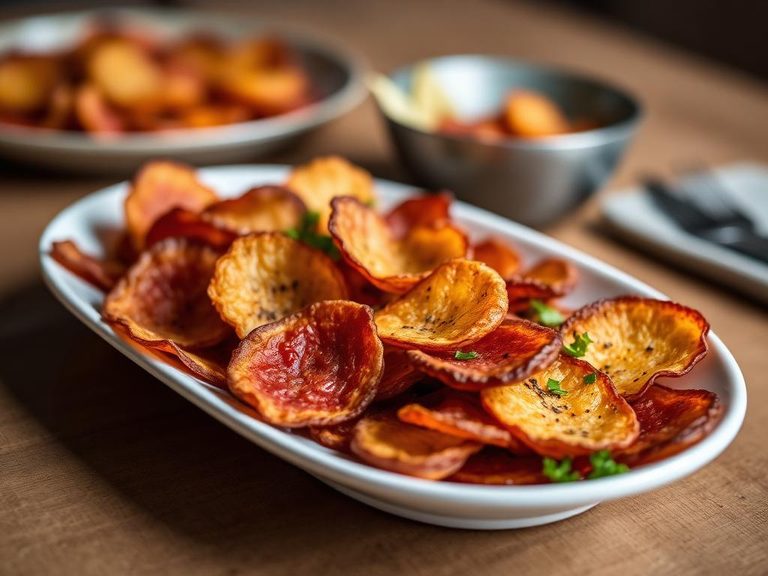
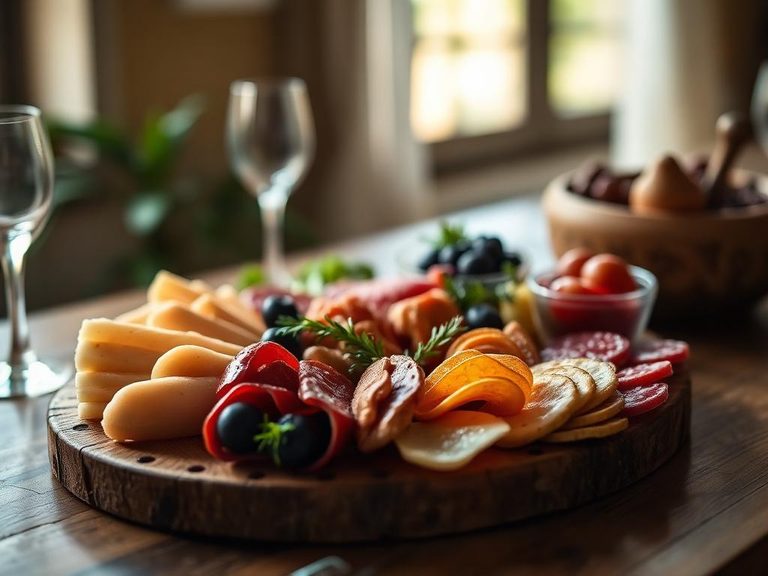
🌍 Where it's eaten
💡 Did you know?
The white, web-like veins in whole-muscle salami like Genoa are not mold, but a beneficial, edible fungus called Penicillium nalgiovense that helps develop flavor and prevent spoilage during the long drying process.
Full nutrition (USDA data · scales with serving)
| Water | 41.2 g |
| Energy | 378 kcal |
| Energy | 1583 kj |
| Protein | 21.1 g |
| Total lipid (fat) | 31.6 g |
| Ash | 5.4 g |
| Carbohydrate, by difference | 0.72 g |
| Fiber, total dietary | 0.00 g |
| Total Sugars | 0.26 g |
| Sucrose | 0.25 g |
| Glucose | 0.02 g |
| Fructose | 0.00 g |
| Lactose | 0.00 g |
| Maltose | 0.00 g |
| Galactose | 0.00 g |
| Calcium, Ca | 24.0 mg |
| Iron, Fe | 1.4 mg |
| Magnesium, Mg | 20.0 mg |
| Phosphorus, P | 192 mg |
| Potassium, K | 363 mg |
| Sodium, Na | 1756 mg |
| Zinc, Zn | 2.7 mg |
| Copper, Cu | 0.10 mg |
| Manganese, Mn | 0.95 mg |
| Selenium, Se | 33.6 ug |
| Vitamin C, total ascorbic acid | 0.00 mg |
| Thiamin | 0.39 mg |
| Riboflavin | 0.20 mg |
| Niacin | 6.1 mg |
| Pantothenic acid | 1.0 mg |
| Vitamin B-6 | 0.44 mg |
| Folate, total | 0.00 ug |
| Folic acid | 0.00 ug |
| Folate, food | 0.00 ug |
| Folate, DFE | 0.00 ug |
| Choline, total | 72.6 mg |
| Betaine | 5.9 mg |
| Vitamin B-12 | 1.1 ug |
| Vitamin B-12, added | 0.00 ug |
| Vitamin A, RAE | 11.0 ug |
| Retinol | 11.0 ug |
| Carotene, beta | 0.00 ug |
| Carotene, alpha | 0.00 ug |
| Cryptoxanthin, beta | 0.00 ug |
| Vitamin A, IU | 36.0 iu |
| Lycopene | 0.00 ug |
| Lutein + zeaxanthin | 0.00 ug |
| Vitamin E (alpha-tocopherol) | 0.64 mg |
| Vitamin E, added | 0.00 mg |
| Tocopherol, beta | 2.0 mg |
| Tocopherol, gamma | 0.19 mg |
| Tocopherol, delta | 0.01 mg |
| Tocotrienol, alpha | 0.08 mg |
| Tocotrienol, beta | 0.00 mg |
| Tocotrienol, gamma | 3.0 mg |
| Tocotrienol, delta | 0.00 mg |
| Vitamin D (D2 + D3), International Units | 36.0 iu |
| Vitamin D (D2 + D3) | 0.90 ug |
| Vitamin D3 (cholecalciferol) | 0.90 ug |
| Vitamin K (phylloquinone) | 0.00 ug |
| Alcohol, ethyl | 0.00 g |
| Caffeine | 0.00 mg |
| Theobromine | 0.00 mg |
Fat & fatty acid profile (per 100g)
| Fatty acids, total saturated | 11.4 g |
| SFA 4:0 | 0.00 g |
| SFA 6:0 | 0.00 g |
| SFA 8:0 | 0.00 g |
| SFA 10:0 | 0.05 g |
| SFA 12:0 | 0.03 g |
| SFA 14:0 | 0.52 g |
| SFA 15:0 | 0.04 g |
| SFA 16:0 | 7.0 g |
| SFA 17:0 | 0.15 g |
| SFA 18:0 | 3.5 g |
| SFA 20:0 | 0.05 g |
| SFA 22:0 | 0.00 g |
| SFA 24:0 | 0.00 g |
| Fatty acids, total monounsaturated | 14.7 g |
| MUFA 14:1 | 0.05 g |
| MUFA 15:1 | 0.00 g |
| MUFA 16:1 | 0.84 g |
| MUFA 16:1 c | 0.82 g |
| MUFA 17:1 | 0.12 g |
| MUFA 18:1 | 13.4 g |
| MUFA 18:1 c | 13.0 g |
| MUFA 20:1 | 0.24 g |
| MUFA 22:1 | 0.02 g |
| MUFA 22:1 c | 0.02 g |
| MUFA 24:1 c | 0.00 g |
| Fatty acids, total polyunsaturated | 4.9 g |
| PUFA 18:2 | 4.3 g |
| PUFA 18:2 n-6 c,c | 4.1 g |
| PUFA 18:2 CLAs | 0.09 g |
| PUFA 18:3 | 0.18 g |
| PUFA 18:3 n-3 c,c,c (ALA) | 0.18 g |
| PUFA 18:3 n-6 c,c,c | 0.00 g |
| PUFA 18:4 | 0.00 g |
| PUFA 20:2 n-6 c,c | 0.17 g |
| PUFA 20:3 | 0.06 g |
| PUFA 20:3 n-3 | 0.02 g |
| PUFA 20:3 n-6 | 0.04 g |
| PUFA 20:4 | 0.14 g |
| PUFA 20:5 n-3 (EPA) | 0.00 g |
| PUFA 22:4 | 0.04 g |
| PUFA 22:5 n-3 (DPA) | 0.02 g |
| PUFA 22:6 n-3 (DHA) | 0.01 g |
| Fatty acids, total trans | 0.48 g |
| Fatty acids, total trans-monoenoic | 0.42 g |
| TFA 16:1 t | 0.02 g |
| TFA 18:1 t | 0.39 g |
| TFA 22:1 t | 0.00 g |
| TFA 18:2 t not further defined | 0.06 g |
| Fatty acids, total trans-polyenoic | 0.06 g |
| Cholesterol | 108 mg |
| Phytosterols | 0.00 mg |
Amino acid profile (per 100g)
| Tryptophan | 0.25 g |
| Threonine | 0.93 g |
| Isoleucine | 1.00 g |
| Leucine | 1.7 g |
| Lysine | 1.9 g |
| Methionine | 0.58 g |
| Cystine | 0.24 g |
| Phenylalanine | 0.88 g |
| Tyrosine | 0.83 g |
| Valine | 1.1 g |
| Arginine | 1.4 g |
| Histidine | 0.86 g |
| Alanine | 1.2 g |
| Aspartic acid | 2.0 g |
| Glutamic acid | 3.2 g |
| Glycine | 0.95 g |
| Proline | 0.85 g |
| Serine | 0.88 g |
| Hydroxyproline | 0.07 g |
FAQ
What's the difference between dry salami and hard salami?
Dry salami is cured and air-dried for a longer period, resulting in a firmer texture and more concentrated flavor. Hard salami is typically smoked after curing, giving it a distinct smoky note and a slightly firmer bite.
Is the white stuff on salami mold?
Yes, the white, powdery coating on the outside of whole-muscle salami is a beneficial, edible mold (like Penicillium) that is part of the traditional curing process. It helps regulate moisture and contributes to the unique flavor.
How long does an unopened stick of salami last?
An unopened, vacuum-sealed stick of dry or hard salami can last for several weeks in the refrigerator past its 'sell by' date. Once opened, wrap it tightly and consume within 1-2 weeks for best quality.
Nutrient density (calculated · NRF9.3)
Nutrient Rich Foods index: beneficial nutrients (protein, fiber, vitamins, minerals) minus saturated fat, added sugar & sodium, per 100 kcal.
NRF9.3 index — Fulgoni, Keast & Drewnowski, 2009. Computed from USDA nutrients.
Weight-loss friendliness (composite index)
Energy density 3.78 kcal/g · 22% calories from protein · 0.0 g fiber · 0.3 g sugar per 100 g.
Composite of energy density (Rolls et al., 1999), protein & fiber satiety, minus sugar. A calculated heuristic — ranks satiety-per-calorie, not a clinical measure.
Dietary load (calculated from USDA values)
Potential renal acid load. Positive = acid-forming, negative = alkaline-forming.
Sodium-to-potassium ratio: 4.84 (lower is better — aim for ≤ 1)
Sodium:potassium per WHO potassium guidance. Computed from USDA nutrients.