

Fish, ocean perch, Atlantic, raw
Whole food · Finfish and Shellfish Products

Photo: Wikipedia
Atlantic ocean perch is a lean, white-fleshed fish with a delicate, slightly sweet flavor and a firm, flaky texture that holds up well to various cooking methods. It's a nutritional powerhouse, offering a substantial 15.3 grams of high-quality protein per 100g with virtually no carbohydrates or fat, making it an ideal choice for high-protein, low-calorie diets.
Calorie split: 82% protein · 0% carbs · 18% fat
↓ Full nutrition💚 Why it's loved
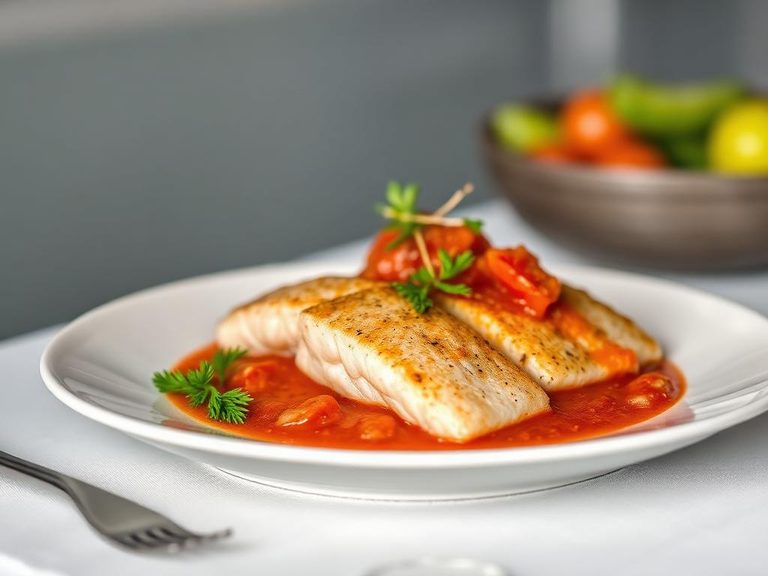
People appreciate its mild, non-fishy taste and versatile, firm texture that absorbs seasonings beautifully, making it a crowd-pleaser for both seafood lovers and those new to fish. Its adaptability allows it to be the star in everything from simple pan-sears to complex stews.
⚠️ Watch-outs & how to enjoy it better
As a common finfish, it is a recognized allergen for those with fish allergies. Its very low fat content means it can dry out if overcooked, leading to a less palatable texture. To counteract this, cook it quickly with moist-heat methods like poaching or baking en papillote, or pair it with a flavorful sauce or a small amount of healthy fat like olive oil or butter during cooking.
Key benefits
- Excellent source of lean, complete protein for muscle maintenance.
- Very low in calories and fat, supporting weight management goals.
- Provides essential nutrients like vitamin B12 and selenium.
- Naturally free of carbohydrates and sugars.
- A sustainable seafood choice when sourced from well-managed fisheries.
🍽️ Popular dishes
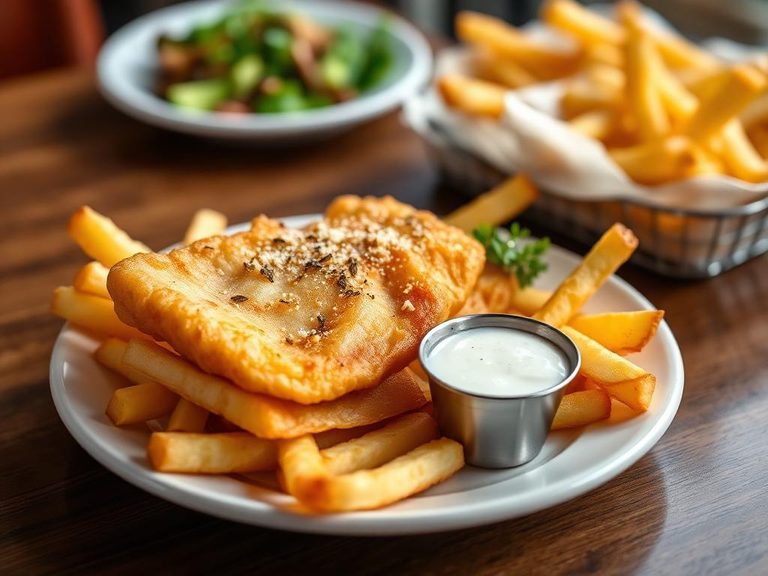
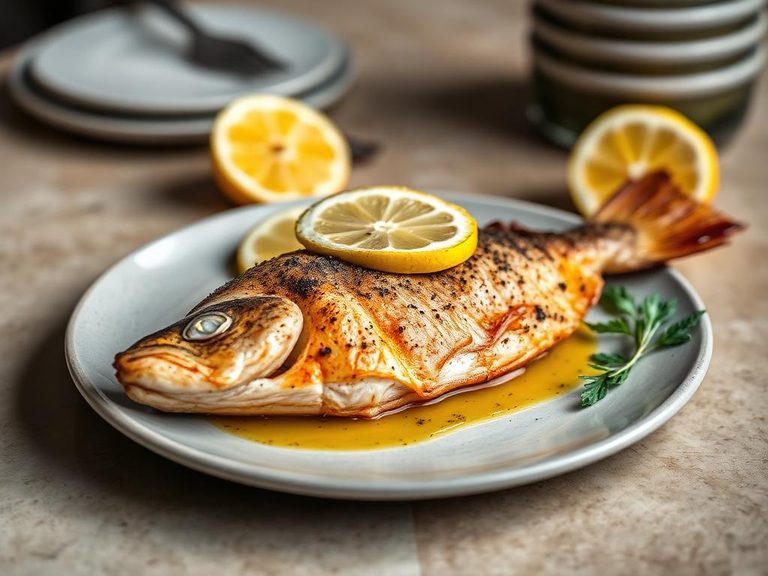
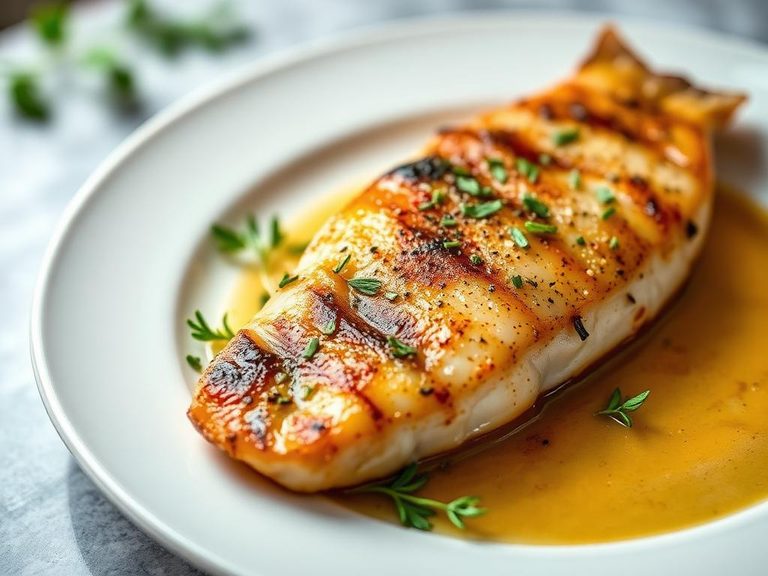
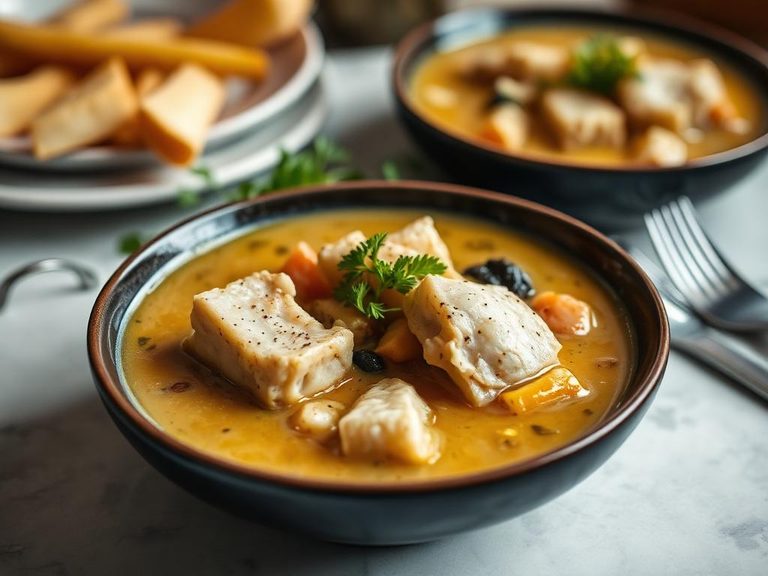
🌍 Where it's eaten
💡 Did you know?
Despite its name, Atlantic ocean perch isn't a true perch but belongs to the rockfish family, and it can live for over 75 years.
Full nutrition (USDA data · scales with serving)
| Water | 83.1 g |
| Energy | 79.0 kcal |
| Energy | 332 kj |
| Protein | 15.3 g |
| Total lipid (fat) | 1.5 g |
| Ash | 1.2 g |
| Carbohydrate, by difference | 0.00 g |
| Fiber, total dietary | 0.00 g |
| Total Sugars | 0.00 g |
| Glucose | 0.00 g |
| Fructose | 0.00 g |
| Lactose | 0.00 g |
| Maltose | 0.00 g |
| Galactose | 0.00 g |
| Starch | 0.00 g |
| Calcium, Ca | 28.0 mg |
| Iron, Fe | 0.22 mg |
| Magnesium, Mg | 23.0 mg |
| Phosphorus, P | 248 mg |
| Potassium, K | 187 mg |
| Sodium, Na | 287 mg |
| Zinc, Zn | 0.29 mg |
| Copper, Cu | 0.02 mg |
| Manganese, Mn | 0.01 mg |
| Selenium, Se | 28.6 ug |
| Vitamin C, total ascorbic acid | 0.00 mg |
| Thiamin | 0.04 mg |
| Riboflavin | 0.05 mg |
| Niacin | 1.0 mg |
| Pantothenic acid | 0.27 mg |
| Vitamin B-6 | 0.07 mg |
| Folate, total | 9.0 ug |
| Folic acid | 0.00 ug |
| Folate, food | 9.0 ug |
| Folate, DFE | 9.0 ug |
| Choline, total | 65.0 mg |
| Vitamin B-12 | 1.5 ug |
| Vitamin B-12, added | 0.00 ug |
| Vitamin A, RAE | 12.0 ug |
| Retinol | 12.0 ug |
| Carotene, beta | 0.00 ug |
| Carotene, alpha | 0.00 ug |
| Cryptoxanthin, beta | 0.00 ug |
| Vitamin A, IU | 40.0 iu |
| Lycopene | 0.00 ug |
| Lutein + zeaxanthin | 0.00 ug |
| Vitamin E (alpha-tocopherol) | 0.76 mg |
| Vitamin E, added | 0.00 mg |
| Tocopherol, beta | 0.00 mg |
| Tocopherol, gamma | 0.00 mg |
| Tocopherol, delta | 0.00 mg |
| Tocotrienol, alpha | 0.00 mg |
| Tocotrienol, beta | 0.00 mg |
| Tocotrienol, gamma | 0.00 mg |
| Tocotrienol, delta | 0.00 mg |
| Vitamin D (D2 + D3), International Units | 48.0 iu |
| Vitamin D (D2 + D3) | 1.2 ug |
| Vitamin D3 (cholecalciferol) | 1.2 ug |
| Vitamin K (phylloquinone) | 0.10 ug |
| Vitamin K (Dihydrophylloquinone) | 0.00 ug |
| Vitamin K (Menaquinone-4) | 0.20 ug |
| Alcohol, ethyl | 0.00 g |
| Caffeine | 0.00 mg |
| Theobromine | 0.00 mg |
Fat & fatty acid profile (per 100g)
| Fatty acids, total saturated | 0.27 g |
| SFA 4:0 | 0.00 g |
| SFA 6:0 | 0.00 g |
| SFA 8:0 | 0.00 g |
| SFA 10:0 | 0.00 g |
| SFA 12:0 | 0.00 g |
| SFA 14:0 | 0.06 g |
| SFA 15:0 | 0.00 g |
| SFA 16:0 | 0.15 g |
| SFA 17:0 | 0.00 g |
| SFA 18:0 | 0.05 g |
| SFA 20:0 | 0.00 g |
| SFA 22:0 | 0.00 g |
| SFA 24:0 | 0.00 g |
| Fatty acids, total monounsaturated | 0.47 g |
| MUFA 14:1 | 0.00 g |
| MUFA 15:1 | 0.00 g |
| MUFA 16:1 | 0.08 g |
| MUFA 16:1 c | 0.07 g |
| MUFA 17:1 | 0.01 g |
| MUFA 18:1 | 0.19 g |
| MUFA 18:1 c | 0.18 g |
| MUFA 20:1 | 0.15 g |
| MUFA 22:1 | 0.03 g |
| MUFA 22:1 c | 0.03 g |
| MUFA 24:1 c | 0.01 g |
| Fatty acids, total polyunsaturated | 0.30 g |
| PUFA 18:2 | 0.03 g |
| PUFA 18:2 n-6 c,c | 0.03 g |
| PUFA 18:2 CLAs | 0.00 g |
| PUFA 18:3 | 0.02 g |
| PUFA 18:3 n-3 c,c,c (ALA) | 0.01 g |
| PUFA 18:3 n-6 c,c,c | 0.00 g |
| PUFA 18:4 | 0.01 g |
| PUFA 20:2 n-6 c,c | 0.00 g |
| PUFA 20:3 | 0.01 g |
| PUFA 20:3 n-3 | 0.01 g |
| PUFA 20:3 n-6 | 0.00 g |
| PUFA 20:4 | 0.01 g |
| PUFA 20:5 n-3 (EPA) | 0.06 g |
| PUFA 22:4 | 0.00 g |
| PUFA 22:5 n-3 (DPA) | 0.01 g |
| PUFA 22:6 n-3 (DHA) | 0.15 g |
| Fatty acids, total trans | 0.01 g |
| Fatty acids, total trans-monoenoic | 0.01 g |
| TFA 16:1 t | 0.00 g |
| TFA 18:1 t | 0.00 g |
| TFA 22:1 t | 0.00 g |
| TFA 18:2 t not further defined | 0.00 g |
| Fatty acids, total trans-polyenoic | 0.00 g |
| Cholesterol | 52.0 mg |
Amino acid profile (per 100g)
| Tryptophan | 0.19 g |
| Threonine | 0.70 g |
| Isoleucine | 0.72 g |
| Leucine | 1.2 g |
| Lysine | 1.5 g |
| Methionine | 0.49 g |
| Cystine | 0.16 g |
| Phenylalanine | 0.64 g |
| Tyrosine | 0.54 g |
| Valine | 0.74 g |
| Arginine | 1.0 g |
| Histidine | 0.32 g |
| Alanine | 0.90 g |
| Aspartic acid | 1.6 g |
| Glutamic acid | 2.4 g |
| Glycine | 0.68 g |
| Proline | 0.53 g |
| Serine | 0.63 g |
FAQ
What does Atlantic ocean perch taste like?
It has a mild, slightly sweet flavor with a clean finish, and a firm, flaky texture. It's not 'fishy' and is often compared to snapper or cod.
Is ocean perch a sustainable seafood choice?
Sustainability varies by source. Look for ocean perch certified by the Marine Stewardship Council (MSC) or recommended by the Monterey Bay Aquarium Seafood Watch, as some fisheries are well-managed while others face pressure.
How do I prevent ocean perch from drying out when cooking?
Because it's very lean, it cooks quickly. Use high heat for a short time (pan-searing, broiling) or gentle, moist methods (poaching, baking with liquid). Avoid overcooking; the fish is done when it flakes easily with a fork.
Nutrient density (calculated · NRF9.3)
Nutrient Rich Foods index: beneficial nutrients (protein, fiber, vitamins, minerals) minus saturated fat, added sugar & sodium, per 100 kcal.
NRF9.3 index — Fulgoni, Keast & Drewnowski, 2009. Computed from USDA nutrients.
Weight-loss friendliness (composite index)
Energy density 0.79 kcal/g · 78% calories from protein · 0.0 g fiber · 0.0 g sugar per 100 g.
Composite of energy density (Rolls et al., 1999), protein & fiber satiety, minus sugar. A calculated heuristic — ranks satiety-per-calorie, not a clinical measure.
Dietary load (calculated from USDA values)
Potential renal acid load. Positive = acid-forming, negative = alkaline-forming.
Sodium-to-potassium ratio: 1.53 (lower is better — aim for ≤ 1)
Sodium:potassium per WHO potassium guidance. Computed from USDA nutrients.