

Cream substitute, powdered
Whole food · Dairy and Egg Products

Photo: Wikipedia
Cream substitute, powdered is a shelf-stable, dehydrated dairy alternative designed to mimic the richness of heavy cream when reconstituted with water. It offers a smooth, creamy texture and a mild, slightly sweet or neutral flavor, making it a versatile pantry staple. Nutritionally, it's a concentrated source of carbohydrates and fats, providing a quick energy boost but lacking the fiber and protein found in whole foods.
Calorie split: 2% protein · 44% carbs · 55% fat
↓ Full nutrition💚 Why it's loved
People love it for its incredible convenience and ability to instantly add a creamy, rich mouthfeel to coffee, soups, and sauces without the hassle of fresh cream. It's a cultural staple in many households for its reliability and long-lasting nature in the pantry.
⚠️ Watch-outs & how to enjoy it better
It is high in refined carbohydrates and fats with virtually no fiber, which can contribute to blood-sugar spikes if consumed in large amounts without balance. Some formulations may contain additives or have a processed taste. To counteract this, use it in moderation and pair it with protein or fiber-rich foods (like nuts in coffee or vegetables in soup) to slow digestion and create a more balanced meal.
Key benefits
- Long shelf life and no refrigeration needed before opening
- Provides a quick source of energy from fats and carbs
- Versatile for both hot and cold culinary applications
- Offers a dairy-like creaminess for those avoiding fresh cream
- Convenient for camping, travel, or emergency food storage
🍽️ Popular dishes

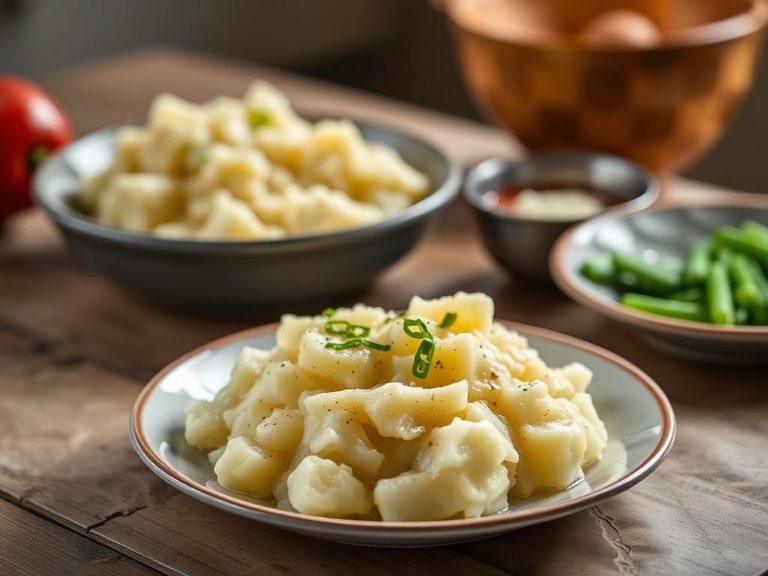

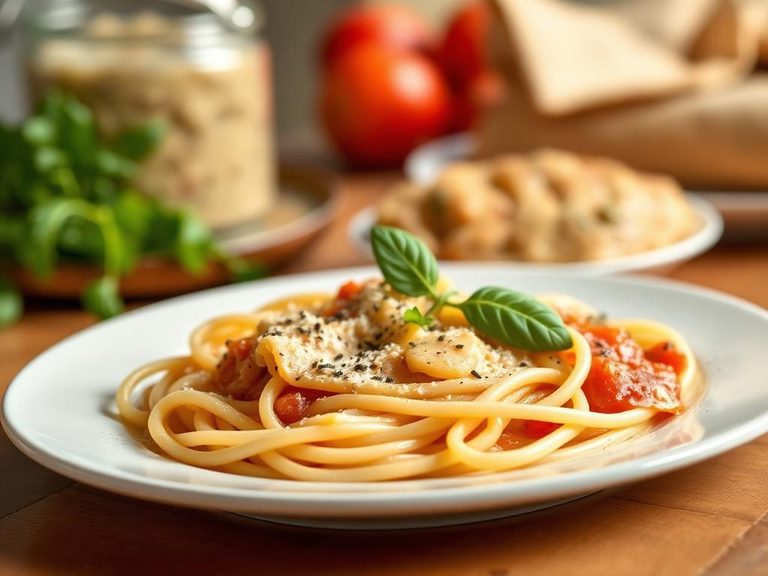

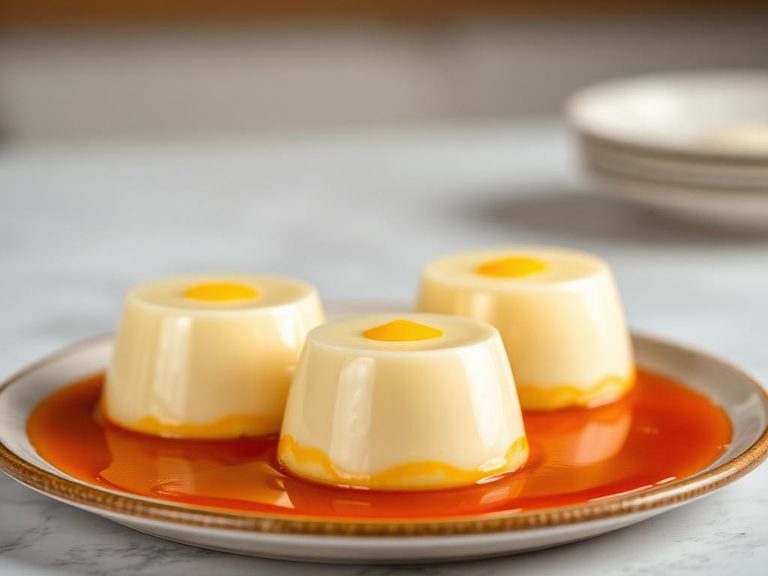
🌍 Where it's eaten
💡 Did you know?
The powdered cream substitute was a key innovation for the U.S. military in the mid-20th century, designed to provide soldiers with a lightweight, non-perishable source of calories and flavor in field rations.
Full nutrition (USDA data · scales with serving)
| Water | 3.0 g |
| Energy | 529 kcal |
| Energy | 2215 kj |
| Protein | 2.5 g |
| Total lipid (fat) | 32.9 g |
| Ash | 2.3 g |
| Carbohydrate, by difference | 59.3 g |
| Fiber, total dietary | 0.00 g |
| Total Sugars | 7.8 g |
| Sucrose | 0.00 g |
| Glucose | 3.5 g |
| Fructose | 0.57 g |
| Lactose | 0.00 g |
| Maltose | 3.7 g |
| Galactose | 0.00 g |
| Calcium, Ca | 2.0 mg |
| Iron, Fe | 0.26 mg |
| Magnesium, Mg | 1.0 mg |
| Phosphorus, P | 288 mg |
| Potassium, K | 669 mg |
| Sodium, Na | 124 mg |
| Zinc, Zn | 0.07 mg |
| Copper, Cu | 0.02 mg |
| Manganese, Mn | 0.01 mg |
| Selenium, Se | 0.00 ug |
| Fluoride, F | 112 ug |
| Vitamin C, total ascorbic acid | 0.00 mg |
| Thiamin | 0.00 mg |
| Riboflavin | 0.00 mg |
| Niacin | 0.00 mg |
| Pantothenic acid | 0.12 mg |
| Vitamin B-6 | 0.00 mg |
| Folate, total | 0.00 ug |
| Folic acid | 0.00 ug |
| Folate, food | 0.00 ug |
| Folate, DFE | 0.00 ug |
| Choline, total | 2.3 mg |
| Betaine | 0.10 mg |
| Vitamin B-12 | 0.00 ug |
| Vitamin B-12, added | 0.00 ug |
| Vitamin A, RAE | 0.00 ug |
| Retinol | 0.00 ug |
| Carotene, beta | 0.00 ug |
| Carotene, alpha | 0.00 ug |
| Cryptoxanthin, beta | 0.00 ug |
| Vitamin A, IU | 0.00 iu |
| Lycopene | 0.00 ug |
| Lutein + zeaxanthin | 0.00 ug |
| Vitamin E (alpha-tocopherol) | 1.3 mg |
| Vitamin E, added | 0.00 mg |
| Tocopherol, beta | 0.16 mg |
| Tocopherol, gamma | 10.3 mg |
| Tocopherol, delta | 3.5 mg |
| Tocotrienol, alpha | 0.00 mg |
| Tocotrienol, beta | 0.00 mg |
| Tocotrienol, gamma | 0.00 mg |
| Tocotrienol, delta | 0.00 mg |
| Vitamin D (D2 + D3), International Units | 0.00 iu |
| Vitamin D (D2 + D3) | 0.00 ug |
| Vitamin K (phylloquinone) | 1.7 ug |
| Vitamin K (Dihydrophylloquinone) | 68.2 ug |
| Vitamin K (Menaquinone-4) | 0.00 ug |
| Alcohol, ethyl | 0.00 g |
| Caffeine | 0.00 mg |
| Theobromine | 0.00 mg |
Fat & fatty acid profile (per 100g)
| Fatty acids, total saturated | 19.1 g |
| SFA 4:0 | 0.01 g |
| SFA 6:0 | 0.09 g |
| SFA 8:0 | 1.1 g |
| SFA 10:0 | 0.88 g |
| SFA 12:0 | 6.8 g |
| SFA 14:0 | 2.7 g |
| SFA 15:0 | 0.01 g |
| SFA 16:0 | 3.1 g |
| SFA 17:0 | 0.02 g |
| SFA 18:0 | 4.3 g |
| SFA 20:0 | 0.08 g |
| SFA 22:0 | 0.05 g |
| SFA 24:0 | 0.02 g |
| Fatty acids, total monounsaturated | 9.8 g |
| MUFA 14:1 | 0.00 g |
| MUFA 15:1 | 0.00 g |
| MUFA 16:1 | 0.01 g |
| MUFA 16:1 c | 0.00 g |
| MUFA 17:1 | 0.00 g |
| MUFA 18:1 | 9.8 g |
| MUFA 18:1 c | 4.4 g |
| MUFA 20:1 | 0.02 g |
| MUFA 22:1 | 0.00 g |
| MUFA 22:1 c | 0.00 g |
| MUFA 24:1 c | 0.00 g |
| Fatty acids, total polyunsaturated | 0.41 g |
| PUFA 18:2 | 0.38 g |
| PUFA 18:2 n-6 c,c | 0.20 g |
| PUFA 18:2 CLAs | 0.00 g |
| PUFA 18:3 | 0.03 g |
| PUFA 18:3 n-3 c,c,c (ALA) | 0.02 g |
| PUFA 18:3 n-6 c,c,c | 0.01 g |
| PUFA 18:3i | 0.00 g |
| PUFA 18:4 | 0.00 g |
| PUFA 20:2 n-6 c,c | 0.00 g |
| PUFA 20:3 | 0.00 g |
| PUFA 20:3 n-3 | 0.00 g |
| PUFA 20:3 n-6 | 0.00 g |
| PUFA 20:4 | 0.00 g |
| PUFA 20:5 n-3 (EPA) | 0.00 g |
| PUFA 22:4 | 0.00 g |
| PUFA 22:5 n-3 (DPA) | 0.00 g |
| PUFA 22:6 n-3 (DHA) | 0.00 g |
| Fatty acids, total trans | 5.5 g |
| Fatty acids, total trans-monoenoic | 5.4 g |
| TFA 16:1 t | 0.00 g |
| TFA 18:1 t | 5.4 g |
| TFA 22:1 t | 0.00 g |
| TFA 18:2 t not further defined | 0.18 g |
| Fatty acids, total trans-polyenoic | 0.18 g |
| Cholesterol | 0.00 mg |
| Phytosterols | 32.0 mg |
Amino acid profile (per 100g)
| Tryptophan | 0.07 g |
| Threonine | 0.20 g |
| Isoleucine | 0.29 g |
| Leucine | 0.47 g |
| Lysine | 0.39 g |
| Methionine | 0.14 g |
| Cystine | 0.02 g |
| Phenylalanine | 0.26 g |
| Tyrosine | 0.27 g |
| Valine | 0.34 g |
| Arginine | 0.19 g |
| Histidine | 0.14 g |
| Alanine | 0.15 g |
| Aspartic acid | 0.34 g |
| Glutamic acid | 1.1 g |
| Glycine | 0.10 g |
| Proline | 0.54 g |
| Serine | 0.29 g |
FAQ
Is powdered cream substitute the same as powdered milk?
No. Powdered milk is made from dehydrated milk and contains lactose and milk proteins. Powdered cream substitute is often a blend of vegetable oils, corn syrup solids, and emulsifiers, formulated to mimic cream's fat content and is typically non-dairy.
Can I use it to whip like real cream?
Generally, no. It is designed to dissolve and add creaminess, not to hold air. For whipping, you need the specific proteins and fat structure found in real dairy cream or a dedicated whipping topping product.
How should I store it after opening?
Keep it in an airtight container in a cool, dry place like a pantry. While it's shelf-stable, exposure to moisture can cause clumping and spoilage. For long-term storage, you can refrigerate or freeze it.
Nutrient density (calculated · NRF9.3)
Nutrient Rich Foods index: beneficial nutrients (protein, fiber, vitamins, minerals) minus saturated fat, added sugar & sodium, per 100 kcal.
NRF9.3 index — Fulgoni, Keast & Drewnowski, 2009. Computed from USDA nutrients.
Weight-loss friendliness (composite index)
Energy density 5.29 kcal/g · 2% calories from protein · 0.0 g fiber · 7.8 g sugar per 100 g.
Composite of energy density (Rolls et al., 1999), protein & fiber satiety, minus sugar. A calculated heuristic — ranks satiety-per-calorie, not a clinical measure.
Dietary load (calculated from USDA values)
Potential renal acid load. Positive = acid-forming, negative = alkaline-forming.
Sodium-to-potassium ratio: 0.19 (lower is better — aim for ≤ 1)
Sodium:potassium per WHO potassium guidance. Computed from USDA nutrients.