

Cheese, fresh, queso fresco
Whole food · Dairy and Egg Products
Queso fresco is a soft, white, crumbly cheese with a mild, milky flavor and a moist, slightly grainy texture. It's a staple in Mexican cuisine, prized for its ability to add a fresh, salty contrast without melting. Nutritionally, it's a high-protein, high-fat dairy option with minimal carbohydrates.
Calorie split: 24% protein · 4% carbs · 72% fat
↓ Full nutrition💚 Why it's loved
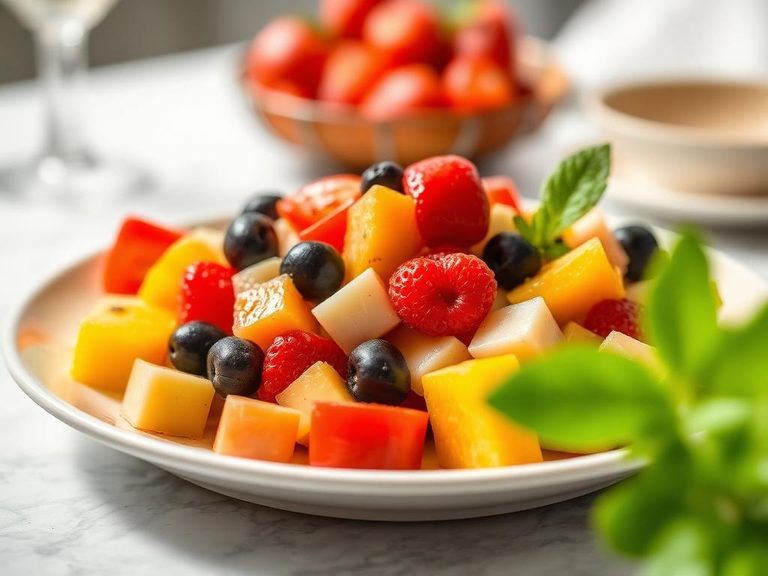
People love it for its fresh, clean taste that brightens rich dishes and its incredible versatility—it can be crumbled over tacos, stuffed into peppers, or simply eaten with fruit. It's deeply embedded in Mexican culinary tradition as a cooling, textural counterpoint.
⚠️ Watch-outs & how to enjoy it better
Its high sodium content can be a concern for those monitoring blood pressure, and it's a dairy product, making it unsuitable for lactose-intolerant individuals or those with milk allergies. To mitigate sodium, rinse the cheese briefly under cold water before crumbling and pair it with potassium-rich foods like tomatoes or avocados.
Key benefits
- Excellent source of complete protein for muscle maintenance
- Rich in calcium for bone health
- Provides conjugated linoleic acid (CLA), a beneficial fatty acid
- Low in carbohydrates and sugar, suitable for low-carb diets
- Contains probiotics that may support gut health
🍽️ Popular dishes
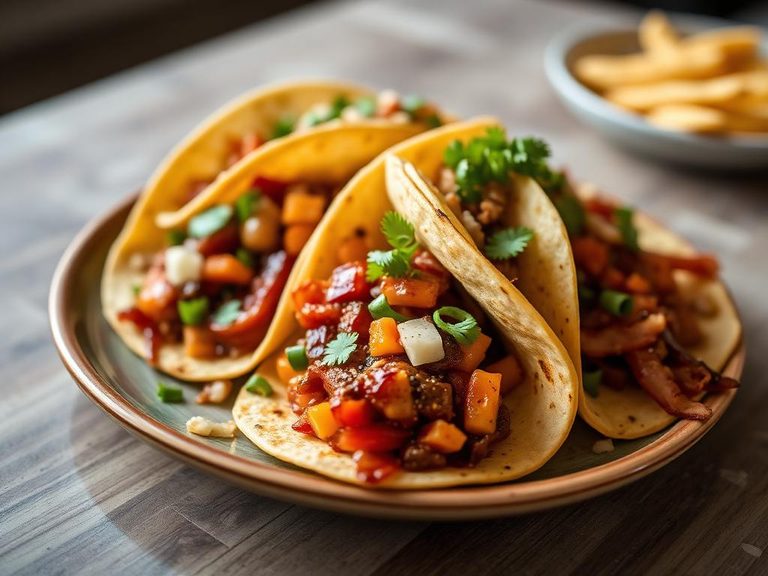
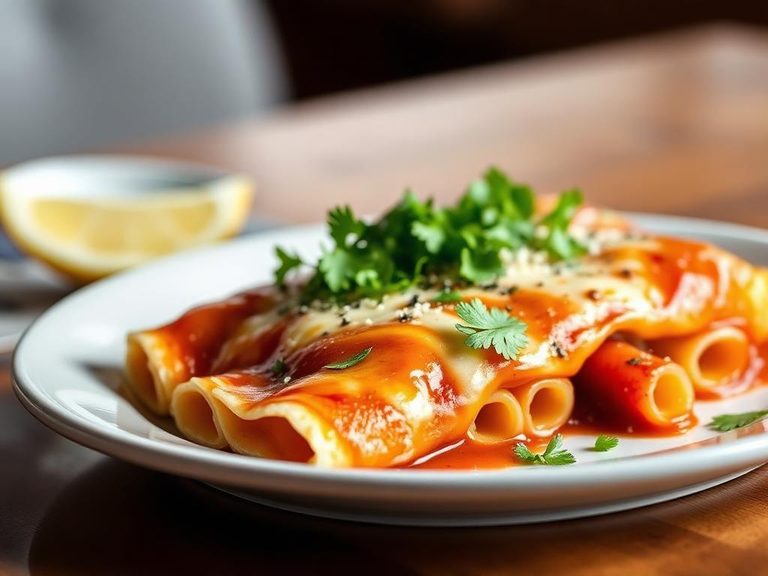
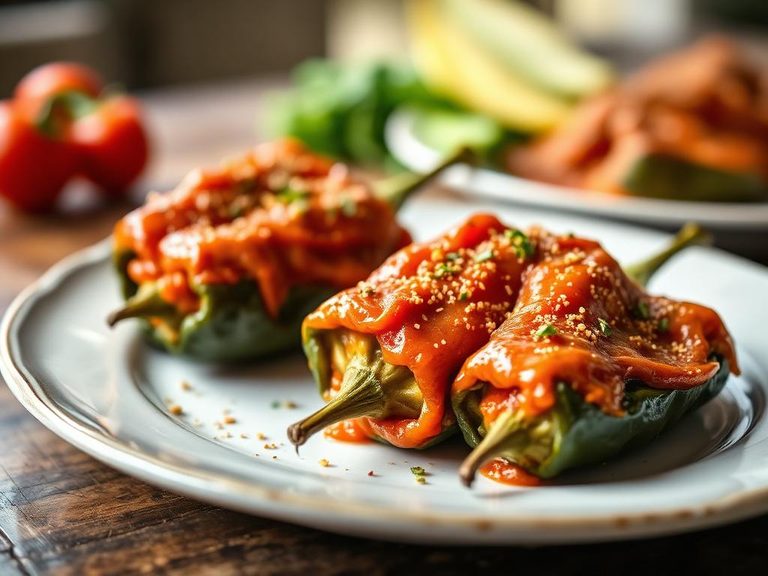
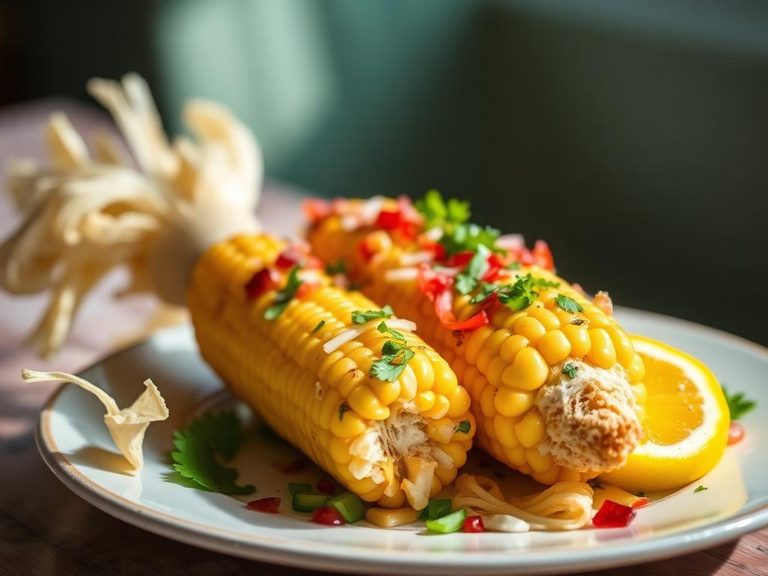

🌍 Where it's eaten
💡 Did you know?
Unlike many cheeses, queso fresco is traditionally made from raw milk and doesn't require aging—it's meant to be eaten fresh within a few days of production, which is why its name literally translates to 'fresh cheese.'
Full nutrition (USDA data · scales with serving)
| Water | 51.4 g |
| Energy | 299 kcal |
| Energy | 1250 kj |
| Protein | 18.1 g |
| Total lipid (fat) | 23.8 g |
| Ash | 3.7 g |
| Carbohydrate, by difference | 3.0 g |
| Fiber, total dietary | 0.00 g |
| Total Sugars | 2.3 g |
| Sucrose | 0.00 g |
| Glucose | 0.00 g |
| Fructose | 0.00 g |
| Lactose | 2.3 g |
| Maltose | 0.00 g |
| Galactose | 0.00 g |
| Calcium, Ca | 566 mg |
| Iron, Fe | 0.20 mg |
| Magnesium, Mg | 24.0 mg |
| Phosphorus, P | 385 mg |
| Potassium, K | 129 mg |
| Sodium, Na | 751 mg |
| Zinc, Zn | 2.6 mg |
| Copper, Cu | 0.03 mg |
| Manganese, Mn | 0.01 mg |
| Selenium, Se | 19.3 ug |
| Vitamin C, total ascorbic acid | 0.00 mg |
| Thiamin | 0.04 mg |
| Riboflavin | 0.17 mg |
| Niacin | 0.03 mg |
| Pantothenic acid | 0.36 mg |
| Vitamin B-6 | 0.08 mg |
| Folate, total | 7.0 ug |
| Folic acid | 0.00 ug |
| Folate, food | 7.0 ug |
| Folate, DFE | 7.0 ug |
| Choline, total | 12.5 mg |
| Betaine | 3.3 mg |
| Vitamin B-12 | 1.7 ug |
| Vitamin B-12, added | 0.00 ug |
| Vitamin A, RAE | 224 ug |
| Retinol | 221 ug |
| Carotene, beta | 41.0 ug |
| Carotene, alpha | 0.00 ug |
| Cryptoxanthin, beta | 2.0 ug |
| Vitamin A, IU | 806 iu |
| Lycopene | 0.00 ug |
| Lutein + zeaxanthin | 3.0 ug |
| Vitamin E (alpha-tocopherol) | 0.37 mg |
| Vitamin E, added | 0.00 mg |
| Tocopherol, beta | 0.00 mg |
| Tocopherol, gamma | 0.04 mg |
| Tocopherol, delta | 0.00 mg |
| Tocotrienol, alpha | 0.03 mg |
| Tocotrienol, beta | 0.00 mg |
| Tocotrienol, gamma | 0.04 mg |
| Tocotrienol, delta | 0.00 mg |
| Vitamin D (D2 + D3), International Units | 110 iu |
| Vitamin D (D2 + D3) | 2.7 ug |
| Vitamin D3 (cholecalciferol) | 2.7 ug |
| Vitamin K (phylloquinone) | 1.0 ug |
| Vitamin K (Menaquinone-4) | 3.6 ug |
| Alcohol, ethyl | 0.00 g |
| Caffeine | 0.00 mg |
| Theobromine | 0.00 mg |
Fat & fatty acid profile (per 100g)
| Fatty acids, total saturated | 12.9 g |
| SFA 4:0 | 0.49 g |
| SFA 6:0 | 0.39 g |
| SFA 8:0 | 0.24 g |
| SFA 10:0 | 0.57 g |
| SFA 12:0 | 0.65 g |
| SFA 14:0 | 2.1 g |
| SFA 15:0 | 0.22 g |
| SFA 16:0 | 5.6 g |
| SFA 17:0 | 0.14 g |
| SFA 18:0 | 2.4 g |
| SFA 20:0 | 0.03 g |
| SFA 22:0 | 0.01 g |
| SFA 24:0 | 0.01 g |
| Fatty acids, total monounsaturated | 6.0 g |
| MUFA 14:1 | 0.17 g |
| MUFA 15:1 | 0.00 g |
| MUFA 16:1 | 0.41 g |
| MUFA 16:1 c | 0.34 g |
| MUFA 17:1 | 0.04 g |
| MUFA 18:1 | 5.3 g |
| MUFA 18:1 c | 4.7 g |
| MUFA 20:1 | 0.04 g |
| MUFA 22:1 | 0.00 g |
| MUFA 22:1 c | 0.00 g |
| MUFA 24:1 c | 0.00 g |
| Fatty acids, total polyunsaturated | 1.1 g |
| PUFA 18:2 | 0.89 g |
| PUFA 18:2 n-6 c,c | 0.59 g |
| PUFA 18:2 CLAs | 0.14 g |
| PUFA 18:3 | 0.11 g |
| PUFA 18:3 n-3 c,c,c (ALA) | 0.10 g |
| PUFA 18:3 n-6 c,c,c | 0.01 g |
| PUFA 18:4 | 0.01 g |
| PUFA 20:2 n-6 c,c | 0.01 g |
| PUFA 20:3 | 0.03 g |
| PUFA 20:3 n-3 | 0.00 g |
| PUFA 20:3 n-6 | 0.03 g |
| PUFA 20:4 | 0.04 g |
| PUFA 20:5 n-3 (EPA) | 0.01 g |
| PUFA 22:4 | 0.01 g |
| PUFA 22:5 n-3 (DPA) | 0.01 g |
| PUFA 22:6 n-3 (DHA) | 0.00 g |
| Fatty acids, total trans | 0.83 g |
| Fatty acids, total trans-monoenoic | 0.67 g |
| TFA 16:1 t | 0.07 g |
| TFA 18:1 t | 0.60 g |
| TFA 22:1 t | 0.00 g |
| TFA 18:2 t not further defined | 0.16 g |
| Fatty acids, total trans-polyenoic | 0.16 g |
| Cholesterol | 69.0 mg |
Amino acid profile (per 100g)
Estimated from Cheese, cottage, with vegetables — USDA does not publish this profile for Cheese.
| Tryptophan | 0.13 g |
| Threonine | 0.53 g |
| Isoleucine | 0.70 g |
| Leucine | 1.2 g |
| Lysine | 0.97 g |
| Methionine | 0.36 g |
| Cystine | 0.11 g |
| Phenylalanine | 0.65 g |
| Tyrosine | 0.64 g |
| Valine | 0.74 g |
| Arginine | 0.55 g |
| Histidine | 0.40 g |
| Alanine | 0.62 g |
| Aspartic acid | 0.82 g |
| Glutamic acid | 2.6 g |
| Glycine | 0.27 g |
| Proline | 1.4 g |
| Serine | 0.67 g |
FAQ
What's the difference between queso fresco and feta?
Queso fresco is milder, less tangy, and has a softer, moister crumble compared to the saltier, more acidic, and firmer feta. It's also typically made from cow's milk or a cow/goat blend, while feta is traditionally sheep's milk.
Can I melt queso fresco?
It doesn't melt smoothly like mozzarella; it softens and becomes creamy but will hold some shape. It's best used as a finishing cheese or for light baking, not for dishes requiring a stringy melt.
How do I store it properly?
Keep it submerged in its brine or a light saltwater solution in an airtight container in the refrigerator. This helps maintain its moisture and flavor for up to a week.
Nutrient density (calculated · NRF9.3)
Nutrient Rich Foods index: beneficial nutrients (protein, fiber, vitamins, minerals) minus saturated fat, added sugar & sodium, per 100 kcal.
NRF9.3 index — Fulgoni, Keast & Drewnowski, 2009. Computed from USDA nutrients.
Weight-loss friendliness (composite index)
Energy density 2.99 kcal/g · 24% calories from protein · 0.0 g fiber · 2.3 g sugar per 100 g.
Composite of energy density (Rolls et al., 1999), protein & fiber satiety, minus sugar. A calculated heuristic — ranks satiety-per-calorie, not a clinical measure.
Dietary load (calculated from USDA values)
Potential renal acid load. Positive = acid-forming, negative = alkaline-forming.
Sodium-to-potassium ratio: 5.82 (lower is better — aim for ≤ 1)
Sodium:potassium per WHO potassium guidance. Computed from USDA nutrients.