

Bread, french or vienna (includes sourdough)
Whole food · Baked Products
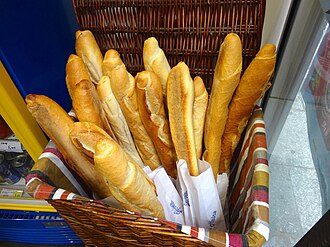
Photo: Wikipedia
French or Vienna bread is a lean, crusty loaf with a golden, crackling crust and a soft, airy interior that offers a satisfying chew. Its flavor is subtly wheaty with a hint of tang, especially in sourdough versions. Nutritionally, it's a high-carb energy source with a moderate protein content and very low fat.
Calorie split: 16% protein · 76% carbs · 8% fat
↓ Full nutrition💚 Why it's loved
People adore its textural contrast—the shattering crust and soft crumb—and its ability to act as a neutral yet flavorful canvas for everything from rich butter to hearty stews. It's deeply embedded in culinary culture, symbolizing daily sustenance and artisanal craft.
⚠️ Watch-outs & how to enjoy it better
Its high glycemic load can cause rapid blood-sugar spikes, and it's a common source of gluten, making it unsafe for those with celiac disease or gluten intolerance. To mitigate blood sugar impact, always pair it with a protein (like cheese or eggs) or healthy fat (like avocado or olive oil) to slow digestion.
Key benefits
- Provides quick, accessible energy from complex carbohydrates
- Contains a moderate amount of plant-based protein
- Low in fat, making it a lean staple
- Sourdough fermentation can improve mineral absorption
- Versatile base for both sweet and savory meals
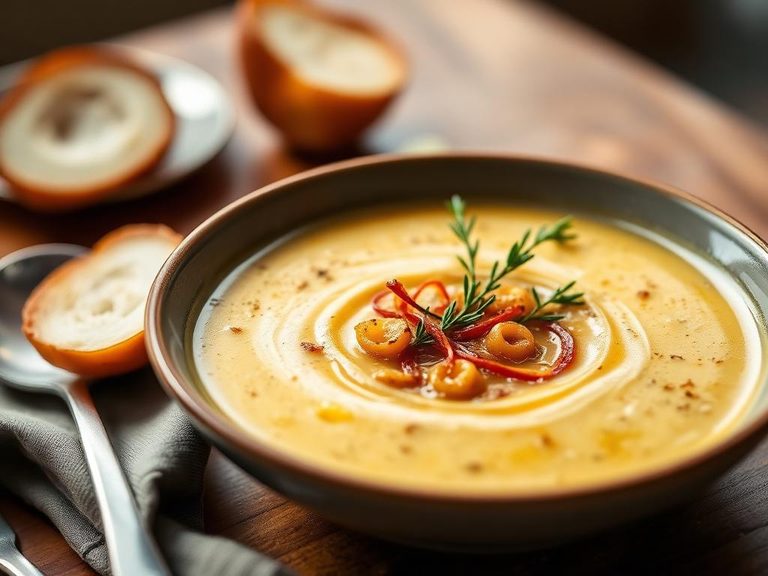
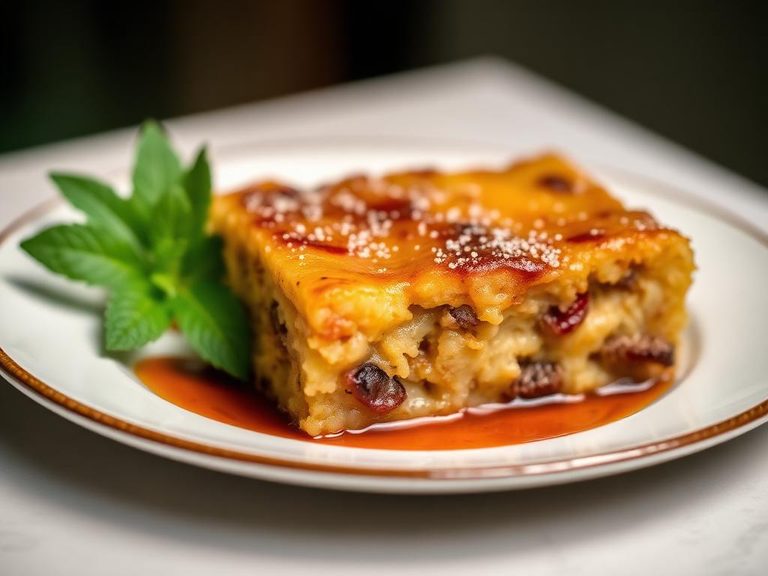
🍽️ Popular dishes
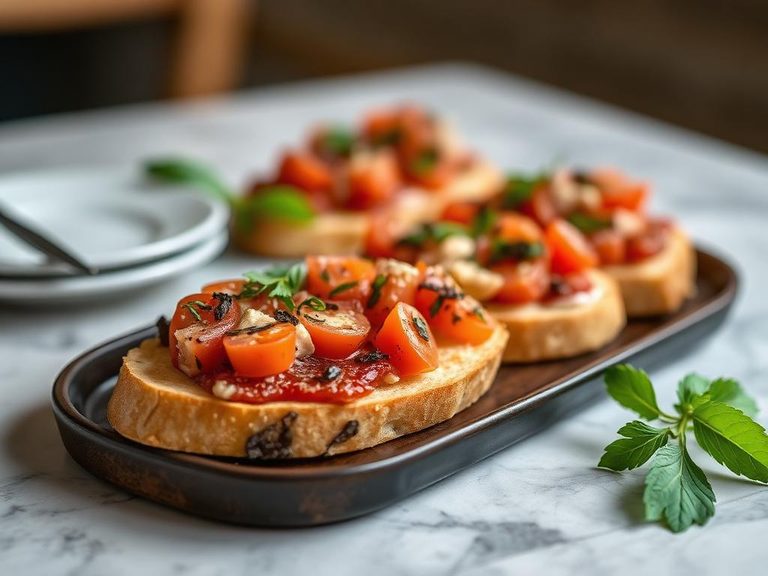
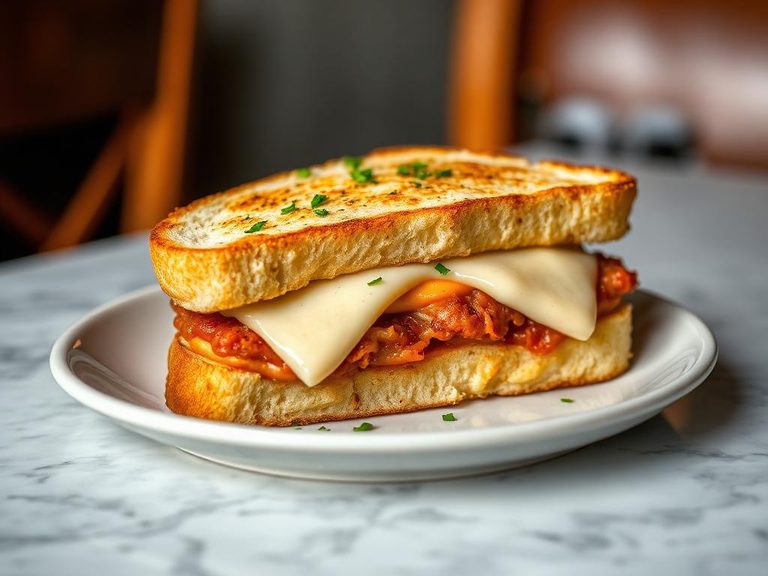
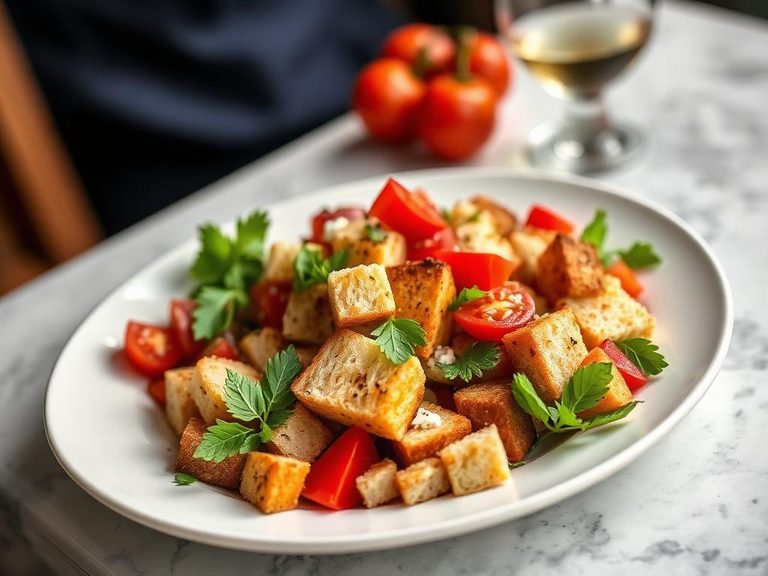

🌍 Where it's eaten
💡 Did you know?
The crispy crust of a properly baked baguette or Vienna loaf is created by a burst of steam in the oven, which gelatinizes the surface starches before they set, forming that signature thin, glass-like shell.
Full nutrition (USDA data · scales with serving)
| Water | 33.0 g |
| Energy | 272 kcal |
| Energy | 1139 kj |
| Protein | 10.8 g |
| Total lipid (fat) | 2.4 g |
| Ash | 2.0 g |
| Carbohydrate, by difference | 51.9 g |
| Fiber, total dietary | 2.2 g |
| Total Sugars | 4.6 g |
| Sucrose | 0.00 g |
| Glucose | 0.40 g |
| Fructose | 0.51 g |
| Lactose | 0.00 g |
| Maltose | 3.7 g |
| Galactose | 0.00 g |
| Starch | 44.2 g |
| Calcium, Ca | 52.0 mg |
| Iron, Fe | 3.9 mg |
| Magnesium, Mg | 32.0 mg |
| Phosphorus, P | 105 mg |
| Potassium, K | 117 mg |
| Sodium, Na | 602 mg |
| Zinc, Zn | 1.0 mg |
| Copper, Cu | 0.15 mg |
| Manganese, Mn | 0.58 mg |
| Selenium, Se | 28.6 ug |
| Vitamin C, total ascorbic acid | 0.00 mg |
| Thiamin | 0.71 mg |
| Riboflavin | 0.43 mg |
| Niacin | 4.8 mg |
| Pantothenic acid | 0.46 mg |
| Vitamin B-6 | 0.11 mg |
| Folate, total | 123 ug |
| Folic acid | 67.0 ug |
| Folate, food | 56.0 ug |
| Folate, DFE | 170 ug |
| Choline, total | 8.0 mg |
| Vitamin B-12 | 0.00 ug |
| Vitamin B-12, added | 0.00 ug |
| Vitamin A, RAE | 0.00 ug |
| Retinol | 0.00 ug |
| Carotene, beta | 0.00 ug |
| Carotene, alpha | 0.00 ug |
| Cryptoxanthin, beta | 0.00 ug |
| Vitamin A, IU | 1.0 iu |
| Lycopene | 0.00 ug |
| Lutein + zeaxanthin | 45.0 ug |
| Vitamin E (alpha-tocopherol) | 0.21 mg |
| Vitamin E, added | 0.00 mg |
| Tocopherol, beta | 0.03 mg |
| Tocopherol, gamma | 0.28 mg |
| Tocopherol, delta | 0.07 mg |
| Tocotrienol, alpha | 0.00 mg |
| Tocotrienol, beta | 0.59 mg |
| Tocotrienol, gamma | 0.00 mg |
| Tocotrienol, delta | 0.00 mg |
| Vitamin D (D2 + D3), International Units | 0.00 iu |
| Vitamin D (D2 + D3) | 0.00 ug |
| Vitamin K (phylloquinone) | 0.70 ug |
| Alcohol, ethyl | 0.00 g |
| Caffeine | 0.00 mg |
| Theobromine | 0.00 mg |
Fat & fatty acid profile (per 100g)
| Fatty acids, total saturated | 0.53 g |
| SFA 4:0 | 0.00 g |
| SFA 6:0 | 0.00 g |
| SFA 8:0 | 0.00 g |
| SFA 10:0 | 0.00 g |
| SFA 12:0 | 0.00 g |
| SFA 14:0 | 0.01 g |
| SFA 15:0 | 0.00 g |
| SFA 16:0 | 0.36 g |
| SFA 17:0 | 0.00 g |
| SFA 18:0 | 0.14 g |
| SFA 20:0 | 0.00 g |
| SFA 22:0 | 0.00 g |
| SFA 24:0 | 0.00 g |
| Fatty acids, total monounsaturated | 0.36 g |
| MUFA 14:1 | 0.00 g |
| MUFA 15:1 | 0.00 g |
| MUFA 16:1 | 0.01 g |
| MUFA 16:1 c | 0.01 g |
| MUFA 17:1 | 0.00 g |
| MUFA 18:1 | 0.34 g |
| MUFA 18:1 c | 0.34 g |
| MUFA 20:1 | 0.01 g |
| MUFA 22:1 | 0.00 g |
| MUFA 22:1 c | 0.00 g |
| MUFA 24:1 c | 0.00 g |
| Fatty acids, total polyunsaturated | 0.85 g |
| PUFA 18:2 | 0.79 g |
| PUFA 18:2 n-6 c,c | 0.79 g |
| PUFA 18:2 CLAs | 0.00 g |
| PUFA 18:3 | 0.06 g |
| PUFA 18:3 n-3 c,c,c (ALA) | 0.06 g |
| PUFA 18:3 n-6 c,c,c | 0.00 g |
| PUFA 18:3i | 0.00 g |
| PUFA 18:4 | 0.00 g |
| PUFA 20:2 n-6 c,c | 0.00 g |
| PUFA 20:3 | 0.00 g |
| PUFA 20:3 n-3 | 0.00 g |
| PUFA 20:3 n-6 | 0.00 g |
| PUFA 20:4 | 0.00 g |
| PUFA 20:5 n-3 (EPA) | 0.00 g |
| PUFA 22:4 | 0.00 g |
| PUFA 22:5 n-3 (DPA) | 0.00 g |
| PUFA 22:6 n-3 (DHA) | 0.00 g |
| Fatty acids, total trans | 0.01 g |
| Fatty acids, total trans-monoenoic | 0.00 g |
| TFA 16:1 t | 0.00 g |
| TFA 18:1 t | 0.00 g |
| TFA 22:1 t | 0.00 g |
| TFA 18:2 t not further defined | 0.00 g |
| Fatty acids, total trans-polyenoic | 0.00 g |
| Cholesterol | 0.00 mg |
Amino acid profile (per 100g)
Estimated from Bread, salvadoran sweet cheese (quesadilla salvadorena) — USDA does not publish this profile for Bread.
| Tryptophan | 0.07 g |
| Threonine | 0.21 g |
| Isoleucine | 0.30 g |
| Leucine | 0.65 g |
| Lysine | 0.50 g |
| Methionine | 0.28 g |
| Cystine | 0.06 g |
| Phenylalanine | 0.37 g |
| Tyrosine | 0.23 g |
| Valine | 0.43 g |
| Arginine | 0.25 g |
| Histidine | 0.15 g |
| Alanine | 0.36 g |
| Aspartic acid | 0.59 g |
| Glutamic acid | 1.3 g |
| Glycine | 0.20 g |
| Proline | 0.83 g |
| Serine | 0.45 g |
| Hydroxyproline | 0.00 g |
FAQ
What's the difference between French and Vienna bread?
Vienna bread often uses a slightly richer dough (sometimes with a touch of milk or sugar) and is typically baked in a steam-injected oven for a crispier crust. French bread (like a baguette) is a leaner dough of just flour, water, yeast, and salt, baked for a pronounced crust and open crumb.
Is sourdough French bread healthier?
The long fermentation in sourdough can break down some gluten and may lead to a lower glycemic response compared to quick-rise breads. It also develops complex flavors and can make minerals like iron and zinc more bioavailable.
How should I store it to keep it fresh?
Store it cut-side down on a cutting board at room temperature for up to 2 days. Avoid plastic bags, which trap moisture and soften the crust. For longer storage, slice and freeze it, then toast directly from frozen.
Nutrient density (calculated · NRF9.3)
Nutrient Rich Foods index: beneficial nutrients (protein, fiber, vitamins, minerals) minus saturated fat, added sugar & sodium, per 100 kcal.
NRF9.3 index — Fulgoni, Keast & Drewnowski, 2009. Computed from USDA nutrients.
Weight-loss friendliness (composite index)
Energy density 2.72 kcal/g · 16% calories from protein · 2.2 g fiber · 4.6 g sugar per 100 g.
Composite of energy density (Rolls et al., 1999), protein & fiber satiety, minus sugar. A calculated heuristic — ranks satiety-per-calorie, not a clinical measure.
Dietary load (calculated from USDA values)
Potential renal acid load. Positive = acid-forming, negative = alkaline-forming.
Sodium-to-potassium ratio: 5.15 (lower is better — aim for ≤ 1)
Sodium:potassium per WHO potassium guidance. Computed from USDA nutrients.