

Seeds, pumpkin and squash seed kernels, dried
Whole food · Nut and Seed Products

Photo: Wikipedia
Pumpkin and squash seed kernels are the hulled, edible hearts of the seeds, prized for their satisfyingly crunchy yet tender bite and rich, nutty, slightly earthy flavor. Nutritionally, they are a powerhouse, delivering an exceptional amount of plant-based protein and healthy fats in a compact serving. This makes them a dense source of energy, magnesium, and zinc.
Calorie split: 20% protein · 7% carbs · 73% fat
↓ Full nutrition💚 Why it's loved
People love these seeds for their deeply savory, toasty flavor that elevates both sweet and savory dishes, and for their incredibly versatile texture—from a crunchy salad topper to a smooth pesto base. They are a beloved snack and ingredient across many cultures, from Mexican moles to Middle Eastern pilafs.
⚠️ Watch-outs & how to enjoy it better
Their high calorie and fat density means portion control is key for those managing weight. The high magnesium content, while beneficial, can cause digestive discomfort in very large amounts for some individuals. To mitigate, enjoy them in measured handfuls (about 1/4 cup) and pair with fiber-rich foods like vegetables or whole grains.
Key benefits
- Excellent source of plant-based protein for muscle maintenance.
- Rich in magnesium, supporting nerve and muscle function.
- High in healthy monounsaturated and polyunsaturated fats.
- Provides a good amount of dietary fiber for digestive health.
- Contains zinc, important for immune system support.
🍽️ Popular dishes

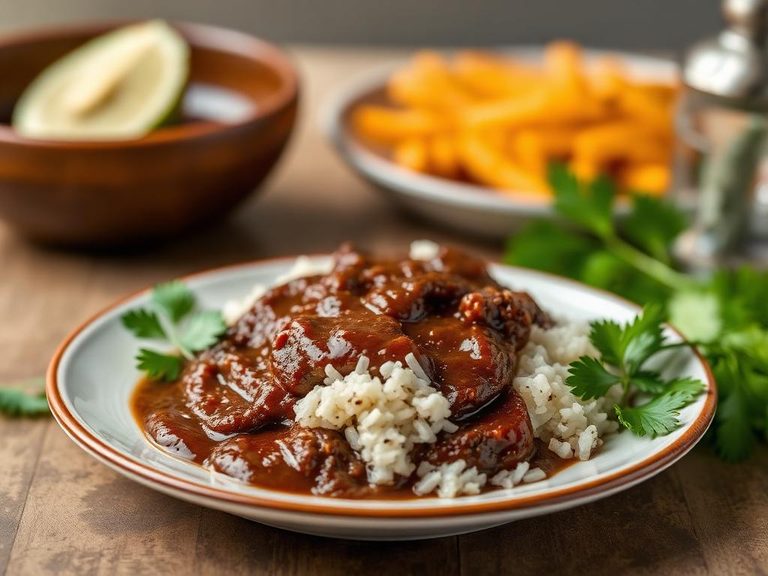
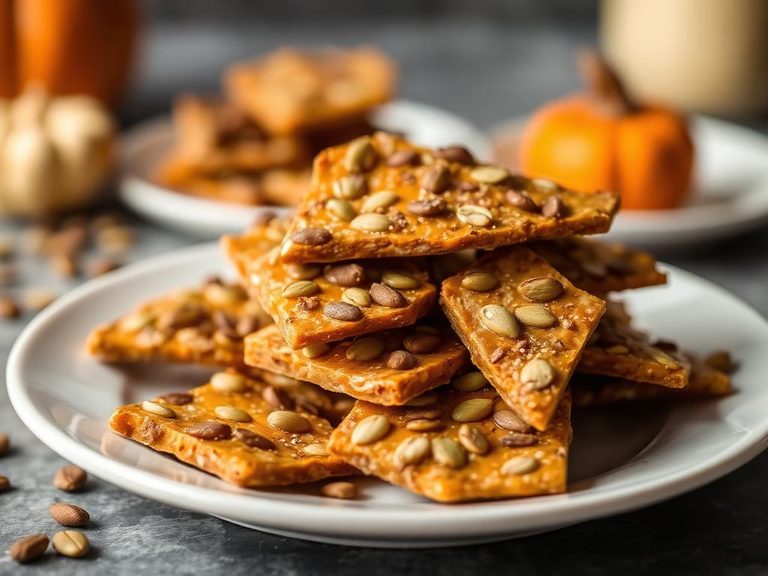
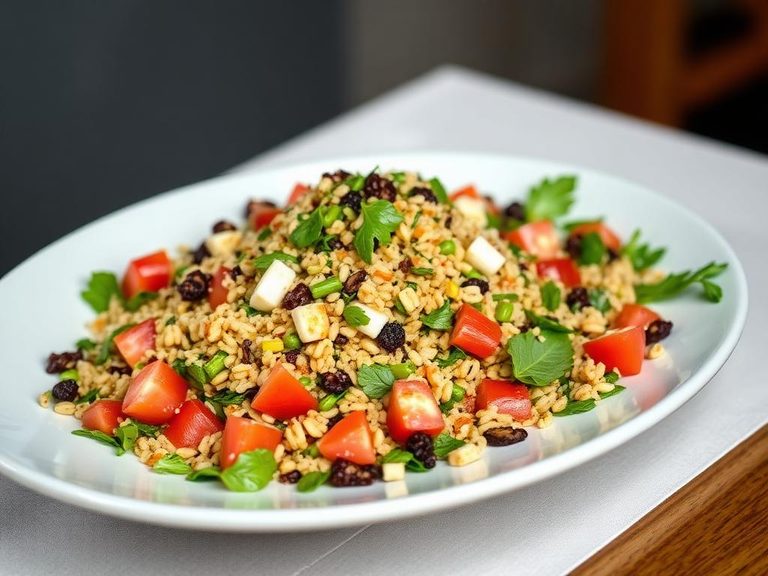
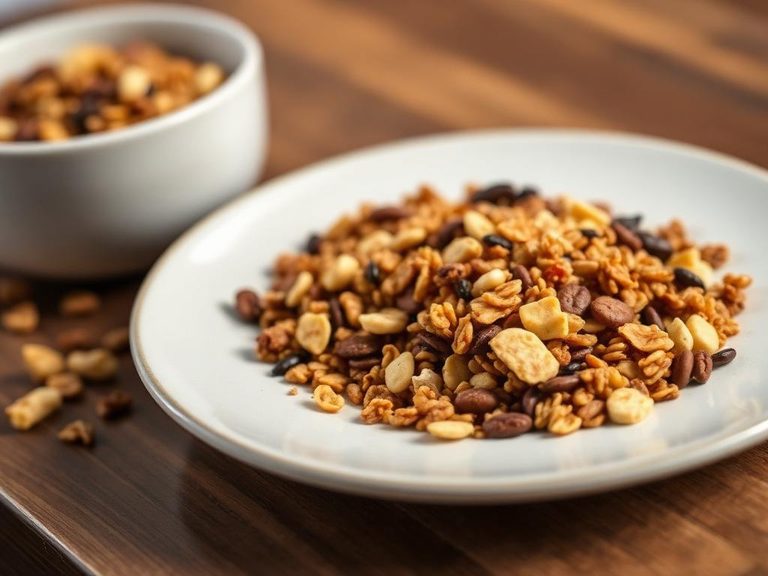
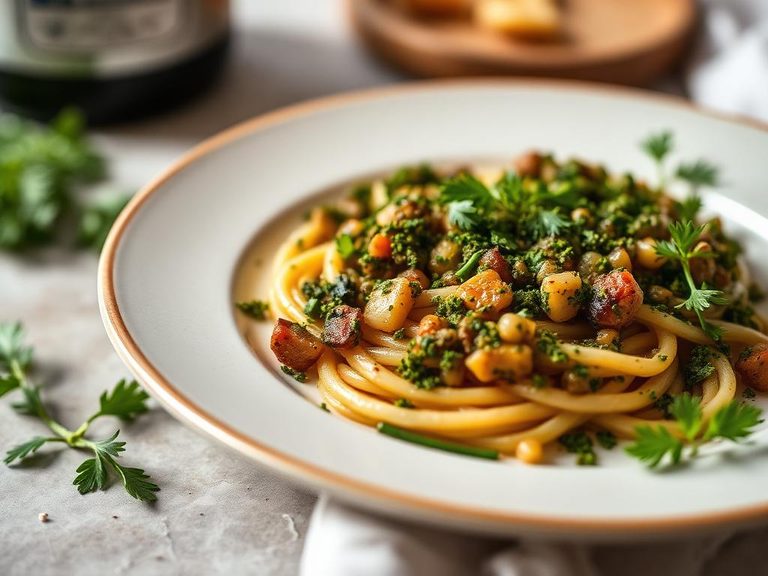
🌍 Where it's eaten
💡 Did you know?
The Aztecs considered pumpkin seeds a staple food and used them medicinally, and the word 'pepita' in Spanish literally means 'little squash seed.'
Full nutrition (USDA data · scales with serving)
| Water | 5.2 g |
| Energy | 559 kcal |
| Energy | 2339 kj |
| Protein | 30.2 g |
| Total lipid (fat) | 49.0 g |
| Ash | 4.8 g |
| Carbohydrate, by difference | 10.7 g |
| Fiber, total dietary | 6.0 g |
| Total Sugars | 1.4 g |
| Sucrose | 1.1 g |
| Glucose | 0.13 g |
| Fructose | 0.15 g |
| Lactose | 0.00 g |
| Maltose | 0.00 g |
| Galactose | 0.00 g |
| Starch | 1.5 g |
| Calcium, Ca | 46.0 mg |
| Iron, Fe | 8.8 mg |
| Magnesium, Mg | 592 mg |
| Phosphorus, P | 1233 mg |
| Potassium, K | 809 mg |
| Sodium, Na | 7.0 mg |
| Zinc, Zn | 7.8 mg |
| Copper, Cu | 1.3 mg |
| Manganese, Mn | 4.5 mg |
| Selenium, Se | 9.4 ug |
| Vitamin C, total ascorbic acid | 1.9 mg |
| Thiamin | 0.27 mg |
| Riboflavin | 0.15 mg |
| Niacin | 5.0 mg |
| Pantothenic acid | 0.75 mg |
| Vitamin B-6 | 0.14 mg |
| Folate, total | 58.0 ug |
| Folic acid | 0.00 ug |
| Folate, food | 58.0 ug |
| Folate, DFE | 58.0 ug |
| Choline, total | 63.0 mg |
| Vitamin B-12 | 0.00 ug |
| Vitamin B-12, added | 0.00 ug |
| Vitamin A, RAE | 1.0 ug |
| Retinol | 0.00 ug |
| Carotene, beta | 9.0 ug |
| Carotene, alpha | 1.0 ug |
| Cryptoxanthin, beta | 1.0 ug |
| Vitamin A, IU | 16.0 iu |
| Lycopene | 0.00 ug |
| Lutein + zeaxanthin | 74.0 ug |
| Vitamin E (alpha-tocopherol) | 2.2 mg |
| Vitamin E, added | 0.00 mg |
| Tocopherol, beta | 0.03 mg |
| Tocopherol, gamma | 35.1 mg |
| Tocopherol, delta | 0.44 mg |
| Tocotrienol, alpha | 0.00 mg |
| Tocotrienol, beta | 0.00 mg |
| Tocotrienol, gamma | 0.06 mg |
| Tocotrienol, delta | 0.00 mg |
| Vitamin D (D2 + D3), International Units | 0.00 iu |
| Vitamin D (D2 + D3) | 0.00 ug |
| Vitamin K (phylloquinone) | 7.3 ug |
| Vitamin K (Dihydrophylloquinone) | 0.00 ug |
| Vitamin K (Menaquinone-4) | 0.00 ug |
| Alcohol, ethyl | 0.00 g |
| Caffeine | 0.00 mg |
| Theobromine | 0.00 mg |
Fat & fatty acid profile (per 100g)
| Fatty acids, total saturated | 8.7 g |
| SFA 4:0 | 0.00 g |
| SFA 6:0 | 0.00 g |
| SFA 8:0 | 0.00 g |
| SFA 10:0 | 0.00 g |
| SFA 12:0 | 0.01 g |
| SFA 14:0 | 0.06 g |
| SFA 15:0 | 0.01 g |
| SFA 16:0 | 5.4 g |
| SFA 17:0 | 0.04 g |
| SFA 18:0 | 2.9 g |
| SFA 20:0 | 0.21 g |
| SFA 22:0 | 0.06 g |
| SFA 24:0 | 0.04 g |
| Fatty acids, total monounsaturated | 16.2 g |
| MUFA 14:1 | 0.00 g |
| MUFA 15:1 | 0.00 g |
| MUFA 16:1 | 0.05 g |
| MUFA 16:1 c | 0.05 g |
| MUFA 17:1 | 0.00 g |
| MUFA 18:1 | 16.1 g |
| MUFA 18:1 c | 16.1 g |
| MUFA 20:1 | 0.06 g |
| MUFA 22:1 | 0.00 g |
| MUFA 22:1 c | 0.00 g |
| MUFA 24:1 c | 0.01 g |
| Fatty acids, total polyunsaturated | 21.0 g |
| PUFA 18:2 | 20.7 g |
| PUFA 18:2 n-6 c,c | 20.7 g |
| PUFA 18:2 CLAs | 0.00 g |
| PUFA 18:3 | 0.12 g |
| PUFA 18:3 n-3 c,c,c (ALA) | 0.12 g |
| PUFA 18:3 n-6 c,c,c | 0.00 g |
| PUFA 18:4 | 0.00 g |
| PUFA 20:2 n-6 c,c | 0.00 g |
| PUFA 20:3 | 0.00 g |
| PUFA 20:3 n-3 | 0.00 g |
| PUFA 20:3 n-6 | 0.00 g |
| PUFA 20:4 | 0.13 g |
| PUFA 20:5 n-3 (EPA) | 0.00 g |
| PUFA 22:4 | 0.01 g |
| PUFA 22:5 n-3 (DPA) | 0.00 g |
| PUFA 22:6 n-3 (DHA) | 0.00 g |
| Fatty acids, total trans | 0.06 g |
| Fatty acids, total trans-monoenoic | 0.03 g |
| TFA 16:1 t | 0.00 g |
| TFA 18:1 t | 0.03 g |
| TFA 22:1 t | 0.00 g |
| TFA 18:2 t not further defined | 0.04 g |
| Fatty acids, total trans-polyenoic | 0.04 g |
| Cholesterol | 0.00 mg |
Amino acid profile (per 100g)
| Tryptophan | 0.58 g |
| Threonine | 1.00 g |
| Isoleucine | 1.3 g |
| Leucine | 2.4 g |
| Lysine | 1.2 g |
| Methionine | 0.60 g |
| Cystine | 0.33 g |
| Phenylalanine | 1.7 g |
| Tyrosine | 1.1 g |
| Valine | 1.6 g |
| Arginine | 5.4 g |
| Histidine | 0.78 g |
| Alanine | 1.5 g |
| Aspartic acid | 3.0 g |
| Glutamic acid | 6.2 g |
| Glycine | 1.8 g |
| Proline | 1.3 g |
| Serine | 1.7 g |
FAQ
What's the difference between a pumpkin seed and a pepita?
A pumpkin seed is the whole seed in its white or off-white shell. A pepita is the hulled, green kernel inside that shell. They are the same seed, just processed differently.
Are pumpkin seeds good for you?
Yes, they are highly nutritious, packed with protein, healthy fats, magnesium, and zinc. However, they are also calorie-dense, so they are best enjoyed in moderation as part of a balanced diet.
How should I store them?
For short-term use, store in an airtight container in a cool, dark pantry for up to 3 months. For longer storage, keep them in the refrigerator or freezer to prevent the oils from going rancid, where they can last for up to a year.
Nutrient density (calculated · NRF9.3)
Nutrient Rich Foods index: beneficial nutrients (protein, fiber, vitamins, minerals) minus saturated fat, added sugar & sodium, per 100 kcal.
NRF9.3 index — Fulgoni, Keast & Drewnowski, 2009. Computed from USDA nutrients.
Weight-loss friendliness (composite index)
Energy density 5.59 kcal/g · 22% calories from protein · 6.0 g fiber · 1.4 g sugar per 100 g.
Composite of energy density (Rolls et al., 1999), protein & fiber satiety, minus sugar. A calculated heuristic — ranks satiety-per-calorie, not a clinical measure.
Dietary load (calculated from USDA values)
Potential renal acid load. Positive = acid-forming, negative = alkaline-forming.
Sodium-to-potassium ratio: 0.01 (lower is better — aim for ≤ 1)
Sodium:potassium per WHO potassium guidance. Computed from USDA nutrients.