

Rolls, hamburger or hotdog, plain
Whole food · Baked Products
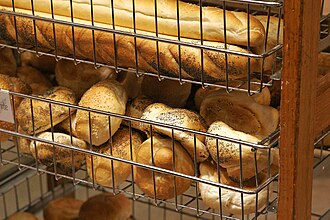
Photo: Wikipedia
A plain hamburger or hotdog roll is a soft, slightly chewy, and mildly sweet white bread product, typically made from refined wheat flour. Its golden-brown crust gives way to a pillowy interior, providing a neutral, starchy canvas that doesn't compete with the flavors of its fillings. Nutritionally, it's a concentrated source of quick-release carbohydrates, offering a swift energy boost with minimal protein or fat.
Calorie split: 14% protein · 73% carbs · 13% fat
↓ Full nutrition💚 Why it's loved
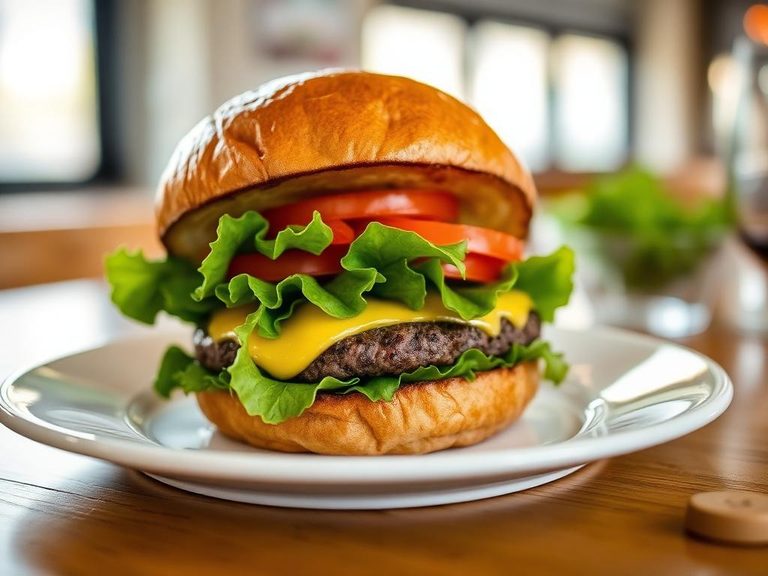
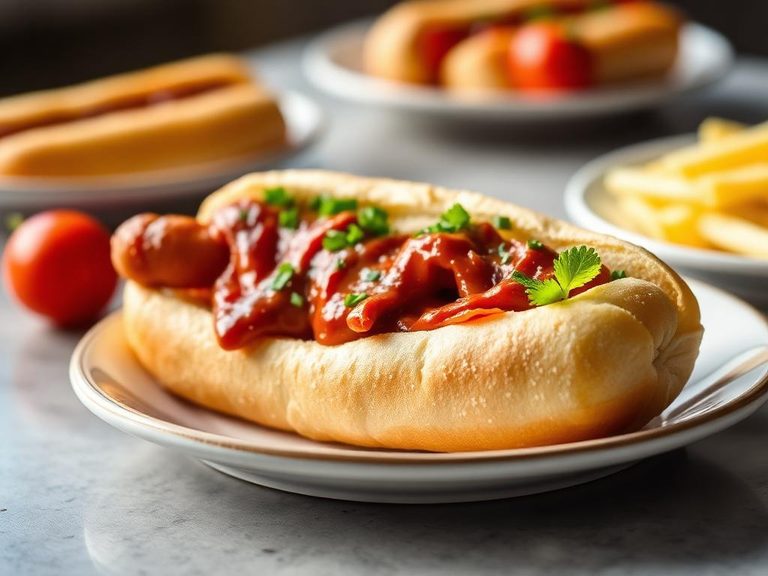
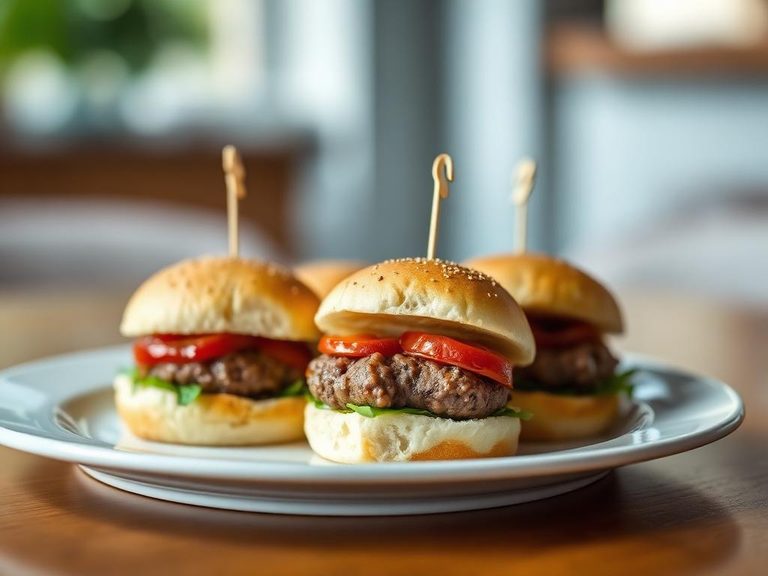
People love the roll for its comforting, familiar texture and its role as the essential, humble vehicle that holds and complements a juicy burger or a savory hotdog. Its mild sweetness and soft bite make it a universally appealing staple at cookouts, ballparks, and casual meals.
⚠️ Watch-outs & how to enjoy it better
Its high glycemic index can lead to rapid blood-sugar spikes, which is a concern for those managing diabetes or insulin resistance. It's also a common source of gluten and may contain added sodium. To counteract this, pair it with protein (like a lean patty) and healthy fats (avocado, olive oil-based sauce) to slow digestion, or opt for a smaller portion and load up on fiber-rich toppings like lettuce, tomato, and onions.
Key benefits
- Provides a quick source of energy from carbohydrates.
- Light and easy to digest for most people.
- Extremely versatile base for countless savory and sweet fillings.
- Convenient, portable, and shelf-stable for meals on the go.
- Low in fat, making it a lighter option compared to enriched breads.
🍽️ Popular dishes
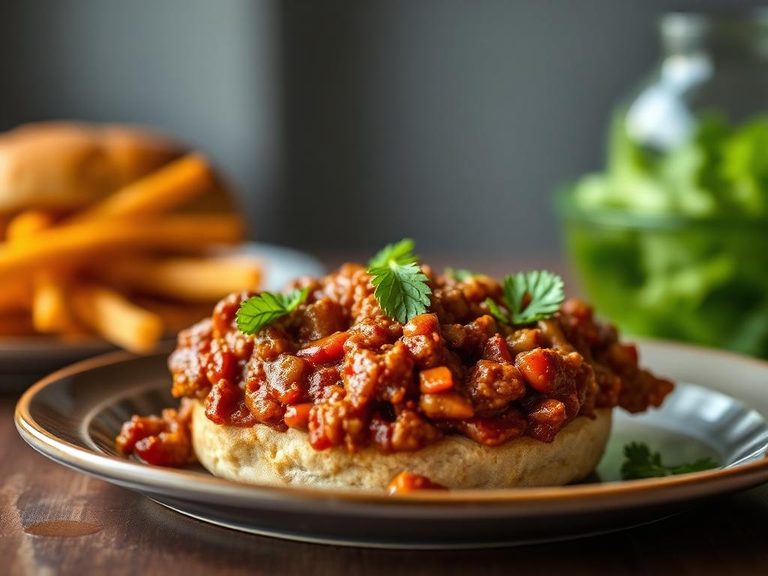
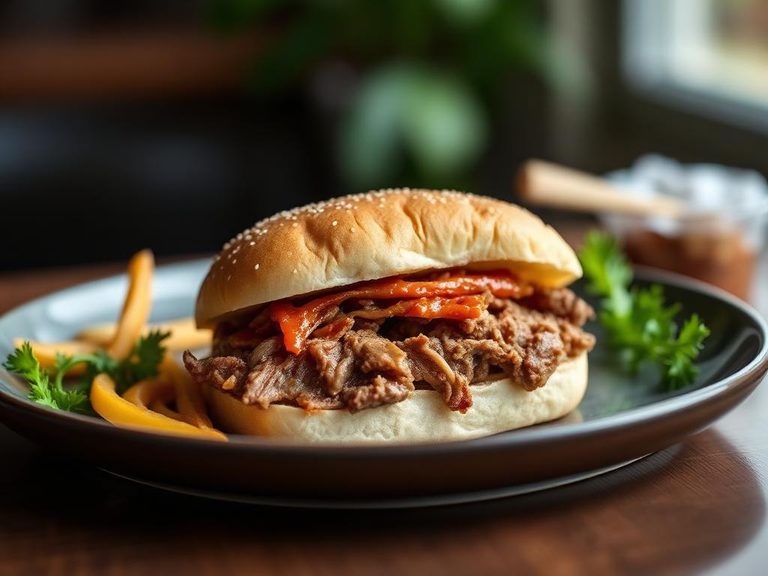
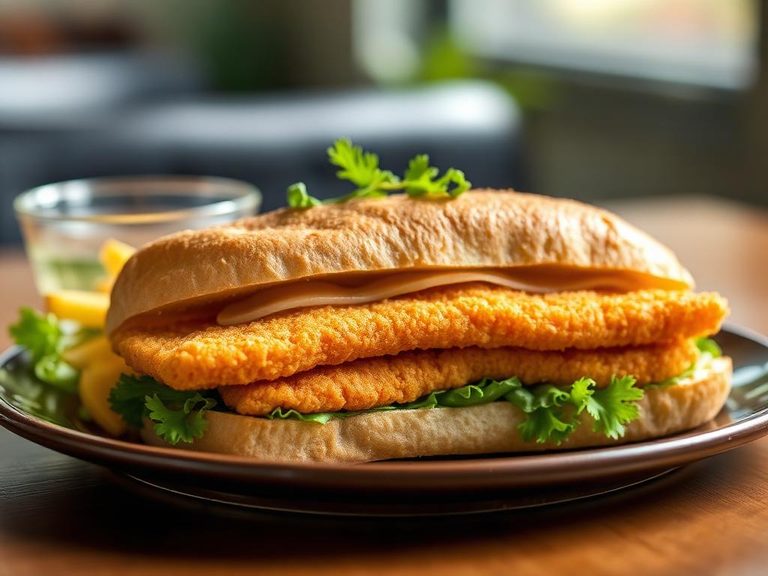
🌍 Where it's eaten
💡 Did you know?
The modern hamburger roll is believed to have been popularized in the United States in the late 19th or early 20th century, with its soft, round shape specifically designed to cradle a ground beef patty without falling apart.
Full nutrition (USDA data · scales with serving)
| Water | 34.3 g |
| Energy | 279 kcal |
| Energy | 1167 kj |
| Protein | 9.8 g |
| Total lipid (fat) | 3.9 g |
| Ash | 1.9 g |
| Carbohydrate, by difference | 50.1 g |
| Fiber, total dietary | 1.8 g |
| Total Sugars | 7.3 g |
| Sucrose | 0.00 g |
| Glucose | 2.3 g |
| Fructose | 2.5 g |
| Lactose | 0.00 g |
| Maltose | 2.5 g |
| Galactose | 0.00 g |
| Starch | 36.7 g |
| Calcium, Ca | 144 mg |
| Iron, Fe | 3.4 mg |
| Magnesium, Mg | 23.0 mg |
| Phosphorus, P | 101 mg |
| Potassium, K | 122 mg |
| Sodium, Na | 494 mg |
| Zinc, Zn | 0.73 mg |
| Copper, Cu | 0.11 mg |
| Manganese, Mn | 0.51 mg |
| Selenium, Se | 27.2 ug |
| Vitamin C, total ascorbic acid | 1.3 mg |
| Thiamin | 0.54 mg |
| Riboflavin | 0.30 mg |
| Niacin | 4.2 mg |
| Pantothenic acid | 0.56 mg |
| Vitamin B-6 | 0.06 mg |
| Folate, total | 94.0 ug |
| Folic acid | 53.0 ug |
| Folate, food | 41.0 ug |
| Folate, DFE | 131 ug |
| Choline, total | 14.6 mg |
| Vitamin B-12 | 0.20 ug |
| Vitamin B-12, added | 0.00 ug |
| Vitamin A, RAE | 29.0 ug |
| Retinol | 29.0 ug |
| Carotene, beta | 7.0 ug |
| Carotene, alpha | 0.00 ug |
| Cryptoxanthin, beta | 0.00 ug |
| Vitamin A, IU | 107 iu |
| Lycopene | 0.00 ug |
| Lutein + zeaxanthin | 6.0 ug |
| Vitamin E (alpha-tocopherol) | 0.27 mg |
| Vitamin E, added | 0.00 mg |
| Tocopherol, beta | 0.10 mg |
| Tocopherol, gamma | 1.7 mg |
| Tocopherol, delta | 0.32 mg |
| Tocotrienol, alpha | 0.00 mg |
| Tocotrienol, beta | 0.42 mg |
| Tocotrienol, gamma | 0.00 mg |
| Tocotrienol, delta | 0.00 mg |
| Vitamin D (D2 + D3), International Units | 0.00 iu |
| Vitamin D (D2 + D3) | 0.00 ug |
| Vitamin K (phylloquinone) | 4.8 ug |
| Vitamin K (Dihydrophylloquinone) | 0.00 ug |
| Vitamin K (Menaquinone-4) | 0.00 ug |
| Alcohol, ethyl | 0.00 g |
| Caffeine | 0.00 mg |
| Theobromine | 0.00 mg |
Fat & fatty acid profile (per 100g)
| Fatty acids, total saturated | 0.84 g |
| SFA 4:0 | 0.01 g |
| SFA 6:0 | 0.00 g |
| SFA 8:0 | 0.00 g |
| SFA 10:0 | 0.01 g |
| SFA 12:0 | 0.01 g |
| SFA 14:0 | 0.02 g |
| SFA 15:0 | 0.01 g |
| SFA 16:0 | 0.52 g |
| SFA 17:0 | 0.01 g |
| SFA 18:0 | 0.25 g |
| SFA 20:0 | 0.01 g |
| SFA 22:0 | 0.01 g |
| SFA 24:0 | 0.00 g |
| Fatty acids, total monounsaturated | 0.75 g |
| MUFA 14:1 | 0.00 g |
| MUFA 15:1 | 0.00 g |
| MUFA 16:1 | 0.02 g |
| MUFA 16:1 c | 0.02 g |
| MUFA 17:1 | 0.00 g |
| MUFA 18:1 | 0.71 g |
| MUFA 18:1 c | 0.69 g |
| MUFA 20:1 | 0.02 g |
| MUFA 22:1 | 0.00 g |
| MUFA 22:1 c | 0.00 g |
| MUFA 24:1 c | 0.00 g |
| Fatty acids, total polyunsaturated | 1.8 g |
| PUFA 18:2 | 1.6 g |
| PUFA 18:2 n-6 c,c | 1.6 g |
| PUFA 18:2 CLAs | 0.00 g |
| PUFA 18:3 | 0.18 g |
| PUFA 18:3 n-3 c,c,c (ALA) | 0.18 g |
| PUFA 18:3 n-6 c,c,c | 0.01 g |
| PUFA 18:3i | 0.00 g |
| PUFA 18:4 | 0.00 g |
| PUFA 20:2 n-6 c,c | 0.00 g |
| PUFA 20:3 | 0.00 g |
| PUFA 20:3 n-3 | 0.00 g |
| PUFA 20:3 n-6 | 0.00 g |
| PUFA 20:4 | 0.00 g |
| PUFA 20:5 n-3 (EPA) | 0.00 g |
| PUFA 22:4 | 0.00 g |
| PUFA 22:5 n-3 (DPA) | 0.00 g |
| PUFA 22:6 n-3 (DHA) | 0.00 g |
| Fatty acids, total trans | 0.03 g |
| Fatty acids, total trans-monoenoic | 0.02 g |
| TFA 16:1 t | 0.00 g |
| TFA 18:1 t | 0.02 g |
| TFA 22:1 t | 0.00 g |
| TFA 18:2 t not further defined | 0.01 g |
| Fatty acids, total trans-polyenoic | 0.01 g |
| Cholesterol | 0.00 mg |
Amino acid profile (per 100g)
Estimated from Rolls, dinner, wheat — USDA does not publish this profile for Rolls.
| Tryptophan | 0.12 g |
| Threonine | 0.24 g |
| Isoleucine | 0.32 g |
| Leucine | 0.59 g |
| Lysine | 0.20 g |
| Methionine | 0.14 g |
| Cystine | 0.20 g |
| Phenylalanine | 0.42 g |
| Tyrosine | 0.25 g |
| Valine | 0.38 g |
| Arginine | 0.35 g |
| Histidine | 0.19 g |
| Alanine | 0.29 g |
| Aspartic acid | 0.40 g |
| Glutamic acid | 2.9 g |
| Glycine | 0.32 g |
| Proline | 0.96 g |
| Serine | 0.42 g |
FAQ
Is a plain hamburger roll the same as a hotdog bun?
No. While similar in ingredients, a hamburger roll is typically round and sliced across the top, while a hotdog bun is oblong and split along the side to cradle a sausage.
Why is the roll so soft?
The soft texture comes from using refined wheat flour (which removes the fibrous bran), and often includes ingredients like sugar, milk, or fats to tenderize the crumb and add moisture.
Can I use this roll for sweet dishes?
Absolutely. Its mild sweetness makes it suitable for French toast, bread pudding, or even as a base for a quick dessert pizza with fruit and chocolate spread.
Nutrient density (calculated · NRF9.3)
Nutrient Rich Foods index: beneficial nutrients (protein, fiber, vitamins, minerals) minus saturated fat, added sugar & sodium, per 100 kcal.
NRF9.3 index — Fulgoni, Keast & Drewnowski, 2009. Computed from USDA nutrients.
Weight-loss friendliness (composite index)
Energy density 2.79 kcal/g · 14% calories from protein · 1.8 g fiber · 7.3 g sugar per 100 g.
Composite of energy density (Rolls et al., 1999), protein & fiber satiety, minus sugar. A calculated heuristic — ranks satiety-per-calorie, not a clinical measure.
Dietary load (calculated from USDA values)
Potential renal acid load. Positive = acid-forming, negative = alkaline-forming.
Sodium-to-potassium ratio: 4.05 (lower is better — aim for ≤ 1)
Sodium:potassium per WHO potassium guidance. Computed from USDA nutrients.