

Rolls, dinner, wheat
Whole food · Baked Products

Photo: Wikipedia
A soft, pillowy dinner roll made from whole wheat flour, offering a mild, nutty flavor and a tender, slightly chewy crumb. Nutritionally, it's a solid source of fiber and protein compared to white rolls, providing steady energy without a sharp sugar spike.
Calorie split: 13% protein · 67% carbs · 21% fat
↓ Full nutrition💚 Why it's loved
People love its comforting, wholesome taste and soft texture that perfectly soaks up gravies and sauces. It's a beloved staple that brings a sense of homestyle warmth to any dinner table.
⚠️ Watch-outs & how to enjoy it better
As a refined carbohydrate source, it can cause blood-sugar spikes if eaten alone, especially for those with insulin sensitivity. To counteract this, always pair it with a source of protein (like turkey or beans) or healthy fat (like avocado or butter) to slow digestion. Those with celiac disease or gluten intolerance must avoid it entirely.
Key benefits
- Good source of dietary fiber (3.8g per 100g)
- Provides plant-based protein (8.6g per 100g)
- Contains more micronutrients than refined white rolls
- Can help promote feelings of fullness
- A versatile base for both sweet and savory meals
🍽️ Popular dishes

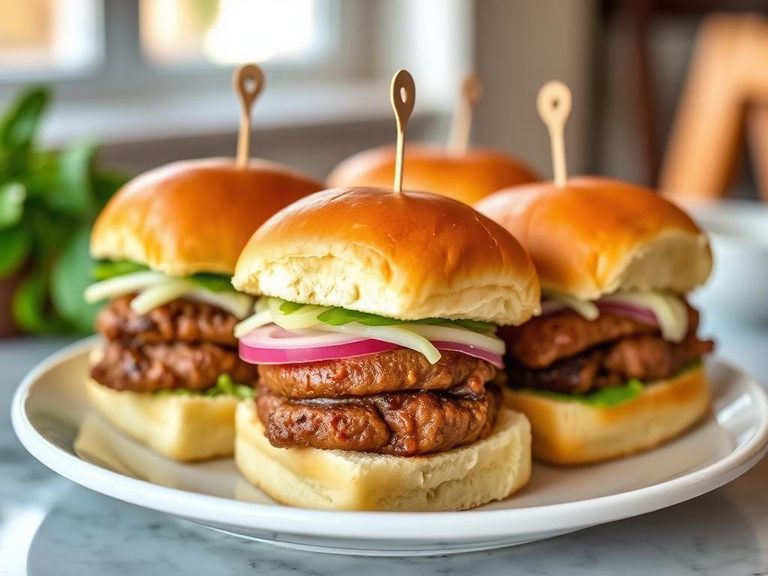
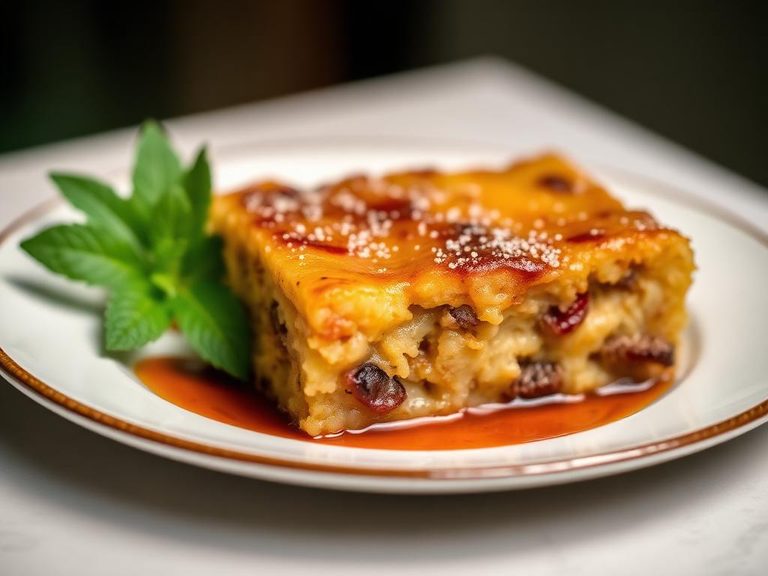
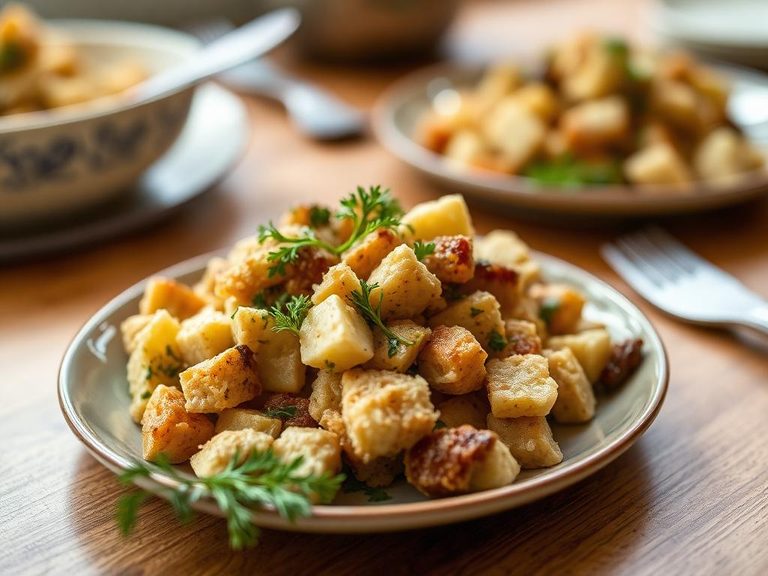

🌍 Where it's eaten
💡 Did you know?
The 'pull-apart' texture of a good dinner roll is achieved through a specific kneading technique that develops gluten strands, creating those signature soft, separable layers.
Full nutrition (USDA data · scales with serving)
| Water | 37.0 g |
| Energy | 273 kcal |
| Energy | 1142 kj |
| Protein | 8.6 g |
| Total lipid (fat) | 6.3 g |
| Ash | 2.1 g |
| Carbohydrate, by difference | 46.0 g |
| Fiber, total dietary | 3.8 g |
| Total Sugars | 1.6 g |
| Calcium, Ca | 176 mg |
| Iron, Fe | 3.5 mg |
| Magnesium, Mg | 36.0 mg |
| Phosphorus, P | 104 mg |
| Potassium, K | 115 mg |
| Sodium, Na | 524 mg |
| Zinc, Zn | 0.90 mg |
| Copper, Cu | 0.15 mg |
| Manganese, Mn | 1.0 mg |
| Selenium, Se | 33.0 ug |
| Vitamin C, total ascorbic acid | 0.00 mg |
| Thiamin | 0.43 mg |
| Riboflavin | 0.27 mg |
| Niacin | 4.1 mg |
| Pantothenic acid | 0.36 mg |
| Vitamin B-6 | 0.08 mg |
| Folate, total | 60.0 ug |
| Folic acid | 45.0 ug |
| Folate, food | 15.0 ug |
| Folate, DFE | 92.0 ug |
| Choline, total | 18.7 mg |
| Vitamin B-12 | 0.00 ug |
| Vitamin B-12, added | 0.00 ug |
| Vitamin A, RAE | 0.00 ug |
| Retinol | 0.00 ug |
| Carotene, beta | 0.00 ug |
| Carotene, alpha | 0.00 ug |
| Cryptoxanthin, beta | 0.00 ug |
| Vitamin A, IU | 0.00 iu |
| Lycopene | 0.00 ug |
| Lutein + zeaxanthin | 65.0 ug |
| Vitamin E (alpha-tocopherol) | 0.36 mg |
| Vitamin E, added | 0.00 mg |
| Vitamin D (D2 + D3), International Units | 0.00 iu |
| Vitamin D (D2 + D3) | 0.00 ug |
| Vitamin K (phylloquinone) | 2.7 ug |
| Alcohol, ethyl | 0.00 g |
| Caffeine | 0.00 mg |
| Theobromine | 0.00 mg |
Fat & fatty acid profile (per 100g)
| Fatty acids, total saturated | 1.5 g |
| SFA 4:0 | 0.00 g |
| SFA 6:0 | 0.00 g |
| SFA 8:0 | 0.00 g |
| SFA 10:0 | 0.00 g |
| SFA 12:0 | 0.00 g |
| SFA 14:0 | 0.03 g |
| SFA 16:0 | 0.82 g |
| SFA 18:0 | 0.63 g |
| Fatty acids, total monounsaturated | 3.1 g |
| MUFA 16:1 | 0.01 g |
| MUFA 18:1 | 3.1 g |
| MUFA 20:1 | 0.00 g |
| MUFA 22:1 | 0.00 g |
| Fatty acids, total polyunsaturated | 1.1 g |
| PUFA 18:2 | 1.0 g |
| PUFA 18:3 | 0.06 g |
| PUFA 18:4 | 0.00 g |
| PUFA 20:4 | 0.00 g |
| PUFA 20:5 n-3 (EPA) | 0.00 g |
| PUFA 22:5 n-3 (DPA) | 0.00 g |
| PUFA 22:6 n-3 (DHA) | 0.00 g |
| Cholesterol | 0.00 mg |
Amino acid profile (per 100g)
| Tryptophan | 0.12 g |
| Threonine | 0.24 g |
| Isoleucine | 0.32 g |
| Leucine | 0.59 g |
| Lysine | 0.20 g |
| Methionine | 0.14 g |
| Cystine | 0.20 g |
| Phenylalanine | 0.42 g |
| Tyrosine | 0.25 g |
| Valine | 0.38 g |
| Arginine | 0.35 g |
| Histidine | 0.19 g |
| Alanine | 0.29 g |
| Aspartic acid | 0.40 g |
| Glutamic acid | 2.9 g |
| Glycine | 0.32 g |
| Proline | 0.96 g |
| Serine | 0.42 g |
FAQ
How does a whole wheat dinner roll differ nutritionally from a white one?
Whole wheat rolls retain the bran and germ of the wheat kernel, giving them significantly more fiber, vitamins (like B vitamins), and minerals (like iron and magnesium) compared to white rolls made from refined flour.
Can I freeze leftover dinner rolls?
Yes, they freeze excellently. Let them cool completely, then store in a freezer-safe bag for up to 3 months. Reheat in a 350°F (175°C) oven for 5-10 minutes to restore freshness.
What makes dinner rolls soft and fluffy?
The soft texture comes from using enriched dough (containing milk, butter, and sometimes sugar), proper kneading to develop gluten, and allowing a good second rise before baking, which creates air pockets in the crumb.
Nutrient density (calculated · NRF9.3)
Nutrient Rich Foods index: beneficial nutrients (protein, fiber, vitamins, minerals) minus saturated fat, added sugar & sodium, per 100 kcal.
NRF9.3 index — Fulgoni, Keast & Drewnowski, 2009. Computed from USDA nutrients.
Weight-loss friendliness (composite index)
Energy density 2.73 kcal/g · 13% calories from protein · 3.8 g fiber · 1.6 g sugar per 100 g.
Composite of energy density (Rolls et al., 1999), protein & fiber satiety, minus sugar. A calculated heuristic — ranks satiety-per-calorie, not a clinical measure.
Dietary load (calculated from USDA values)
Potential renal acid load. Positive = acid-forming, negative = alkaline-forming.
Sodium-to-potassium ratio: 4.56 (lower is better — aim for ≤ 1)
Sodium:potassium per WHO potassium guidance. Computed from USDA nutrients.