

Orange juice, frozen concentrate, unsweetened, undiluted
Whole food · Fruits and Fruit Juices
This is the intensely concentrated, frozen essence of orange juice before water is added back in. It has a thick, syrupy texture and an incredibly potent, sweet-tart citrus flavor. Nutritionally, it's a powerhouse of vitamin C and natural sugars, packing nearly 30 grams of sugar per 100 grams in its undiluted state.
Calorie split: 6% protein · 92% carbs · 1% fat
↓ Full nutrition💚 Why it's loved
People love it for its unparalleled convenience and intense, bright flavor that tastes like peak-season oranges. It's a cultural staple for quick breakfasts, cocktails, and marinades, offering a taste of sunshine any time of year.
⚠️ Watch-outs & how to enjoy it better
The undiluted concentrate is extremely high in sugar, which can cause rapid blood-sugar spikes, making it a concern for diabetics or those watching sugar intake. To counteract this, always dilute it as directed, pair it with a source of protein or healthy fat (like eggs or nuts), and stick to a small portion. Some brands may also contain added sulfites, which asthmatics should be aware of.
Key benefits
- Excellent source of vitamin C, an essential antioxidant.
- Provides quick natural energy from fruit sugars.
- Contains potassium, which supports heart and muscle function.
- Offers a convenient, shelf-stable way to have juice on hand.
- Retains some of the beneficial flavonoids from whole oranges.
🍽️ Popular dishes

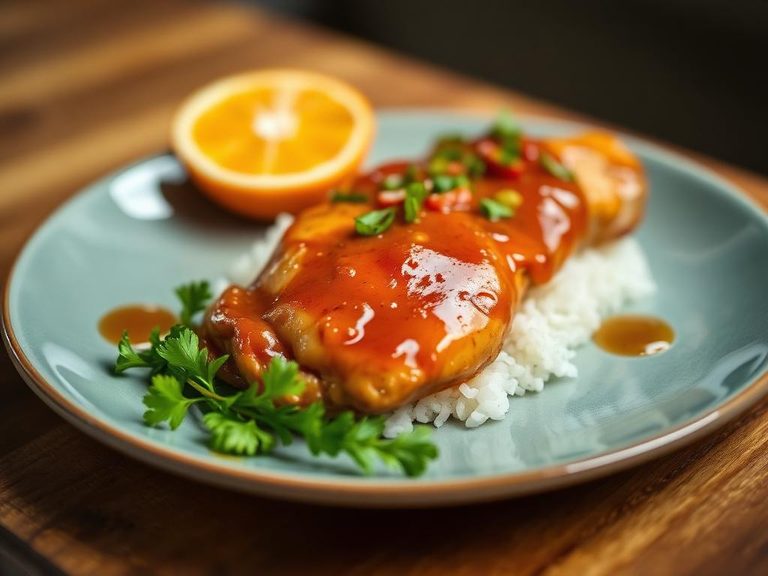
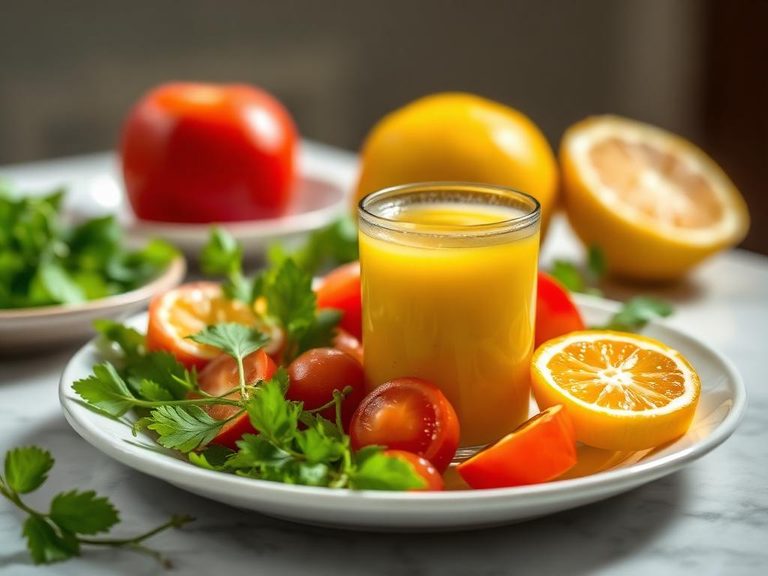
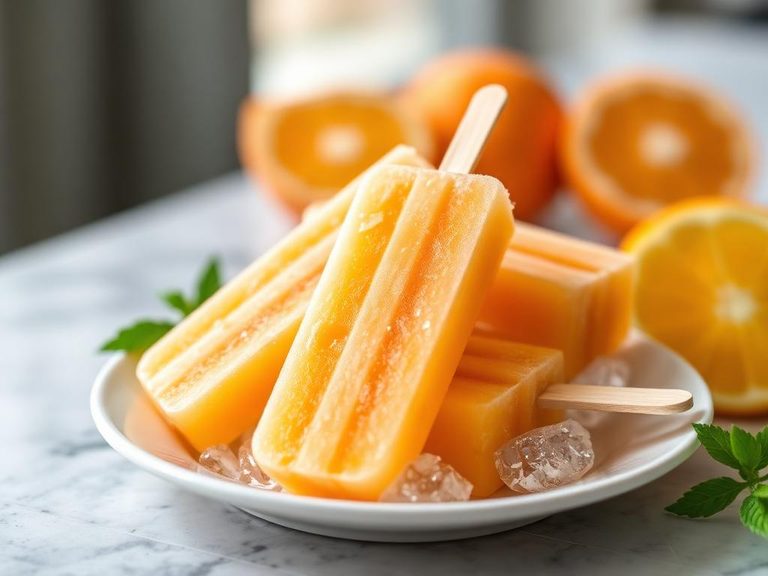
🌍 Where it's eaten
💡 Did you know?
The process for making frozen orange juice concentrate was perfected by the USDA in the 1940s to provide vitamin C to troops during World War II, revolutionizing the commercial juice industry.
Full nutrition (USDA data · scales with serving)
| Water | 60.6 g |
| Energy | 148 kcal |
| Energy | 620 kj |
| Protein | 2.4 g |
| Total lipid (fat) | 0.25 g |
| Ash | 1.6 g |
| Carbohydrate, by difference | 35.2 g |
| Fiber, total dietary | 1.0 g |
| Total Sugars | 29.7 g |
| Sucrose | 15.6 g |
| Glucose | 6.6 g |
| Fructose | 7.5 g |
| Lactose | 0.00 g |
| Maltose | 0.00 g |
| Galactose | 0.00 g |
| Starch | 0.00 g |
| Calcium, Ca | 38.0 mg |
| Iron, Fe | 0.33 mg |
| Magnesium, Mg | 35.0 mg |
| Phosphorus, P | 61.0 mg |
| Potassium, K | 629 mg |
| Sodium, Na | 7.0 mg |
| Zinc, Zn | 0.16 mg |
| Copper, Cu | 0.06 mg |
| Manganese, Mn | 0.12 mg |
| Selenium, Se | 0.40 ug |
| Fluoride, F | 19.8 ug |
| Vitamin C, total ascorbic acid | 145 mg |
| Thiamin | 0.28 mg |
| Riboflavin | 0.17 mg |
| Niacin | 1.1 mg |
| Pantothenic acid | 0.73 mg |
| Vitamin B-6 | 0.26 mg |
| Folate, total | 77.0 ug |
| Folic acid | 0.00 ug |
| Folate, food | 77.0 ug |
| Folate, DFE | 77.0 ug |
| Choline, total | 20.0 mg |
| Betaine | 0.50 mg |
| Vitamin B-12 | 0.00 ug |
| Vitamin B-12, added | 0.00 ug |
| Vitamin A, RAE | 13.0 ug |
| Retinol | 0.00 ug |
| Carotene, beta | 53.0 ug |
| Carotene, alpha | 19.0 ug |
| Cryptoxanthin, beta | 191 ug |
| Vitamin A, IU | 264 iu |
| Lycopene | 1.0 ug |
| Lutein + zeaxanthin | 333 ug |
| Vitamin E (alpha-tocopherol) | 0.60 mg |
| Vitamin E, added | 0.00 mg |
| Tocopherol, beta | 0.00 mg |
| Tocopherol, gamma | 0.00 mg |
| Tocopherol, delta | 0.00 mg |
| Tocotrienol, alpha | 0.00 mg |
| Tocotrienol, beta | 0.00 mg |
| Tocotrienol, gamma | 0.00 mg |
| Tocotrienol, delta | 0.00 mg |
| Vitamin D (D2 + D3), International Units | 0.00 iu |
| Vitamin D (D2 + D3) | 0.00 ug |
| Vitamin K (phylloquinone) | 0.40 ug |
| Vitamin K (Dihydrophylloquinone) | 0.00 ug |
| Alcohol, ethyl | 0.00 g |
| Caffeine | 0.00 mg |
| Theobromine | 0.00 mg |
Fat & fatty acid profile (per 100g)
| Fatty acids, total saturated | 0.06 g |
| SFA 4:0 | 0.00 g |
| SFA 6:0 | 0.00 g |
| SFA 8:0 | 0.00 g |
| SFA 10:0 | 0.00 g |
| SFA 12:0 | 0.00 g |
| SFA 14:0 | 0.00 g |
| SFA 15:0 | 0.00 g |
| SFA 16:0 | 0.04 g |
| SFA 17:0 | 0.00 g |
| SFA 18:0 | 0.01 g |
| SFA 20:0 | 0.00 g |
| SFA 22:0 | 0.00 g |
| SFA 24:0 | 0.00 g |
| Fatty acids, total monounsaturated | 0.05 g |
| MUFA 14:1 | 0.00 g |
| MUFA 15:1 | 0.00 g |
| MUFA 16:1 | 0.01 g |
| MUFA 16:1 c | 0.01 g |
| MUFA 17:1 | 0.00 g |
| MUFA 18:1 | 0.04 g |
| MUFA 18:1 c | 0.04 g |
| MUFA 20:1 | 0.00 g |
| MUFA 22:1 | 0.00 g |
| MUFA 22:1 c | 0.00 g |
| MUFA 24:1 c | 0.00 g |
| Fatty acids, total polyunsaturated | 0.06 g |
| PUFA 18:2 | 0.05 g |
| PUFA 18:2 n-6 c,c | 0.05 g |
| PUFA 18:2 CLAs | 0.00 g |
| PUFA 18:3 | 0.02 g |
| PUFA 18:3 n-3 c,c,c (ALA) | 0.02 g |
| PUFA 18:3 n-6 c,c,c | 0.00 g |
| PUFA 18:3i | 0.00 g |
| PUFA 18:4 | 0.00 g |
| PUFA 20:2 n-6 c,c | 0.00 g |
| PUFA 20:3 | 0.00 g |
| PUFA 20:3 n-3 | 0.00 g |
| PUFA 20:3 n-6 | 0.00 g |
| PUFA 20:4 | 0.00 g |
| PUFA 20:5 n-3 (EPA) | 0.00 g |
| PUFA 22:4 | 0.00 g |
| PUFA 22:5 n-3 (DPA) | 0.00 g |
| PUFA 22:6 n-3 (DHA) | 0.00 g |
| Fatty acids, total trans | 0.00 g |
| Fatty acids, total trans-monoenoic | 0.00 g |
| TFA 16:1 t | 0.00 g |
| TFA 18:1 t | 0.00 g |
| TFA 22:1 t | 0.00 g |
| TFA 18:2 t not further defined | 0.00 g |
| Fatty acids, total trans-polyenoic | 0.00 g |
| Cholesterol | 0.00 mg |
Amino acid profile (per 100g)
| Tryptophan | 0.01 g |
| Threonine | 0.04 g |
| Isoleucine | 0.03 g |
| Leucine | 0.05 g |
| Lysine | 0.06 g |
| Methionine | 0.01 g |
| Cystine | 0.01 g |
| Phenylalanine | 0.04 g |
| Tyrosine | 0.02 g |
| Valine | 0.05 g |
| Arginine | 0.31 g |
| Histidine | 0.02 g |
| Alanine | 0.07 g |
| Aspartic acid | 0.44 g |
| Glutamic acid | 0.15 g |
| Glycine | 0.04 g |
| Proline | 0.38 g |
| Serine | 0.08 g |
| Hydroxyproline | 0.00 g |
FAQ
How much water do I add to the concentrate?
The standard ratio is to fill the empty concentrate can with cold water to the top. This typically yields about three times the original volume of juice.
Is it less healthy than fresh-squeezed juice?
It's comparable in nutrients but can be more concentrated in sugar. Fresh juice may retain slightly more heat-sensitive nutrients, but frozen concentrate is flash-frozen at peak ripeness, locking in flavor and many vitamins.
Can I use it in baking?
Absolutely! It's a fantastic ingredient for adding moisture and a powerful orange flavor to cakes, muffins, glazes, and frostings. Use it undiluted for maximum impact.
Nutrient density (calculated · NRF9.3)
Nutrient Rich Foods index: beneficial nutrients (protein, fiber, vitamins, minerals) minus saturated fat, added sugar & sodium, per 100 kcal.
NRF9.3 index — Fulgoni, Keast & Drewnowski, 2009. Computed from USDA nutrients.
Weight-loss friendliness (composite index)
Energy density 1.48 kcal/g · 6% calories from protein · 1.0 g fiber · 29.7 g sugar per 100 g.
Composite of energy density (Rolls et al., 1999), protein & fiber satiety, minus sugar. A calculated heuristic — ranks satiety-per-calorie, not a clinical measure.
Dietary load (calculated from USDA values)
Potential renal acid load. Positive = acid-forming, negative = alkaline-forming.
Sodium-to-potassium ratio: 0.01 (lower is better — aim for ≤ 1)
Sodium:potassium per WHO potassium guidance. Computed from USDA nutrients.