

Cheese, cottage, lowfat, 2% milkfat
Whole food · Dairy and Egg Products

Photo: Wikipedia
Low-fat cottage cheese is a fresh, unripened curd cheese with a distinctively lumpy, moist texture and a mild, tangy flavor. It is a nutritional powerhouse, offering a remarkable 10.45 grams of high-quality protein per 100-gram serving for only 81 calories. This makes it a lean, nutrient-dense staple for those seeking to increase protein intake without excess fat.
Calorie split: 51% protein · 23% carbs · 25% fat
↓ Full nutrition💚 Why it's loved
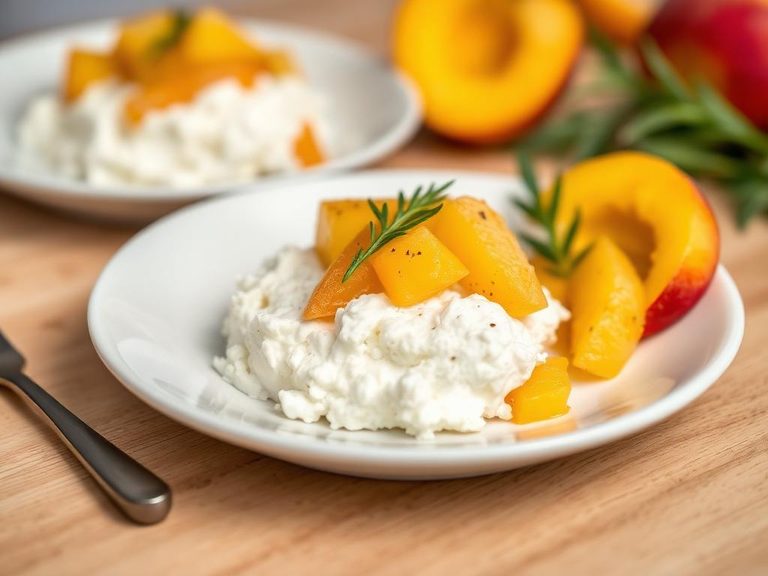
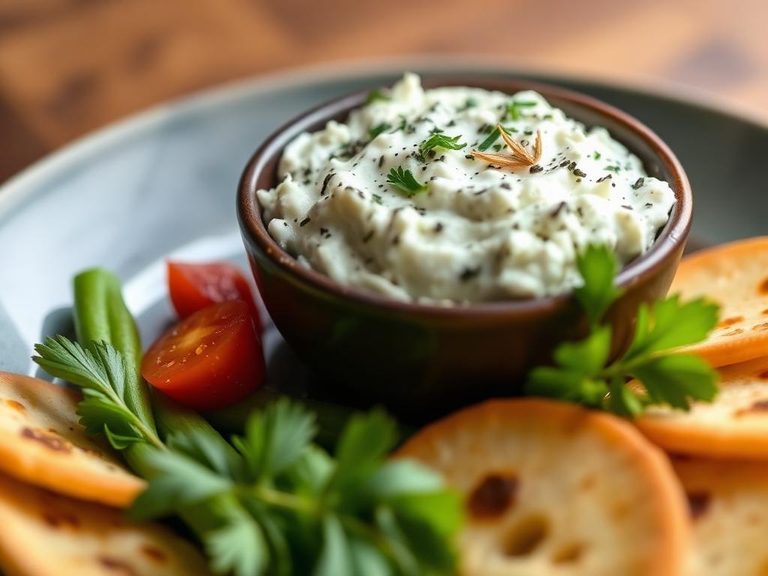
People love it for its incredible versatility and satisfying, creamy-yet-lumpy texture that acts as a blank canvas. It seamlessly transitions from a sweet breakfast with fruit to a savory dip or salad ingredient, making it a convenient and protein-packed staple in many kitchens.
⚠️ Watch-outs & how to enjoy it better
Some find its texture overly lumpy or its flavor too bland and acidic. As a dairy product, it contains lactose and is a common allergen for those with milk protein sensitivities; it can also be high in sodium. To counteract this, pair it with healthy fats like avocado or nuts to improve satiety and nutrient absorption, and choose low-sodium varieties if monitoring intake.
Key benefits
- High-quality protein for muscle maintenance and satiety
- Low calorie density supports weight management goals
- Good source of calcium for bone health
- Rich in casein protein, which digests slowly and promotes fullness
- Versatile base for both sweet and savory dishes
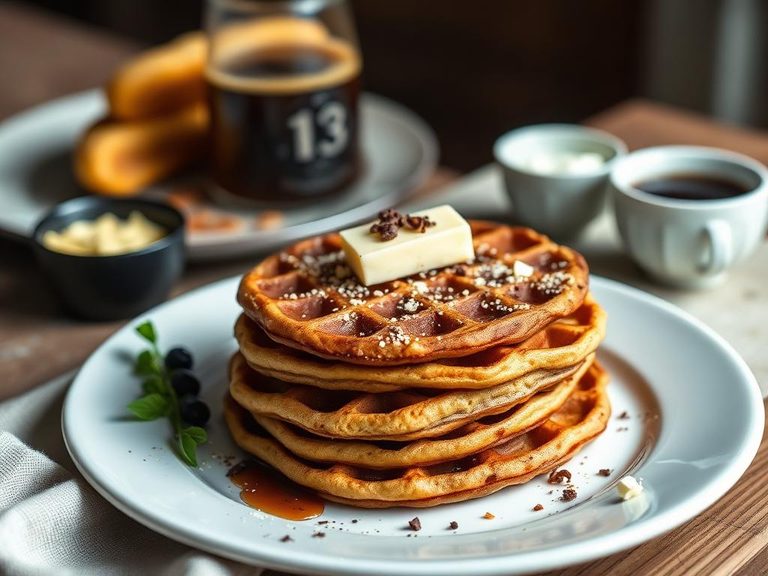
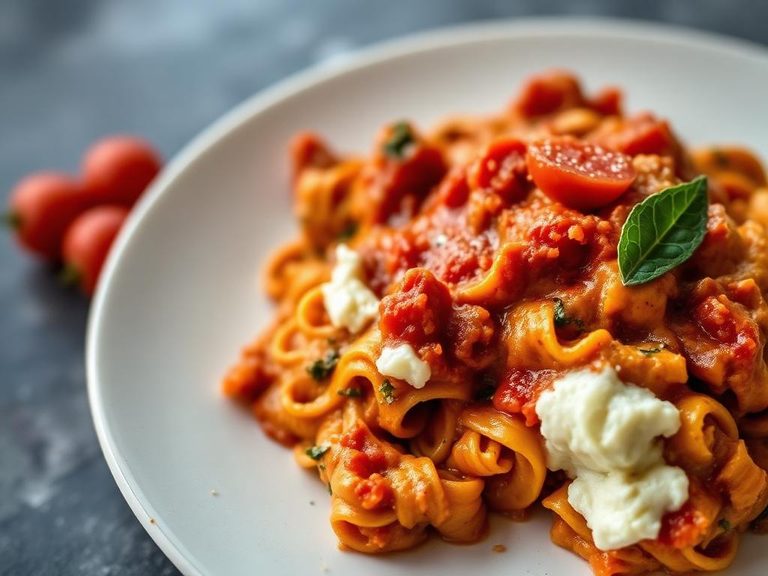
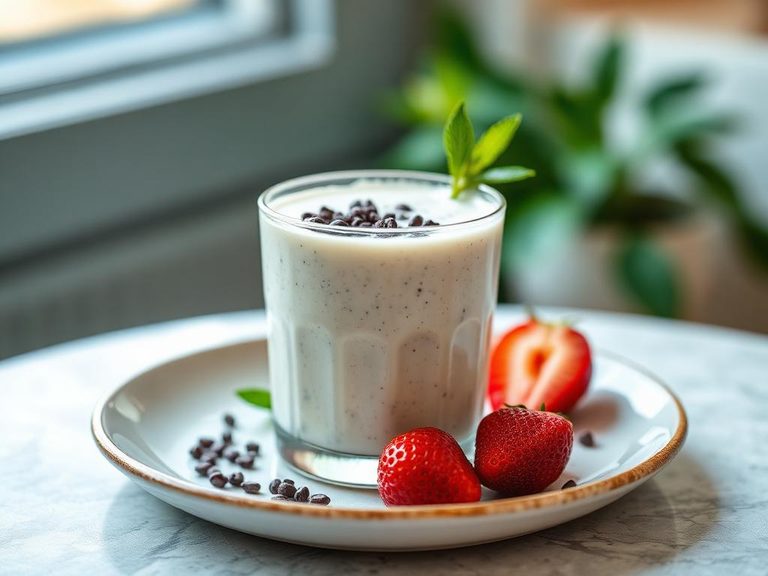
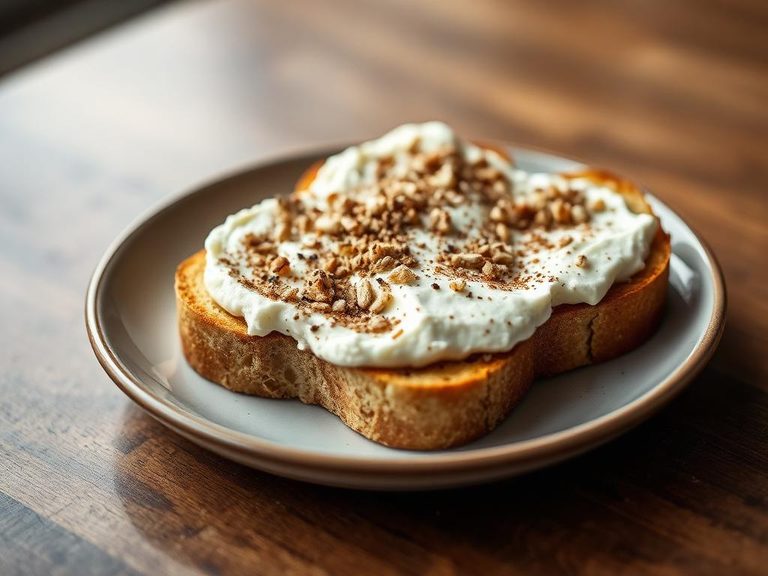
🍽️ Popular dishes
🌍 Where it's eaten
💡 Did you know?
Cottage cheese is often called 'curds and whey,' a name popularized by the nursery rhyme 'Little Miss Muffet,' and it's one of the oldest cheeses, with evidence of similar curd foods dating back thousands of years.
Full nutrition (USDA data · scales with serving)
| Water | 81.2 g |
| Energy | 81.0 kcal |
| Energy | 340 kj |
| Protein | 10.4 g |
| Total lipid (fat) | 2.3 g |
| Ash | 1.3 g |
| Carbohydrate, by difference | 4.8 g |
| Fiber, total dietary | 0.00 g |
| Total Sugars | 4.0 g |
| Sucrose | 0.00 g |
| Glucose | 0.00 g |
| Fructose | 0.00 g |
| Lactose | 3.9 g |
| Maltose | 0.00 g |
| Galactose | 0.12 g |
| Calcium, Ca | 111 mg |
| Iron, Fe | 0.13 mg |
| Magnesium, Mg | 9.0 mg |
| Phosphorus, P | 150 mg |
| Potassium, K | 125 mg |
| Sodium, Na | 308 mg |
| Zinc, Zn | 0.51 mg |
| Copper, Cu | 0.03 mg |
| Manganese, Mn | 0.01 mg |
| Selenium, Se | 11.9 ug |
| Vitamin C, total ascorbic acid | 0.00 mg |
| Thiamin | 0.02 mg |
| Riboflavin | 0.25 mg |
| Niacin | 0.10 mg |
| Pantothenic acid | 0.52 mg |
| Vitamin B-6 | 0.06 mg |
| Folate, total | 8.0 ug |
| Folic acid | 0.00 ug |
| Folate, food | 8.0 ug |
| Folate, DFE | 8.0 ug |
| Choline, total | 16.3 mg |
| Betaine | 0.60 mg |
| Vitamin B-12 | 0.47 ug |
| Vitamin B-12, added | 0.00 ug |
| Vitamin A, RAE | 68.0 ug |
| Retinol | 68.0 ug |
| Carotene, beta | 6.0 ug |
| Carotene, alpha | 0.00 ug |
| Cryptoxanthin, beta | 0.00 ug |
| Vitamin A, IU | 236 iu |
| Lycopene | 0.00 ug |
| Lutein + zeaxanthin | 0.00 ug |
| Vitamin E (alpha-tocopherol) | 0.08 mg |
| Vitamin E, added | 0.00 mg |
| Tocopherol, beta | 0.00 mg |
| Tocopherol, gamma | 0.00 mg |
| Tocopherol, delta | 0.00 mg |
| Tocotrienol, alpha | 0.00 mg |
| Tocotrienol, beta | 0.00 mg |
| Tocotrienol, gamma | 0.00 mg |
| Tocotrienol, delta | 0.00 mg |
| Vitamin D (D2 + D3), International Units | 0.00 iu |
| Vitamin D (D2 + D3) | 0.00 ug |
| Vitamin K (phylloquinone) | 0.00 ug |
| Vitamin K (Dihydrophylloquinone) | 0.00 ug |
| Vitamin K (Menaquinone-4) | 0.00 ug |
| Alcohol, ethyl | 0.00 g |
| Caffeine | 0.00 mg |
| Theobromine | 0.00 mg |
Fat & fatty acid profile (per 100g)
| Fatty acids, total saturated | 1.2 g |
| SFA 4:0 | 0.04 g |
| SFA 6:0 | 0.03 g |
| SFA 8:0 | 0.03 g |
| SFA 10:0 | 0.06 g |
| SFA 12:0 | 0.06 g |
| SFA 14:0 | 0.20 g |
| SFA 15:0 | 0.02 g |
| SFA 16:0 | 0.56 g |
| SFA 17:0 | 0.01 g |
| SFA 18:0 | 0.22 g |
| SFA 20:0 | 0.00 g |
| SFA 22:0 | 0.00 g |
| SFA 24:0 | 0.00 g |
| Fatty acids, total monounsaturated | 0.52 g |
| MUFA 14:1 | 0.02 g |
| MUFA 15:1 | 0.00 g |
| MUFA 16:1 | 0.03 g |
| MUFA 16:1 c | 0.03 g |
| MUFA 17:1 | 0.00 g |
| MUFA 18:1 | 0.46 g |
| MUFA 18:1 c | 0.41 g |
| MUFA 20:1 | 0.00 g |
| MUFA 22:1 | 0.00 g |
| MUFA 22:1 c | 0.00 g |
| MUFA 24:1 c | 0.00 g |
| Fatty acids, total polyunsaturated | 0.08 g |
| PUFA 18:2 | 0.07 g |
| PUFA 18:2 n-6 c,c | 0.05 g |
| PUFA 18:2 CLAs | 0.01 g |
| PUFA 18:3 | 0.01 g |
| PUFA 18:3 n-3 c,c,c (ALA) | 0.01 g |
| PUFA 18:3 n-6 c,c,c | 0.00 g |
| PUFA 18:3i | 0.00 g |
| PUFA 18:4 | 0.00 g |
| PUFA 20:2 n-6 c,c | 0.00 g |
| PUFA 20:3 | 0.00 g |
| PUFA 20:3 n-3 | 0.00 g |
| PUFA 20:3 n-6 | 0.00 g |
| PUFA 20:4 | 0.00 g |
| PUFA 20:5 n-3 (EPA) | 0.00 g |
| PUFA 22:4 | 0.00 g |
| PUFA 22:5 n-3 (DPA) | 0.00 g |
| PUFA 22:6 n-3 (DHA) | 0.00 g |
| Fatty acids, total trans | 0.07 g |
| Fatty acids, total trans-monoenoic | 0.05 g |
| TFA 16:1 t | 0.01 g |
| TFA 18:1 t | 0.05 g |
| TFA 22:1 t | 0.00 g |
| TFA 18:2 t not further defined | 0.01 g |
| Fatty acids, total trans-polyenoic | 0.01 g |
| Cholesterol | 12.0 mg |
Amino acid profile (per 100g)
| Tryptophan | 0.14 g |
| Threonine | 0.47 g |
| Isoleucine | 0.56 g |
| Leucine | 1.0 g |
| Lysine | 0.88 g |
| Methionine | 0.25 g |
| Cystine | 0.06 g |
| Phenylalanine | 0.54 g |
| Tyrosine | 0.57 g |
| Valine | 0.70 g |
| Arginine | 0.47 g |
| Histidine | 0.31 g |
| Alanine | 0.41 g |
| Aspartic acid | 0.96 g |
| Glutamic acid | 2.4 g |
| Glycine | 0.21 g |
| Proline | 1.2 g |
| Serine | 0.60 g |
FAQ
Is cottage cheese good for weight loss?
Yes, its high protein and low calorie content can promote satiety and help preserve muscle mass during calorie restriction, making it a beneficial addition to a weight-loss diet.
What is the difference between cottage cheese and ricotta?
Cottage cheese is made from curds that are not pressed, resulting in a lumpy texture, while ricotta is made by reheating whey, producing a smoother, creamier consistency. Cottage cheese is also typically higher in protein.
Can I eat cottage cheese if I'm lactose intolerant?
Some lactose-intolerant individuals can tolerate cottage cheese because the fermentation process reduces lactose content. However, it still contains some lactose, so tolerance varies; choosing a lactose-free version is a safer option.
Nutrient density (calculated · NRF9.3)
Nutrient Rich Foods index: beneficial nutrients (protein, fiber, vitamins, minerals) minus saturated fat, added sugar & sodium, per 100 kcal.
NRF9.3 index — Fulgoni, Keast & Drewnowski, 2009. Computed from USDA nutrients.
Weight-loss friendliness (composite index)
Energy density 0.81 kcal/g · 52% calories from protein · 0.0 g fiber · 4.0 g sugar per 100 g.
Composite of energy density (Rolls et al., 1999), protein & fiber satiety, minus sugar. A calculated heuristic — ranks satiety-per-calorie, not a clinical measure.
Dietary load (calculated from USDA values)
Potential renal acid load. Positive = acid-forming, negative = alkaline-forming.
Sodium-to-potassium ratio: 2.46 (lower is better — aim for ≤ 1)
Sodium:potassium per WHO potassium guidance. Computed from USDA nutrients.