

Cheese, cheddar, reduced fat (Includes foods for USDA's Food Distribution Program)
Whole food · Dairy and Egg Products

Photo: Wikipedia
Reduced-fat cheddar cheese delivers the familiar sharp, tangy bite and firm, smooth texture of classic cheddar, but with a leaner profile. It's a smart choice for those seeking the robust flavor of aged cheese while trimming calories and fat. Each 100g serving packs a significant 27g of protein, making it a nutrient-dense option.
Calorie split: 36% protein · 4% carbs · 60% fat
↓ Full nutrition💚 Why it's loved
People love it for delivering that unmistakable sharp, savory cheddar punch in a lighter package, making it a guilt-free staple for sandwiches, salads, and snacking. Its melting quality and versatility make it a go-to for healthier versions of classic comfort foods.
⚠️ Watch-outs & how to enjoy it better
As a cheese, it is high in sodium, which can be a concern for those monitoring blood pressure. It also contains dairy, a common allergen, and lactose, which some may digest poorly. To counteract, pair it with potassium-rich foods like tomatoes or spinach to help balance sodium, and always check labels for lactose-free versions if sensitive.
Key benefits
- High in complete protein for muscle maintenance
- Good source of calcium for bone health
- Lower in calories and fat than full-fat cheddar
- Provides vitamin B12 for nerve function
- Contains phosphorus for energy metabolism
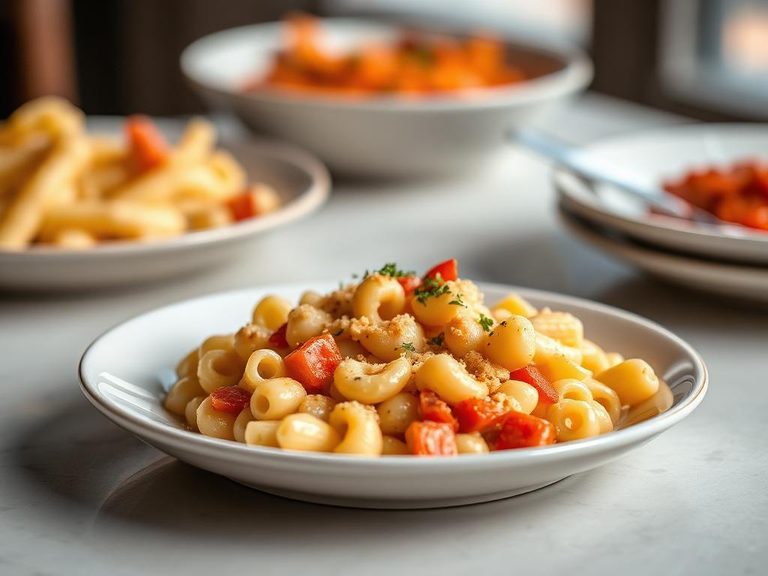
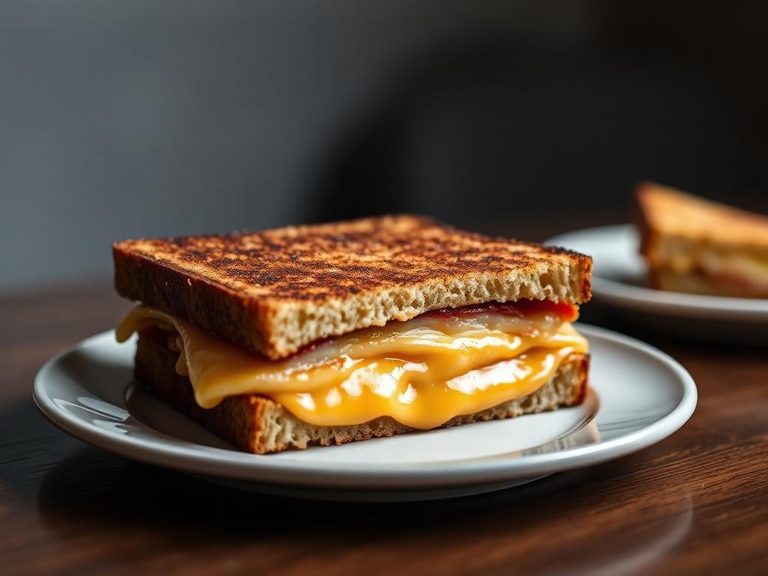
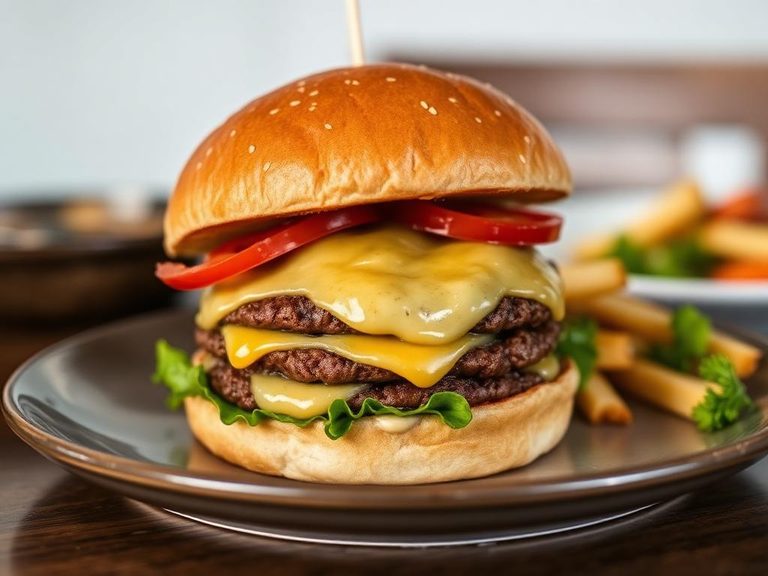
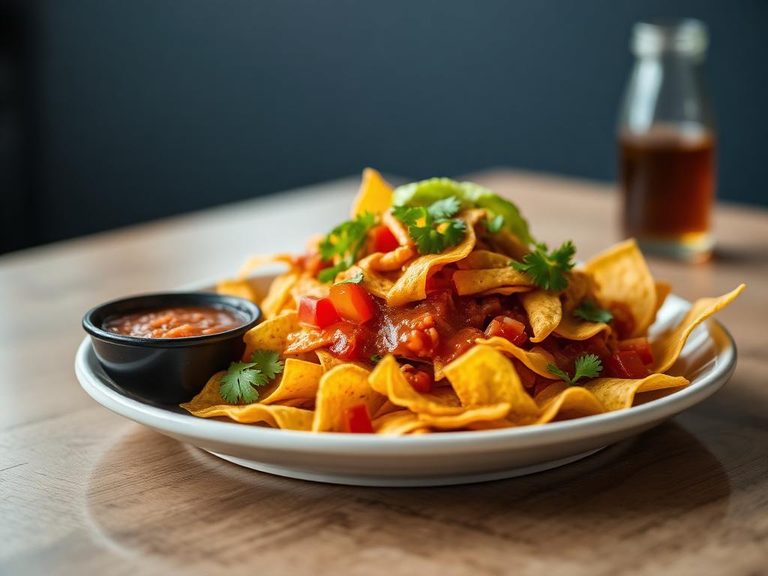
🍽️ Popular dishes

🌍 Where it's eaten
💡 Did you know?
Cheddar cheese gets its name from the village of Cheddar in Somerset, England, where caves provided the perfect cool, humid environment for the cheese to mature.
Full nutrition (USDA data · scales with serving)
| Water | 44.3 g |
| Energy | 316 kcal |
| Energy | 1323 kj |
| Protein | 27.4 g |
| Total lipid (fat) | 20.4 g |
| Ash | 3.9 g |
| Carbohydrate, by difference | 2.7 g |
| Fiber, total dietary | 0.00 g |
| Total Sugars | 0.26 g |
| Sucrose | 0.00 g |
| Glucose | 0.00 g |
| Fructose | 0.00 g |
| Lactose | 0.18 g |
| Maltose | 0.00 g |
| Galactose | 0.07 g |
| Calcium, Ca | 761 mg |
| Iron, Fe | 0.12 mg |
| Magnesium, Mg | 27.0 mg |
| Phosphorus, P | 520 mg |
| Potassium, K | 63.0 mg |
| Sodium, Na | 628 mg |
| Zinc, Zn | 4.4 mg |
| Copper, Cu | 0.04 mg |
| Manganese, Mn | 0.03 mg |
| Selenium, Se | 35.8 ug |
| Vitamin C, total ascorbic acid | 0.00 mg |
| Thiamin | 0.02 mg |
| Riboflavin | 0.40 mg |
| Niacin | 0.14 mg |
| Pantothenic acid | 0.39 mg |
| Vitamin B-6 | 0.08 mg |
| Folate, total | 20.0 ug |
| Folic acid | 0.00 ug |
| Folate, food | 20.0 ug |
| Folate, DFE | 20.0 ug |
| Choline, total | 15.4 mg |
| Vitamin B-12 | 1.4 ug |
| Vitamin B-12, added | 0.00 ug |
| Vitamin A, RAE | 145 ug |
| Retinol | 142 ug |
| Carotene, beta | 28.0 ug |
| Carotene, alpha | 0.00 ug |
| Cryptoxanthin, beta | 1.0 ug |
| Vitamin A, IU | 522 iu |
| Lycopene | 0.00 ug |
| Lutein + zeaxanthin | 4.0 ug |
| Vitamin E (alpha-tocopherol) | 0.48 mg |
| Vitamin E, added | 0.00 mg |
| Tocopherol, beta | 0.00 mg |
| Tocopherol, gamma | 0.08 mg |
| Tocopherol, delta | 0.00 mg |
| Tocotrienol, alpha | 0.00 mg |
| Tocotrienol, beta | 0.00 mg |
| Tocotrienol, gamma | 0.00 mg |
| Tocotrienol, delta | 0.00 mg |
| Vitamin D (D2 + D3), International Units | 13.0 iu |
| Vitamin D (D2 + D3) | 0.30 ug |
| Vitamin K (phylloquinone) | 1.5 ug |
| Alcohol, ethyl | 0.00 g |
| Caffeine | 0.00 mg |
| Theobromine | 0.00 mg |
Fat & fatty acid profile (per 100g)
| Fatty acids, total saturated | 12.6 g |
| SFA 4:0 | 0.44 g |
| SFA 6:0 | 0.36 g |
| SFA 8:0 | 0.23 g |
| SFA 10:0 | 0.56 g |
| SFA 12:0 | 0.64 g |
| SFA 14:0 | 2.0 g |
| SFA 15:0 | 0.23 g |
| SFA 16:0 | 5.8 g |
| SFA 17:0 | 0.13 g |
| SFA 18:0 | 2.2 g |
| SFA 20:0 | 0.03 g |
| SFA 22:0 | 0.01 g |
| SFA 24:0 | 0.01 g |
| Fatty acids, total monounsaturated | 5.3 g |
| MUFA 14:1 | 0.20 g |
| MUFA 15:1 | 0.00 g |
| MUFA 16:1 | 0.33 g |
| MUFA 16:1 c | 0.26 g |
| MUFA 17:1 | 0.04 g |
| MUFA 18:1 | 4.7 g |
| MUFA 18:1 c | 4.2 g |
| MUFA 20:1 | 0.04 g |
| MUFA 22:1 | 0.00 g |
| MUFA 22:1 c | 0.00 g |
| MUFA 24:1 c | 0.01 g |
| Fatty acids, total polyunsaturated | 0.89 g |
| PUFA 18:2 | 0.74 g |
| PUFA 18:2 n-6 c,c | 0.49 g |
| PUFA 18:2 CLAs | 0.10 g |
| PUFA 18:3 | 0.06 g |
| PUFA 18:3 n-3 c,c,c (ALA) | 0.06 g |
| PUFA 18:3 n-6 c,c,c | 0.00 g |
| PUFA 18:3i | 0.00 g |
| PUFA 18:4 | 0.00 g |
| PUFA 20:2 n-6 c,c | 0.00 g |
| PUFA 20:3 | 0.03 g |
| PUFA 20:3 n-3 | 0.00 g |
| PUFA 20:3 n-6 | 0.03 g |
| PUFA 20:4 | 0.04 g |
| PUFA 20:5 n-3 (EPA) | 0.01 g |
| PUFA 22:4 | 0.01 g |
| PUFA 22:5 n-3 (DPA) | 0.01 g |
| PUFA 22:6 n-3 (DHA) | 0.00 g |
| Fatty acids, total trans | 0.73 g |
| Fatty acids, total trans-monoenoic | 0.58 g |
| TFA 16:1 t | 0.07 g |
| TFA 18:1 t | 0.51 g |
| TFA 22:1 t | 0.00 g |
| TFA 18:2 t not further defined | 0.15 g |
| Fatty acids, total trans-polyenoic | 0.15 g |
| Cholesterol | 76.0 mg |
Amino acid profile (per 100g)
Estimated from Cheese, cottage, with vegetables — USDA does not publish this profile for Cheese.
| Tryptophan | 0.13 g |
| Threonine | 0.53 g |
| Isoleucine | 0.70 g |
| Leucine | 1.2 g |
| Lysine | 0.97 g |
| Methionine | 0.36 g |
| Cystine | 0.11 g |
| Phenylalanine | 0.65 g |
| Tyrosine | 0.64 g |
| Valine | 0.74 g |
| Arginine | 0.55 g |
| Histidine | 0.40 g |
| Alanine | 0.62 g |
| Aspartic acid | 0.82 g |
| Glutamic acid | 2.6 g |
| Glycine | 0.27 g |
| Proline | 1.4 g |
| Serine | 0.67 g |
FAQ
Is reduced-fat cheddar as nutritious as full-fat?
It retains high levels of protein and calcium but has fewer calories and fat. The reduction in fat can slightly lower the absorption of fat-soluble vitamins like A and K.
Can I use it in cooking like regular cheddar?
Yes, but it may not melt as smoothly or become as oily. It's excellent for sauces, casseroles, and baked dishes where a strong cheese flavor is desired.
Why does it taste different from full-fat cheddar?
Fat carries flavor and contributes to a creamy mouthfeel. With less fat, the sharp, tangy notes can be more pronounced, and the texture may be slightly drier or crumblier.
Nutrient density (calculated · NRF9.3)
Nutrient Rich Foods index: beneficial nutrients (protein, fiber, vitamins, minerals) minus saturated fat, added sugar & sodium, per 100 kcal.
NRF9.3 index — Fulgoni, Keast & Drewnowski, 2009. Computed from USDA nutrients.
Weight-loss friendliness (composite index)
Energy density 3.16 kcal/g · 35% calories from protein · 0.0 g fiber · 0.3 g sugar per 100 g.
Composite of energy density (Rolls et al., 1999), protein & fiber satiety, minus sugar. A calculated heuristic — ranks satiety-per-calorie, not a clinical measure.
Dietary load (calculated from USDA values)
Potential renal acid load. Positive = acid-forming, negative = alkaline-forming.
Sodium-to-potassium ratio: 9.97 (lower is better — aim for ≤ 1)
Sodium:potassium per WHO potassium guidance. Computed from USDA nutrients.