

Butter, whipped, with salt
Whole food · Dairy and Egg Products
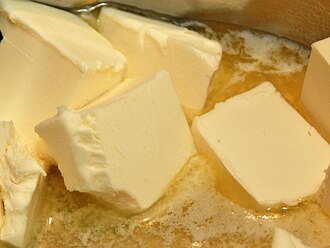
Photo: Wikipedia
Whipped butter with salt is a creamy, airy spread made by churning salt into butter and incorporating air, making it lighter and easier to spread straight from the fridge. It has a rich, savory flavor with a smooth, melt-on-the-tongue texture. Nutritionally, it is a concentrated source of fat, providing about 78 grams of fat and 731 calories per 100 grams, with negligible protein or carbohydrates.
Calorie split: 0% protein · 0% carbs · 100% fat
↓ Full nutrition💚 Why it's loved
People love it for its luxurious, savory taste and the convenience of its spreadable texture, which elevates everything from warm bread to steamed vegetables. It's a cultural staple in many Western cuisines, symbolizing comfort and indulgence in both everyday meals and festive baking.
⚠️ Watch-outs & how to enjoy it better
Its very high saturated fat and calorie content can be a concern for heart health and weight management if consumed in excess. The added salt contributes to sodium intake, which is a consideration for those monitoring blood pressure. To counteract this, use it sparingly as a flavor enhancer rather than a primary fat source, and balance meals with potassium-rich foods like leafy greens or bananas.
Key benefits
- Excellent source of fat-soluble vitamins A, D, E, and K.
- Provides short- and medium-chain fatty acids for quick energy.
- Enhances the absorption of fat-soluble nutrients from other foods.
- Adds rich flavor and moisture to cooking and baking.
- The air incorporation makes it easier to spread without tearing bread.
🍽️ Popular dishes
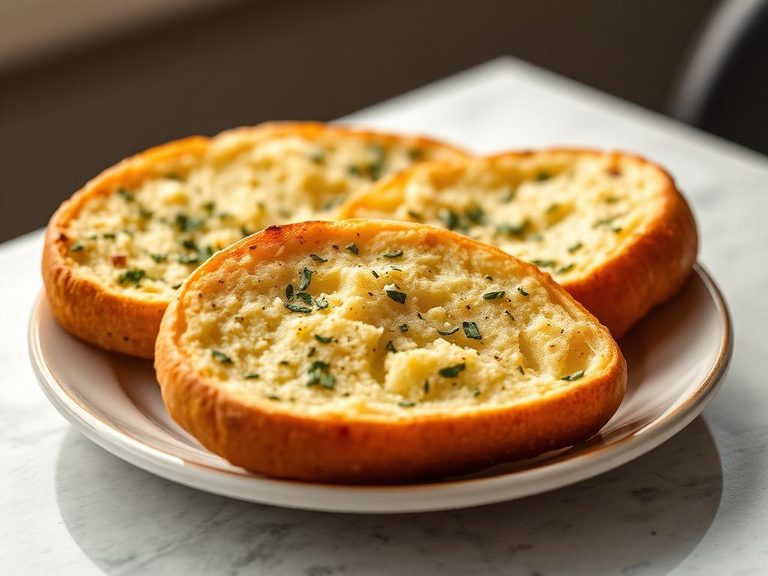
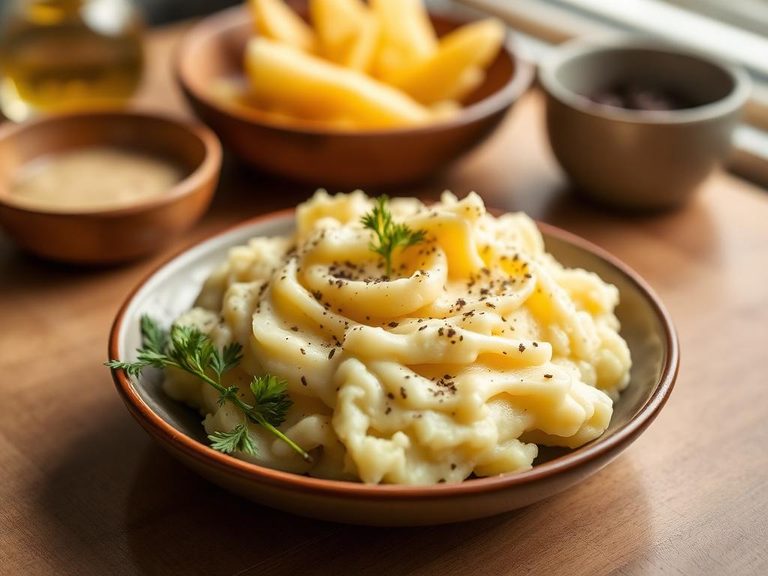
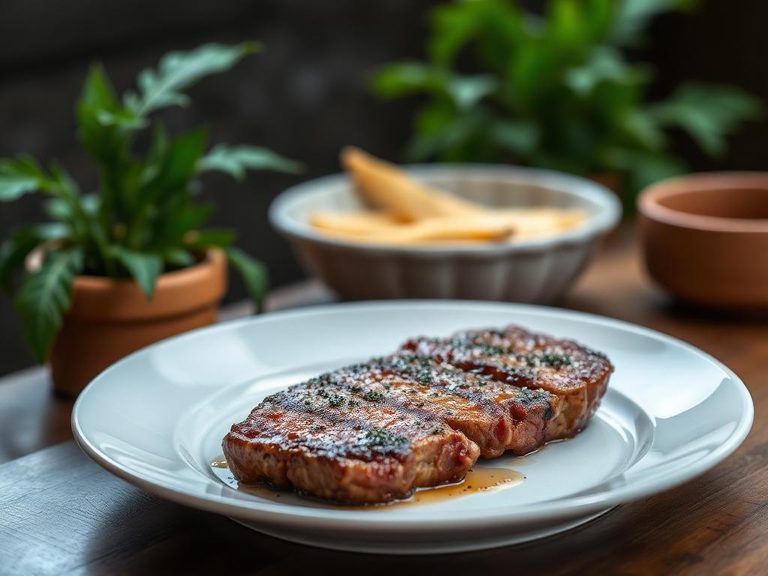
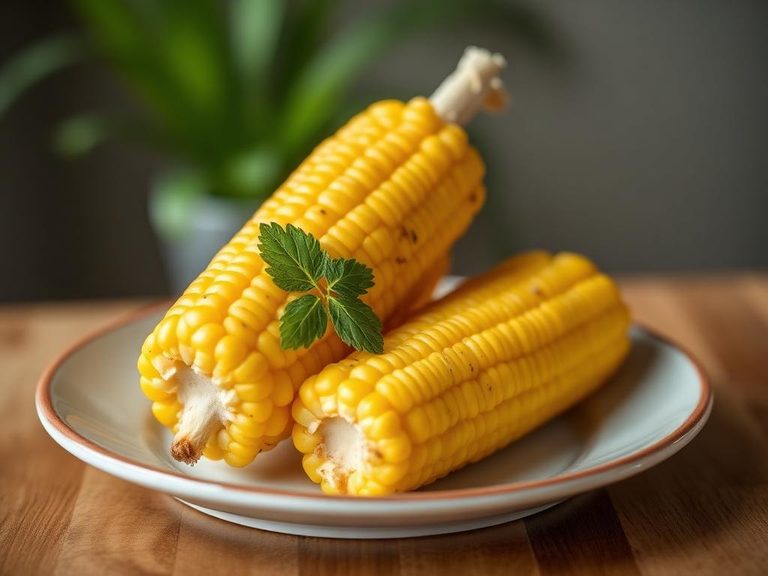
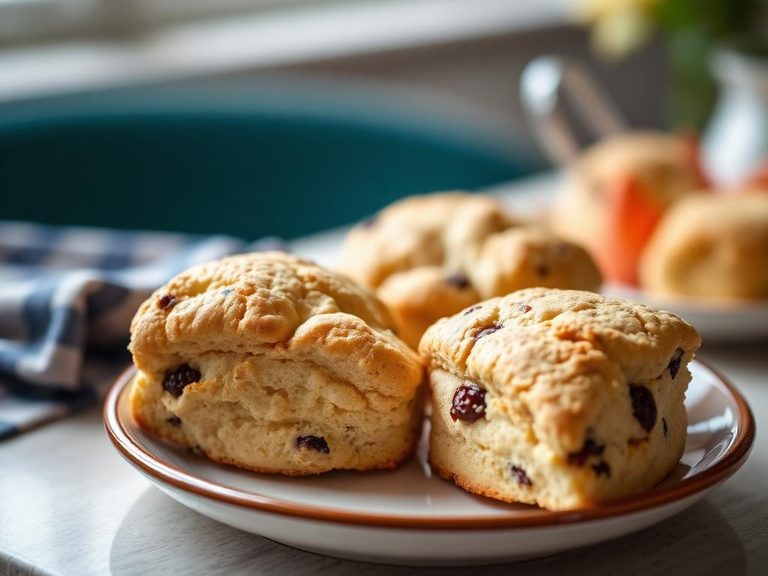

🌍 Where it's eaten
💡 Did you know?
The whipping process can increase the volume of butter by up to 50%, meaning a pound of whipped butter can fill a container that would normally hold a pound and a half of regular butter.
Full nutrition (USDA data · scales with serving)
| Water | 16.7 g |
| Energy | 731 kcal |
| Energy | 3058 kj |
| Protein | 0.49 g |
| Total lipid (fat) | 78.3 g |
| Ash | 1.6 g |
| Carbohydrate, by difference | 0.00 g |
| Fiber, total dietary | 0.00 g |
| Total Sugars | 0.06 g |
| Calcium, Ca | 23.0 mg |
| Iron, Fe | 0.05 mg |
| Magnesium, Mg | 1.0 mg |
| Phosphorus, P | 24.0 mg |
| Potassium, K | 41.0 mg |
| Sodium, Na | 583 mg |
| Zinc, Zn | 0.05 mg |
| Copper, Cu | 0.01 mg |
| Manganese, Mn | 0.00 mg |
| Selenium, Se | 0.00 ug |
| Fluoride, F | 2.8 ug |
| Vitamin C, total ascorbic acid | 0.00 mg |
| Thiamin | 0.01 mg |
| Riboflavin | 0.06 mg |
| Niacin | 0.02 mg |
| Pantothenic acid | 0.10 mg |
| Vitamin B-6 | 0.01 mg |
| Folate, total | 4.0 ug |
| Folic acid | 0.00 ug |
| Folate, food | 4.0 ug |
| Folate, DFE | 4.0 ug |
| Choline, total | 18.8 mg |
| Betaine | 0.30 mg |
| Vitamin B-12 | 0.07 ug |
| Vitamin B-12, added | 0.00 ug |
| Vitamin A, RAE | 683 ug |
| Retinol | 671 ug |
| Carotene, beta | 135 ug |
| Carotene, alpha | 1.0 ug |
| Cryptoxanthin, beta | 6.0 ug |
| Vitamin A, IU | 2468 iu |
| Lycopene | 0.00 ug |
| Lutein + zeaxanthin | 13.0 ug |
| Vitamin E (alpha-tocopherol) | 1.4 mg |
| Vitamin E, added | 0.00 mg |
| Tocopherol, beta | 0.07 mg |
| Tocopherol, gamma | 0.08 mg |
| Tocopherol, delta | 0.00 mg |
| Tocotrienol, alpha | 0.12 mg |
| Tocotrienol, beta | 0.00 mg |
| Tocotrienol, gamma | 0.00 mg |
| Tocotrienol, delta | 0.00 mg |
| Vitamin D (D2 + D3), International Units | 0.00 iu |
| Vitamin D (D2 + D3) | 0.00 ug |
| Vitamin D2 (ergocalciferol) | 0.00 ug |
| Vitamin D3 (cholecalciferol) | 0.00 ug |
| Vitamin K (phylloquinone) | 4.6 ug |
| Vitamin K (Dihydrophylloquinone) | 0.00 ug |
| Vitamin K (Menaquinone-4) | 20.9 ug |
| Alcohol, ethyl | 0.00 g |
| Caffeine | 0.00 mg |
| Theobromine | 0.00 mg |
Fat & fatty acid profile (per 100g)
| Fatty acids, total saturated | 45.4 g |
| SFA 4:0 | 1.6 g |
| SFA 6:0 | 1.4 g |
| SFA 8:0 | 0.86 g |
| SFA 10:0 | 2.0 g |
| SFA 12:0 | 2.4 g |
| SFA 14:0 | 7.5 g |
| SFA 15:0 | 0.80 g |
| SFA 16:0 | 20.5 g |
| SFA 17:0 | 0.48 g |
| SFA 18:0 | 7.6 g |
| SFA 20:0 | 0.11 g |
| SFA 22:0 | 0.03 g |
| SFA 24:0 | 0.02 g |
| Fatty acids, total monounsaturated | 19.9 g |
| MUFA 14:1 | 0.78 g |
| MUFA 15:1 | 0.00 g |
| MUFA 16:1 | 1.4 g |
| MUFA 16:1 c | 1.2 g |
| MUFA 17:1 | 0.15 g |
| MUFA 18:1 | 17.4 g |
| MUFA 18:1 c | 15.5 g |
| MUFA 20:1 | 0.15 g |
| MUFA 22:1 | 0.01 g |
| MUFA 22:1 c | 0.01 g |
| MUFA 24:1 c | 0.00 g |
| Fatty acids, total polyunsaturated | 3.3 g |
| PUFA 18:2 | 2.7 g |
| PUFA 18:2 n-6 c,c | 1.8 g |
| PUFA 18:2 CLAs | 0.41 g |
| PUFA 18:3 | 0.30 g |
| PUFA 18:3 n-3 c,c,c (ALA) | 0.28 g |
| PUFA 18:3 n-6 c,c,c | 0.01 g |
| PUFA 18:3i | 0.01 g |
| PUFA 18:4 | 0.00 g |
| PUFA 20:2 n-6 c,c | 0.02 g |
| PUFA 20:3 | 0.09 g |
| PUFA 20:3 n-3 | 0.01 g |
| PUFA 20:3 n-6 | 0.08 g |
| PUFA 20:4 | 0.12 g |
| PUFA 20:5 n-3 (EPA) | 0.02 g |
| PUFA 22:4 | 0.02 g |
| PUFA 22:5 n-3 (DPA) | 0.04 g |
| PUFA 22:6 n-3 (DHA) | 0.00 g |
| Fatty acids, total trans | 2.7 g |
| Fatty acids, total trans-monoenoic | 2.2 g |
| TFA 16:1 t | 0.25 g |
| TFA 18:1 t | 1.9 g |
| TFA 22:1 t | 0.00 g |
| TFA 18:2 t not further defined | 0.50 g |
| Fatty acids, total trans-polyenoic | 0.51 g |
| Cholesterol | 225 mg |
Amino acid profile (per 100g)
| Tryptophan | 0.01 g |
| Threonine | 0.04 g |
| Isoleucine | 0.05 g |
| Leucine | 0.08 g |
| Lysine | 0.07 g |
| Methionine | 0.02 g |
| Cystine | 0.01 g |
| Phenylalanine | 0.04 g |
| Tyrosine | 0.04 g |
| Valine | 0.06 g |
| Arginine | 0.03 g |
| Histidine | 0.02 g |
| Alanine | 0.03 g |
| Aspartic acid | 0.06 g |
| Glutamic acid | 0.18 g |
| Glycine | 0.02 g |
| Proline | 0.08 g |
| Serine | 0.05 g |
FAQ
What's the difference between whipped butter and regular butter?
Whipped butter has air incorporated into it, making it lighter, fluffier, and easier to spread straight from the refrigerator. Regular butter is denser and firmer when cold.
Can I use whipped butter for baking?
It's not ideal for baking recipes that rely on precise fat ratios (like pastry), as the air content and water content can vary. It works well for greasing pans or in recipes where butter is melted.
Is whipped butter healthier than regular butter?
Not necessarily. While it may have slightly less fat per volume due to the air, it is still a high-fat, high-calorie food. The nutritional profile per gram of actual butter remains very similar.
Nutrient density (calculated · NRF9.3)
Nutrient Rich Foods index: beneficial nutrients (protein, fiber, vitamins, minerals) minus saturated fat, added sugar & sodium, per 100 kcal.
NRF9.3 index — Fulgoni, Keast & Drewnowski, 2009. Computed from USDA nutrients.
Weight-loss friendliness (composite index)
Energy density 7.31 kcal/g · 0% calories from protein · 0.0 g fiber · 0.1 g sugar per 100 g.
Composite of energy density (Rolls et al., 1999), protein & fiber satiety, minus sugar. A calculated heuristic — ranks satiety-per-calorie, not a clinical measure.
Dietary load (calculated from USDA values)
Potential renal acid load. Positive = acid-forming, negative = alkaline-forming.
Sodium-to-potassium ratio: 14.22 (lower is better — aim for ≤ 1)
Sodium:potassium per WHO potassium guidance. Computed from USDA nutrients.