

Bread, chapati or roti, whole wheat, commercially prepared, frozen
Whole food · Baked Products

Photo: Wikipedia
This is a commercially prepared, frozen version of the classic whole wheat flatbread, designed for quick reheating. It offers a soft, slightly chewy texture with a mild, nutty wheat flavor. Nutritionally, it's a solid source of dietary fiber and plant-based protein, making it a more complex carbohydrate choice than many refined breads.
Calorie split: 11% protein · 62% carbs · 28% fat
↓ Full nutrition💚 Why it's loved
People love it for its incredible convenience and authentic taste, which brings the staple of South Asian meals to any kitchen with minimal effort. Its mild, wholesome flavor and soft texture make it a perfect, versatile vehicle for curries, dals, and dry vegetable dishes.
⚠️ Watch-outs & how to enjoy it better
As a refined carbohydrate source, it can cause blood sugar spikes if eaten alone or in large portions. To counteract this, always pair it with protein-rich dishes like lentils (dal), chickpeas (chana), or yogurt (raita) to slow digestion. Some commercial brands may contain added sodium, so checking labels and choosing low-sodium options is advisable.
Key benefits
- Excellent source of dietary fiber (9.7g per 100g).
- Provides a good amount of plant-based protein (7.85g per 100g).
- Whole grain content supports sustained energy release.
- Convenient frozen format reduces food waste and prep time.
- Naturally low in sugar (2.93g per 100g).
🍽️ Popular dishes
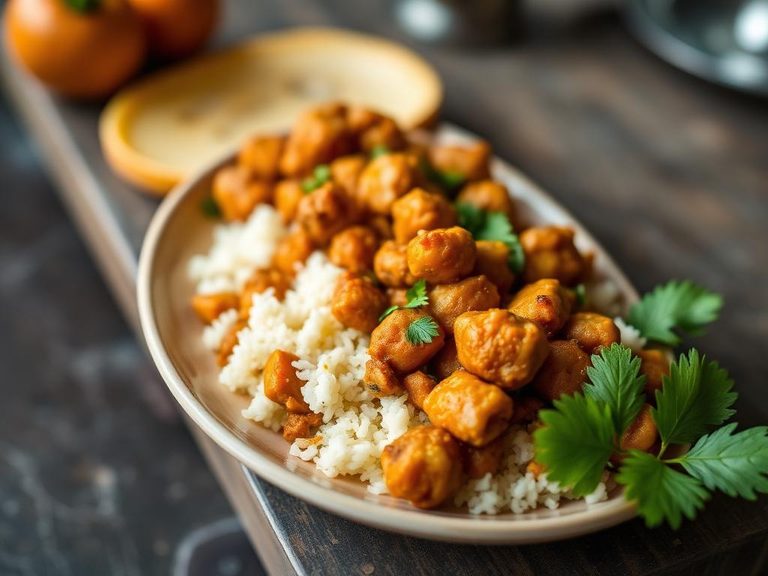
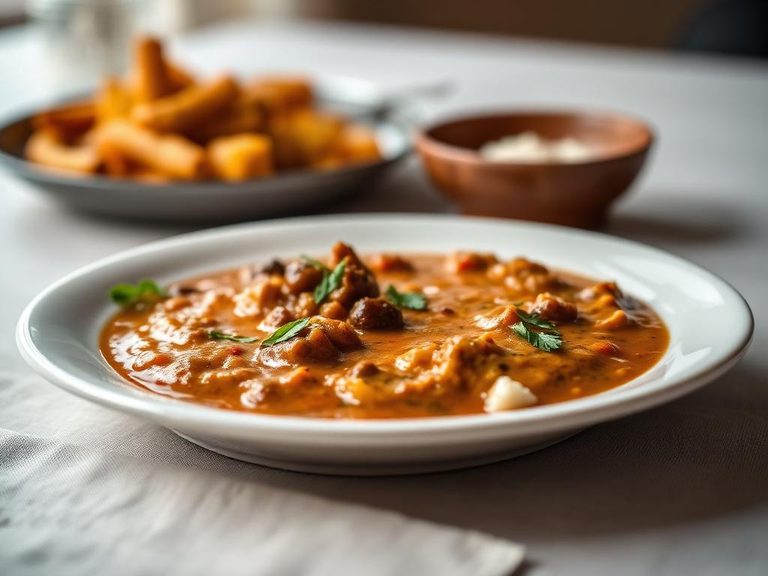
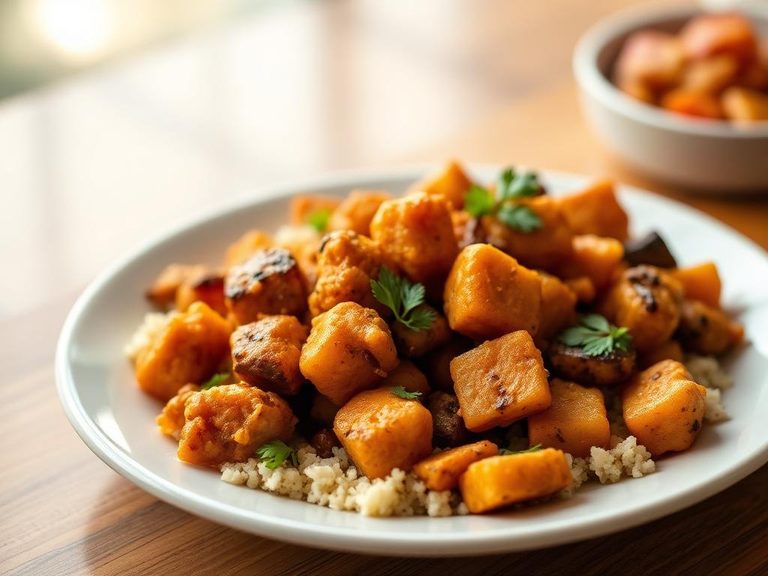
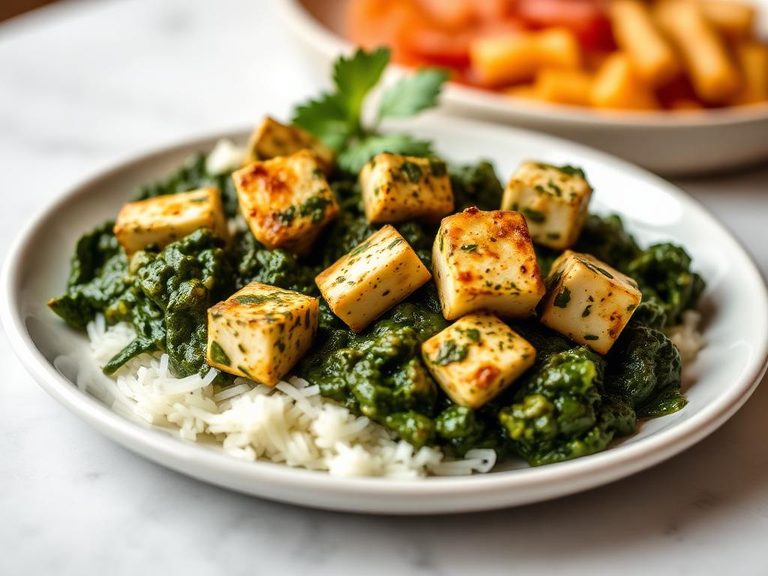
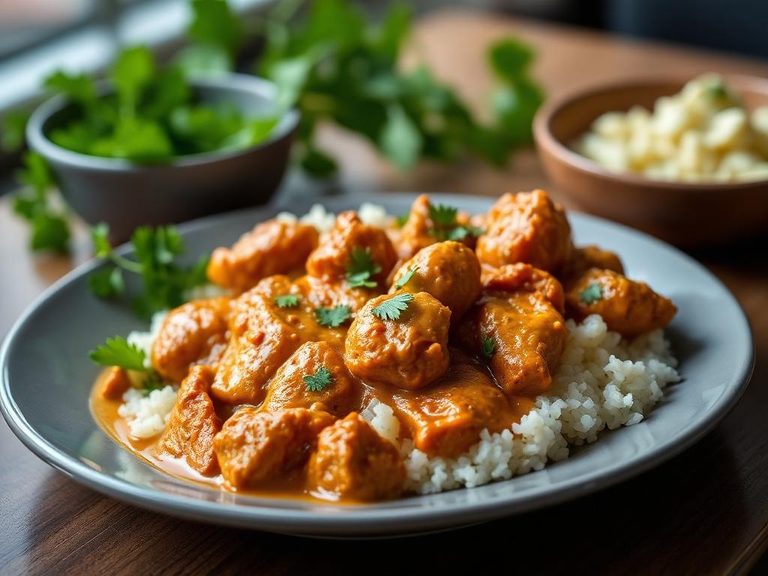

🌍 Where it's eaten
💡 Did you know?
The word 'roti' is derived from the Sanskrit word 'roteka', meaning 'a cooked flatbread', and it's been a staple in the Indian subcontinent for thousands of years.
Full nutrition (USDA data · scales with serving)
| Water | 35.4 g |
| Energy | 299 kcal |
| Energy | 1250 kj |
| Protein | 7.8 g |
| Total lipid (fat) | 9.2 g |
| Ash | 1.4 g |
| Carbohydrate, by difference | 46.1 g |
| Fiber, total dietary | 9.7 g |
| Total Sugars | 2.9 g |
| Sucrose | 0.40 g |
| Glucose | 0.30 g |
| Fructose | 0.27 g |
| Lactose | 0.00 g |
| Maltose | 2.0 g |
| Galactose | 0.00 g |
| Starch | 33.7 g |
| Calcium, Ca | 36.0 mg |
| Iron, Fe | 2.2 mg |
| Magnesium, Mg | 56.0 mg |
| Phosphorus, P | 158 mg |
| Potassium, K | 196 mg |
| Sodium, Na | 298 mg |
| Zinc, Zn | 1.5 mg |
| Copper, Cu | 0.23 mg |
| Manganese, Mn | 1.7 mg |
| Selenium, Se | 26.6 ug |
| Vitamin C, total ascorbic acid | 0.00 mg |
| Thiamin | 0.45 mg |
| Riboflavin | 0.18 mg |
| Niacin | 4.6 mg |
| Pantothenic acid | 0.56 mg |
| Vitamin B-6 | 0.28 mg |
| Folate, total | 45.0 ug |
| Folic acid | 0.00 ug |
| Folate, food | 45.0 ug |
| Folate, DFE | 45.0 ug |
| Choline, total | 7.8 mg |
| Vitamin B-12 | 0.00 ug |
| Vitamin B-12, added | 0.00 ug |
| Vitamin A, RAE | 0.00 ug |
| Retinol | 0.00 ug |
| Carotene, beta | 0.00 ug |
| Carotene, alpha | 0.00 ug |
| Cryptoxanthin, beta | 0.00 ug |
| Vitamin A, IU | 0.00 iu |
| Lycopene | 0.00 ug |
| Lutein + zeaxanthin | 11.0 ug |
| Vitamin E (alpha-tocopherol) | 0.55 mg |
| Vitamin E, added | 0.00 mg |
| Tocopherol, beta | 0.28 mg |
| Tocopherol, gamma | 1.7 mg |
| Tocopherol, delta | 0.57 mg |
| Tocotrienol, alpha | 0.14 mg |
| Tocotrienol, beta | 1.4 mg |
| Tocotrienol, gamma | 0.26 mg |
| Tocotrienol, delta | 0.33 mg |
| Vitamin D (D2 + D3), International Units | 0.00 iu |
| Vitamin D (D2 + D3) | 0.00 ug |
| Vitamin K (phylloquinone) | 3.3 ug |
| Alcohol, ethyl | 0.00 g |
| Caffeine | 0.00 mg |
| Theobromine | 0.00 mg |
Fat & fatty acid profile (per 100g)
| Fatty acids, total saturated | 3.3 g |
| SFA 4:0 | 0.00 g |
| SFA 6:0 | 0.00 g |
| SFA 8:0 | 0.00 g |
| SFA 10:0 | 0.01 g |
| SFA 12:0 | 0.01 g |
| SFA 14:0 | 0.07 g |
| SFA 15:0 | 0.01 g |
| SFA 16:0 | 2.8 g |
| SFA 17:0 | 0.01 g |
| SFA 18:0 | 0.38 g |
| SFA 20:0 | 0.02 g |
| SFA 22:0 | 0.01 g |
| SFA 24:0 | 0.01 g |
| Fatty acids, total monounsaturated | 2.1 g |
| MUFA 14:1 | 0.00 g |
| MUFA 15:1 | 0.00 g |
| MUFA 16:1 | 0.01 g |
| MUFA 16:1 c | 0.01 g |
| MUFA 17:1 | 0.00 g |
| MUFA 18:1 | 2.1 g |
| MUFA 18:1 c | 2.0 g |
| MUFA 20:1 | 0.01 g |
| MUFA 22:1 | 0.00 g |
| MUFA 22:1 c | 0.00 g |
| MUFA 24:1 c | 0.00 g |
| Fatty acids, total polyunsaturated | 0.76 g |
| PUFA 18:2 | 0.73 g |
| PUFA 18:2 n-6 c,c | 0.72 g |
| PUFA 18:2 CLAs | 0.00 g |
| PUFA 18:3 | 0.03 g |
| PUFA 18:3 n-3 c,c,c (ALA) | 0.03 g |
| PUFA 18:3 n-6 c,c,c | 0.00 g |
| PUFA 18:3i | 0.00 g |
| PUFA 18:4 | 0.00 g |
| PUFA 20:2 n-6 c,c | 0.00 g |
| PUFA 20:3 | 0.00 g |
| PUFA 20:3 n-3 | 0.00 g |
| PUFA 20:3 n-6 | 0.00 g |
| PUFA 20:4 | 0.00 g |
| PUFA 20:5 n-3 (EPA) | 0.00 g |
| PUFA 22:4 | 0.00 g |
| PUFA 22:5 n-3 (DPA) | 0.00 g |
| PUFA 22:6 n-3 (DHA) | 0.00 g |
| Fatty acids, total trans | 0.03 g |
| Fatty acids, total trans-monoenoic | 0.02 g |
| TFA 16:1 t | 0.00 g |
| TFA 18:1 t | 0.02 g |
| TFA 22:1 t | 0.00 g |
| TFA 18:2 t not further defined | 0.01 g |
| Fatty acids, total trans-polyenoic | 0.01 g |
| Cholesterol | 0.00 mg |
Amino acid profile (per 100g)
Estimated from Bread, salvadoran sweet cheese (quesadilla salvadorena) — USDA does not publish this profile for Bread.
| Tryptophan | 0.07 g |
| Threonine | 0.21 g |
| Isoleucine | 0.30 g |
| Leucine | 0.65 g |
| Lysine | 0.50 g |
| Methionine | 0.28 g |
| Cystine | 0.06 g |
| Phenylalanine | 0.37 g |
| Tyrosine | 0.23 g |
| Valine | 0.43 g |
| Arginine | 0.25 g |
| Histidine | 0.15 g |
| Alanine | 0.36 g |
| Aspartic acid | 0.59 g |
| Glutamic acid | 1.3 g |
| Glycine | 0.20 g |
| Proline | 0.83 g |
| Serine | 0.45 g |
| Hydroxyproline | 0.00 g |
FAQ
How do I reheat frozen chapati to get the best texture?
For the best texture, reheat directly from frozen on a hot skillet (tawa) for 30-60 seconds per side until soft and pliable. You can also microwave it wrapped in a damp paper towel for 20-30 seconds, or brush with a little ghee or butter and warm in a dry pan.
Is this a healthy bread option?
Yes, it's a relatively healthy choice compared to white bread, thanks to its whole wheat content, high fiber, and protein. However, like any carbohydrate, it should be consumed in moderation and as part of a balanced meal with protein and vegetables.
Can I use this for wraps or just with curry?
Absolutely! Its soft, pliable nature makes it excellent for wraps. Use it to roll up fillings like grilled chicken, hummus, and vegetables for a quick and nutritious meal.
Nutrient density (calculated · NRF9.3)
Nutrient Rich Foods index: beneficial nutrients (protein, fiber, vitamins, minerals) minus saturated fat, added sugar & sodium, per 100 kcal.
NRF9.3 index — Fulgoni, Keast & Drewnowski, 2009. Computed from USDA nutrients.
Weight-loss friendliness (composite index)
Energy density 2.99 kcal/g · 11% calories from protein · 9.7 g fiber · 2.9 g sugar per 100 g.
Composite of energy density (Rolls et al., 1999), protein & fiber satiety, minus sugar. A calculated heuristic — ranks satiety-per-calorie, not a clinical measure.
Dietary load (calculated from USDA values)
Potential renal acid load. Positive = acid-forming, negative = alkaline-forming.
Sodium-to-potassium ratio: 1.52 (lower is better — aim for ≤ 1)
Sodium:potassium per WHO potassium guidance. Computed from USDA nutrients.