

Turkey, whole, skin (light and dark), raw
Whole food · Poultry Products

Photo: Wikipedia
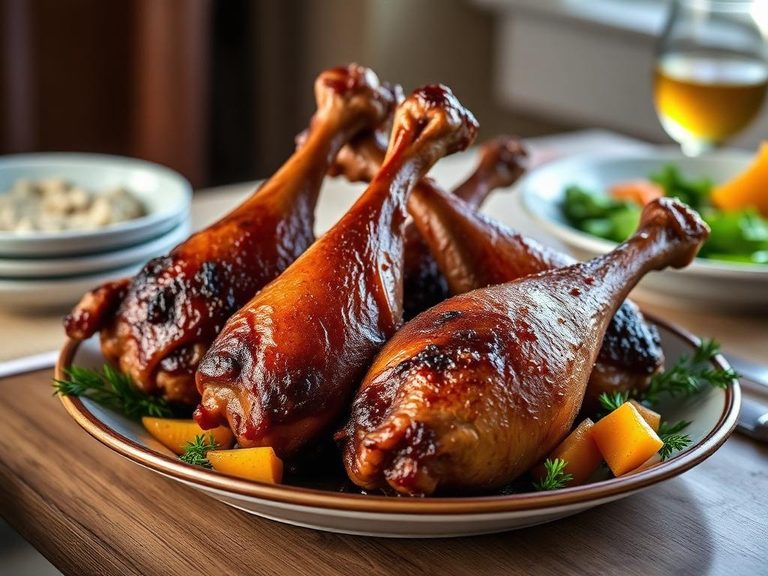
This is raw turkey with both light and dark meat and skin intact, offering a rich, savory flavor profile with a moist, tender texture when cooked properly. The skin adds significant fat content (38.93g per 100g), making it a high-energy, high-fat cut that's ideal for roasting or braising. It's a protein powerhouse with 12.96g per 100g, but the fat-to-protein ratio makes it more indulgent than lean breast meat.
Calorie split: 13% protein · 0% carbs · 87% fat
↓ Full nutrition💚 Why it's loved
People love it for its deep, savory flavor and juicy texture, especially when the skin crisps up during roasting. It's a cultural staple for holiday feasts and family gatherings, symbolizing abundance and comfort across many cuisines.
⚠️ Watch-outs & how to enjoy it better
The high fat content (38.93g per 100g) can be a concern for those watching calorie or fat intake, and the skin may be too rich for some palates. To counteract, pair it with fiber-rich vegetables like roasted Brussels sprouts or a side salad, and consider removing the skin after cooking to reduce fat intake. Also, ensure it's cooked to a safe internal temperature of 165°F (74°C) to avoid foodborne illness.
Key benefits
- High in complete protein for muscle maintenance
- Rich in B vitamins, especially niacin and B6
- Contains selenium and phosphorus for immune and bone health
- Skin provides healthy fats for energy and satiety
- Versatile for roasting, braising, or smoking
🍽️ Popular dishes
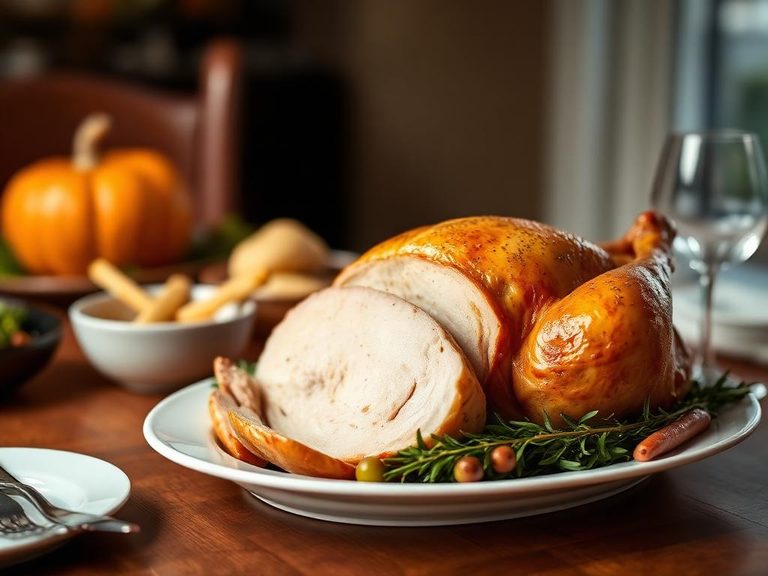
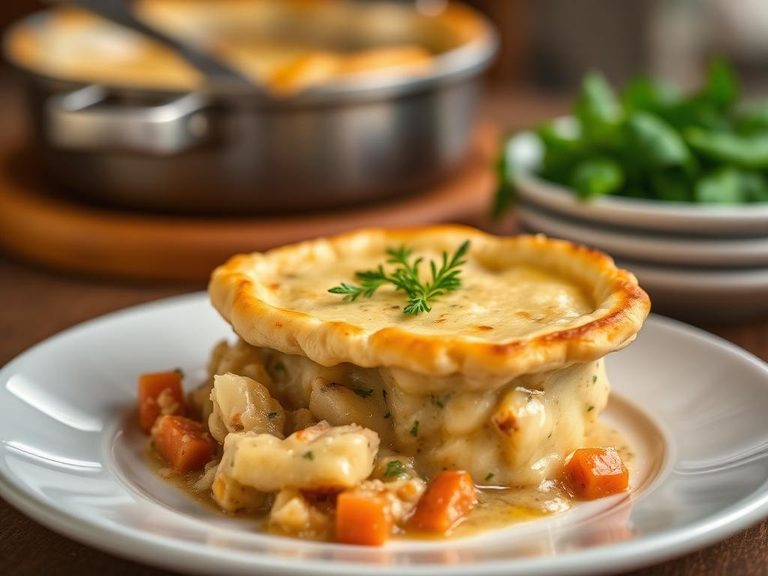
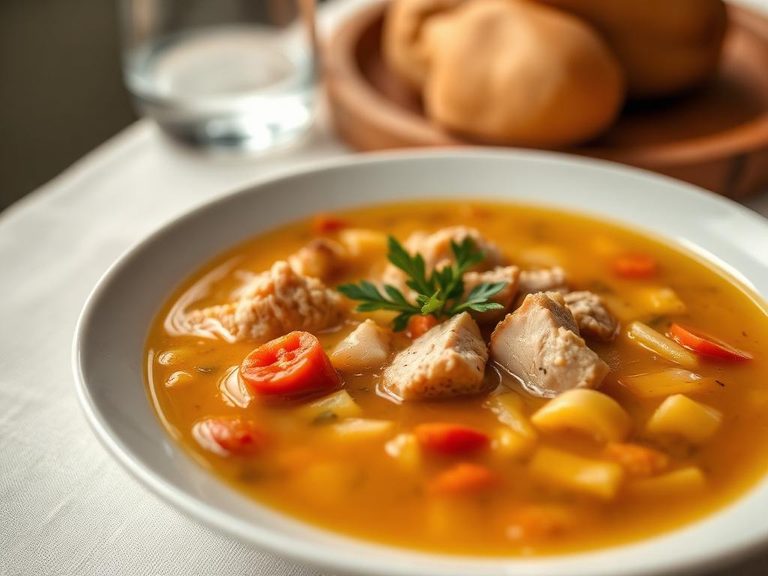
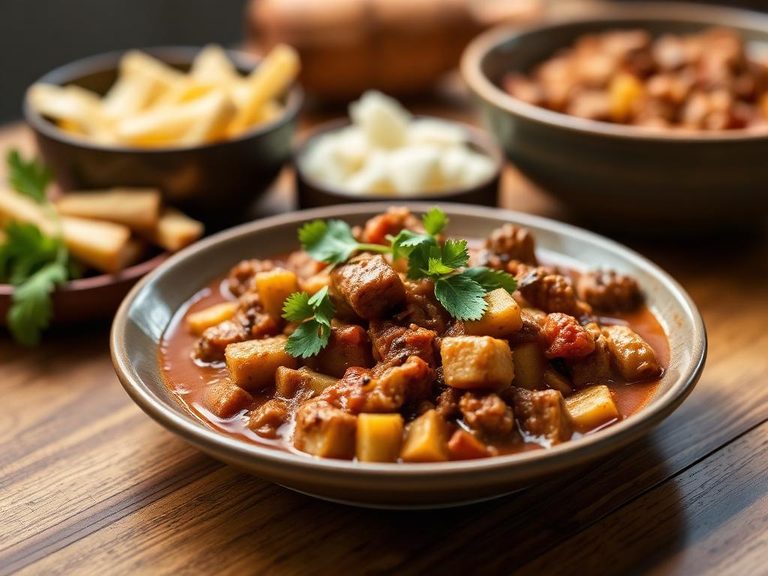
🌍 Where it's eaten
💡 Did you know?
The turkey was domesticated by Indigenous peoples of Mesoamerica over 2,000 years ago, and its feathers were once used by the Aztecs in ceremonial headdresses.
Full nutrition (USDA data · scales with serving)
| Water | 48.4 g |
| Energy | 407 kcal |
| Energy | 1704 kj |
| Protein | 13.0 g |
| Total lipid (fat) | 38.9 g |
| Ash | 0.52 g |
| Carbohydrate, by difference | 0.16 g |
| Fiber, total dietary | 0.00 g |
| Total Sugars | 0.10 g |
| Sucrose | 0.10 g |
| Glucose | 0.00 g |
| Fructose | 0.00 g |
| Lactose | 0.00 g |
| Maltose | 0.00 g |
| Galactose | 0.00 g |
| Starch | 0.06 g |
| Calcium, Ca | 13.0 mg |
| Iron, Fe | 0.85 mg |
| Magnesium, Mg | 11.0 mg |
| Phosphorus, P | 120 mg |
| Potassium, K | 124 mg |
| Sodium, Na | 62.0 mg |
| Zinc, Zn | 1.1 mg |
| Copper, Cu | 0.05 mg |
| Manganese, Mn | 0.01 mg |
| Selenium, Se | 10.1 ug |
| Vitamin C, total ascorbic acid | 0.00 mg |
| Thiamin | 0.02 mg |
| Riboflavin | 0.11 mg |
| Niacin | 3.9 mg |
| Pantothenic acid | 0.49 mg |
| Vitamin B-6 | 0.17 mg |
| Folate, total | 4.0 ug |
| Folic acid | 0.00 ug |
| Folate, food | 4.0 ug |
| Folate, DFE | 4.0 ug |
| Choline, total | 36.7 mg |
| Vitamin B-12 | 0.88 ug |
| Vitamin B-12, added | 0.00 ug |
| Vitamin A, RAE | 85.0 ug |
| Retinol | 85.0 ug |
| Carotene, beta | 0.00 ug |
| Carotene, alpha | 0.00 ug |
| Cryptoxanthin, beta | 0.00 ug |
| Vitamin A, IU | 284 iu |
| Lycopene | 0.00 ug |
| Lutein + zeaxanthin | 0.00 ug |
| Vitamin E (alpha-tocopherol) | 0.09 mg |
| Vitamin E, added | 0.00 mg |
| Tocopherol, beta | 0.01 mg |
| Tocopherol, gamma | 0.01 mg |
| Tocopherol, delta | 0.01 mg |
| Tocotrienol, alpha | 0.01 mg |
| Tocotrienol, beta | 0.00 mg |
| Tocotrienol, gamma | 0.04 mg |
| Tocotrienol, delta | 0.00 mg |
| Vitamin D (D2 + D3), International Units | 46.0 iu |
| Vitamin D (D2 + D3) | 1.1 ug |
| Vitamin D3 (cholecalciferol) | 1.1 ug |
| Vitamin K (phylloquinone) | 0.00 ug |
| Alcohol, ethyl | 0.00 g |
| Caffeine | 0.00 mg |
| Theobromine | 0.00 mg |
Fat & fatty acid profile (per 100g)
| Fatty acids, total saturated | 10.4 g |
| SFA 4:0 | 0.00 g |
| SFA 6:0 | 0.00 g |
| SFA 8:0 | 0.00 g |
| SFA 10:0 | 0.02 g |
| SFA 12:0 | 0.14 g |
| SFA 14:0 | 0.41 g |
| SFA 15:0 | 0.06 g |
| SFA 16:0 | 7.2 g |
| SFA 17:0 | 0.10 g |
| SFA 18:0 | 2.4 g |
| SFA 20:0 | 0.04 g |
| SFA 22:0 | 0.02 g |
| SFA 24:0 | 0.01 g |
| Fatty acids, total monounsaturated | 13.9 g |
| MUFA 14:1 | 0.06 g |
| MUFA 15:1 | 0.00 g |
| MUFA 16:1 | 1.4 g |
| MUFA 16:1 c | 1.3 g |
| MUFA 17:1 | 0.06 g |
| MUFA 18:1 | 12.2 g |
| MUFA 18:1 c | 11.8 g |
| MUFA 20:1 | 0.18 g |
| MUFA 22:1 | 0.01 g |
| MUFA 22:1 c | 0.01 g |
| MUFA 24:1 c | 0.00 g |
| Fatty acids, total polyunsaturated | 10.9 g |
| PUFA 18:2 | 10.0 g |
| PUFA 18:2 n-6 c,c | 9.8 g |
| PUFA 18:2 CLAs | 0.08 g |
| PUFA 18:3 | 0.63 g |
| PUFA 18:3 n-3 c,c,c (ALA) | 0.61 g |
| PUFA 18:3 n-6 c,c,c | 0.02 g |
| PUFA 18:4 | 0.00 g |
| PUFA 20:2 n-6 c,c | 0.06 g |
| PUFA 20:3 | 0.04 g |
| PUFA 20:3 n-3 | 0.01 g |
| PUFA 20:3 n-6 | 0.04 g |
| PUFA 20:4 | 0.14 g |
| PUFA 20:5 n-3 (EPA) | 0.01 g |
| PUFA 22:4 | 0.03 g |
| PUFA 22:5 n-3 (DPA) | 0.02 g |
| PUFA 22:6 n-3 (DHA) | 0.01 g |
| Fatty acids, total trans | 0.56 g |
| Fatty acids, total trans-monoenoic | 0.43 g |
| TFA 16:1 t | 0.03 g |
| TFA 18:1 t | 0.41 g |
| TFA 22:1 t | 0.00 g |
| TFA 18:2 t not further defined | 0.13 g |
| Fatty acids, total trans-polyenoic | 0.13 g |
| Cholesterol | 122 mg |
Amino acid profile (per 100g)
| Tryptophan | 0.07 g |
| Threonine | 0.29 g |
| Isoleucine | 0.25 g |
| Leucine | 0.61 g |
| Lysine | 0.67 g |
| Methionine | 0.22 g |
| Cystine | 0.10 g |
| Phenylalanine | 0.33 g |
| Tyrosine | 0.23 g |
| Valine | 0.36 g |
| Arginine | 0.81 g |
| Histidine | 0.22 g |
| Alanine | 0.88 g |
| Aspartic acid | 0.78 g |
| Glutamic acid | 1.3 g |
| Glycine | 1.7 g |
| Proline | 1.2 g |
| Serine | 0.42 g |
| Hydroxyproline | 0.89 g |
FAQ
Is raw turkey with skin safe to eat?
No, raw turkey should always be cooked to an internal temperature of 165°F (74°C) to kill harmful bacteria like Salmonella.
How does the skin affect nutrition?
The skin significantly increases fat and calorie content; removing it reduces fat by about 50% while retaining most protein.
Can I use this for ground turkey?
Yes, but you'll need to grind it yourself or use a grinder; the skin adds moisture and fat to ground meat.
Is it suitable for low-carb diets?
Yes, with only 0.16g carbs per 100g, it's an excellent low-carb protein source.
Nutrient density (calculated · NRF9.3)
Nutrient Rich Foods index: beneficial nutrients (protein, fiber, vitamins, minerals) minus saturated fat, added sugar & sodium, per 100 kcal.
NRF9.3 index — Fulgoni, Keast & Drewnowski, 2009. Computed from USDA nutrients.
Weight-loss friendliness (composite index)
Energy density 4.07 kcal/g · 13% calories from protein · 0.0 g fiber · 0.1 g sugar per 100 g.
Composite of energy density (Rolls et al., 1999), protein & fiber satiety, minus sugar. A calculated heuristic — ranks satiety-per-calorie, not a clinical measure.
Dietary load (calculated from USDA values)
Potential renal acid load. Positive = acid-forming, negative = alkaline-forming.
Sodium-to-potassium ratio: 0.50 (lower is better — aim for ≤ 1)
Sodium:potassium per WHO potassium guidance. Computed from USDA nutrients.