

Turkey, ground, fat free, pan-broiled crumbles
Whole food · Poultry Products

Photo: Wikipedia
This is lean, pan-broiled ground turkey cooked into crumbles, offering a mild, savory flavor with a fine, slightly crumbly texture. It's a powerhouse of protein with virtually no fat or carbohydrates, making it a clean, versatile base for countless dishes.
Calorie split: 84% protein · 0% carbs · 16% fat
↓ Full nutrition💚 Why it's loved
People love it as a blank canvas that readily absorbs sauces and spices, making it perfect for everything from tacos to pasta sauce. Its lean profile allows for hearty, protein-packed meals without the heaviness of fattier meats.
⚠️ Watch-outs & how to enjoy it better
Being very lean, it can become dry and rubbery if overcooked, and its mild flavor can be bland without proper seasoning. To counteract dryness, cook it just until no longer pink and immediately mix it with a sauce or moist ingredients. To boost flavor, brown it well and use robust spices, herbs, or umami-rich ingredients like soy sauce or mushrooms.
Key benefits
- Exceptionally high in complete protein for muscle maintenance.
- Extremely low in fat, especially saturated fat.
- Zero carbohydrates, making it ideal for low-carb or ketogenic diets.
- A lean, versatile base for meal prep and bulk cooking.
🍽️ Popular dishes
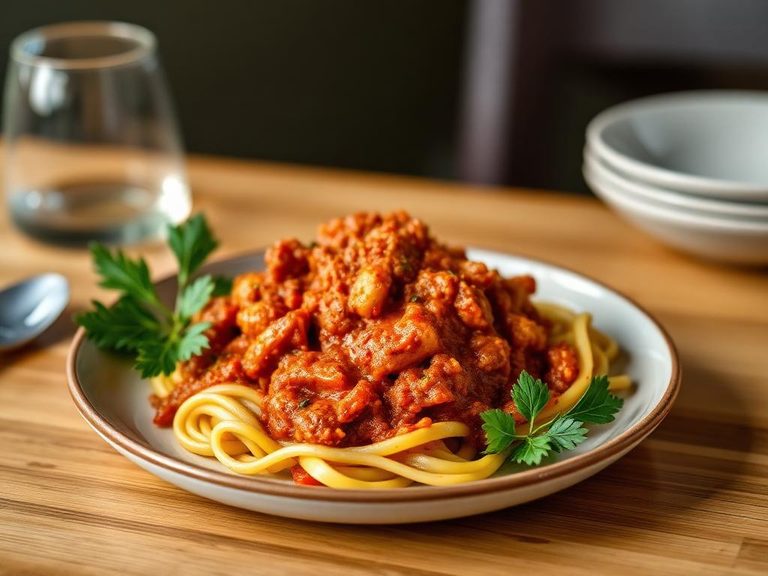
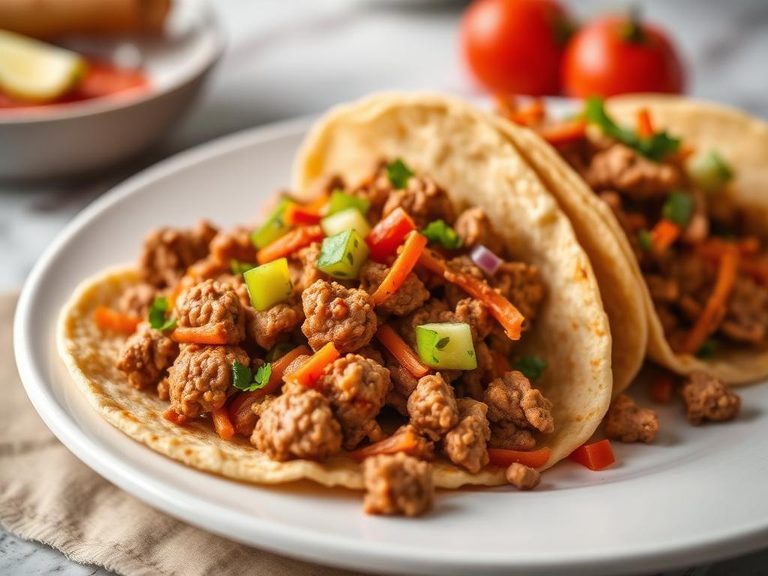
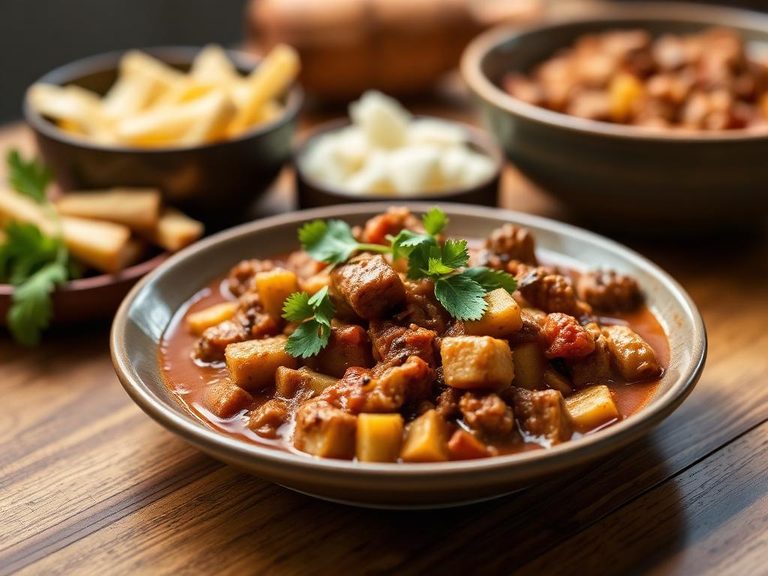
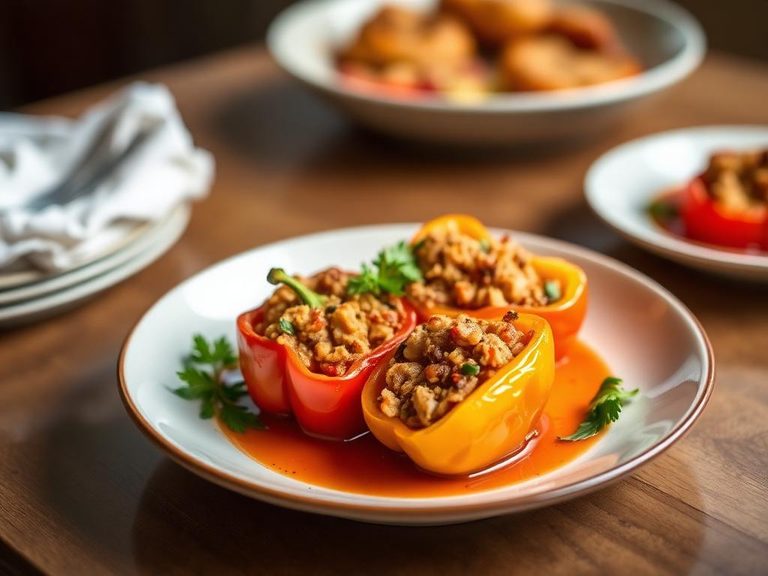
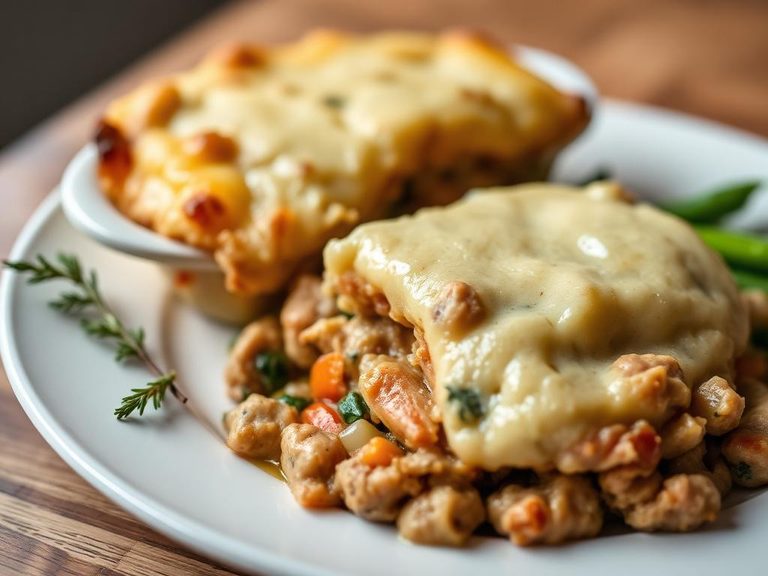
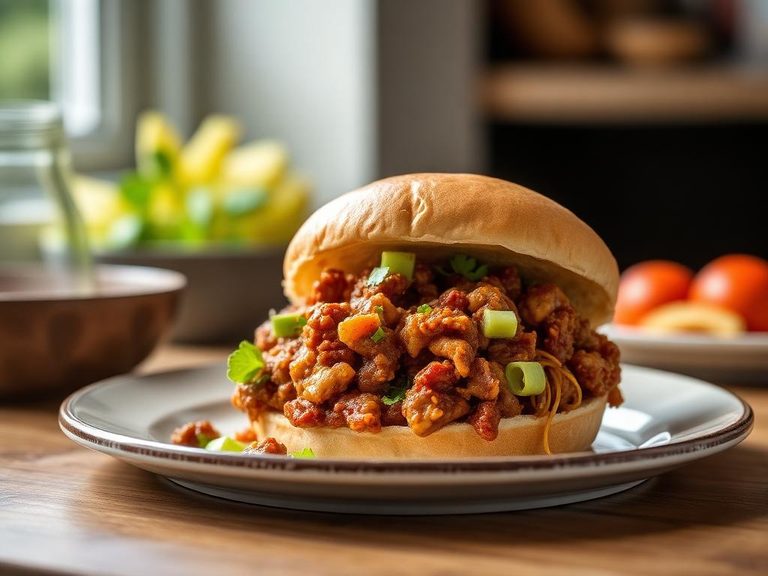
🌍 Where it's eaten
💡 Did you know?
Ground turkey is often a blend of both dark and white meat, even when labeled 'fat-free,' as the USDA allows a small amount of fat to be added back for moisture and flavor.
Full nutrition (USDA data · scales with serving)
| Water | 65.8 g |
| Energy | 151 kcal |
| Energy | 632 kj |
| Protein | 31.7 g |
| Total lipid (fat) | 2.7 g |
| Ash | 1.4 g |
| Carbohydrate, by difference | 0.00 g |
| Fiber, total dietary | 0.00 g |
| Total Sugars | 0.00 g |
| Calcium, Ca | 6.0 mg |
| Iron, Fe | 1.0 mg |
| Magnesium, Mg | 35.0 mg |
| Phosphorus, P | 290 mg |
| Potassium, K | 357 mg |
| Sodium, Na | 61.0 mg |
| Zinc, Zn | 2.2 mg |
| Copper, Cu | 0.07 mg |
| Manganese, Mn | 0.01 mg |
| Selenium, Se | 31.4 ug |
| Vitamin C, total ascorbic acid | 0.00 mg |
| Thiamin | 0.08 mg |
| Riboflavin | 0.14 mg |
| Niacin | 12.6 mg |
| Pantothenic acid | 0.96 mg |
| Vitamin B-6 | 1.1 mg |
| Folate, total | 8.0 ug |
| Folic acid | 0.00 ug |
| Folate, food | 8.0 ug |
| Folate, DFE | 8.0 ug |
| Choline, total | 64.4 mg |
| Betaine | 7.3 mg |
| Vitamin B-12 | 0.70 ug |
| Vitamin B-12, added | 0.00 ug |
| Vitamin A, RAE | 9.0 ug |
| Retinol | 9.0 ug |
| Carotene, beta | 0.00 ug |
| Carotene, alpha | 0.00 ug |
| Cryptoxanthin, beta | 0.00 ug |
| Vitamin A, IU | 30.0 iu |
| Lycopene | 0.00 ug |
| Lutein + zeaxanthin | 0.00 ug |
| Vitamin E (alpha-tocopherol) | 0.10 mg |
| Vitamin E, added | 0.00 mg |
| Tocopherol, beta | 0.01 mg |
| Tocopherol, gamma | 0.12 mg |
| Tocopherol, delta | 0.03 mg |
| Tocotrienol, alpha | 0.01 mg |
| Tocotrienol, beta | 0.00 mg |
| Tocotrienol, gamma | 0.02 mg |
| Tocotrienol, delta | 0.00 mg |
| Vitamin D (D2 + D3), International Units | 8.0 iu |
| Vitamin D (D2 + D3) | 0.20 ug |
| Vitamin D3 (cholecalciferol) | 0.20 ug |
| Vitamin K (phylloquinone) | 0.00 ug |
| Alcohol, ethyl | 0.00 g |
| Caffeine | 0.00 mg |
| Theobromine | 0.00 mg |
Fat & fatty acid profile (per 100g)
| Fatty acids, total saturated | 0.72 g |
| SFA 4:0 | 0.00 g |
| SFA 6:0 | 0.00 g |
| SFA 8:0 | 0.00 g |
| SFA 10:0 | 0.00 g |
| SFA 12:0 | 0.00 g |
| SFA 14:0 | 0.02 g |
| SFA 15:0 | 0.00 g |
| SFA 16:0 | 0.45 g |
| SFA 17:0 | 0.01 g |
| SFA 18:0 | 0.23 g |
| SFA 20:0 | 0.00 g |
| SFA 22:0 | 0.00 g |
| SFA 24:0 | 0.00 g |
| Fatty acids, total monounsaturated | 0.75 g |
| MUFA 14:1 | 0.00 g |
| MUFA 15:1 | 0.00 g |
| MUFA 16:1 | 0.05 g |
| MUFA 16:1 c | 0.05 g |
| MUFA 17:1 | 0.01 g |
| MUFA 18:1 | 0.68 g |
| MUFA 18:1 c | 0.67 g |
| MUFA 20:1 | 0.01 g |
| MUFA 22:1 | 0.00 g |
| MUFA 22:1 c | 0.00 g |
| MUFA 24:1 c | 0.00 g |
| Fatty acids, total polyunsaturated | 0.84 g |
| PUFA 18:2 | 0.67 g |
| PUFA 18:2 n-6 c,c | 0.66 g |
| PUFA 18:2 CLAs | 0.00 g |
| PUFA 18:3 | 0.04 g |
| PUFA 18:3 n-3 c,c,c (ALA) | 0.03 g |
| PUFA 18:3 n-6 c,c,c | 0.00 g |
| PUFA 18:3i | 0.00 g |
| PUFA 18:4 | 0.00 g |
| PUFA 20:2 n-6 c,c | 0.01 g |
| PUFA 20:3 | 0.01 g |
| PUFA 20:3 n-3 | 0.00 g |
| PUFA 20:3 n-6 | 0.01 g |
| PUFA 20:4 | 0.09 g |
| PUFA 20:5 n-3 (EPA) | 0.00 g |
| PUFA 22:4 | 0.02 g |
| PUFA 22:5 n-3 (DPA) | 0.01 g |
| PUFA 22:6 n-3 (DHA) | 0.01 g |
| Fatty acids, total trans | 0.02 g |
| Fatty acids, total trans-monoenoic | 0.02 g |
| TFA 16:1 t | 0.00 g |
| TFA 18:1 t | 0.02 g |
| TFA 22:1 t | 0.00 g |
| TFA 18:2 t not further defined | 0.01 g |
| Fatty acids, total trans-polyenoic | 0.01 g |
| Cholesterol | 71.0 mg |
Amino acid profile (per 100g)
| Tryptophan | 0.36 g |
| Threonine | 1.5 g |
| Isoleucine | 1.4 g |
| Leucine | 2.6 g |
| Lysine | 2.8 g |
| Methionine | 0.93 g |
| Cystine | 0.33 g |
| Phenylalanine | 1.2 g |
| Tyrosine | 1.1 g |
| Valine | 1.5 g |
| Arginine | 2.3 g |
| Histidine | 0.94 g |
| Alanine | 2.0 g |
| Aspartic acid | 3.1 g |
| Glutamic acid | 5.1 g |
| Glycine | 1.7 g |
| Proline | 1.4 g |
| Serine | 1.3 g |
| Hydroxyproline | 0.26 g |
FAQ
How is 'fat-free' ground turkey different from regular ground turkey?
Fat-free (or 99% lean) ground turkey is made almost entirely from turkey breast, while regular ground turkey often includes dark meat and skin, resulting in a higher fat content (around 7-13% fat).
Why does my fat-free ground turkey get so dry and crumbly?
The lack of fat means there's little to keep the meat moist. To prevent dryness, avoid overcooking, and immediately combine it with a sauce, salsa, or other moist ingredients after browning.
Is it safe to eat ground turkey that's slightly pink in the middle?
For safety, ground turkey should be cooked to an internal temperature of 165°F (74°C), as determined by a meat thermometer. Color alone is not a reliable indicator of doneness.
Nutrient density (calculated · NRF9.3)
Nutrient Rich Foods index: beneficial nutrients (protein, fiber, vitamins, minerals) minus saturated fat, added sugar & sodium, per 100 kcal.
NRF9.3 index — Fulgoni, Keast & Drewnowski, 2009. Computed from USDA nutrients.
Weight-loss friendliness (composite index)
Energy density 1.51 kcal/g · 84% calories from protein · 0.0 g fiber · 0.0 g sugar per 100 g.
Composite of energy density (Rolls et al., 1999), protein & fiber satiety, minus sugar. A calculated heuristic — ranks satiety-per-calorie, not a clinical measure.
Dietary load (calculated from USDA values)
Potential renal acid load. Positive = acid-forming, negative = alkaline-forming.
Sodium-to-potassium ratio: 0.17 (lower is better — aim for ≤ 1)
Sodium:potassium per WHO potassium guidance. Computed from USDA nutrients.