

Fish, salmon, pink, canned, drained solids
Whole food · Finfish and Shellfish Products

Photo: Wikipedia
This is the lean, protein-packed heart of the pink salmon, cooked and preserved in its own juices or brine, then drained. Its texture is firm yet flaky, with a milder, less oily flavor than its sockeye cousin. It delivers an exceptional amount of high-quality protein with virtually no carbohydrates, making it a nutritional powerhouse for muscle maintenance.
Calorie split: 67% protein · 0% carbs · 33% fat
↓ Full nutrition💚 Why it's loved
People love it for its incredible convenience and clean, savory flavor that acts as a blank canvas. It's a staple in quick salads, sandwiches, and pasta dishes, offering a reliable protein boost without any cooking required.
⚠️ Watch-outs & how to enjoy it better
The primary concern is the high sodium content from the canning brine, which can be problematic for those monitoring blood pressure. To counteract this, you can rinse the drained solids under cold water for 30 seconds to reduce sodium by up to 40%. Those with fish allergies should obviously avoid it.
Key benefits
- Excellent source of complete protein (23g per 100g)
- Naturally low in carbohydrates and sugar
- Rich in omega-3 fatty acids (EPA & DHA)
- Provides a good source of Vitamin D and B12
- Convenient, shelf-stable, and ready to eat
🍽️ Popular dishes
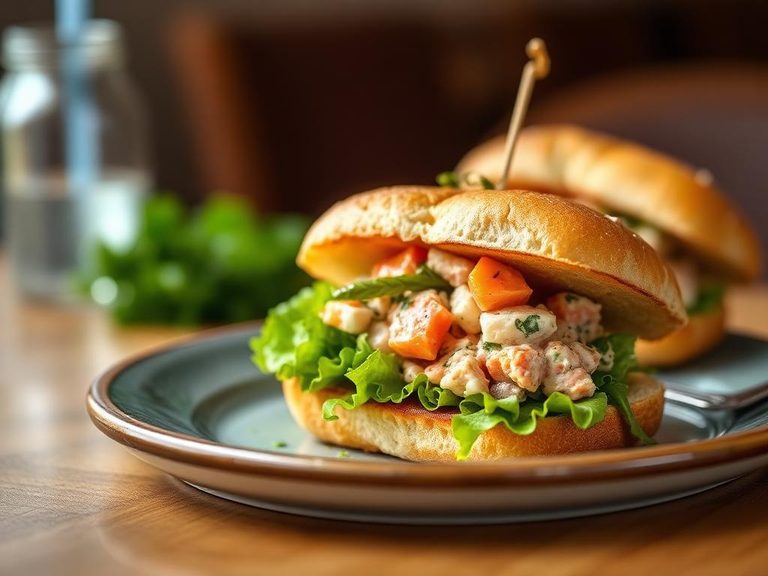
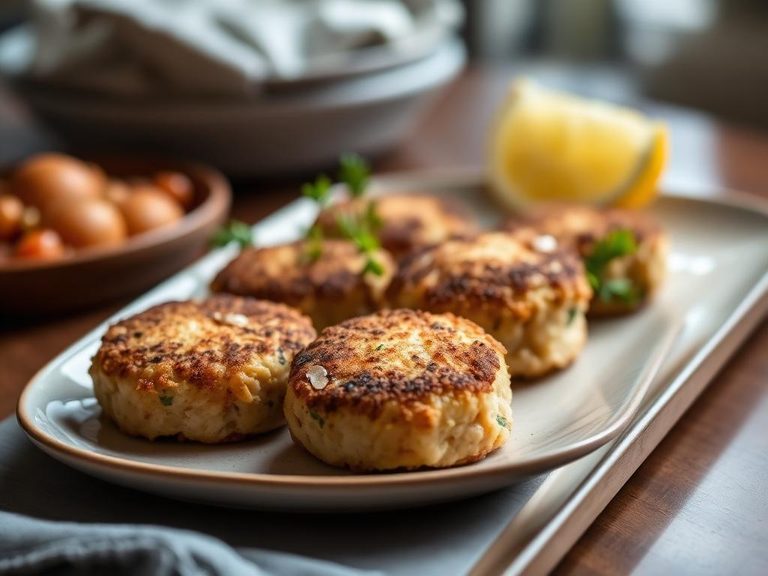
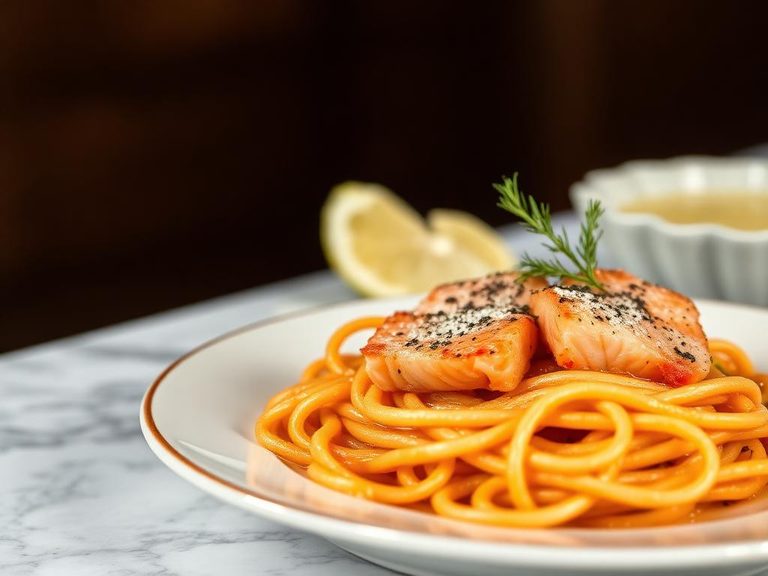
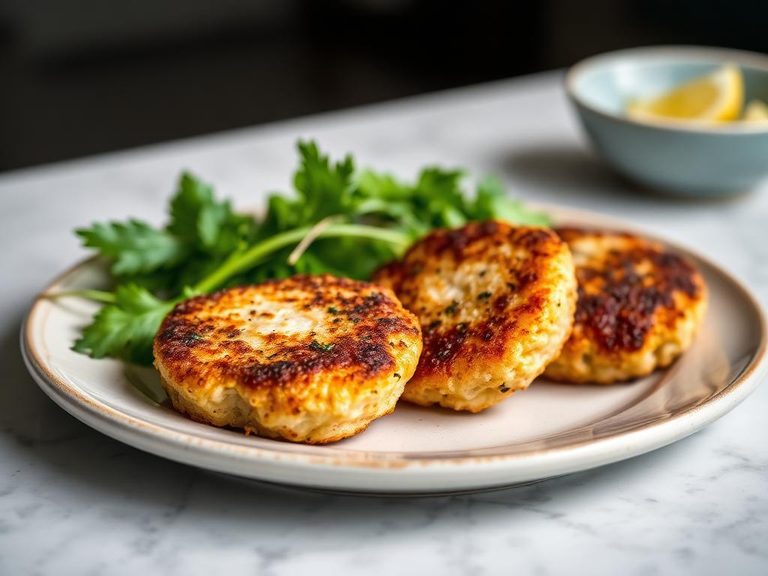
🌍 Where it's eaten
💡 Did you know?
The pink salmon's two-year life cycle is so precise that odd-numbered and even-numbered year populations rarely mix, creating distinct 'broods' that are managed as separate fisheries.
Full nutrition (USDA data · scales with serving)
| Water | 70.7 g |
| Energy | 138 kcal |
| Energy | 576 kj |
| Protein | 23.1 g |
| Total lipid (fat) | 5.0 g |
| Ash | 2.5 g |
| Carbohydrate, by difference | 0.00 g |
| Fiber, total dietary | 0.00 g |
| Total Sugars | 0.00 g |
| Calcium, Ca | 283 mg |
| Iron, Fe | 0.77 mg |
| Magnesium, Mg | 32.0 mg |
| Phosphorus, P | 379 mg |
| Potassium, K | 333 mg |
| Sodium, Na | 381 mg |
| Zinc, Zn | 0.96 mg |
| Copper, Cu | 0.08 mg |
| Manganese, Mn | 0.03 mg |
| Selenium, Se | 39.5 ug |
| Vitamin C, total ascorbic acid | 0.00 mg |
| Thiamin | 0.03 mg |
| Riboflavin | 0.20 mg |
| Niacin | 7.4 mg |
| Pantothenic acid | 0.56 mg |
| Vitamin B-6 | 0.10 mg |
| Folate, total | 4.0 ug |
| Folic acid | 0.00 ug |
| Folate, food | 4.0 ug |
| Folate, DFE | 4.0 ug |
| Choline, total | 87.8 mg |
| Betaine | 9.0 mg |
| Vitamin B-12 | 5.0 ug |
| Vitamin B-12, added | 0.00 ug |
| Vitamin A, RAE | 20.0 ug |
| Retinol | 20.0 ug |
| Carotene, beta | 0.00 ug |
| Carotene, alpha | 0.00 ug |
| Cryptoxanthin, beta | 0.00 ug |
| Vitamin A, IU | 65.0 iu |
| Lycopene | 0.00 ug |
| Lutein + zeaxanthin | 0.00 ug |
| Vitamin E (alpha-tocopherol) | 1.3 mg |
| Vitamin E, added | 0.00 mg |
| Tocopherol, beta | 0.00 mg |
| Tocopherol, gamma | 0.12 mg |
| Tocopherol, delta | 0.00 mg |
| Tocotrienol, alpha | 0.00 mg |
| Tocotrienol, beta | 0.00 mg |
| Tocotrienol, gamma | 0.00 mg |
| Tocotrienol, delta | 0.00 mg |
| Vitamin D (D2 + D3), International Units | 580 iu |
| Vitamin D (D2 + D3) | 14.5 ug |
| Vitamin D2 (ergocalciferol) | 0.00 ug |
| Vitamin D3 (cholecalciferol) | 14.5 ug |
| Vitamin K (phylloquinone) | 0.10 ug |
| Vitamin K (Dihydrophylloquinone) | 0.00 ug |
| Vitamin K (Menaquinone-4) | 0.50 ug |
| Alcohol, ethyl | 0.00 g |
| Caffeine | 0.00 mg |
| Theobromine | 0.00 mg |
Fat & fatty acid profile (per 100g)
| Fatty acids, total saturated | 0.90 g |
| SFA 4:0 | 0.00 g |
| SFA 6:0 | 0.00 g |
| SFA 8:0 | 0.00 g |
| SFA 10:0 | 0.01 g |
| SFA 12:0 | 0.00 g |
| SFA 14:0 | 0.17 g |
| SFA 15:0 | 0.02 g |
| SFA 16:0 | 0.55 g |
| SFA 17:0 | 0.02 g |
| SFA 18:0 | 0.11 g |
| SFA 20:0 | 0.01 g |
| SFA 22:0 | 0.00 g |
| SFA 24:0 | 0.00 g |
| Fatty acids, total monounsaturated | 1.2 g |
| MUFA 14:1 | 0.00 g |
| MUFA 15:1 | 0.00 g |
| MUFA 16:1 | 0.14 g |
| MUFA 16:1 c | 0.14 g |
| MUFA 17:1 | 0.01 g |
| MUFA 18:1 | 0.56 g |
| MUFA 18:1 c | 0.56 g |
| MUFA 20:1 | 0.42 g |
| MUFA 22:1 | 0.06 g |
| MUFA 22:1 c | 0.05 g |
| MUFA 24:1 c | 0.01 g |
| Fatty acids, total polyunsaturated | 1.5 g |
| PUFA 18:2 | 0.09 g |
| PUFA 18:2 n-6 c,c | 0.08 g |
| PUFA 18:2 CLAs | 0.01 g |
| PUFA 18:3 | 0.05 g |
| PUFA 18:3 n-3 c,c,c (ALA) | 0.05 g |
| PUFA 18:3 n-6 c,c,c | 0.00 g |
| PUFA 18:4 | 0.14 g |
| PUFA 20:2 n-6 c,c | 0.01 g |
| PUFA 20:3 | 0.01 g |
| PUFA 20:3 n-3 | 0.01 g |
| PUFA 20:3 n-6 | 0.01 g |
| PUFA 20:4 | 0.02 g |
| PUFA 20:5 n-3 (EPA) | 0.33 g |
| PUFA 22:4 | 0.00 g |
| PUFA 22:5 n-3 (DPA) | 0.09 g |
| PUFA 22:6 n-3 (DHA) | 0.74 g |
| Fatty acids, total trans | 0.03 g |
| Fatty acids, total trans-monoenoic | 0.02 g |
| TFA 16:1 t | 0.01 g |
| TFA 18:1 t | 0.01 g |
| TFA 22:1 t | 0.00 g |
| TFA 18:2 t not further defined | 0.01 g |
| Fatty acids, total trans-polyenoic | 0.01 g |
| Cholesterol | 83.0 mg |
Amino acid profile (per 100g)
| Tryptophan | 0.25 g |
| Threonine | 1.2 g |
| Isoleucine | 1.1 g |
| Leucine | 1.8 g |
| Lysine | 2.0 g |
| Methionine | 0.65 g |
| Cystine | 0.18 g |
| Phenylalanine | 0.95 g |
| Tyrosine | 0.83 g |
| Valine | 1.2 g |
| Arginine | 1.4 g |
| Histidine | 0.61 g |
| Alanine | 1.5 g |
| Aspartic acid | 2.9 g |
| Glutamic acid | 3.3 g |
| Glycine | 1.4 g |
| Proline | 0.98 g |
| Serine | 1.0 g |
FAQ
What's the difference between pink and red (sockeye) canned salmon?
Pink salmon is milder, leaner, and has a lighter color and softer texture. Red (sockeye) salmon is richer, oilier, has a deeper red color, and a more pronounced, robust flavor.
Is the skin and bones in the can safe to eat?
Yes, absolutely. The skin is rich in omega-3s, and the bones are a fantastic source of calcium. They are softened by the canning process and are edible, though many people choose to remove them.
How long does an opened can last in the fridge?
Once opened, transfer the salmon to an airtight container and consume within 2-3 days for optimal quality and safety.
Nutrient density (calculated · NRF9.3)
Nutrient Rich Foods index: beneficial nutrients (protein, fiber, vitamins, minerals) minus saturated fat, added sugar & sodium, per 100 kcal.
NRF9.3 index — Fulgoni, Keast & Drewnowski, 2009. Computed from USDA nutrients.
Weight-loss friendliness (composite index)
Energy density 1.38 kcal/g · 67% calories from protein · 0.0 g fiber · 0.0 g sugar per 100 g.
Composite of energy density (Rolls et al., 1999), protein & fiber satiety, minus sugar. A calculated heuristic — ranks satiety-per-calorie, not a clinical measure.
Dietary load (calculated from USDA values)
Potential renal acid load. Positive = acid-forming, negative = alkaline-forming.
Sodium-to-potassium ratio: 1.14 (lower is better — aim for ≤ 1)
Sodium:potassium per WHO potassium guidance. Computed from USDA nutrients.