

Edamame, frozen, prepared
Whole food · Vegetables and Vegetable Products

Photo: Wikipedia
These are young, green soybeans harvested before they harden, typically sold frozen and boiled or steamed. They offer a satisfying pop from the bright green beans, revealing a creamy, slightly sweet, and nutty interior. Nutritionally, they are a standout, delivering a complete plant-based protein punch with significant fiber.
Calorie split: 37% protein · 27% carbs · 36% fat
↓ Full nutrition💚 Why it's loved
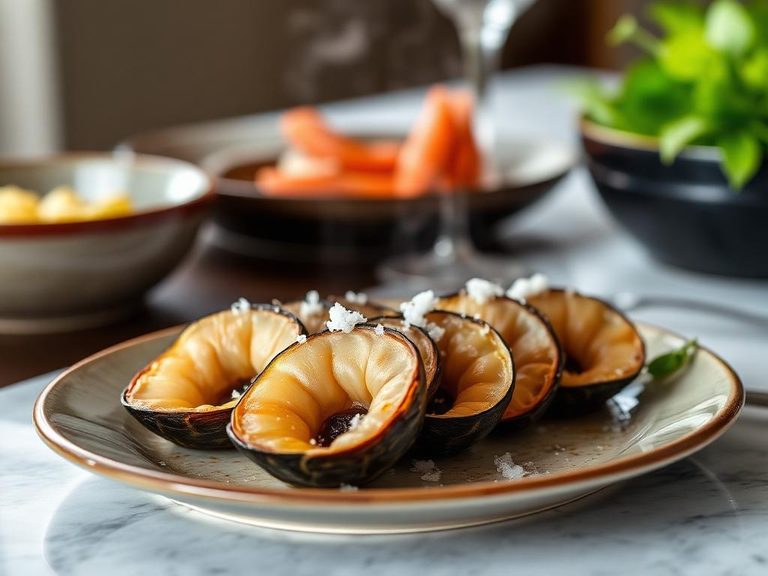
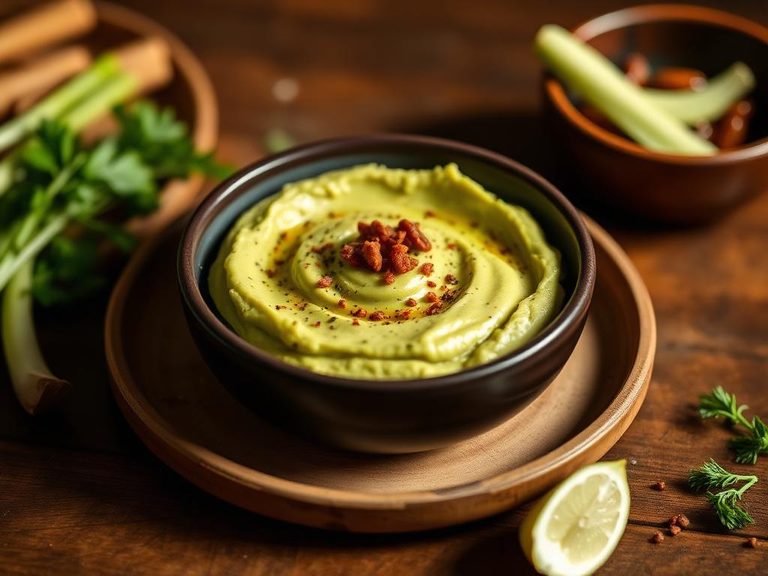
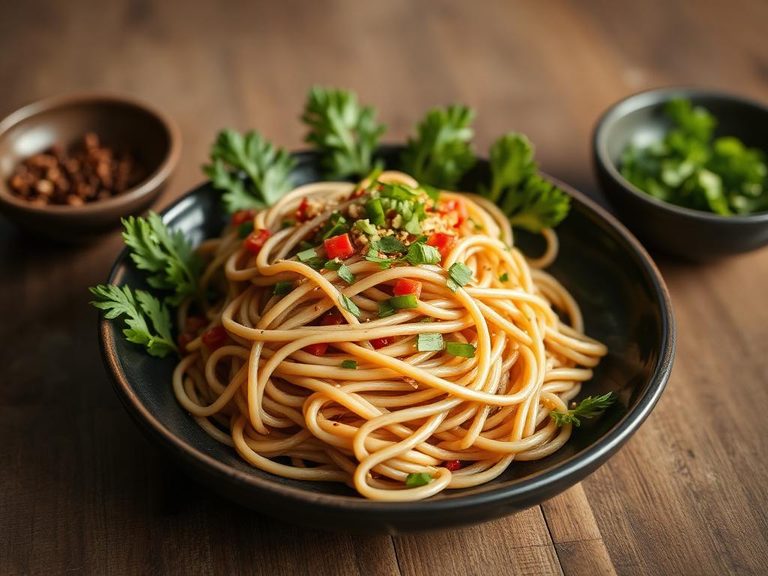
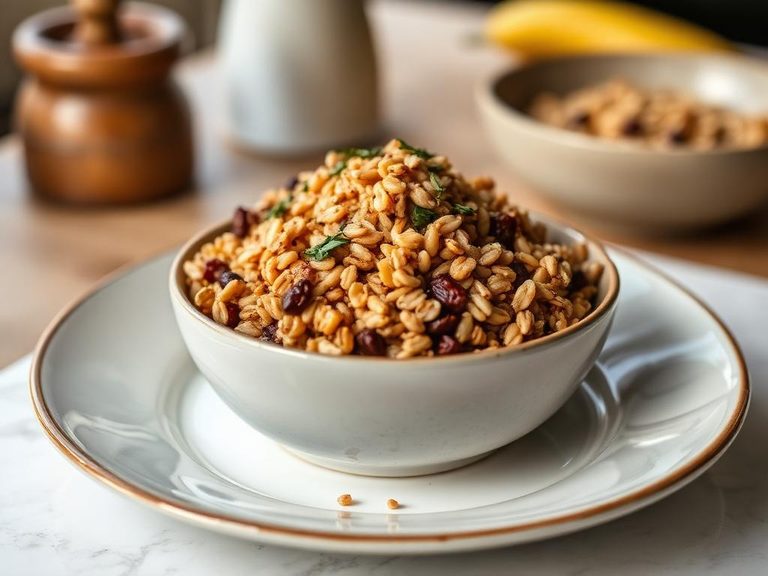
People love edamame for its addictive, savory snack quality—the ritual of popping the beans from the pod is half the fun. It's a versatile staple, equally at home as a chilled appetizer with sea salt, a vibrant addition to salads, or a protein boost in stir-fries.
⚠️ Watch-outs & how to enjoy it better
Edamame is a common soy allergen, so it must be avoided by those with soy sensitivities. The high fiber content can cause digestive discomfort like bloating if eaten in large quantities, especially for those not accustomed to it. To mitigate this, start with a smaller portion and drink plenty of water. Also, opt for low-sodium preparation or rinse frozen varieties to control salt intake.
Key benefits
- Excellent source of complete plant-based protein
- High in dietary fiber for digestive health
- Rich in folate, vitamin K, and manganese
- Contains isoflavones, a type of antioxidant
- Naturally low in calories and sugar
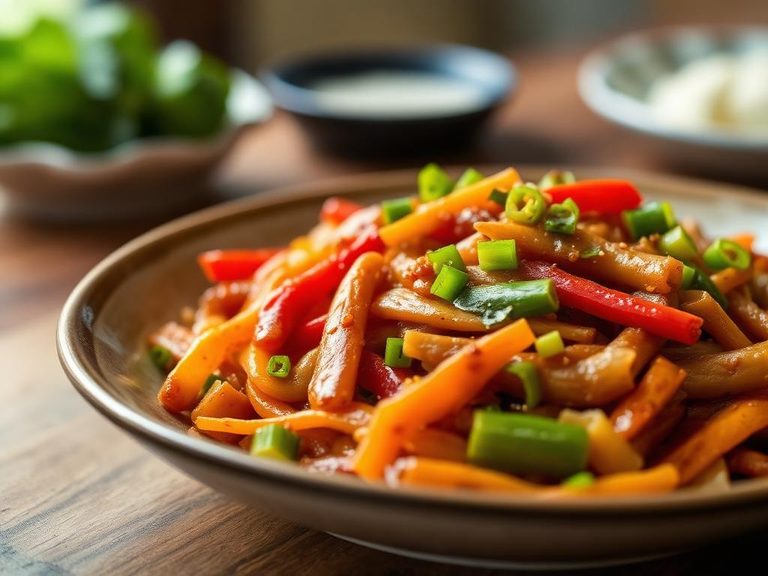
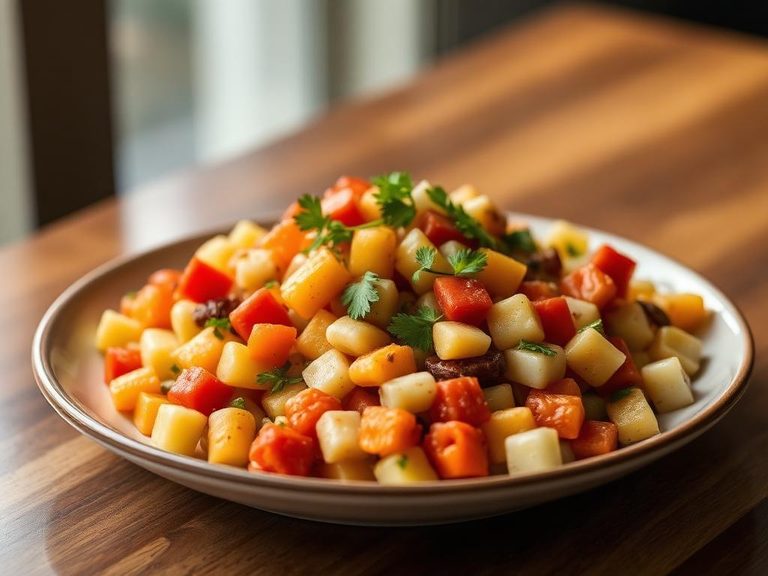
🍽️ Popular dishes
🌍 Where it's eaten
💡 Did you know?
The term 'edamame' is Japanese, literally meaning 'stem bean' (枝豆), because the beans were traditionally sold still attached to the plant's stem.
Full nutrition (USDA data · scales with serving)
| Water | 72.8 g |
| Energy | 121 kcal |
| Energy | 507 kj |
| Protein | 11.9 g |
| Total lipid (fat) | 5.2 g |
| Ash | 1.2 g |
| Carbohydrate, by difference | 8.9 g |
| Fiber, total dietary | 5.2 g |
| Total Sugars | 2.2 g |
| Sucrose | 1.1 g |
| Glucose | 0.00 g |
| Fructose | 0.12 g |
| Lactose | 0.00 g |
| Maltose | 0.95 g |
| Galactose | 0.00 g |
| Starch | 1.5 g |
| Calcium, Ca | 63.0 mg |
| Iron, Fe | 2.3 mg |
| Magnesium, Mg | 64.0 mg |
| Phosphorus, P | 169 mg |
| Potassium, K | 436 mg |
| Sodium, Na | 6.0 mg |
| Zinc, Zn | 1.4 mg |
| Copper, Cu | 0.34 mg |
| Manganese, Mn | 1.0 mg |
| Selenium, Se | 0.80 ug |
| Vitamin C, total ascorbic acid | 6.1 mg |
| Thiamin | 0.20 mg |
| Riboflavin | 0.15 mg |
| Niacin | 0.92 mg |
| Pantothenic acid | 0.40 mg |
| Vitamin B-6 | 0.10 mg |
| Folate, total | 311 ug |
| Folic acid | 0.00 ug |
| Folate, food | 311 ug |
| Folate, DFE | 311 ug |
| Choline, total | 56.3 mg |
| Betaine | 4.5 mg |
| Vitamin B-12 | 0.00 ug |
| Vitamin B-12, added | 0.00 ug |
| Vitamin A, RAE | 15.0 ug |
| Retinol | 0.00 ug |
| Carotene, beta | 175 ug |
| Carotene, alpha | 0.00 ug |
| Cryptoxanthin, beta | 8.0 ug |
| Vitamin A, IU | 298 iu |
| Lycopene | 0.00 ug |
| Lutein + zeaxanthin | 1619 ug |
| Vitamin E (alpha-tocopherol) | 0.68 mg |
| Vitamin E, added | 0.00 mg |
| Tocopherol, beta | 0.06 mg |
| Tocopherol, gamma | 5.9 mg |
| Tocopherol, delta | 3.6 mg |
| Tocotrienol, alpha | 0.02 mg |
| Tocotrienol, beta | 0.00 mg |
| Tocotrienol, gamma | 0.00 mg |
| Tocotrienol, delta | 0.00 mg |
| Vitamin D (D2 + D3), International Units | 0.00 iu |
| Vitamin D (D2 + D3) | 0.00 ug |
| Vitamin K (phylloquinone) | 26.7 ug |
| Vitamin K (Dihydrophylloquinone) | 0.00 ug |
| Vitamin K (Menaquinone-4) | 0.00 ug |
| Alcohol, ethyl | 0.00 g |
| Caffeine | 0.00 mg |
| Theobromine | 0.00 mg |
Fat & fatty acid profile (per 100g)
| Fatty acids, total saturated | 0.62 g |
| SFA 4:0 | 0.00 g |
| SFA 6:0 | 0.00 g |
| SFA 8:0 | 0.00 g |
| SFA 10:0 | 0.00 g |
| SFA 12:0 | 0.00 g |
| SFA 14:0 | 0.00 g |
| SFA 15:0 | 0.00 g |
| SFA 16:0 | 0.44 g |
| SFA 17:0 | 0.00 g |
| SFA 18:0 | 0.14 g |
| SFA 20:0 | 0.01 g |
| SFA 22:0 | 0.01 g |
| SFA 24:0 | 0.01 g |
| Fatty acids, total monounsaturated | 1.3 g |
| MUFA 14:1 | 0.00 g |
| MUFA 15:1 | 0.00 g |
| MUFA 16:1 | 0.00 g |
| MUFA 16:1 c | 0.00 g |
| MUFA 17:1 | 0.00 g |
| MUFA 18:1 | 1.3 g |
| MUFA 18:1 c | 1.3 g |
| MUFA 20:1 | 0.01 g |
| MUFA 22:1 | 0.00 g |
| MUFA 24:1 c | 0.00 g |
| Fatty acids, total polyunsaturated | 2.2 g |
| PUFA 18:2 | 1.8 g |
| PUFA 18:2 n-6 c,c | 1.8 g |
| PUFA 18:2 CLAs | 0.00 g |
| PUFA 18:3 | 0.36 g |
| PUFA 18:3 n-3 c,c,c (ALA) | 0.36 g |
| PUFA 18:3 n-6 c,c,c | 0.00 g |
| PUFA 18:4 | 0.00 g |
| PUFA 20:2 n-6 c,c | 0.00 g |
| PUFA 20:3 | 0.00 g |
| PUFA 20:3 n-3 | 0.00 g |
| PUFA 20:3 n-6 | 0.00 g |
| PUFA 20:4 | 0.00 g |
| PUFA 20:5 n-3 (EPA) | 0.00 g |
| PUFA 22:4 | 0.00 g |
| PUFA 22:5 n-3 (DPA) | 0.00 g |
| PUFA 22:6 n-3 (DHA) | 0.00 g |
| Fatty acids, total trans | 0.01 g |
| Fatty acids, total trans-monoenoic | 0.01 g |
| TFA 16:1 t | 0.00 g |
| TFA 18:1 t | 0.00 g |
| TFA 22:1 t | 0.00 g |
| TFA 18:2 t not further defined | 0.00 g |
| Fatty acids, total trans-polyenoic | 0.00 g |
| Cholesterol | 0.00 mg |
Amino acid profile (per 100g)
| Tryptophan | 0.13 g |
| Threonine | 0.33 g |
| Isoleucine | 0.30 g |
| Leucine | 0.74 g |
| Lysine | 0.74 g |
| Methionine | 0.14 g |
| Cystine | 0.12 g |
| Phenylalanine | 0.49 g |
| Tyrosine | 0.34 g |
| Valine | 0.32 g |
| Arginine | 0.72 g |
| Histidine | 0.27 g |
| Alanine | 0.45 g |
| Aspartic acid | 1.3 g |
| Glutamic acid | 2.0 g |
| Glycine | 0.43 g |
| Proline | 0.69 g |
| Serine | 0.67 g |
| Hydroxyproline | 0.00 g |
FAQ
Do I need to cook frozen edamame?
Yes, frozen edamame is typically blanched but not fully cooked. Boil, steam, or microwave it until tender and heated through, usually 3-5 minutes, before eating.
What's the difference between edamame and regular soybeans?
Edamame are soybeans harvested while young and green, when the pods and beans are still tender and sweet. Mature soybeans are hard, yellow, and used for products like tofu, soy milk, and oil.
Is edamame good for weight management?
Its high protein and fiber content promote satiety, helping you feel full longer, which can aid in weight management as part of a balanced diet.
Nutrient density (calculated · NRF9.3)
Nutrient Rich Foods index: beneficial nutrients (protein, fiber, vitamins, minerals) minus saturated fat, added sugar & sodium, per 100 kcal.
NRF9.3 index — Fulgoni, Keast & Drewnowski, 2009. Computed from USDA nutrients.
Weight-loss friendliness (composite index)
Energy density 1.21 kcal/g · 39% calories from protein · 5.2 g fiber · 2.2 g sugar per 100 g.
Composite of energy density (Rolls et al., 1999), protein & fiber satiety, minus sugar. A calculated heuristic — ranks satiety-per-calorie, not a clinical measure.
Dietary load (calculated from USDA values)
Potential renal acid load. Positive = acid-forming, negative = alkaline-forming.
Sodium-to-potassium ratio: 0.01 (lower is better — aim for ≤ 1)
Sodium:potassium per WHO potassium guidance. Computed from USDA nutrients.