

Turkey, ground, 85% lean, 15% fat, pan-broiled crumbles
Whole food · Poultry Products

Photo: Wikipedia
Pan-broiled ground turkey crumbles are a lean, savory protein staple with a mild, slightly sweet flavor and a satisfying, crumbly texture when cooked. With 25g of protein per 100g and zero carbs, it's a powerhouse for muscle maintenance and low-carb diets. The 15% fat content provides juiciness and flavor without being overly greasy.
Calorie split: 39% protein · 0% carbs · 61% fat
↓ Full nutrition💚 Why it's loved
People love it for its incredible versatility—it readily absorbs seasonings and can seamlessly replace ground beef in tacos, pasta sauces, and casseroles. Its mild flavor makes it a family-friendly protein that's easy to prepare and pairs well with bold spices or simple herbs.
⚠️ Watch-outs & how to enjoy it better
As a lean meat, it can become dry and bland if overcooked. To counter this, cook just until no longer pink and consider adding a splash of broth or a small amount of healthy fat like olive oil during cooking. Those monitoring sodium intake should check labels, as pre-seasoned varieties can be high in salt.
Key benefits
- High-quality complete protein for muscle repair and satiety
- Excellent source of selenium, a key antioxidant mineral
- Rich in B vitamins, especially niacin (B3) and B6 for energy metabolism
- Lower in saturated fat than many ground beef options
- Versatile base for countless quick weeknight meals
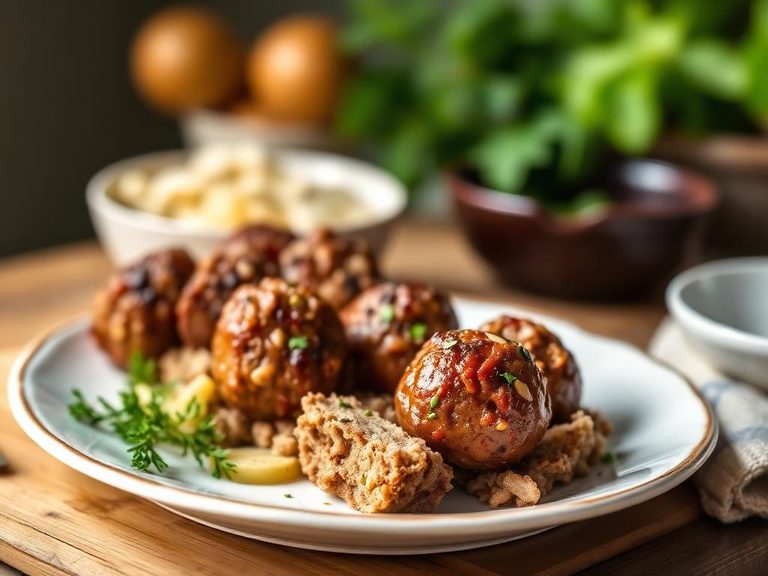
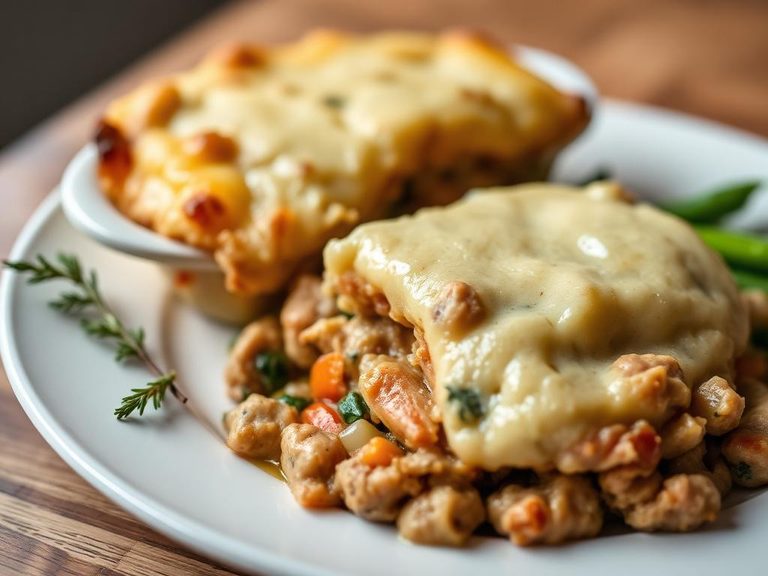
🍽️ Popular dishes
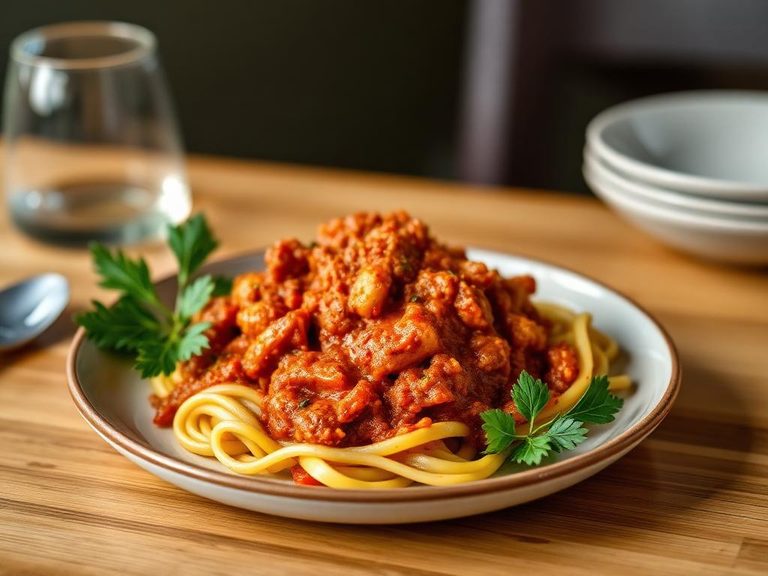
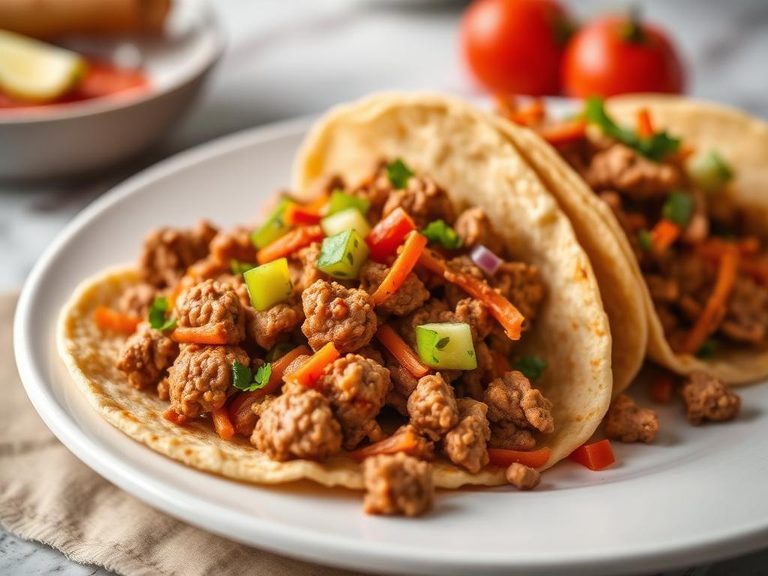
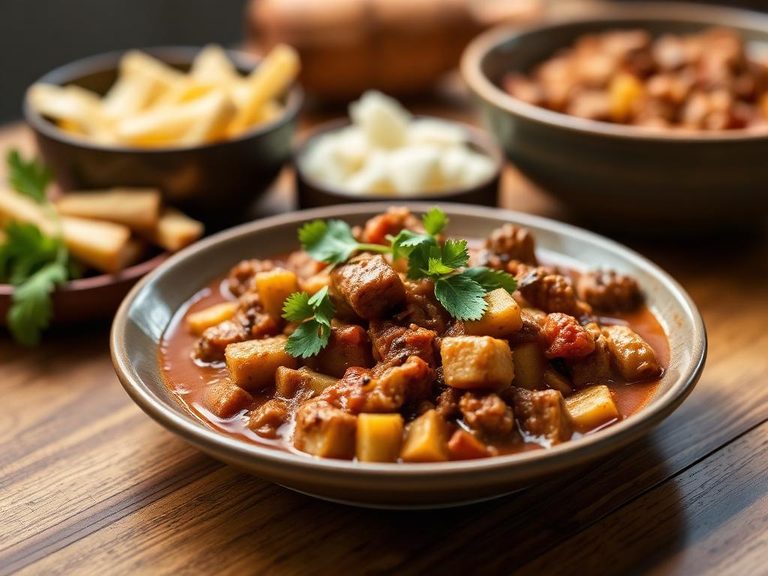
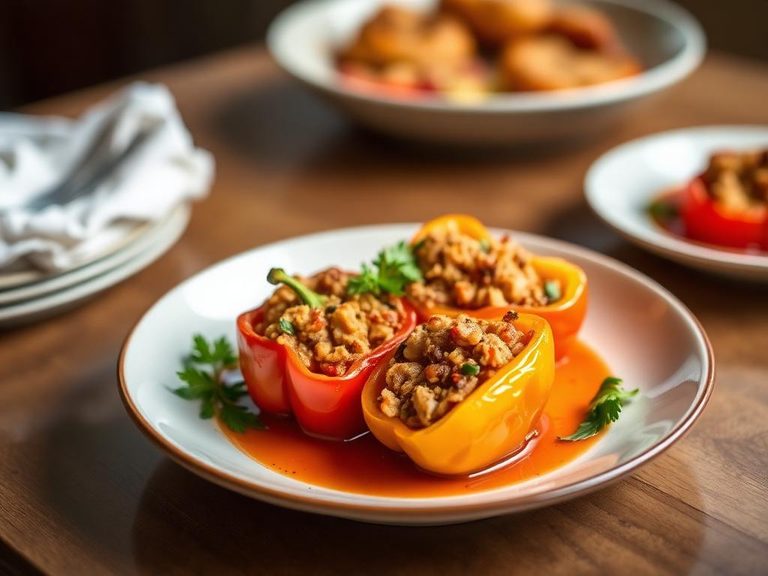
🌍 Where it's eaten
💡 Did you know?
Ground turkey is often a blend of both dark and light meat from the bird, which is why it has more fat and flavor than ground turkey breast alone.
Full nutrition (USDA data · scales with serving)
| Water | 56.7 g |
| Energy | 258 kcal |
| Energy | 1077 kj |
| Protein | 25.1 g |
| Total lipid (fat) | 17.4 g |
| Ash | 1.3 g |
| Carbohydrate, by difference | 0.00 g |
| Fiber, total dietary | 0.00 g |
| Total Sugars | 0.00 g |
| Calcium, Ca | 49.0 mg |
| Iron, Fe | 2.0 mg |
| Magnesium, Mg | 28.0 mg |
| Phosphorus, P | 263 mg |
| Potassium, K | 276 mg |
| Sodium, Na | 85.0 mg |
| Zinc, Zn | 3.6 mg |
| Copper, Cu | 0.19 mg |
| Manganese, Mn | 0.01 mg |
| Selenium, Se | 36.1 ug |
| Vitamin C, total ascorbic acid | 0.00 mg |
| Thiamin | 0.08 mg |
| Riboflavin | 0.26 mg |
| Niacin | 7.7 mg |
| Pantothenic acid | 1.4 mg |
| Vitamin B-6 | 0.46 mg |
| Folate, total | 7.0 ug |
| Folic acid | 0.00 ug |
| Folate, food | 7.0 ug |
| Folate, DFE | 7.0 ug |
| Choline, total | 76.7 mg |
| Betaine | 9.5 mg |
| Vitamin B-12 | 1.6 ug |
| Vitamin B-12, added | 0.00 ug |
| Vitamin A, RAE | 35.0 ug |
| Retinol | 35.0 ug |
| Carotene, beta | 0.00 ug |
| Carotene, alpha | 0.00 ug |
| Cryptoxanthin, beta | 0.00 ug |
| Vitamin A, IU | 117 iu |
| Lycopene | 0.00 ug |
| Lutein + zeaxanthin | 0.00 ug |
| Vitamin E (alpha-tocopherol) | 0.09 mg |
| Vitamin E, added | 0.00 mg |
| Tocopherol, beta | 0.00 mg |
| Tocopherol, gamma | 0.09 mg |
| Tocopherol, delta | 0.01 mg |
| Tocotrienol, alpha | 0.04 mg |
| Tocotrienol, beta | 0.00 mg |
| Tocotrienol, gamma | 0.06 mg |
| Tocotrienol, delta | 0.00 mg |
| Vitamin D (D2 + D3), International Units | 8.0 iu |
| Vitamin D (D2 + D3) | 0.20 ug |
| Vitamin D3 (cholecalciferol) | 0.20 ug |
| Vitamin K (phylloquinone) | 0.00 ug |
| Alcohol, ethyl | 0.00 g |
| Caffeine | 0.00 mg |
| Theobromine | 0.00 mg |
Fat & fatty acid profile (per 100g)
| Fatty acids, total saturated | 4.6 g |
| SFA 4:0 | 0.00 g |
| SFA 6:0 | 0.00 g |
| SFA 8:0 | 0.00 g |
| SFA 10:0 | 0.01 g |
| SFA 12:0 | 0.03 g |
| SFA 14:0 | 0.16 g |
| SFA 15:0 | 0.03 g |
| SFA 16:0 | 3.0 g |
| SFA 17:0 | 0.05 g |
| SFA 18:0 | 1.2 g |
| SFA 20:0 | 0.02 g |
| SFA 22:0 | 0.01 g |
| SFA 24:0 | 0.00 g |
| Fatty acids, total monounsaturated | 6.0 g |
| MUFA 14:1 | 0.02 g |
| MUFA 15:1 | 0.00 g |
| MUFA 16:1 | 0.48 g |
| MUFA 16:1 c | 0.47 g |
| MUFA 17:1 | 0.03 g |
| MUFA 18:1 | 5.4 g |
| MUFA 18:1 c | 5.2 g |
| MUFA 20:1 | 0.07 g |
| MUFA 22:1 | 0.00 g |
| MUFA 22:1 c | 0.00 g |
| MUFA 24:1 c | 0.02 g |
| Fatty acids, total polyunsaturated | 4.6 g |
| PUFA 18:2 | 4.1 g |
| PUFA 18:2 n-6 c,c | 4.1 g |
| PUFA 18:2 CLAs | 0.03 g |
| PUFA 18:3 | 0.23 g |
| PUFA 18:3 n-3 c,c,c (ALA) | 0.21 g |
| PUFA 18:3 n-6 c,c,c | 0.01 g |
| PUFA 18:3i | 0.00 g |
| PUFA 18:4 | 0.00 g |
| PUFA 20:2 n-6 c,c | 0.03 g |
| PUFA 20:3 | 0.02 g |
| PUFA 20:3 n-3 | 0.00 g |
| PUFA 20:3 n-6 | 0.02 g |
| PUFA 20:4 | 0.14 g |
| PUFA 20:5 n-3 (EPA) | 0.02 g |
| PUFA 22:4 | 0.02 g |
| PUFA 22:5 n-3 (DPA) | 0.01 g |
| PUFA 22:6 n-3 (DHA) | 0.01 g |
| Fatty acids, total trans | 0.24 g |
| Fatty acids, total trans-monoenoic | 0.19 g |
| TFA 16:1 t | 0.01 g |
| TFA 18:1 t | 0.18 g |
| TFA 22:1 t | 0.00 g |
| TFA 18:2 t not further defined | 0.05 g |
| Fatty acids, total trans-polyenoic | 0.05 g |
| Cholesterol | 106 mg |
Amino acid profile (per 100g)
| Tryptophan | 0.29 g |
| Threonine | 1.2 g |
| Isoleucine | 1.1 g |
| Leucine | 2.1 g |
| Lysine | 2.3 g |
| Methionine | 0.74 g |
| Cystine | 0.27 g |
| Phenylalanine | 0.98 g |
| Tyrosine | 0.89 g |
| Valine | 1.2 g |
| Arginine | 1.8 g |
| Histidine | 0.74 g |
| Alanine | 1.6 g |
| Aspartic acid | 2.4 g |
| Glutamic acid | 4.0 g |
| Glycine | 1.4 g |
| Proline | 1.1 g |
| Serine | 1.1 g |
| Hydroxyproline | 0.21 g |
FAQ
Is ground turkey healthier than ground beef?
Generally, yes. Lean ground turkey (like this 85/15) is typically lower in saturated fat and calories than regular ground beef (80/20), while providing comparable protein. However, the nutritional advantage depends on the specific lean percentages of each.
Why does my ground turkey taste bland?
Turkey has a milder flavor than beef. Boost its taste by sautéing with onions and garlic, using umami-rich ingredients like soy sauce or tomato paste, and seasoning generously with herbs and spices like cumin, paprika, or Italian seasoning.
How do I prevent it from clumping when browning?
Use a wide skillet over medium-high heat. Add the turkey and immediately begin breaking it up with a wooden spoon or spatula. Work quickly to separate the pieces as they cook to achieve fine, even crumbles.
Nutrient density (calculated · NRF9.3)
Nutrient Rich Foods index: beneficial nutrients (protein, fiber, vitamins, minerals) minus saturated fat, added sugar & sodium, per 100 kcal.
NRF9.3 index — Fulgoni, Keast & Drewnowski, 2009. Computed from USDA nutrients.
Weight-loss friendliness (composite index)
Energy density 2.58 kcal/g · 39% calories from protein · 0.0 g fiber · 0.0 g sugar per 100 g.
Composite of energy density (Rolls et al., 1999), protein & fiber satiety, minus sugar. A calculated heuristic — ranks satiety-per-calorie, not a clinical measure.
Dietary load (calculated from USDA values)
Potential renal acid load. Positive = acid-forming, negative = alkaline-forming.
Sodium-to-potassium ratio: 0.31 (lower is better — aim for ≤ 1)
Sodium:potassium per WHO potassium guidance. Computed from USDA nutrients.