

Spices, parsley, dried
Whole food · Spices and Herbs

Photo: Wikipedia
Dried parsley is the dehydrated, concentrated form of the fresh herb, offering a potent, earthy, and slightly peppery flavor with a fine, crumbly texture. It is a nutritional powerhouse, exceptionally high in fiber and protein for a spice, making it a surprisingly dense source of plant-based nutrients.
Calorie split: 30% protein · 57% carbs · 14% fat
↓ Full nutrition💚 Why it's loved
People love dried parsley for its ability to deliver a concentrated burst of fresh, herbaceous flavor year-round, acting as a versatile flavor enhancer in countless dishes. It's a staple in spice racks worldwide, valued for its ability to brighten soups, stews, and sauces without overpowering other ingredients.
⚠️ Watch-outs & how to enjoy it better
Due to its extremely high fiber content, consuming large amounts can cause digestive discomfort or bloating in some individuals. To counteract this, start with small portions, ensure adequate water intake, and consider it as a seasoning rather than a primary ingredient. Those on blood-thinning medication should be mindful of its high vitamin K content and maintain consistent intake.
Key benefits
- Exceptionally high in dietary fiber (26.7g per 100g).
- Rich in plant-based protein (26.63g per 100g).
- Good source of antioxidants like flavonoids and carotenoids.
- Contains vitamins A, C, and K, crucial for vision and blood clotting.
- Low in fat and sugar, adding flavor without excess calories.
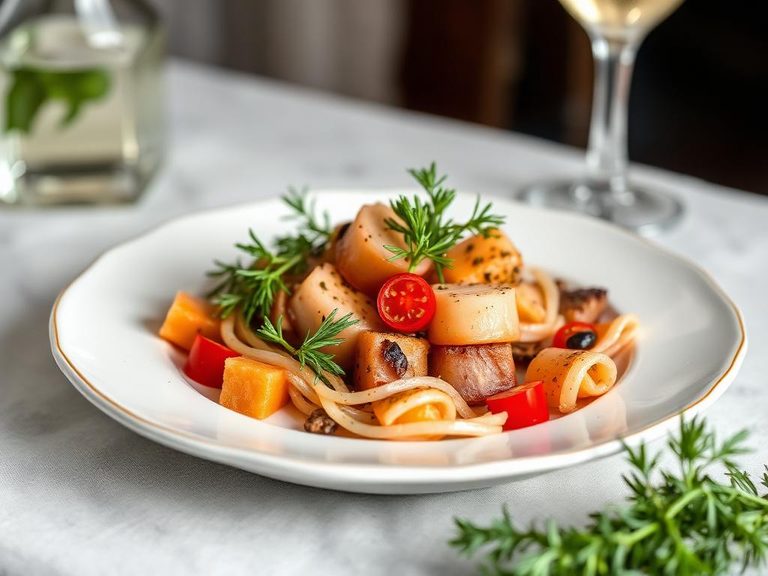
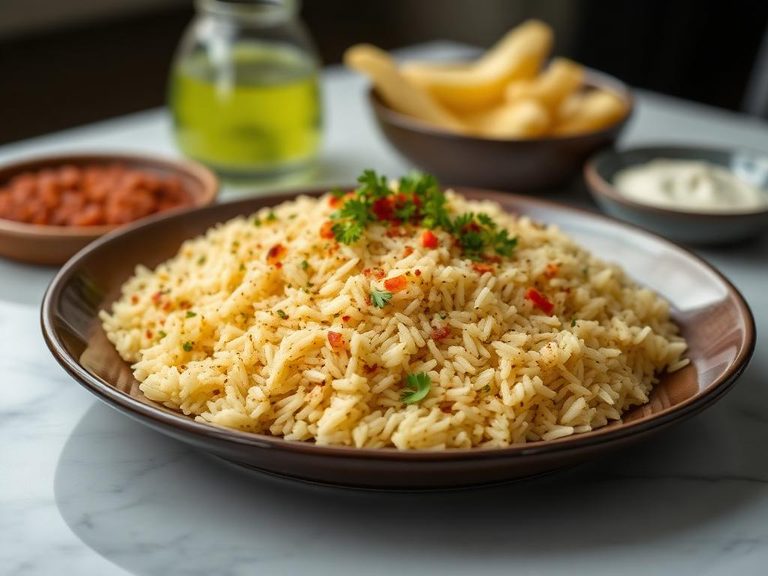
🍽️ Popular dishes
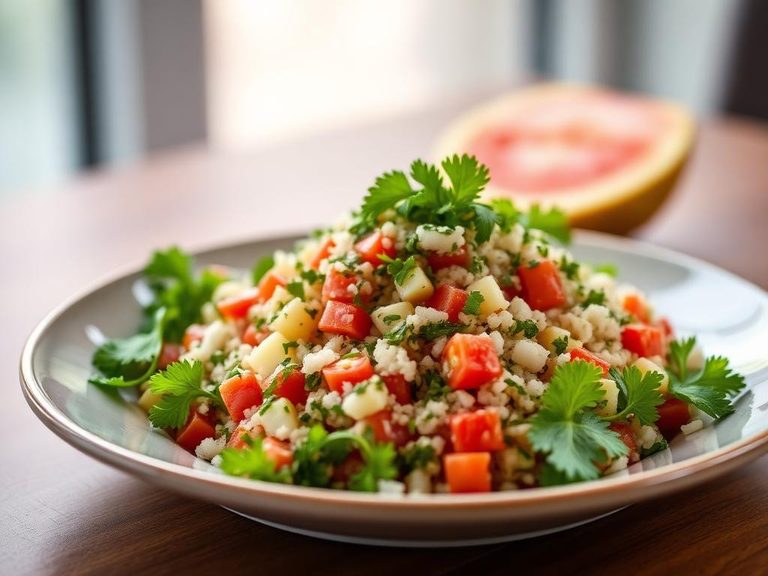
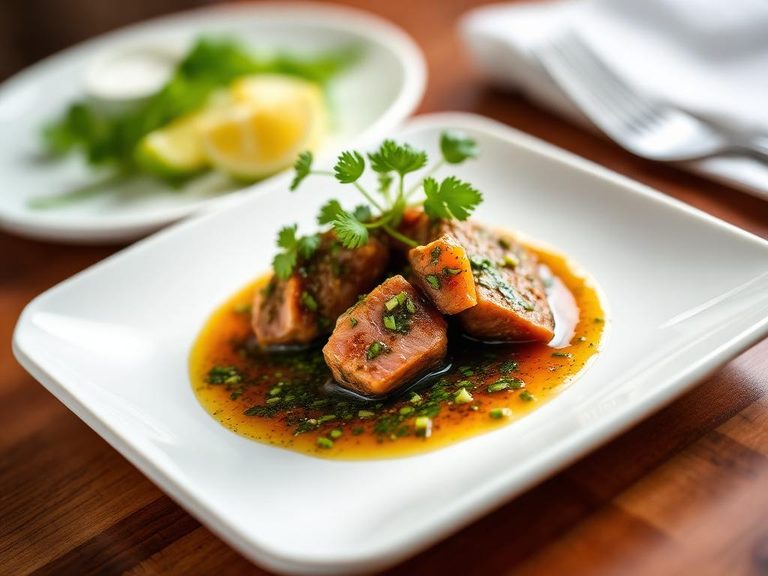
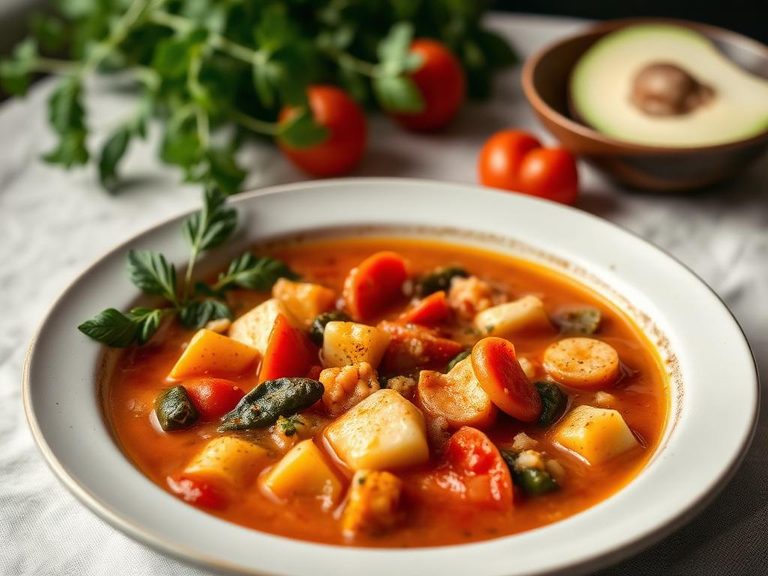
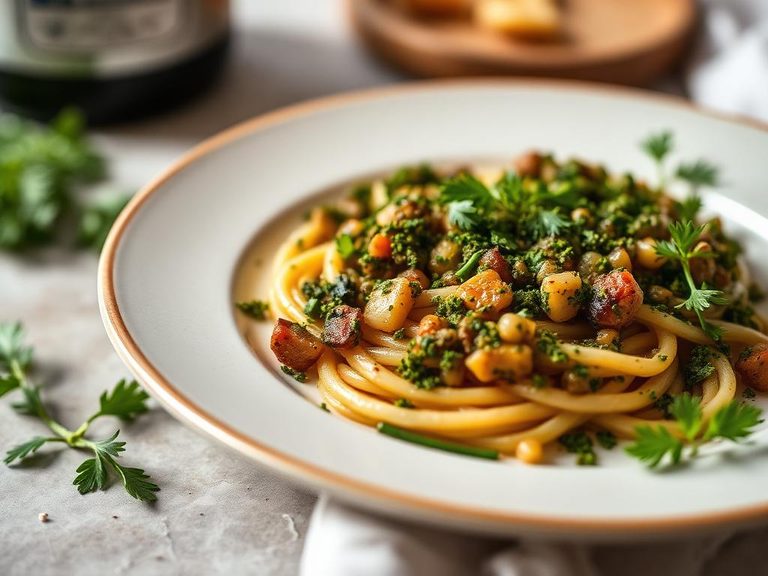
🌍 Where it's eaten
💡 Did you know?
Dried parsley retains a surprisingly high amount of its original vitamin C content, which is often lost in the drying process for many other herbs.
Full nutrition (USDA data · scales with serving)
| Water | 5.9 g |
| Energy | 292 kcal |
| Energy | 1220 kj |
| Protein | 26.6 g |
| Total lipid (fat) | 5.5 g |
| Ash | 11.4 g |
| Carbohydrate, by difference | 50.6 g |
| Fiber, total dietary | 26.7 g |
| Total Sugars | 7.3 g |
| Sucrose | 4.1 g |
| Glucose | 2.8 g |
| Fructose | 0.42 g |
| Lactose | 0.00 g |
| Maltose | 0.00 g |
| Galactose | 0.00 g |
| Calcium, Ca | 1140 mg |
| Iron, Fe | 22.0 mg |
| Magnesium, Mg | 400 mg |
| Phosphorus, P | 436 mg |
| Potassium, K | 2683 mg |
| Sodium, Na | 452 mg |
| Zinc, Zn | 5.4 mg |
| Copper, Cu | 0.78 mg |
| Manganese, Mn | 9.8 mg |
| Selenium, Se | 14.1 ug |
| Vitamin C, total ascorbic acid | 125 mg |
| Thiamin | 0.20 mg |
| Riboflavin | 2.4 mg |
| Niacin | 9.9 mg |
| Pantothenic acid | 1.1 mg |
| Vitamin B-6 | 0.90 mg |
| Folate, total | 180 ug |
| Folic acid | 0.00 ug |
| Folate, food | 180 ug |
| Folate, DFE | 180 ug |
| Choline, total | 97.1 mg |
| Betaine | 1.7 mg |
| Vitamin B-12 | 0.00 ug |
| Vitamin B-12, added | 0.00 ug |
| Vitamin A, RAE | 97.0 ug |
| Retinol | 0.00 ug |
| Carotene, beta | 1152 ug |
| Carotene, alpha | 17.0 ug |
| Cryptoxanthin, beta | 4.0 ug |
| Vitamin A, IU | 1939 iu |
| Lycopene | 0.00 ug |
| Lutein + zeaxanthin | 2428 ug |
| Vitamin E (alpha-tocopherol) | 9.0 mg |
| Vitamin E, added | 0.00 mg |
| Tocopherol, beta | 0.02 mg |
| Tocopherol, gamma | 1.5 mg |
| Tocopherol, delta | 0.00 mg |
| Tocotrienol, alpha | 0.00 mg |
| Tocotrienol, beta | 0.00 mg |
| Tocotrienol, gamma | 0.00 mg |
| Tocotrienol, delta | 0.00 mg |
| Vitamin D (D2 + D3), International Units | 0.00 iu |
| Vitamin D (D2 + D3) | 0.00 ug |
| Vitamin K (phylloquinone) | 1360 ug |
| Vitamin K (Dihydrophylloquinone) | 0.00 ug |
| Alcohol, ethyl | 0.00 g |
| Caffeine | 0.00 mg |
| Theobromine | 0.00 mg |
Fat & fatty acid profile (per 100g)
| Fatty acids, total saturated | 1.4 g |
| SFA 4:0 | 0.00 g |
| SFA 6:0 | 0.00 g |
| SFA 8:0 | 0.00 g |
| SFA 10:0 | 0.00 g |
| SFA 12:0 | 0.00 g |
| SFA 13:0 | 0.00 g |
| SFA 14:0 | 0.00 g |
| SFA 15:0 | 0.00 g |
| SFA 16:0 | 1.2 g |
| SFA 17:0 | 0.00 g |
| SFA 18:0 | 0.06 g |
| SFA 20:0 | 0.01 g |
| SFA 22:0 | 0.03 g |
| SFA 24:0 | 0.06 g |
| Fatty acids, total monounsaturated | 0.76 g |
| MUFA 14:1 | 0.00 g |
| MUFA 15:1 | 0.00 g |
| MUFA 16:1 | 0.00 g |
| MUFA 16:1 c | 0.00 g |
| MUFA 17:1 | 0.00 g |
| MUFA 18:1 | 0.76 g |
| MUFA 18:1 c | 0.76 g |
| MUFA 20:1 | 0.00 g |
| MUFA 22:1 | 0.00 g |
| MUFA 22:1 c | 0.00 g |
| MUFA 24:1 c | 0.00 g |
| Fatty acids, total polyunsaturated | 3.1 g |
| PUFA 18:2 | 1.2 g |
| PUFA 18:2 n-6 c,c | 1.2 g |
| PUFA 18:2 CLAs | 0.00 g |
| PUFA 18:3 | 1.9 g |
| PUFA 18:3 n-3 c,c,c (ALA) | 1.9 g |
| PUFA 18:3 n-6 c,c,c | 0.02 g |
| PUFA 18:4 | 0.00 g |
| PUFA 20:2 n-6 c,c | 0.00 g |
| PUFA 20:3 | 0.00 g |
| PUFA 20:3 n-3 | 0.00 g |
| PUFA 20:3 n-6 | 0.00 g |
| PUFA 20:4 | 0.00 g |
| PUFA 20:5 n-3 (EPA) | 0.00 g |
| PUFA 22:4 | 0.00 g |
| PUFA 22:5 n-3 (DPA) | 0.00 g |
| PUFA 22:6 n-3 (DHA) | 0.00 g |
| Fatty acids, total trans | 0.00 g |
| Fatty acids, total trans-monoenoic | 0.00 g |
| TFA 16:1 t | 0.00 g |
| TFA 18:1 t | 0.00 g |
| TFA 22:1 t | 0.00 g |
| Cholesterol | 0.00 mg |
Amino acid profile (per 100g)
| Tryptophan | 0.47 g |
| Threonine | 1.2 g |
| Isoleucine | 1.5 g |
| Leucine | 2.8 g |
| Lysine | 2.1 g |
| Methionine | 0.60 g |
| Cystine | 0.30 g |
| Phenylalanine | 1.7 g |
| Tyrosine | 1.2 g |
| Valine | 2.0 g |
| Arginine | 1.8 g |
| Histidine | 0.72 g |
| Alanine | 1.8 g |
| Aspartic acid | 3.2 g |
| Glutamic acid | 3.7 g |
| Glycine | 1.8 g |
| Proline | 2.0 g |
| Serine | 1.2 g |
| Hydroxyproline | 0.00 g |
FAQ
How does dried parsley compare nutritionally to fresh?
Dried parsley is far more concentrated by weight. Per 100g, it contains significantly more fiber, protein, and most vitamins than fresh parsley, which has a high water content. However, fresh parsley may have more volatile oils and a brighter flavor.
When should I add dried parsley during cooking?
Add it early in the cooking process for soups, stews, and sauces to allow its flavor to fully infuse the dish. For a fresher, more pronounced herb note, stir it in during the last few minutes of cooking or use it as a garnish.
Can I substitute dried parsley for fresh in recipes?
Yes, but use about one-third the amount of fresh parsley called for (e.g., 1 teaspoon dried for 1 tablespoon fresh). The flavor is more concentrated and less bright, so it's best in cooked dishes rather than raw applications like salads.
Nutrient density (calculated · NRF9.3)
Nutrient Rich Foods index: beneficial nutrients (protein, fiber, vitamins, minerals) minus saturated fat, added sugar & sodium, per 100 kcal.
NRF9.3 index — Fulgoni, Keast & Drewnowski, 2009. Computed from USDA nutrients.
Weight-loss friendliness (composite index)
Energy density 2.92 kcal/g · 36% calories from protein · 26.7 g fiber · 7.3 g sugar per 100 g.
Composite of energy density (Rolls et al., 1999), protein & fiber satiety, minus sugar. A calculated heuristic — ranks satiety-per-calorie, not a clinical measure.
Dietary load (calculated from USDA values)
Potential renal acid load. Positive = acid-forming, negative = alkaline-forming.
Sodium-to-potassium ratio: 0.17 (lower is better — aim for ≤ 1)
Sodium:potassium per WHO potassium guidance. Computed from USDA nutrients.