

Sauce, enchilada, red, mild, ready to serve
Whole food · Soups, Sauces, and Gravies

Photo: Wikipedia
A smooth, brick-red sauce with a velvety texture, this mild enchilada sauce offers a gentle, earthy warmth from dried chilies and a subtle tang from tomato. It's a low-calorie, low-fat base that delivers a complex flavor profile without overwhelming heat. Nutritionally, it's a light way to add depth and moisture to dishes, with minimal impact on macros.
Calorie split: 8% protein · 65% carbs · 27% fat
↓ Full nutrition💚 Why it's loved
People love it for its perfect balance of mild, savory, and slightly smoky flavor that makes Mexican-inspired cooking accessible to all heat tolerances. It's a culinary shortcut that instantly transforms simple ingredients into a cohesive, flavorful dish.
⚠️ Watch-outs & how to enjoy it better
The primary concern is often its sodium content, which can be high in some commercial brands. To manage this, look for low-sodium versions or dilute it with a little water or broth, and pair it with potassium-rich foods like beans or avocado to help balance electrolytes.
Key benefits
- Very low in calories and fat
- Provides a source of dietary fiber
- Adds significant flavor without added sugar
- Versatile base for sauces and marinades
- Contains capsaicin from chili peppers
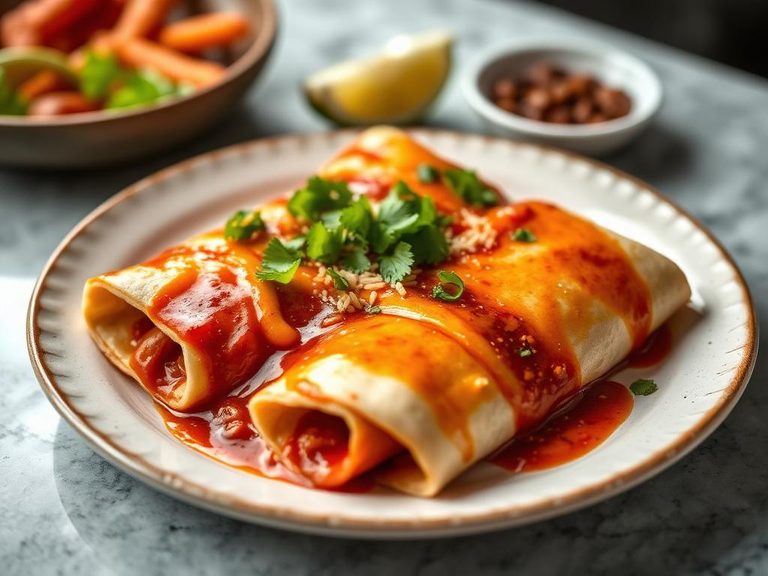
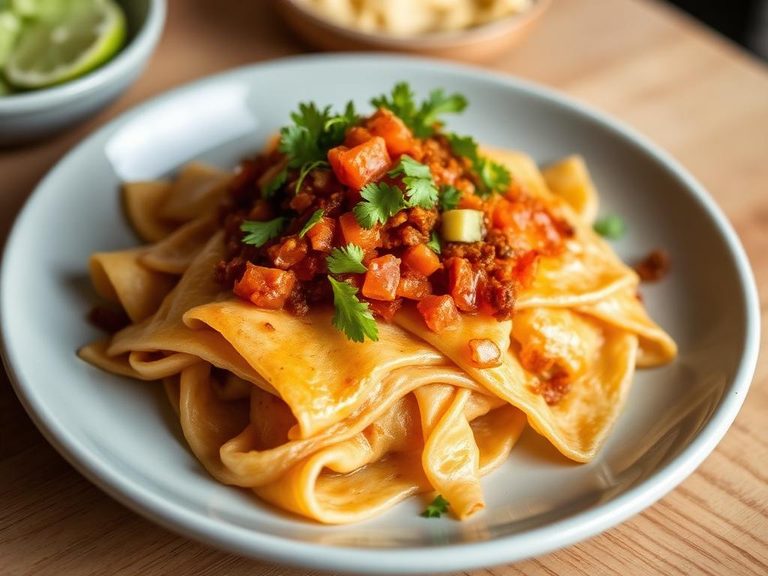
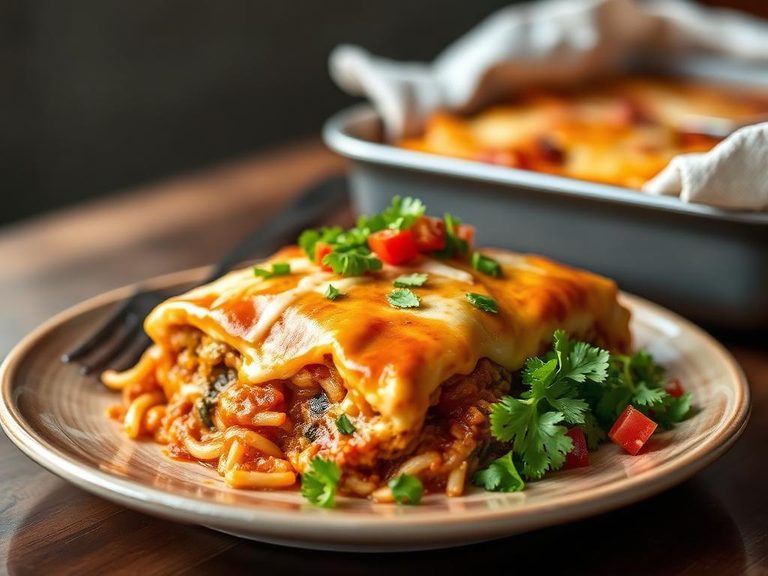
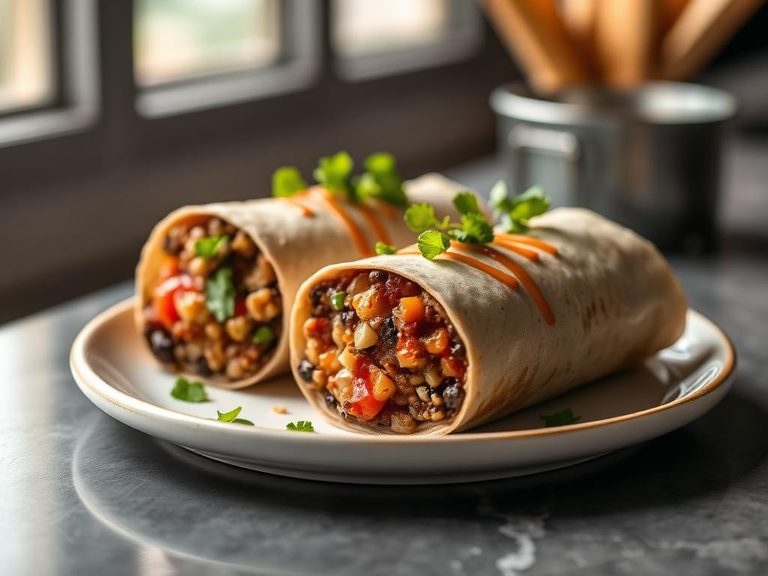
🍽️ Popular dishes
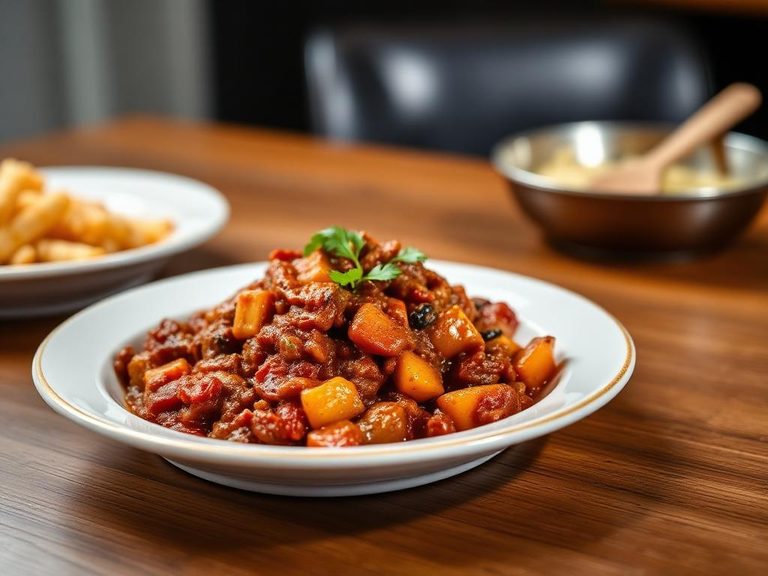
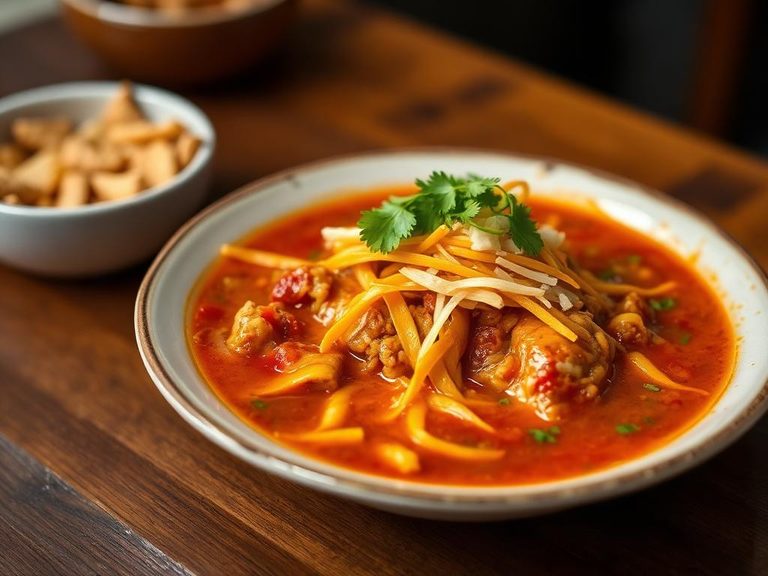
🌍 Where it's eaten
💡 Did you know?
Traditional red enchilada sauce gets its signature color and depth from dried chilies like ancho, pasilla, or guajillo, which are often toasted and rehydrated before being blended into the sauce.
Full nutrition (USDA data · scales with serving)
| Water | 91.8 g |
| Energy | 30.0 kcal |
| Energy | 126 kj |
| Protein | 0.62 g |
| Total lipid (fat) | 0.91 g |
| Ash | 1.8 g |
| Carbohydrate, by difference | 4.9 g |
| Fiber, total dietary | 0.50 g |
| Total Sugars | 1.8 g |
| Sucrose | 0.43 g |
| Glucose | 0.59 g |
| Fructose | 0.81 g |
| Lactose | 0.00 g |
| Maltose | 0.00 g |
| Galactose | 0.00 g |
| Starch | 2.1 g |
| Calcium, Ca | 7.0 mg |
| Iron, Fe | 0.67 mg |
| Magnesium, Mg | 6.0 mg |
| Phosphorus, P | 11.0 mg |
| Potassium, K | 101 mg |
| Sodium, Na | 547 mg |
| Zinc, Zn | 0.09 mg |
| Copper, Cu | 0.03 mg |
| Manganese, Mn | 0.05 mg |
| Selenium, Se | 0.40 ug |
| Vitamin C, total ascorbic acid | 0.30 mg |
| Thiamin | 0.04 mg |
| Riboflavin | 0.06 mg |
| Niacin | 0.39 mg |
| Pantothenic acid | 0.08 mg |
| Vitamin B-6 | 0.06 mg |
| Folate, total | 5.0 ug |
| Folic acid | 0.00 ug |
| Folate, food | 5.0 ug |
| Folate, DFE | 5.0 ug |
| Choline, total | 0.90 mg |
| Vitamin B-12 | 0.00 ug |
| Vitamin B-12, added | 0.00 ug |
| Vitamin A, RAE | 36.0 ug |
| Retinol | 0.00 ug |
| Carotene, beta | 362 ug |
| Carotene, alpha | 74.0 ug |
| Cryptoxanthin, beta | 62.0 ug |
| Vitamin A, IU | 717 iu |
| Lycopene | 994 ug |
| Lutein + zeaxanthin | 103 ug |
| Vitamin E (alpha-tocopherol) | 0.70 mg |
| Vitamin E, added | 0.00 mg |
| Tocopherol, beta | 0.00 mg |
| Tocopherol, gamma | 0.40 mg |
| Tocopherol, delta | 0.12 mg |
| Tocotrienol, alpha | 0.00 mg |
| Tocotrienol, beta | 0.14 mg |
| Tocotrienol, gamma | 0.00 mg |
| Tocotrienol, delta | 0.00 mg |
| Vitamin D (D2 + D3), International Units | 0.00 iu |
| Vitamin D (D2 + D3) | 0.00 ug |
| Vitamin K (phylloquinone) | 2.8 ug |
| Alcohol, ethyl | 0.00 g |
| Caffeine | 0.00 mg |
| Theobromine | 0.00 mg |
Fat & fatty acid profile (per 100g)
| Fatty acids, total saturated | 0.11 g |
| SFA 4:0 | 0.00 g |
| SFA 6:0 | 0.00 g |
| SFA 8:0 | 0.00 g |
| SFA 10:0 | 0.00 g |
| SFA 12:0 | 0.00 g |
| SFA 14:0 | 0.01 g |
| SFA 15:0 | 0.00 g |
| SFA 16:0 | 0.07 g |
| SFA 17:0 | 0.00 g |
| SFA 18:0 | 0.03 g |
| SFA 20:0 | 0.00 g |
| SFA 22:0 | 0.00 g |
| SFA 24:0 | 0.00 g |
| Fatty acids, total monounsaturated | 0.07 g |
| MUFA 14:1 | 0.00 g |
| MUFA 15:1 | 0.00 g |
| MUFA 16:1 | 0.00 g |
| MUFA 16:1 c | 0.00 g |
| MUFA 17:1 | 0.00 g |
| MUFA 18:1 | 0.06 g |
| MUFA 18:1 c | 0.06 g |
| MUFA 20:1 | 0.00 g |
| MUFA 22:1 | 0.00 g |
| MUFA 22:1 c | 0.00 g |
| MUFA 24:1 c | 0.00 g |
| Fatty acids, total polyunsaturated | 0.28 g |
| PUFA 18:2 | 0.24 g |
| PUFA 18:2 n-6 c,c | 0.24 g |
| PUFA 18:2 CLAs | 0.00 g |
| PUFA 18:3 | 0.03 g |
| PUFA 18:3 n-3 c,c,c (ALA) | 0.03 g |
| PUFA 18:3 n-6 c,c,c | 0.00 g |
| PUFA 18:3i | 0.00 g |
| PUFA 18:4 | 0.00 g |
| PUFA 20:2 n-6 c,c | 0.00 g |
| PUFA 20:3 | 0.00 g |
| PUFA 20:3 n-3 | 0.00 g |
| PUFA 20:3 n-6 | 0.00 g |
| PUFA 20:4 | 0.00 g |
| PUFA 20:5 n-3 (EPA) | 0.00 g |
| PUFA 22:4 | 0.00 g |
| PUFA 22:5 n-3 (DPA) | 0.00 g |
| PUFA 22:6 n-3 (DHA) | 0.00 g |
| Fatty acids, total trans | 0.00 g |
| Fatty acids, total trans-monoenoic | 0.00 g |
| TFA 16:1 t | 0.00 g |
| TFA 18:1 t | 0.00 g |
| TFA 22:1 t | 0.00 g |
| TFA 18:2 t not further defined | 0.00 g |
| Fatty acids, total trans-polyenoic | 0.00 g |
| Cholesterol | 0.00 mg |
Amino acid profile (per 100g)
Estimated from Sauce, homemade, white, medium — USDA does not publish this profile for Sauce.
| Tryptophan | 0.04 g |
| Threonine | 0.14 g |
| Isoleucine | 0.19 g |
| Leucine | 0.30 g |
| Lysine | 0.24 g |
| Methionine | 0.08 g |
| Cystine | 0.03 g |
| Phenylalanine | 0.15 g |
| Tyrosine | 0.15 g |
| Valine | 0.20 g |
| Arginine | 0.11 g |
| Histidine | 0.08 g |
| Alanine | 0.10 g |
| Aspartic acid | 0.23 g |
| Glutamic acid | 0.64 g |
| Glycine | 0.07 g |
| Proline | 0.30 g |
| Serine | 0.17 g |
FAQ
What's the difference between red and green enchilada sauce?
Red enchilada sauce is made from dried red chilies, tomatoes, and spices, giving it a deeper, earthier, and often milder flavor. Green enchilada sauce (salsa verde) is made from tomatillos and green chilies, resulting in a tangier, brighter, and sometimes sharper taste.
Can I use this sauce for something other than enchiladas?
Absolutely! It's a fantastic base for chili, a flavorful braising liquid for meats or vegetables, a sauce for chilaquiles, or even a spicy addition to scrambled eggs or grain bowls.
Is mild enchilada sauce spicy?
Mild enchilada sauce is designed to have very little heat, focusing instead on savory, earthy, and slightly tangy flavors. It's suitable for those who are sensitive to spice or for children's meals.
Nutrient density (calculated · NRF9.3)
Nutrient Rich Foods index: beneficial nutrients (protein, fiber, vitamins, minerals) minus saturated fat, added sugar & sodium, per 100 kcal.
NRF9.3 index — Fulgoni, Keast & Drewnowski, 2009. Computed from USDA nutrients.
Weight-loss friendliness (composite index)
Energy density 0.30 kcal/g · 8% calories from protein · 0.5 g fiber · 1.8 g sugar per 100 g.
Composite of energy density (Rolls et al., 1999), protein & fiber satiety, minus sugar. A calculated heuristic — ranks satiety-per-calorie, not a clinical measure.
Dietary load (calculated from USDA values)
Potential renal acid load. Positive = acid-forming, negative = alkaline-forming.
Sodium-to-potassium ratio: 5.42 (lower is better — aim for ≤ 1)
Sodium:potassium per WHO potassium guidance. Computed from USDA nutrients.