

Peppers, hot pickled, canned
Whole food · Vegetables and Vegetable Products

Photo: Wikipedia
These are fiery, tangy chili peppers preserved in a brine of vinegar, salt, and often garlic and spices, giving them a crisp, snappy texture and a punchy, acidic heat. Nutritionally, they are a low-calorie, high-fiber condiment that delivers a significant dose of vitamin C and capsaicin.
Calorie split: 13% protein · 73% carbs · 14% fat
↓ Full nutrition💚 Why it's loved
People love them for their addictive combination of sharp vinegar tang and lingering, fiery heat that elevates simple dishes. They are a versatile flavor bomb, used to cut through rich foods or add a spicy kick to everything from sandwiches to cocktails.
⚠️ Watch-outs & how to enjoy it better
The high sodium content from the brine can be a concern for those monitoring blood pressure. The intense capsaicin can cause digestive discomfort in sensitive individuals. To mitigate sodium, rinse the peppers briefly before use or choose low-sodium versions. To manage heat, start with a small amount and pair with dairy like yogurt or cheese, which contain casein to neutralize capsaicin.
Key benefits
- Extremely low in calories and fat
- Good source of dietary fiber
- Rich in capsaicin, linked to metabolic benefits
- Provides a significant amount of vitamin C
- Adds intense flavor without added sugars
🍽️ Popular dishes
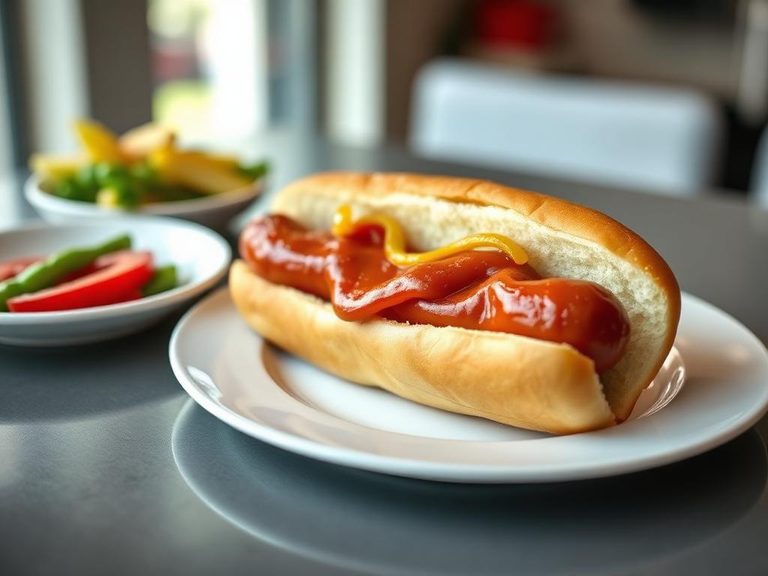
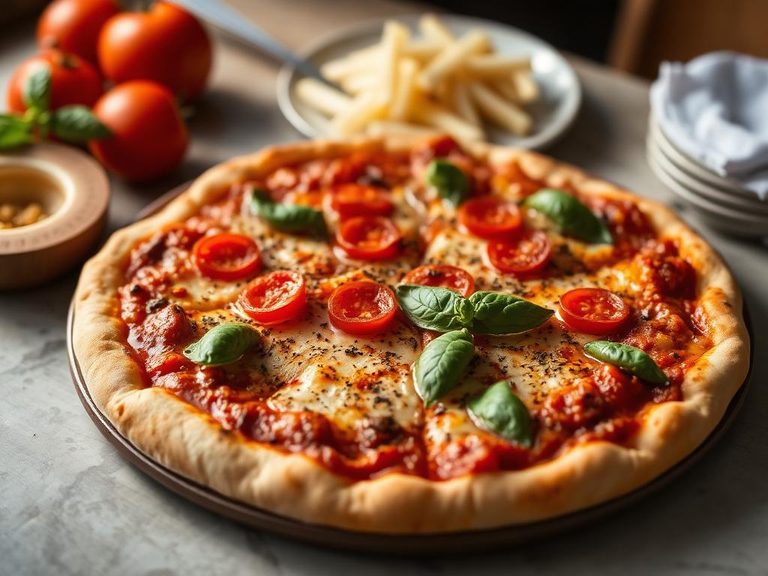
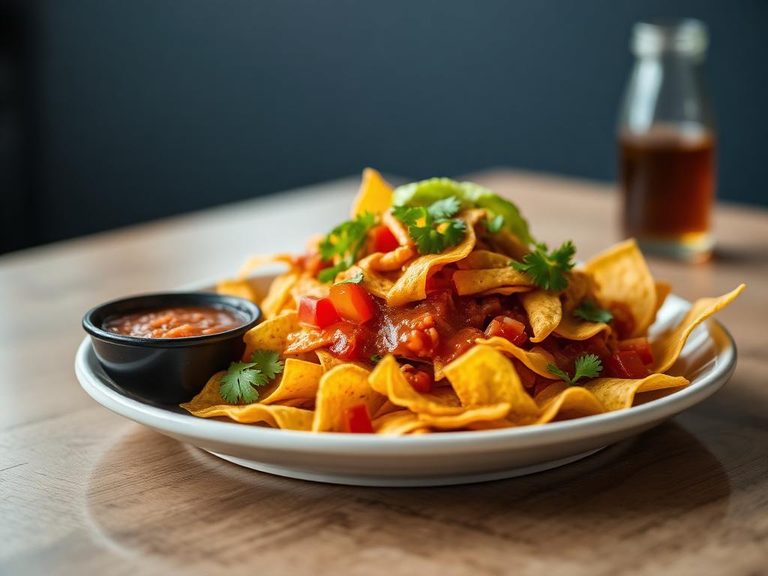
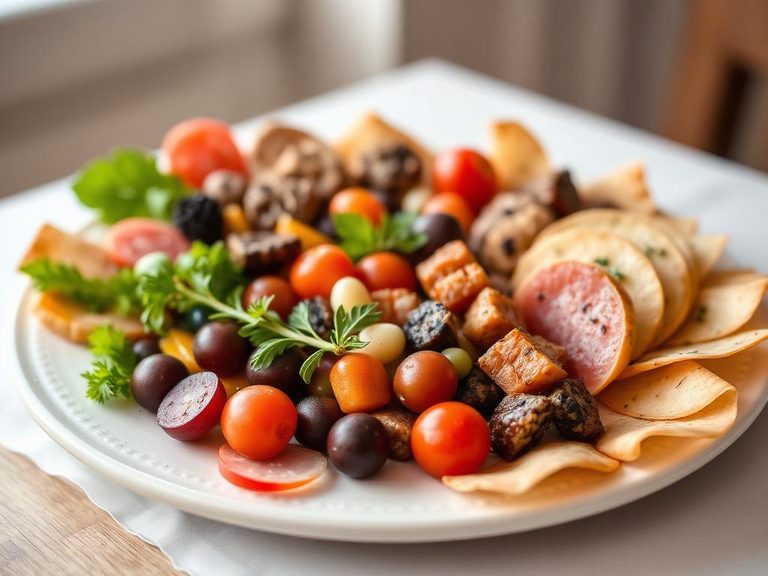

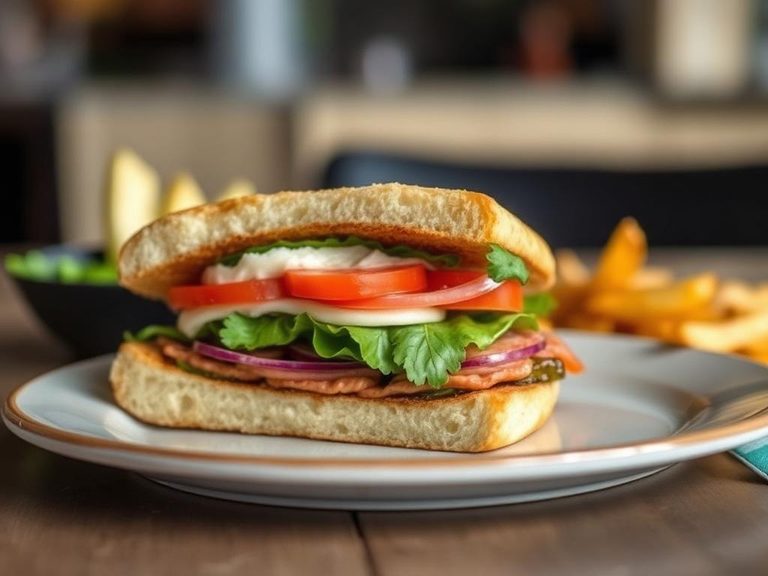
🌍 Where it's eaten
💡 Did you know?
The pickling process not only preserves the peppers but also enhances their crunch by slightly dehydrating the cell walls, making them a prized textural contrast in dishes.
Full nutrition (USDA data · scales with serving)
| Water | 90.2 g |
| Energy | 22.0 kcal |
| Energy | 90.0 kj |
| Protein | 0.80 g |
| Total lipid (fat) | 0.40 g |
| Ash | 4.0 g |
| Carbohydrate, by difference | 4.6 g |
| Fiber, total dietary | 2.6 g |
| Total Sugars | 1.6 g |
| Sucrose | 0.00 g |
| Glucose | 0.67 g |
| Fructose | 0.93 g |
| Lactose | 0.00 g |
| Maltose | 0.00 g |
| Galactose | 0.00 g |
| Calcium, Ca | 61.0 mg |
| Iron, Fe | 0.32 mg |
| Magnesium, Mg | 6.0 mg |
| Phosphorus, P | 13.0 mg |
| Potassium, K | 113 mg |
| Sodium, Na | 1430 mg |
| Zinc, Zn | 0.09 mg |
| Copper, Cu | 0.04 mg |
| Manganese, Mn | 0.05 mg |
| Selenium, Se | 0.40 ug |
| Vitamin C, total ascorbic acid | 12.3 mg |
| Thiamin | 0.04 mg |
| Riboflavin | 0.02 mg |
| Niacin | 0.34 mg |
| Pantothenic acid | 0.20 mg |
| Vitamin B-6 | 0.10 mg |
| Folate, total | 13.0 ug |
| Folic acid | 0.00 ug |
| Folate, food | 13.0 ug |
| Folate, DFE | 13.0 ug |
| Choline, total | 8.9 mg |
| Vitamin B-12 | 0.00 ug |
| Vitamin B-12, added | 0.00 ug |
| Vitamin A, RAE | 43.0 ug |
| Retinol | 0.00 ug |
| Carotene, beta | 440 ug |
| Carotene, alpha | 163 ug |
| Cryptoxanthin, beta | 1.0 ug |
| Vitamin A, IU | 870 iu |
| Lycopene | 0.00 ug |
| Lutein + zeaxanthin | 585 ug |
| Vitamin E (alpha-tocopherol) | 0.90 mg |
| Vitamin E, added | 0.00 mg |
| Tocopherol, beta | 0.00 mg |
| Tocopherol, gamma | 0.00 mg |
| Tocopherol, delta | 0.00 mg |
| Tocotrienol, alpha | 0.00 mg |
| Tocotrienol, beta | 0.00 mg |
| Tocotrienol, gamma | 0.00 mg |
| Tocotrienol, delta | 0.00 mg |
| Vitamin D (D2 + D3), International Units | 0.00 iu |
| Vitamin D (D2 + D3) | 0.00 ug |
| Vitamin K (phylloquinone) | 21.9 ug |
| Alcohol, ethyl | 0.00 g |
| Caffeine | 0.00 mg |
| Theobromine | 0.00 mg |
Fat & fatty acid profile (per 100g)
| Fatty acids, total saturated | 0.06 g |
| SFA 4:0 | 0.00 g |
| SFA 6:0 | 0.00 g |
| SFA 8:0 | 0.00 g |
| SFA 10:0 | 0.00 g |
| SFA 12:0 | 0.00 g |
| SFA 14:0 | 0.00 g |
| SFA 15:0 | 0.00 g |
| SFA 16:0 | 0.04 g |
| SFA 17:0 | 0.00 g |
| SFA 18:0 | 0.01 g |
| SFA 20:0 | 0.00 g |
| SFA 22:0 | 0.00 g |
| SFA 24:0 | 0.00 g |
| Fatty acids, total monounsaturated | 0.02 g |
| MUFA 14:1 | 0.00 g |
| MUFA 15:1 | 0.00 g |
| MUFA 16:1 | 0.00 g |
| MUFA 16:1 c | 0.00 g |
| MUFA 17:1 | 0.00 g |
| MUFA 18:1 | 0.02 g |
| MUFA 18:1 c | 0.02 g |
| MUFA 20:1 | 0.00 g |
| MUFA 22:1 | 0.00 g |
| MUFA 22:1 c | 0.00 g |
| MUFA 24:1 c | 0.00 g |
| Fatty acids, total polyunsaturated | 0.14 g |
| PUFA 18:2 | 0.11 g |
| PUFA 18:2 n-6 c,c | 0.11 g |
| PUFA 18:2 CLAs | 0.00 g |
| PUFA 18:3 | 0.03 g |
| PUFA 18:3 n-3 c,c,c (ALA) | 0.03 g |
| PUFA 18:3 n-6 c,c,c | 0.00 g |
| PUFA 18:3i | 0.00 g |
| PUFA 18:4 | 0.00 g |
| PUFA 20:2 n-6 c,c | 0.00 g |
| PUFA 20:3 | 0.00 g |
| PUFA 20:3 n-3 | 0.00 g |
| PUFA 20:3 n-6 | 0.00 g |
| PUFA 20:4 | 0.00 g |
| PUFA 20:5 n-3 (EPA) | 0.00 g |
| PUFA 22:4 | 0.00 g |
| PUFA 22:5 n-3 (DPA) | 0.00 g |
| PUFA 22:6 n-3 (DHA) | 0.00 g |
| Fatty acids, total trans | 0.00 g |
| Fatty acids, total trans-monoenoic | 0.00 g |
| TFA 16:1 t | 0.00 g |
| TFA 18:1 t | 0.00 g |
| TFA 22:1 t | 0.00 g |
| TFA 18:2 t not further defined | 0.00 g |
| Fatty acids, total trans-polyenoic | 0.00 g |
| Cholesterol | 0.00 mg |
Amino acid profile (per 100g)
Estimated from Peppers, sweet, red, frozen, chopped, unprepared — USDA does not publish this profile for Peppers.
| Tryptophan | 0.01 g |
| Threonine | 0.04 g |
| Isoleucine | 0.04 g |
| Leucine | 0.06 g |
| Lysine | 0.05 g |
| Methionine | 0.01 g |
| Cystine | 0.02 g |
| Phenylalanine | 0.03 g |
| Tyrosine | 0.02 g |
| Valine | 0.04 g |
| Arginine | 0.05 g |
| Histidine | 0.02 g |
| Alanine | 0.04 g |
| Aspartic acid | 0.15 g |
| Glutamic acid | 0.14 g |
| Glycine | 0.04 g |
| Proline | 0.05 g |
| Serine | 0.04 g |
FAQ
Are pickled hot peppers spicier than fresh ones?
Generally, no. The pickling process can slightly mellow the raw, sharp heat of fresh peppers, transforming it into a more rounded, tangy spiciness. However, the perceived heat can vary by brand and pickling solution.
Can I use the pickling liquid from the jar?
Yes, it's a flavorful blend of vinegar, salt, and pepper essence. It's excellent as a base for salad dressings, a splash in marinades, or to add a spicy-sour kick to cocktails like a Bloody Mary.
How long do they last after opening?
Always keep them submerged in their brine and refrigerated. Properly stored, they will maintain good quality and safety for several months, though their texture may soften slightly over time.
Nutrient density (calculated · NRF9.3)
Nutrient Rich Foods index: beneficial nutrients (protein, fiber, vitamins, minerals) minus saturated fat, added sugar & sodium, per 100 kcal.
NRF9.3 index — Fulgoni, Keast & Drewnowski, 2009. Computed from USDA nutrients.
Weight-loss friendliness (composite index)
Energy density 0.22 kcal/g · 15% calories from protein · 2.6 g fiber · 1.6 g sugar per 100 g.
Composite of energy density (Rolls et al., 1999), protein & fiber satiety, minus sugar. A calculated heuristic — ranks satiety-per-calorie, not a clinical measure.
Dietary load (calculated from USDA values)
Potential renal acid load. Positive = acid-forming, negative = alkaline-forming.
Sodium-to-potassium ratio: 12.65 (lower is better — aim for ≤ 1)
Sodium:potassium per WHO potassium guidance. Computed from USDA nutrients.