

Fish, halibut, Atlantic and Pacific, raw
Whole food · Finfish and Shellfish Products

Photo: Wikipedia
Atlantic and Pacific halibut is a large, lean white fish prized for its firm, meaty texture and mild, sweet flavor that flakes into thick, satisfying pieces. With a remarkable 18.56g of protein per 100g and virtually no fat or carbohydrates, it is a powerhouse of clean, high-quality nutrition. Its clean taste and substantial bite make it a versatile canvas for a wide range of cooking methods, from grilling to poaching.
Calorie split: 86% protein · 0% carbs · 14% fat
↓ Full nutrition💚 Why it's loved
People love halibut for its mild, non-fishy taste and its firm, steak-like texture that holds up beautifully to grilling, searing, and roasting. Its versatility allows it to shine in both simple preparations with lemon and butter and in complex, flavorful dishes like fish tacos or stews.
⚠️ Watch-outs & how to enjoy it better
Halibut is a common fish allergen, so individuals with fish allergies must avoid it. Its leanness means it can dry out easily if overcooked; to counteract this, cook it to just 130°F (54°C) internal temperature, use a marinade or glaze, or poach it in a flavorful liquid. It is also a high-mercury fish, so pregnant women and young children should limit intake to one or two servings per week.
Key benefits
- Excellent source of complete protein for muscle maintenance and repair.
- Very low in fat and calories, making it ideal for weight management.
- Naturally free of carbohydrates and sugar.
- Rich in essential minerals like selenium and phosphorus.
🍽️ Popular dishes
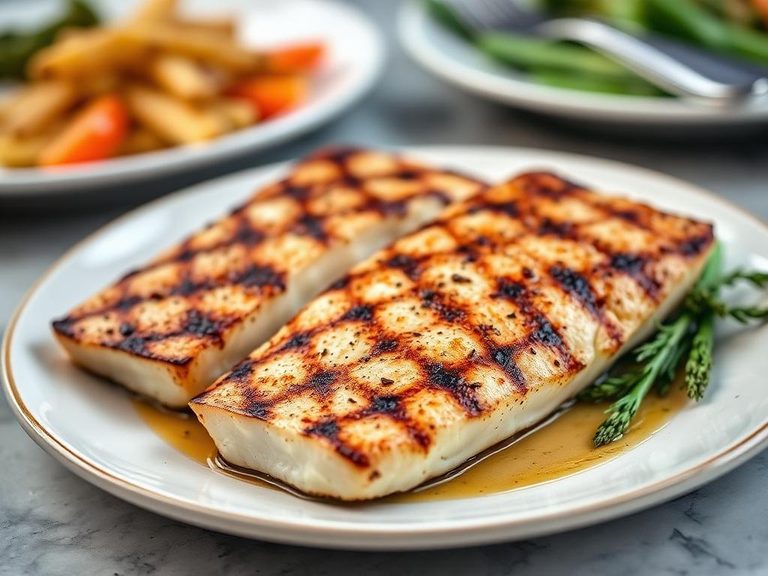
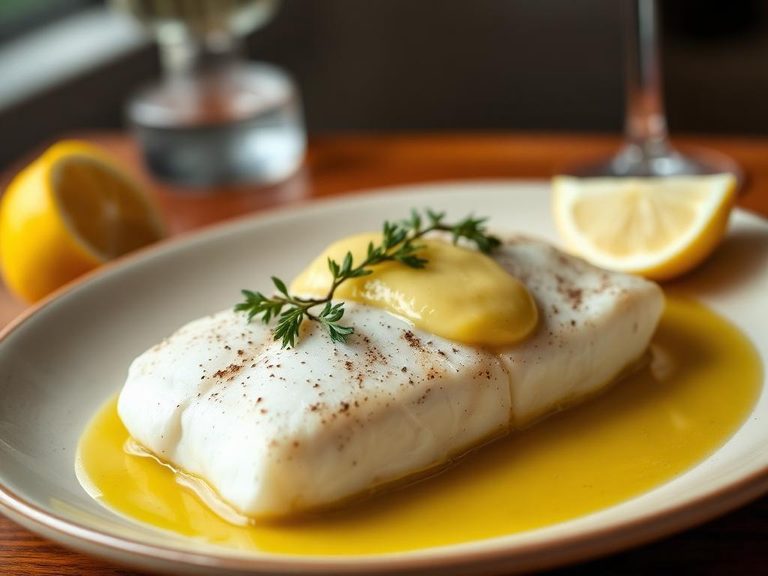
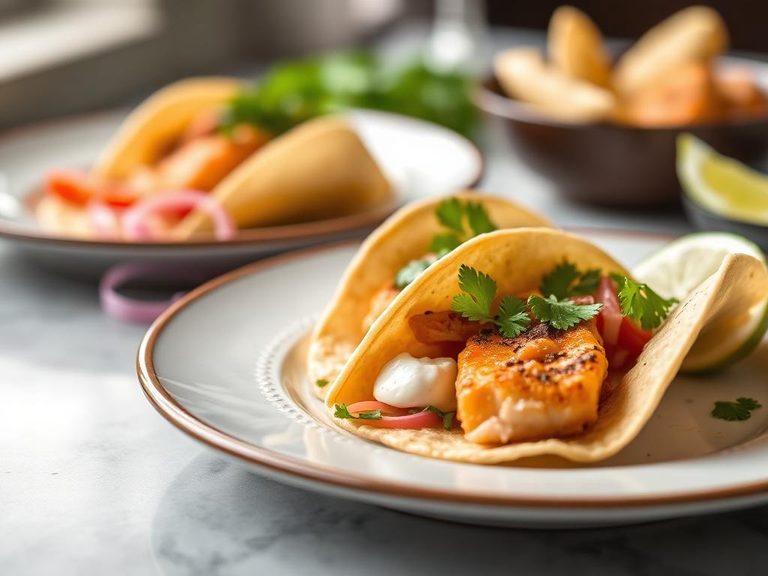
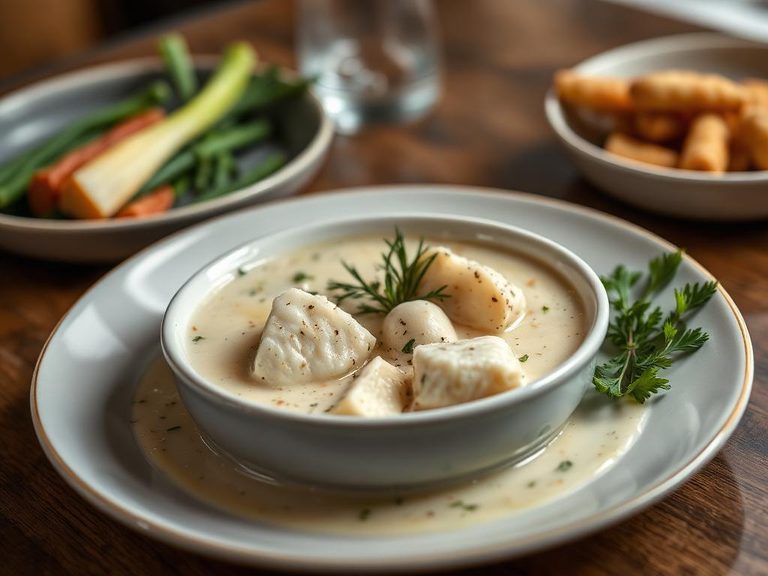
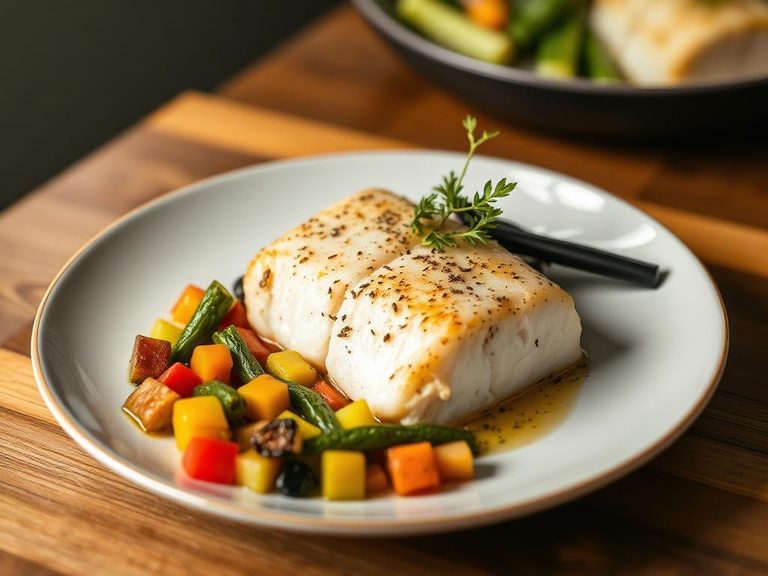
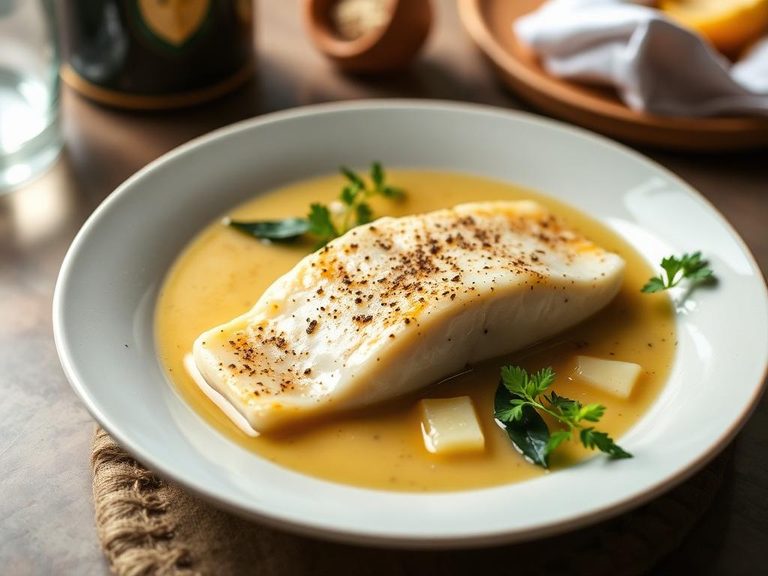
🌍 Where it's eaten
💡 Did you know?
Halibut are the largest flatfish in the world, with some individuals growing over 8 feet long and weighing more than 500 pounds.
Full nutrition (USDA data · scales with serving)
| Water | 80.3 g |
| Energy | 91.0 kcal |
| Energy | 382 kj |
| Protein | 18.6 g |
| Total lipid (fat) | 1.3 g |
| Ash | 1.3 g |
| Carbohydrate, by difference | 0.00 g |
| Fiber, total dietary | 0.00 g |
| Total Sugars | 0.00 g |
| Fructose | 0.00 g |
| Lactose | 0.00 g |
| Maltose | 0.00 g |
| Galactose | 0.00 g |
| Starch | 0.00 g |
| Calcium, Ca | 7.0 mg |
| Iron, Fe | 0.16 mg |
| Magnesium, Mg | 23.0 mg |
| Phosphorus, P | 236 mg |
| Potassium, K | 435 mg |
| Sodium, Na | 68.0 mg |
| Zinc, Zn | 0.36 mg |
| Copper, Cu | 0.02 mg |
| Manganese, Mn | 0.01 mg |
| Selenium, Se | 45.6 ug |
| Vitamin C, total ascorbic acid | 0.00 mg |
| Thiamin | 0.05 mg |
| Riboflavin | 0.03 mg |
| Niacin | 6.5 mg |
| Pantothenic acid | 0.34 mg |
| Vitamin B-6 | 0.55 mg |
| Folate, total | 12.0 ug |
| Folic acid | 0.00 ug |
| Folate, food | 12.0 ug |
| Folate, DFE | 12.0 ug |
| Choline, total | 61.8 mg |
| Vitamin B-12 | 1.1 ug |
| Vitamin B-12, added | 0.00 ug |
| Vitamin A, RAE | 20.0 ug |
| Retinol | 20.0 ug |
| Carotene, beta | 0.00 ug |
| Carotene, alpha | 0.00 ug |
| Cryptoxanthin, beta | 0.00 ug |
| Vitamin A, IU | 67.0 iu |
| Lycopene | 0.00 ug |
| Lutein + zeaxanthin | 0.00 ug |
| Vitamin E (alpha-tocopherol) | 0.61 mg |
| Vitamin E, added | 0.00 mg |
| Tocopherol, beta | 0.00 mg |
| Tocopherol, gamma | 0.00 mg |
| Tocopherol, delta | 0.00 mg |
| Tocotrienol, alpha | 0.00 mg |
| Tocotrienol, beta | 0.00 mg |
| Tocotrienol, gamma | 0.00 mg |
| Tocotrienol, delta | 0.00 mg |
| Vitamin D (D2 + D3), International Units | 190 iu |
| Vitamin D (D2 + D3) | 4.7 ug |
| Vitamin D3 (cholecalciferol) | 4.7 ug |
| Vitamin K (phylloquinone) | 0.00 ug |
| Vitamin K (Dihydrophylloquinone) | 0.00 ug |
| Vitamin K (Menaquinone-4) | 0.00 ug |
| Alcohol, ethyl | 0.00 g |
| Caffeine | 0.00 mg |
| Theobromine | 0.00 mg |
Fat & fatty acid profile (per 100g)
| Fatty acids, total saturated | 0.29 g |
| SFA 4:0 | 0.00 g |
| SFA 6:0 | 0.00 g |
| SFA 8:0 | 0.00 g |
| SFA 10:0 | 0.00 g |
| SFA 12:0 | 0.01 g |
| SFA 14:0 | 0.05 g |
| SFA 15:0 | 0.00 g |
| SFA 16:0 | 0.17 g |
| SFA 17:0 | 0.00 g |
| SFA 18:0 | 0.05 g |
| SFA 20:0 | 0.00 g |
| SFA 22:0 | 0.00 g |
| SFA 24:0 | 0.00 g |
| Fatty acids, total monounsaturated | 0.47 g |
| MUFA 14:1 | 0.00 g |
| MUFA 15:1 | 0.00 g |
| MUFA 16:1 | 0.07 g |
| MUFA 16:1 c | 0.07 g |
| MUFA 17:1 | 0.01 g |
| MUFA 18:1 | 0.23 g |
| MUFA 18:1 c | 0.22 g |
| MUFA 20:1 | 0.13 g |
| MUFA 22:1 | 0.01 g |
| MUFA 22:1 c | 0.01 g |
| MUFA 24:1 c | 0.02 g |
| Fatty acids, total polyunsaturated | 0.29 g |
| PUFA 18:2 | 0.03 g |
| PUFA 18:2 n-6 c,c | 0.02 g |
| PUFA 18:2 CLAs | 0.00 g |
| PUFA 18:3 | 0.01 g |
| PUFA 18:3 n-3 c,c,c (ALA) | 0.01 g |
| PUFA 18:3 n-6 c,c,c | 0.00 g |
| PUFA 18:4 | 0.01 g |
| PUFA 20:2 n-6 c,c | 0.00 g |
| PUFA 20:3 | 0.01 g |
| PUFA 20:3 n-3 | 0.00 g |
| PUFA 20:3 n-6 | 0.01 g |
| PUFA 20:4 | 0.01 g |
| PUFA 20:5 n-3 (EPA) | 0.07 g |
| PUFA 22:4 | 0.00 g |
| PUFA 22:5 n-3 (DPA) | 0.02 g |
| PUFA 22:6 n-3 (DHA) | 0.13 g |
| TFA 16:1 t | 0.00 g |
| TFA 18:1 t | 0.01 g |
| TFA 22:1 t | 0.00 g |
| TFA 18:2 t not further defined | 0.01 g |
| Fatty acids, total trans-polyenoic | 0.01 g |
| Cholesterol | 49.0 mg |
Amino acid profile (per 100g)
| Tryptophan | 0.23 g |
| Threonine | 0.91 g |
| Isoleucine | 0.96 g |
| Leucine | 1.7 g |
| Lysine | 1.9 g |
| Methionine | 0.62 g |
| Cystine | 0.22 g |
| Phenylalanine | 0.81 g |
| Tyrosine | 0.70 g |
| Valine | 1.1 g |
| Arginine | 1.2 g |
| Histidine | 0.61 g |
| Alanine | 1.3 g |
| Aspartic acid | 2.1 g |
| Glutamic acid | 3.1 g |
| Glycine | 1.00 g |
| Proline | 0.74 g |
| Serine | 0.85 g |
FAQ
What is the difference between Atlantic and Pacific halibut?
Atlantic halibut (Hippoglossus hippoglossus) is found in the North Atlantic and is often larger, while Pacific halibut (Hippoglossus stenolepis) is native to the North Pacific. Both have similar mild flavors and firm textures, but Pacific halibut is more commonly available in North American markets.
How should I store raw halibut?
Store it in the coldest part of your refrigerator (32-38°F / 0-3°C) on a plate or in a shallow container, and use it within 1-2 days. For longer storage, wrap it tightly and freeze for up to 6 months.
What is the best way to cook halibut without it drying out?
The key is to avoid overcooking. Use a meat thermometer to check for an internal temperature of 130°F (54°C). Cooking methods like poaching, baking en papillote (in parchment), or pan-searing with a quick finish in the oven help retain moisture.
Nutrient density (calculated · NRF9.3)
Nutrient Rich Foods index: beneficial nutrients (protein, fiber, vitamins, minerals) minus saturated fat, added sugar & sodium, per 100 kcal.
NRF9.3 index — Fulgoni, Keast & Drewnowski, 2009. Computed from USDA nutrients.
Weight-loss friendliness (composite index)
Energy density 0.91 kcal/g · 82% calories from protein · 0.0 g fiber · 0.0 g sugar per 100 g.
Composite of energy density (Rolls et al., 1999), protein & fiber satiety, minus sugar. A calculated heuristic — ranks satiety-per-calorie, not a clinical measure.
Dietary load (calculated from USDA values)
Potential renal acid load. Positive = acid-forming, negative = alkaline-forming.
Sodium-to-potassium ratio: 0.16 (lower is better — aim for ≤ 1)
Sodium:potassium per WHO potassium guidance. Computed from USDA nutrients.